
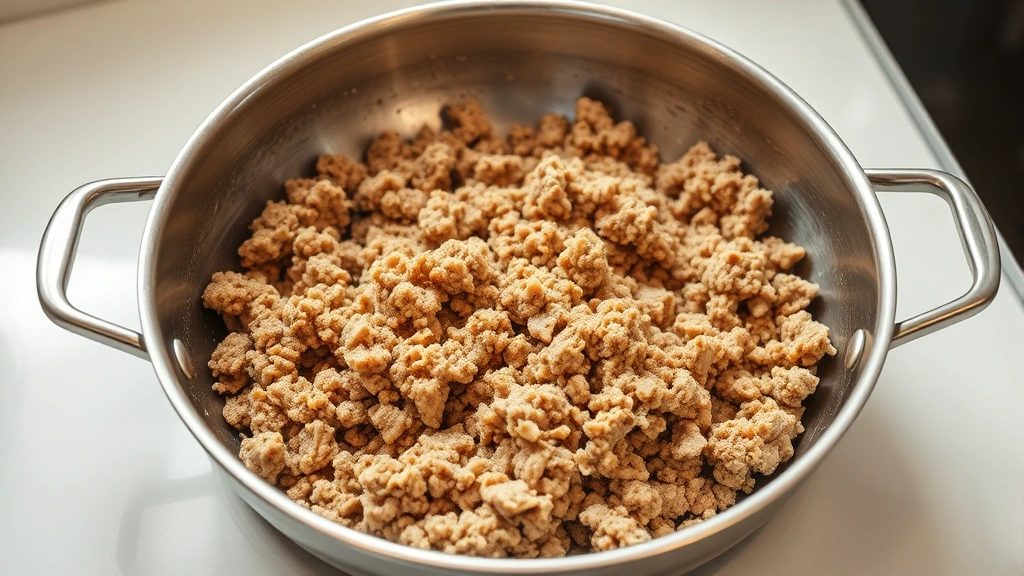
Learning how long to cook ground turkey is one of those kitchen skills that’ll save you from dry, rubbery disasters and bland weeknight dinners. Ground turkey is lean, versatile, and honestly cheaper than beef—but it needs the right timing and technique to actually taste good. Whether you’re browning it for tacos, building a meatloaf, or mixing it into a pasta sauce, I’m going to walk you through exactly what you need to know to nail it every single time.
Table of Contents
Stovetop Cooking Basics
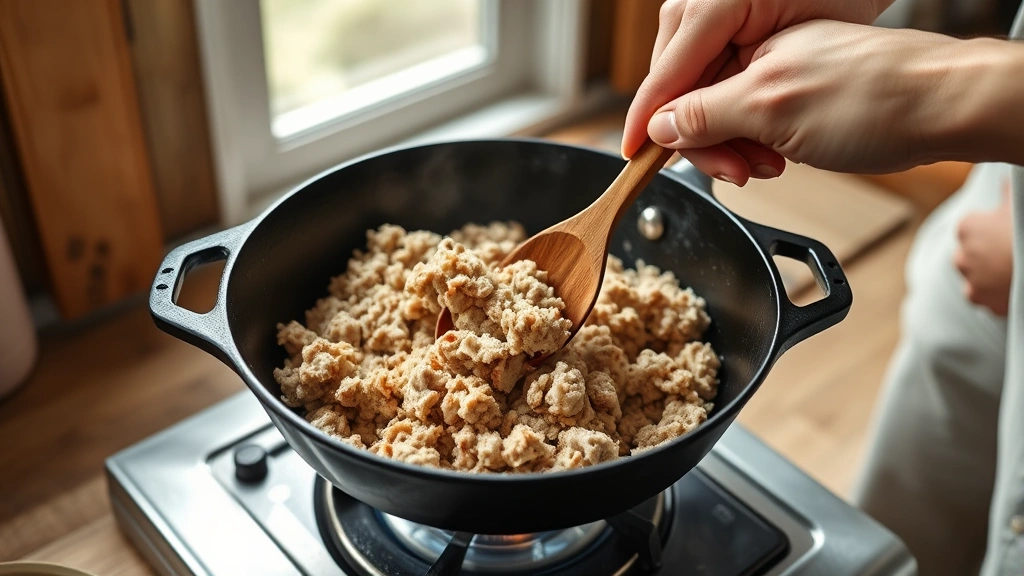
The stovetop is where most home cooks handle ground turkey, and it’s honestly the most forgiving method. Start with a large skillet or Dutch oven—cast iron works beautifully here—and get it hot over medium-high heat before adding anything. Don’t skip this step; a cold pan means the meat steams instead of browning.
Add a tablespoon of oil (olive, vegetable, or even bacon fat works) and let it shimmer. Break up your ground turkey into small chunks as you add it to the pan. This is crucial: don’t just plop the whole mass in and let it sit. Use a wooden spoon or spatula to actively break it apart as it cooks. Think of it like scrambling eggs, except you want slightly larger pieces.
The meat will release moisture as it cooks—this is totally normal. Let that liquid cook off; it’s actually adding flavor back into the meat. You’ll know you’re getting close to done when the pan starts to look less wet and the meat begins to brown properly.
Exact Timing by Method
For standard stovetop browning, you’re looking at 8-12 minutes for a pound of ground turkey over medium-high heat. The exact time depends on how finely ground your turkey is and how much you’re cooking. A pound will be faster than three pounds, obviously.
If you’re cooking in a slow cooker or Dutch oven for something like a casserole or chili, brown the meat first on the stovetop (those 8-12 minutes), then add it to your slow cooker. Ground turkey in a slow cooker on low for 4-6 hours will be perfectly cooked, though it’ll lose some texture compared to stovetop cooking.
For oven-cooking—say you’re making a meatloaf—plan on 50-60 minutes at 350°F. If you’re mixing it into a baked pasta dish, it typically needs 30-40 minutes depending on the recipe’s total baking time.
Ground turkey burgers on a grill or griddle need about 5-6 minutes per side over medium-high heat, depending on thickness. Thinner patties cook faster; thicker ones need a bit more time.
Signs of Perfect Doneness
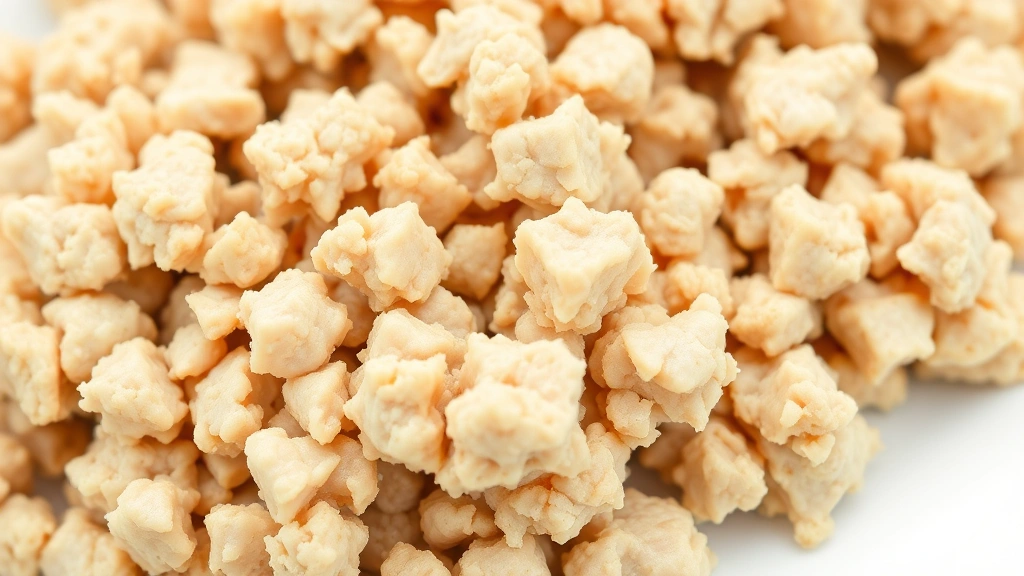
The visual cues are your best friends here. Raw ground turkey has a pale pink or grayish color. As it cooks, it’ll gradually turn white and opaque. You’re done when there’s no pink remaining anywhere—not even a hint. The meat should look uniformly white or light tan throughout.
The texture should be crumbly and slightly firm, not mushy or wet. If you’re still seeing liquid pooling in the pan and the meat looks pale, it needs more time. If the meat is starting to stick and brown on the bottom of the pan while the top is still pale, lower your heat slightly and stir more frequently.
When you break apart a piece with your spoon, it should flake easily and show no translucent or pink interior. This is your visual confirmation that it’s safe to eat.
Internal Temperature Guide
Here’s the non-negotiable food safety fact: ground turkey must reach an internal temperature of 165°F (74°C) to be safe to eat. This kills harmful bacteria like salmonella and campylobacter. Use an instant-read meat thermometer—they’re cheap and absolutely worth having in your kitchen.
For stovetop cooking, take the temperature in several spots, especially the thickest portions. If you’re making burgers or meatloaf, check the center. For a casserole, check multiple areas since heat distribution varies.
Once you hit 165°F, you can pull it off heat. Don’t overcook it trying to get to 170°F or higher; that’s when turkey gets dry and unpleasant. The carry-over cooking (heat continuing to cook the meat after you remove it from the heat source) will add a degree or two anyway.
Common Cooking Mistakes
The biggest mistake people make is not breaking up the meat properly. If you leave it in large chunks, the outside cooks way faster than the inside, and you end up with overcooked exterior and undercooked center. Keep breaking it apart throughout cooking.
Another common error is cooking on too low heat. Medium heat sounds safe, but it means the meat steams and releases too much moisture, getting grayish and bland instead of nicely browned. Medium-high is your sweet spot for stovetop cooking.
Don’t crowd the pan. If you’re cooking more than a pound and a half, use a larger pan or cook in batches. Overcrowding means the meat steams instead of browning, and it takes longer overall.
Forgetting to season is a silent killer. Ground turkey is lean and relatively bland on its own. Don’t wait until the end to season; add salt and pepper early so they distribute throughout. Better yet, try seasoning mixes or fresh herbs.
Finally, don’t skip the temperature check. Visual cues are helpful, but a thermometer is your guarantee that it’s safe. Undercooked poultry is a legitimate food safety risk.
Seasoning and Flavor Boosters
Ground turkey is a blank canvas, which is both a blessing and a curse. The blessing: it takes on flavors beautifully. The curse: it’s boring without them.
For taco seasoning, add cumin, chili powder, paprika, garlic powder, and a pinch of cayenne. For Italian applications, go with dried oregano, basil, garlic, and a splash of Worcestershire sauce. For something Asian-inspired, try soy sauce, ginger, garlic, and a touch of sesame oil.
Fresh herbs are your secret weapon. Cilantro, parsley, or basil added at the end brighten everything up. Minced garlic and onion cooked into the meat add depth that seasoning salt alone can’t achieve.
Don’t forget acid. A squeeze of lime juice or a splash of hot sauce at the end lifts the whole dish. Worcestershire sauce, soy sauce, or even balsamic vinegar add complexity that makes people ask what your secret ingredient is.
Storage and Food Safety
Cooked ground turkey keeps in the refrigerator for 3-4 days in an airtight container. Make sure it’s cooled to room temperature before storing—don’t put hot food straight in the fridge, as it raises the overall temperature.
For freezing, store cooked ground turkey in freezer bags or containers for up to 3 months. Label it with the date. Thaw it in the refrigerator overnight before reheating, or reheat it directly from frozen on the stovetop over medium heat, stirring occasionally.
Raw ground turkey should be cooked within 1-2 days of purchase if refrigerated, or frozen immediately if you’re not using it right away. Keep it on the lowest shelf of your fridge so it can’t drip onto other foods.
Always wash your hands, cutting board, and utensils thoroughly after handling raw poultry. Turkey is safe when handled properly, but cross-contamination is how foodborne illness happens.
Best Recipe Applications
Ground turkey shines in easy dinner recipes for one or family meals. It works beautifully in tacos, where you can control the seasoning completely. Mix it with authentic Mexican refried beans for a protein-packed filling.
Meatballs are another fantastic application—combine ground turkey with breadcrumbs, egg, and seasonings, then bake or pan-fry. Pasta dishes benefit from turkey; it’s lighter than beef but still substantial. Try it in bolognese or mixed into creamy pasta sauces.
Burgers made from ground turkey are leaner than beef. Add a bit of moisture with minced onion or a splash of Worcestershire to keep them from drying out. Serve alongside easy Mexican street corn for a fresh, complete meal.
Ground turkey also works in casseroles, chili, and even as a base for Dutch oven camping recipes if you’re cooking outdoors. The key is understanding how long to cook ground turkey in each context and adjusting your timing accordingly.
For comparison with other proteins, check out our guide on butterfly chicken breast techniques or learn about how long it takes to smoke a pork butt for your broader cooking repertoire.
Summary and Quick Reference
Ground turkey cooks quickly and safely when you follow these guidelines: 8-12 minutes on the stovetop over medium-high heat for browning, always reaching 165°F internal temperature, and breaking the meat apart as it cooks. The key to great results is active cooking (not leaving it alone), proper seasoning, and using a meat thermometer to verify doneness.
Remember that ground turkey is lean, so it can dry out if overcooked. Once you hit that safe temperature, pull it off heat. Season boldly, cook with intention, and you’ll have perfectly cooked ground turkey every single time. It’s a simple skill that opens up dozens of weeknight dinner possibilities.
Frequently Asked Questions
Can you eat ground turkey a little pink?
No. Ground poultry must be cooked to 165°F throughout with no pink remaining. Unlike beef, which can be safely served rare or medium-rare, poultry carries bacteria that require that higher temperature to kill. Use a meat thermometer to verify.
Why is my ground turkey always dry?
Overcooking is the main culprit. Ground turkey is very lean, so it dries out quickly past 165°F. Also, make sure you’re not cooking it on too low heat, which causes it to steam and lose moisture. Cook on medium-high, keep the timing tight, and remove from heat as soon as it hits safe temperature.
Should I brown ground turkey before adding to slow cooker?
Yes, browning first develops flavor through the Maillard reaction. Even though you’ll cook it longer in the slow cooker, that initial browning step takes just 8-12 minutes and makes a noticeable difference in the final dish’s taste.
What’s the difference between ground turkey and ground chicken?
Ground turkey is slightly darker, fattier, and more flavorful than ground chicken. Both cook at similar temperatures and timeframes, but turkey is more versatile for things like burgers and meatballs because of its slightly higher fat content. The cooking time remains the same: 8-12 minutes on stovetop.
Can you cook ground turkey from frozen?
Yes, but it takes longer—roughly 15-20 minutes instead of 8-12. Break it apart as it defrosts and cooks. It’s not ideal because you can’t control the cooking as precisely, so thawing overnight in the refrigerator is better. If you’re in a pinch, frozen works, just monitor the temperature carefully.


