
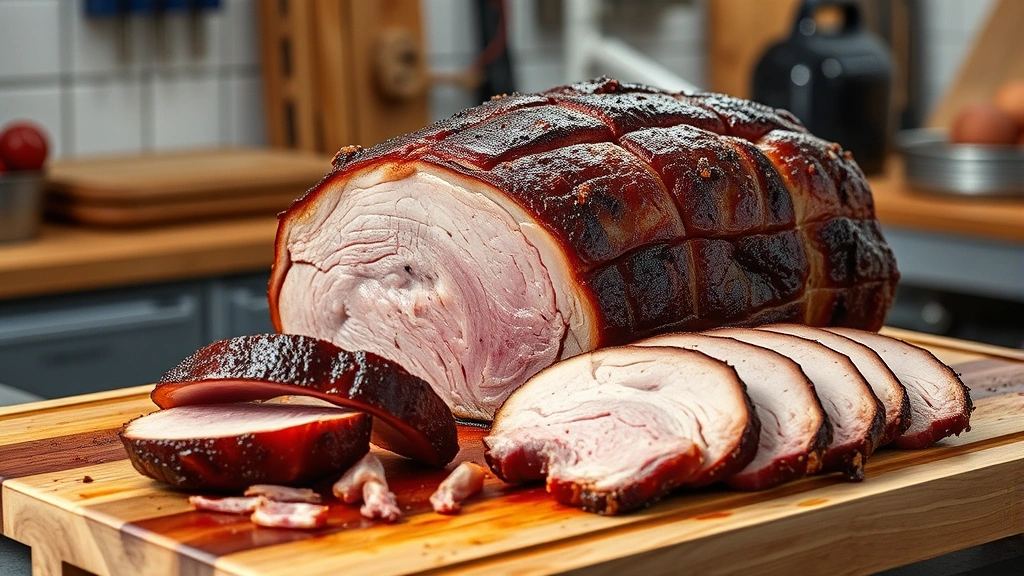
Learning how long does it take to smoke a pork butt is one of those skills that separates backyard grill masters from people who just throw meat on heat and hope for the best. The short answer? Plan on 1.5 to 2 hours per pound at 225-250°F, but there’s a lot more nuance to nail this perfectly.
Table of Contents
Smoking Time Basics
The fundamental rule for smoking pork butt is the 1.5 to 2-hour-per-pound guideline at a steady 225-250°F smoker temperature. A 10-pound pork butt typically needs 15-20 hours of smoke time. Sounds like a commitment? It absolutely is, and that’s why serious pitmasters plan these cooks for overnight sessions or start early morning if they want pulled pork for dinner.
Your actual cooking time depends on several factors beyond just weight. Meat density varies between different cuts and different pigs. The shape of your particular pork butt matters too. A compact, rounded butt cooks differently than a long, flat one. Environmental temperature, wind conditions, and your smoker’s consistency all play roles in the final time calculation.
Temperature Matters Most
Here’s where most beginners mess up: they either run their smoker too hot or too cold. At 225°F, you’re looking at the longer end of the time spectrum—closer to 2 hours per pound. Push it to 250°F, and you’ll shave off 15-30 minutes per pound. Some pitmasters even go to 275°F for faster cooks, though you sacrifice some smoke ring development and tenderness.
The sweet spot for most home smokers is 240-250°F. It’s hot enough to keep things moving along, but slow enough to develop proper bark and let the smoke penetrate the meat effectively. Invest in a quality thermometer—not the cheap dial gauge on your smoker’s lid. Those are notoriously inaccurate. Use a probe thermometer placed in the coolest part of your cooking chamber, away from direct heat.
Pork Butt Size Calculation
Let’s do some math that actually matters. A 6-pound pork butt at 225°F needs roughly 9-12 hours. An 8-pounder? Plan for 12-16 hours. That 12-pound monster? You’re looking at 18-24 hours, possibly more. This is why you don’t just wing it with pork butt smoking—you need a timeline.
I always recommend adding an extra 1-2 hours to whatever calculation you make. Meat doesn’t read thermometers or timers. It cooks when it’s ready, and sometimes that’s faster, sometimes slower. Having a buffer means you’re not stressing at hour 15 wondering if you’ll make your dinner party on time.
The Stall Explained
Around 165-170°F internal temperature, your pork butt hits what pitmasters call “the stall.” The temperature plateaus for hours while evaporative cooling happens on the meat’s surface. This is where patience separates the pros from the panicked. The stall can last 2-4 hours or longer on big butts.
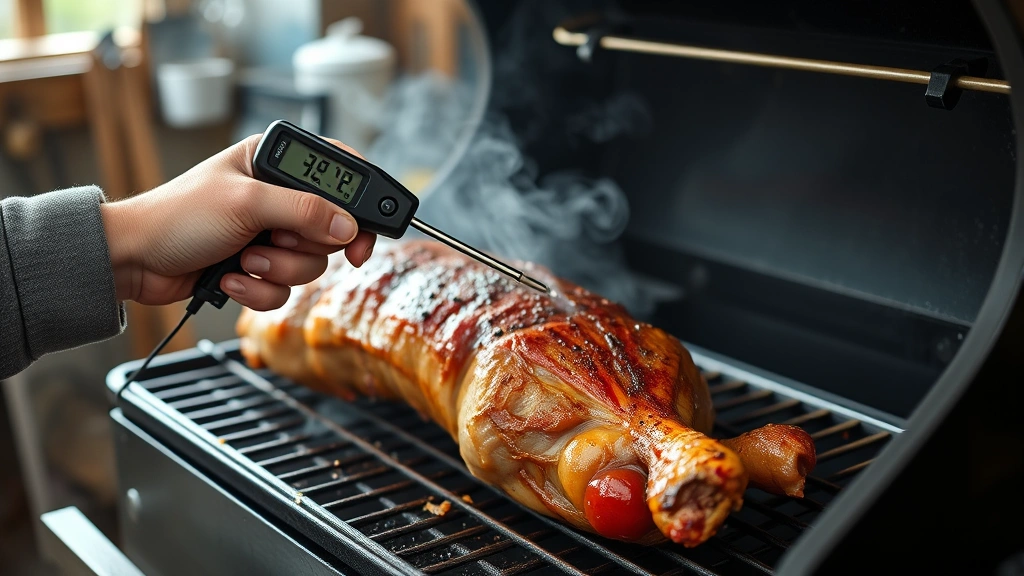
This is where the Texas Crutch comes in—wrapping your meat in foil or butcher paper to push through the stall faster. It’s not cheating; it’s smart cooking. When you wrap, you trap heat and moisture, which accelerates the cook from that 170°F plateau to your target 203°F finishing temperature. Unwrapped, you’re fighting evaporative cooling the whole way. Wrapped, you’re working with physics instead of against it.
Wrapping Technique Tips
Timing your wrap matters more than most people realize. I wrap around the 165°F mark, right when the stall begins. Some pitmasters wait until 170°F. Either way, you’re making a strategic decision to accelerate the final push to tenderness. Use butcher paper rather than foil if you want to maintain some bark development. Foil speeds things up even more but softens the exterior.
When you wrap, add a little liquid—apple juice, beef broth, or even butter—to create steam inside the wrap. This moisture helps break down the connective tissue faster. You’re essentially creating a pressure-cooking effect inside your foil or paper cocoon. The meat finishes faster, stays juicier, and the bark actually improves because you’re sealing in those flavorful juices.
Wood Selection Impact
Your choice of smoking wood doesn’t directly change cook time, but it absolutely affects the final quality and your overall smoking experience. Hickory, oak, and mesquite are traditional choices for pork. Fruitwoods like apple and cherry add subtlety. The denser the wood, the longer it burns and the more consistent your heat.
Wet wood creates more smoke but less heat, potentially extending your cook time. Properly seasoned wood (6-12 months dry) burns hotter and cleaner. This is why serious pitmasters invest in quality firewood. You’re not just buying wood; you’re buying consistency and predictability in your cooking times.
Resting Period Critical
Here’s the part people skip and immediately regret: resting your finished pork butt. You’ve just cooked for 15-20 hours. Don’t slice into it immediately. Let it rest wrapped in foil or a cooler for at least 30 minutes, ideally 1-2 hours. The carryover cooking continues, the juices redistribute throughout the meat, and you end up with significantly better pulled pork.
A resting period also buys you time if your cook finishes earlier than expected. Pull your butt off at 203°F, wrap it in foil, and stick it in a cooler with towels. It’ll stay hot for hours while you finish sides or wait for guests to arrive. This flexibility is invaluable when you’re coordinating a whole meal around smoked meat.
Troubleshooting Common Issues
Your pork butt is cooking way too fast? Your smoker temperature is probably running hotter than you think. Verify with an independent thermometer. It’s crawling along slower than expected? Check for heat leaks, make sure your vents are positioned correctly, and confirm you’re using quality fuel.
If the bark isn’t developing properly, you might be wrapping too early or your smoke isn’t penetrating effectively. Some cooks unwrap for the last hour to firm up the bark. If the meat is tough after all this time, you either didn’t cook it hot enough internally (should hit 203°F for proper tenderness) or your smoker temperature was too low the entire cook, which prevents proper collagen breakdown.
Visit Family Handyman’s smoking guide for additional technique validation. This Old House also offers solid fundamentals on meat smoking. For competition-level techniques, Bob Vila’s comprehensive smoking resource is worth studying.
Frequently Asked Questions
Can I smoke a pork butt at higher temperatures to speed it up?
Yes, absolutely. At 275°F, you’ll cut roughly 30-45 minutes per pound off your cook time. The trade-off is slightly less smoke penetration and potentially less tender meat if you’re not careful. The stall still happens, but it passes faster. Most pitmasters find 250°F is the sweet spot for quality and speed.
What’s the minimum safe internal temperature for pork butt?
Technically, pork is safe at 145°F. But for smoking, you want 203°F internal temperature. At that point, the collagen has converted to gelatin, the connective tissue has broken down, and you get that pull-apart tenderness that makes smoked pork butt worth the effort. Anything less and you’re eating tough, chewy meat.
Should I wrap my pork butt or leave it unwrapped the whole time?
Wrapping accelerates the cook significantly, typically cutting 4-6 hours off total time. Unwrapped cooks develop better bark but take much longer. Most experienced pitmasters use the Texas Crutch—smoke unwrapped until the stall, then wrap to push through. It’s the best of both worlds.
How do I know when my pork butt is actually done?
Use a meat thermometer, not time. Probe the thickest part of the meat without touching bone. When it hits 203°F and the probe slides through like butter with no resistance, you’re done. The meat should feel tender throughout, not just in one spot.
Can I cook pork butt in the oven instead of smoking it?
You can braise it in the oven at 300°F for 4-5 hours for a similar result, but it won’t have that smoke flavor or bark. If you’re short on time and don’t have a smoker, it’s an acceptable alternative. You’ll still get tender, pullable meat, just without the character that smoke adds.


