
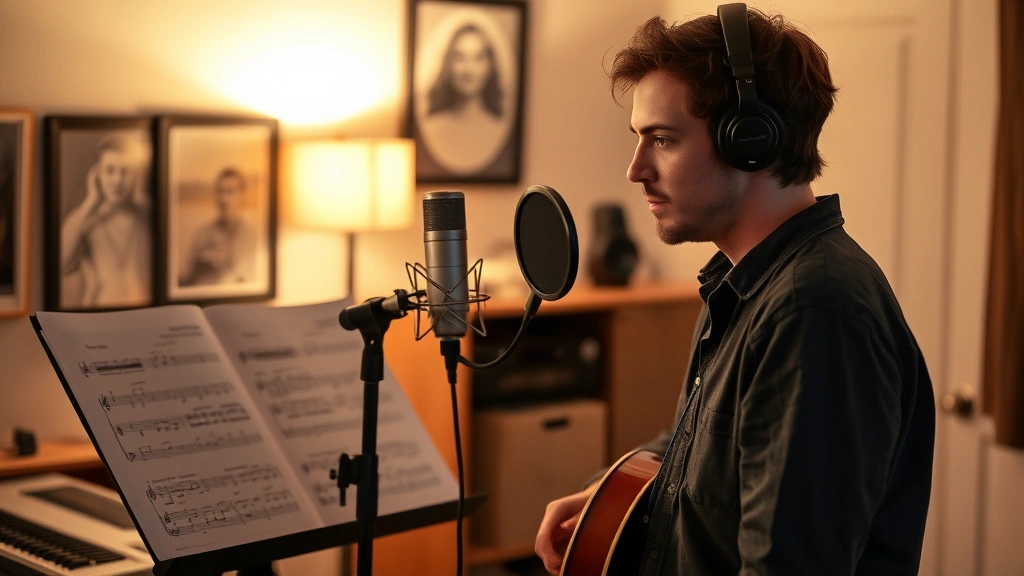
Learning the words to “How Far I’ll Go” from Disney’s Moana is one of those bucket-list moments for singers. Whether you’re a shower singer or someone serious about nailing this anthem, the truth is: most people stumble on the same spots. The rapid-fire verses trip people up. The key changes feel impossible. And honestly? The emotional weight of the song makes it harder than it looks on the surface.
Here’s the real talk: you don’t need perfect pitch or years of training to sing this song well. You need a solid method, patience with the tricky sections, and understanding of how Moana’s character drives the lyrics. That’s what this guide covers.
Understanding the Song Structure
“How Far I’ll Go” isn’t just a song—it’s a character arc set to music. Understanding that changes everything about how you approach the words to “How Far I’ll Go.” The song is structured like a conversation between Moana and herself, with moments of doubt layered under determination.
The song breaks into these sections:
- Intro/Verse 1: Moana questioning her path (introspective, conversational)
- Pre-Chorus: Building tension and resolve
- Chorus: The declaration—this is where power matters
- Verse 2: Faster, more confident, showing growth
- Bridge: The emotional climax (often the trickiest part)
- Final Chorus: Full commitment, no hesitation
Think of the structure like a conversation. The first verse is you talking to yourself in the mirror. The chorus is you telling the world. By the final chorus, you’re not asking permission—you’re declaring it.
Pro Tip: Watch the movie scene while reading the lyrics. Seriously. Lin-Manuel Miranda wrote this song with Moana’s facial expressions in mind. Her doubt, her courage, her vulnerability—it’s all in there. When you understand the emotional journey, the words land differently.
The key is in E minor, which gives the song that slightly melancholic but determined feel. It’s not a happy song—it’s a brave song. That distinction matters when you’re singing it.
Breaking Down the Lyrics: Words to “How Far I’ll Go”
Let’s get into the actual words to “How Far I’ll Go” section by section. I’m going to give you the lyrics with context because context is everything.
Verse 1:
“I’ve been staring at the edge of the water
Long as I can remember, never really knowing why
I wish I could be the perfect daughter
But I come back to the shore, every night something calls and no one knows how far it goes”
This verse is vulnerable. Moana’s admitting she doesn’t fit the mold. The pacing here is deliberate—not rushed. You’re speaking from a place of confusion and longing. The words to “How Far I’ll Go” here are about internal conflict, not external action.
The rhythm is conversational. You’re not belting. You’re confessing.
Pre-Chorus:
“If I go, there’s just no telling how far I’ll go
I don’t know what I’m capable of”
Here’s where the tempo picks up slightly. You’re starting to consider the possibility. The uncertainty is still there, but it’s shifting toward possibility. Notice “I don’t know what I’m capable of”—this is the hook that makes people remember the song.
Chorus:
“I am Moana
I will go across the sea
And find Maui in the wide world
He will make me whole
I am Moana
You’ll know who I am”
This is the power moment. The words to “How Far I’ll Go” shift from questions to declarations. “I am Moana” isn’t a question—it’s a statement. This is where your vocal power comes in. The chorus sits higher in the range, which is why many singers struggle here (we’ll address that).
Verse 2:
“I’ve been here my whole life
Can’t remember what I’m looking for
Remember me out on that ocean
So I’m sticking with this plan and sailing with a crew I’ll command
At the break of dawn I’ll send my love along the way across the sea”
Verse 2 is faster, more confident. You’ve moved from “I wish” to “I’m doing this.” The words to “How Far I’ll Go” here show character development in real-time. This verse requires better breath control because the phrases are longer and punchier.
Safety Note: Don’t force this verse just because it’s faster. Speed doesn’t equal power. Clarity comes first, speed comes second. Many singers sacrifice diction for tempo—don’t do that.
Bridge:
“Well I am everything I’ve learned and more
Still it calls me out and more
Out to the open ocean”
The bridge is where emotion peaks. It’s stripped down—less production, more vulnerability. This is the moment before the final push. The words to “How Far I’ll Go” become almost meditative here. You’re not proving anything to anyone. You’re speaking truth.
Vocal Technique for This Anthem
Here’s what separates singers who nail “How Far I’ll Go” from singers who just get through it: understanding where your voice naturally sits and not fighting against it.
The song spans about an octave and a half. For most singers, the chorus sits in an uncomfortable middle zone—not your chest voice, not your head voice. It’s that bridge area. Fighting it creates tension. Working with it creates power.
Breath Support is Everything
This song demands consistent breath support, especially in Verse 2. Think of your diaphragm like the engine of a car. You’re not forcing air—you’re controlling the release of air. According to voice training standards, proper breath support prevents vocal strain and allows sustained power.
Here’s the practical approach:
- Take a full breath before Verse 1 (you have time)
- Use about 70% of that breath for the first line
- Breathe after “every night something calls”
- Don’t wait until you’re gasping to breathe again
The Chorus Sits High—Here’s How to Handle It
“I am Moana” starts higher than most of Verse 1. Many singers either crack here or strain. The solution? Think of it as a connected line, not a jump. Your voice should glide up, not leap.
Practice this: Sing “I am Moana” on a single note first. Get comfortable with that pitch. Then, add the melody. Your voice should feel like it’s floating, not climbing a ladder.
Diction Matters More Than You Think
“I will go across the sea” has rapid consonants. If you blur them, the words become mushy. Crisp diction makes the song land harder. Especially in Verse 2, where the rhythm is tight, clear consonants keep everything in pocket.
Practice the words to “How Far I’ll Go” slowly, exaggerating your consonants. Then speed it up while maintaining that clarity. It’s the difference between sounding like a singer and sounding like Moana.
Pro Tip: Record yourself on your phone. Listen back. You’ll hear things—rushed words, unclear consonants, places where tension creeps in—that you can’t hear while singing. This is the fastest way to improve.
The Practice Method That Works
Here’s the method that actually produces results, not just repetition:
Day 1-2: Learn the Melody Without Words
Sing the entire song on “la” or “ah.” This forces you to focus on pitch and phrasing without worrying about lyrics. You’ll discover where your voice naturally wants to go. This takes about 30 minutes spread across two days.
Day 3-4: Learn the Lyrics in Sections
Don’t learn the whole song at once. Break it into chunks:
- Verse 1 (one day)
- Pre-Chorus + Chorus (one day)
- Verse 2 (one day)
- Bridge + Final Chorus (one day)
Spend 15 minutes per section. Speak the words first without melody. Get comfortable with the rhythm of the language. Then add the melody.
Day 5-7: Connect the Sections
Now sing the full song, but stop and repeat any section that feels shaky. Don’t just push through. Repetition with intention beats mindless repetition.
Week 2: Performance Polish
Now that you know the words to “How Far I’ll Go” and the melody, focus on emotion and dynamics. This is where the song comes alive.
According to performance training experts, the difference between technical accuracy and genuine performance is emotional intention. Sing Verse 1 with vulnerability. Sing the chorus with power. Sing the bridge with raw honesty.
The song won’t feel right until you’re not thinking about the mechanics anymore. You’re thinking about what Moana is feeling.
Common Mistakes (and How to Fix Them)
Mistake #1: Rushing Verse 2
Verse 2 is faster, so singers often panic and race through it. This makes diction suffer and you sound breathless. Solution: Practice Verse 2 at 75% of full speed first. Get comfortable with the rhythm. Then speed it up to full tempo. The words should still be clear at full speed.
Mistake #2: Singing the Chorus Too Loud, Too Soon
The chorus is the power moment, but if you’re already at full volume in Verse 1, you have nowhere to go. Think of dynamic range like a volume dial. Start at 4 or 5 in Verse 1. Build to 7 in the pre-chorus. Hit 9 in the chorus. This creates actual drama.
Mistake #3: Not Breathing Strategically
Many singers hold their breath during the words to “How Far I’ll Go” trying to make phrases longer. This creates tension and sounds strained. Breathe where it makes musical sense, not where you’re forced to.
“I’ve been staring at the edge of the water” [breath] “Long as I can remember, never really knowing why” [breath]. That’s two natural phrases. Respect them.
Mistake #4: Losing the Story
Singers sometimes get so focused on hitting notes that they forget they’re telling a story. Moana goes from uncertain to determined. If your performance doesn’t show that journey, the song falls flat. Your voice should sound different in Verse 2 than in Verse 1. More confident. More committed.
Mistake #5: Ignoring the Bridge
The bridge is where many singers either rush or oversing. It’s actually the most vulnerable moment in the song. “Well I am everything I’ve learned and more” should feel like a realization, not a declaration. Pull back vocally. Let the words do the work.
Performance Tips for Confidence
Knowing the words to “How Far I’ll Go” and being able to sing it in your bedroom are two different things. Here’s how to translate that into actual performance confidence.
Tip 1: Memorize Completely
Don’t just know the lyrics—own them. When you’re not thinking about what comes next, you can focus on emotion. Memorization isn’t busywork. It’s freedom.
Test yourself: Can you sing the entire song without thinking? Can you sing it while doing something else? If yes, you’re truly memorized.
Tip 2: Connect With the Character
Watch the movie scene multiple times. Not to copy Moana’s performance, but to understand her emotional journey. What does she want? What scares her? What does she discover about herself? When you understand the character, the song becomes less about hitting notes and more about expressing a truth.
Tip 3: Practice in Different Environments
Your bathroom sounds different than a living room. A stage sounds different than both. Practice in different spaces so your voice adapts. This prevents the shock of singing in an unfamiliar acoustic environment.
Tip 4: Record Yourself Regularly
Listen back critically. Where do you rush? Where do you drag? Where does your voice sound strained? Recording is honest feedback your ears can’t give you while you’re singing.
Tip 5: Warm Up Properly
Before singing the full song, warm up your voice with scales or gentle sirens. This prevents vocal strain and gets your voice ready for the demands of the song. Think of it like stretching before a workout—it’s not optional.
Pro Tip: If you’re performing this song, add a 5-minute vocal warmup before you go on. Even if you’re just singing for friends, a quick warmup prevents cracking and keeps your voice fresh.
According to performance psychology research, confidence comes from preparation. The more you practice, the more confident you become. There’s no shortcut here—just consistent, intentional work.
Tip 6: Embrace the Vulnerability
This song is powerful because Moana is vulnerable. She’s not pretending to be confident—she’s becoming confident through the song. Your performance should show that journey. Let the audience see the doubt in Verse 1. Let them feel the determination in the chorus. That’s what makes the song resonate.
Frequently Asked Questions
What’s the best key to sing “How Far I’ll Go” in if the original is too high?
– The original is in E minor. If that’s too high, try D minor or C minor. Lower it by 2-3 semitones and you’ll still capture the song’s character. Use a capo or a transposition app to find your perfect key. The goal is to sing it comfortably while maintaining the emotional power. Don’t sacrifice comfort for the original key.
How long does it usually take to learn this song?
– If you practice 15-20 minutes daily, you can learn the basics in 1-2 weeks. However, truly owning the song—understanding the character, nailing the dynamics, performing it confidently—takes 3-4 weeks. This isn’t a “quick learn” song, and that’s okay. The depth is part of what makes it special.
I keep cracking on “I am Moana.” What’s wrong?
– You’re likely pushing too hard or jumping to the note instead of gliding to it. Practice this phrase on a single note first to get comfortable with the pitch. Then add the melody slowly. Also check your breath support—if you’re not breathing from your diaphragm, tension creeps into your throat. That tension causes cracks.
Can I sing this song if I have a lower voice?
– Absolutely. Transpose it down to a key that’s comfortable for your range. The song works in any key. The character and emotion are what matter, not hitting the exact original pitches. Some of the best versions of this song are in different keys because the singer owned it in their own range.
What if I forget the words during a performance?
– If you truly memorize the song (not just know it), this is unlikely. But if it happens, pause briefly, take a breath, and continue. The audience is rooting for you. A brief pause is better than mumbling through words you’re unsure of. That said, the best prevention is thorough memorization and practice.
Should I try to sound exactly like the recording?
– No. Use the recording as a reference for melody and phrasing, but your performance should be yours. Your voice is different. Your interpretation should reflect that. The best performances honor the original while bringing something personal to the song. That’s what makes a performance memorable.
Is there a way to make the song sound more powerful?
– Yes. Use dynamic range (quiet to loud), emphasize key words, control your breath support, and most importantly, connect emotionally with the lyrics. A technically perfect but emotionally empty performance will never sound as powerful as a technically solid performance with genuine emotion behind it. The power comes from meaning, not volume.

Learning the words to “How Far I’ll Go” is about more than memorization. It’s about understanding a character’s journey and making that journey yours. Follow this guide, practice consistently, and you’ll nail this song. The real magic happens when you stop thinking about the mechanics and start feeling the story.
Now get out there and show the world how far you’ll go.


