

Learning how to draw the Sugar Act is a fantastic way to understand one of America’s most pivotal historical moments through visual storytelling. Whether you’re a student tackling history class or an artist interested in colonial American imagery, this guide breaks down the process into manageable, creative steps that’ll have you sketching like a pro in no time.
Table of Contents
Understanding the Sugar Act
Before you put pencil to paper, you need to understand what you’re drawing. The Sugar Act of 1764 was a British tax imposed on molasses, sugar, and other goods imported into the American colonies. It sparked massive colonial resistance and became a symbol of unfair taxation without representation. When you’re learning how to draw the Sugar Act, you’re essentially creating a visual representation of this economic and political conflict.
Think of your drawing as a storytelling tool. The Sugar Act represents the tension between colonial merchants, British tax collectors, and everyday citizens who felt exploited. Your illustration should capture this tension—whether through symbolic imagery, historical figures, or colonial-era commerce scenes. This historical context will inform your artistic choices and make your drawing more meaningful and authentic.
Gathering Your Materials
You don’t need fancy supplies to create a compelling historical drawing. Start with quality basics: a set of graphite pencils (ranging from 2H to 6B for varied line weights), a good eraser, blending stumps for shading, and smooth drawing paper. A ruler helps with perspective and architectural elements if you’re including colonial buildings or ships.
If you want to add color, colored pencils or watercolors work beautifully for historical illustrations. Keep a reference image nearby—look up colonial American ports, tax documents from the era, or period clothing. Having these visual references prevents anachronistic mistakes and adds authenticity to your work. Consider keeping a sketchbook handy to practice individual elements before committing them to your final piece.
Basic Composition and Layout
Start with a light pencil sketch to establish your composition. Decide on your focal point—will it be a colonial merchant, a tax collector, a ship loaded with molasses, or an abstract representation of the conflict? Sketch basic shapes and proportions lightly before adding detail. Use the rule of thirds to position your main elements for visual balance.
Your composition should guide the viewer’s eye through a story. If you’re drawing a merchant scene, place the merchant prominently, with tax documents or scales nearby. If you’re illustrating colonial resistance, show figures in discussion or protest. Spend time on this foundational stage—a strong composition makes the entire drawing stronger. Don’t be afraid to sketch multiple layouts before choosing your favorite.
Drawing Colonial Elements
Colonial-era details bring authenticity to your Sugar Act illustration. Focus on period-appropriate clothing: long coats, breeches, tricorn hats, and bonnets for women. Study the silhouettes of colonial fashion—they’re quite different from modern dress. When drawing faces, keep proportions accurate but don’t stress about photorealism unless that’s your goal.
Include environmental details that place your drawing firmly in the 1760s. Wooden barrels, merchant ships with period-accurate rigging, colonial architecture with shutters and chimneys, and hand-written documents all strengthen your historical narrative. If you’re including a harbor scene, research colonial port layouts. These specific details demonstrate your understanding of the era and elevate your drawing from generic to genuinely educational. You might also reference our guide on how to make a candy apple if you’re exploring colonial trade goods and commerce visually.
Adding Historical Symbols
Symbolism makes your drawing resonate on multiple levels. Consider incorporating visual metaphors: scales representing the imbalance of taxation, broken chains for resistance, or colonial flags. Tax documents with visible amounts or the British royal seal add authenticity. If you’re showing a merchant, include barrels labeled with goods—molasses, sugar, and other taxed items.
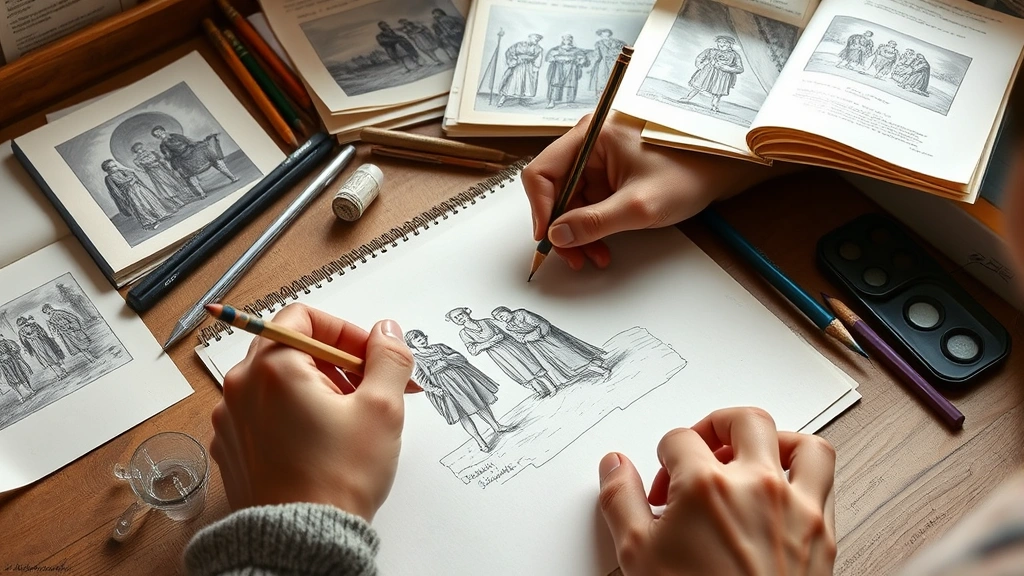
You might also include subtle symbols of protest: clenched fists, determined expressions, or crossed-out tax documents. The Liberty Tree, a symbol of colonial resistance, appears in many historical illustrations from this period. These symbolic elements don’t need to be heavy-handed—they work best when they feel organic to your composition. They give viewers multiple entry points to understand the historical significance of what they’re seeing.
Shading and Creating Depth
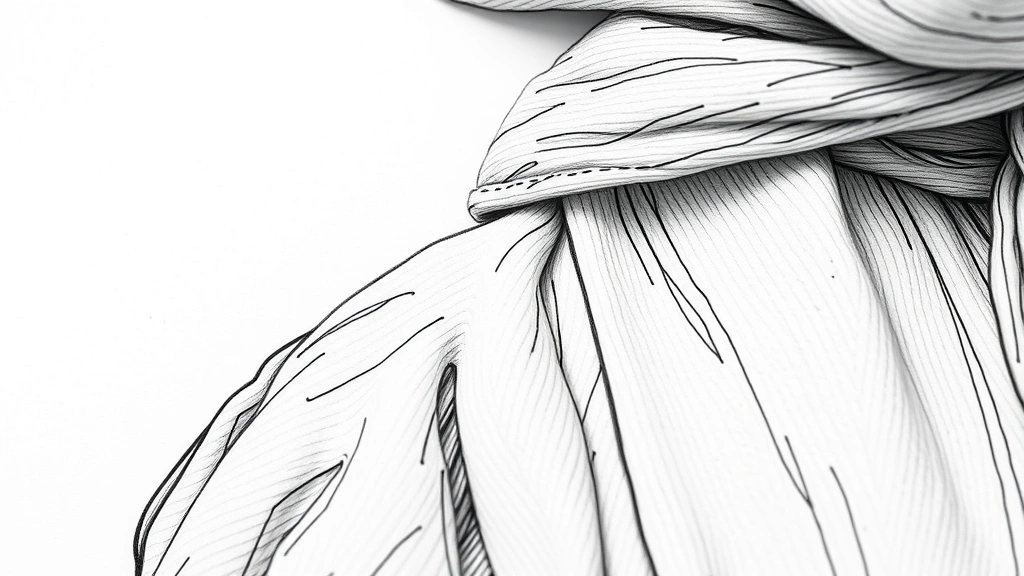
Once your line work is solid, build depth through shading. Use your pencils strategically—darker values for shadows, lighter values for highlights. This creates dimension and makes your drawing pop off the page. Pay special attention to fabric folds in clothing and the texture of wood on barrels or ships.
Establish a light source and remain consistent throughout. If light comes from the upper left, shadows fall consistently to the lower right. Blend your shading smoothly using blending stumps or tissue for a professional finish. Don’t overwork areas—sometimes leaving some white paper showing creates more visual impact than filling every space. Shading brings emotional weight to your piece; darker areas can emphasize conflict, while lighter areas suggest hope or clarity.
Final Touches and Details
The final stage separates good drawings from great ones. Add fine details: texture on wood surfaces, individual threads in fabric, fine lines in facial features. Use a sharp pencil for these details. If you’re adding text—like “Sugar Act 1764” or a quote about taxation—integrate it carefully so it doesn’t overwhelm the image.
Step back frequently to assess the overall balance. Sometimes less is more; you don’t need to render every detail photo-realistically. Selective detail (sharp focus on important elements, softer treatment of background) guides viewer attention. If you’re using color, apply it thoughtfully—historically accurate colonial colors (muted earth tones, indigo blues, deep reds) enhance authenticity. Consider our article on how to take out acrylic paint from clothes if you’re working with paints and want to avoid permanent mistakes!
Common Mistakes to Avoid
Many beginning historical artists make predictable errors. First, avoid anachronisms—don’t include modern elements like eyeglasses with modern frames or contemporary hairstyles. Research thoroughly before drawing. Second, don’t neglect proportions in your rush to add details. A well-proportioned figure with minimal detail beats a detailed figure with wonky anatomy.
Third, resist the urge to make everything equally detailed. This creates visual chaos. Instead, focus sharp detail on your focal point and soften detail in background areas. Fourth, don’t ignore composition in favor of historical accuracy. A historically perfect drawing with poor composition fails as art. Finally, avoid using only black for shadows—add complementary colors or varied grays for richer, more natural-looking shadows. Take your time; rushing through any stage compromises the final result.
Frequently Asked Questions
What’s the easiest way to start drawing the Sugar Act?
Begin with a simple scene: a colonial merchant with barrels of molasses and a tax collector presenting documents. This straightforward composition tells the story clearly without requiring complex perspective or multiple figures. Build from this simple foundation as your confidence grows.
Do I need to be historically accurate in every detail?
Accuracy matters for educational drawings, but artistic interpretation is valid too. If you’re creating this for a history class, aim for period-appropriate details. If it’s purely artistic, you have more freedom. Either way, avoid glaring anachronisms that break the historical mood.
How long does it typically take to draw the Sugar Act?
A detailed drawing takes 3-6 hours depending on complexity and your experience level. A simpler sketch might take 45 minutes to an hour. Don’t rush the process—good drawings develop through careful stages rather than hurried execution.
Should I include text in my drawing?
Text can enhance your drawing if integrated thoughtfully. A date, quote, or simple label adds context without overwhelming the image. Keep text minimal and use period-appropriate fonts if possible. Ensure it complements rather than competes with your artwork.
What if I’m not confident drawing people?
Focus on objects and scenes instead. Draw a colonial harbor with ships and docks, a merchant’s warehouse with barrels and documents, or symbolic imagery like scales and chains. These elements tell the Sugar Act story without requiring figure drawing skills.
Can I use references while drawing?
Absolutely! Using references is professional practice, not cheating. Study colonial clothing, architecture, and ships online. Reference images help you understand proportions and details accurately. The key is using references to inform your drawing, not tracing directly.
Wrapping Up Your Sugar Act Drawing
Learning how to draw the Sugar Act combines historical understanding with artistic skill. You’re not just creating a picture—you’re visualizing an important moment that shaped American independence. Start with solid composition, add period-appropriate details, use shading to create depth, and refine with careful finishing touches.
Remember that your first attempt won’t be perfect, and that’s completely fine. Each drawing teaches you something new about historical illustration and your own artistic voice. Keep practicing, study the era thoroughly, and let your growing understanding inform your art. Whether you’re creating this for educational purposes or personal interest, the process of drawing the Sugar Act deepens your appreciation for colonial American history. Now grab your pencils and start sketching—history is waiting to be illustrated!
For more creative projects, check out our guide on how to make a caramel macchiato if you need caffeine inspiration while you work, or explore how to wash grapes for healthy snacking during your drawing sessions.


