
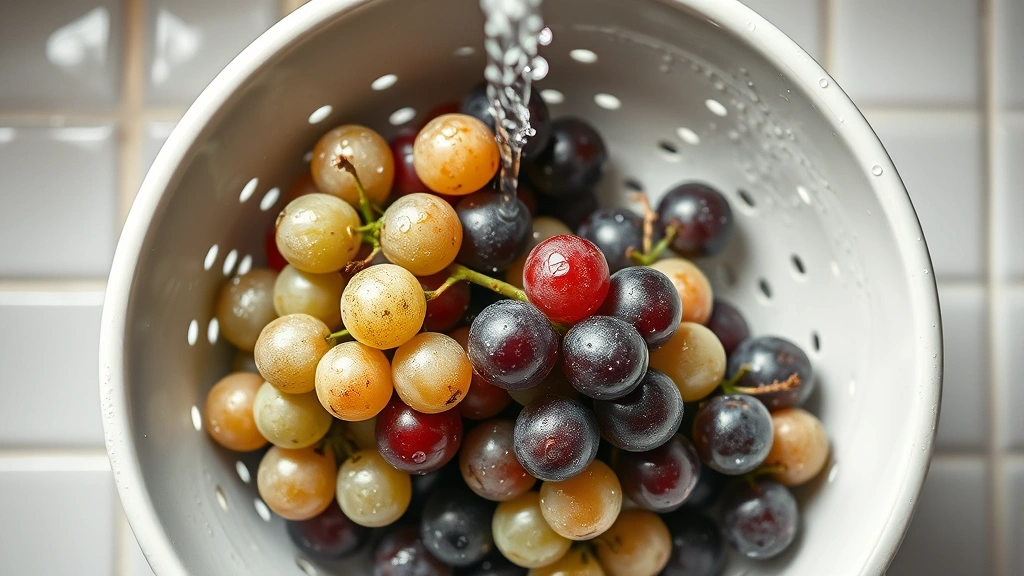
Learning how to wash grapes properly is one of those simple kitchen skills that makes a real difference in food safety and taste. Whether you’re prepping a snack for the kids or getting fruit ready for a dinner party, removing pesticide residue, dirt, and bacteria from grapes takes just a few minutes and some basic household items. Let me walk you through the best techniques I’ve picked up over years of handling fresh produce.
Table of Contents
Why Washing Grapes Matters
Before diving into the methods for how to wash grapes, it’s worth understanding why this step matters. Grapes spend time in the field exposed to soil, insects, and potential pesticide treatments. Even organic grapes can carry bacteria like E. coli from handling and transport. The skin of a grape is thin and porous, making it vulnerable to contamination. A quick wash removes most surface contaminants and gives you peace of mind when you bite into them. I always tell people: it takes 60 seconds and eliminates most of the risk.
Cold Water Rinse Method
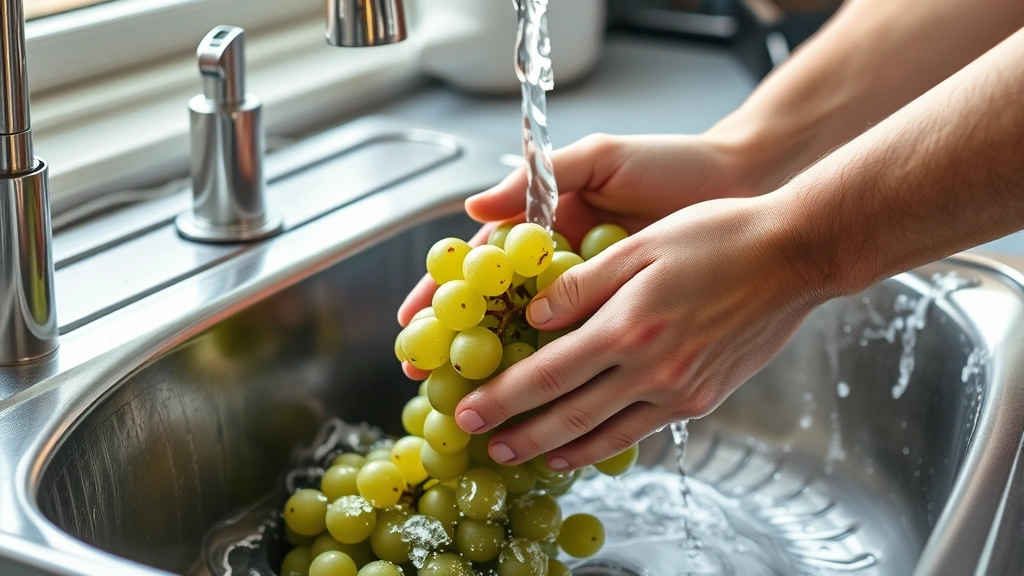
The simplest approach to cleaning grapes is the cold water rinse—no special ingredients needed. Place your grapes in a colander and hold them under cool running water. Use your fingers to gently rub the grapes while the water flows through. This friction helps dislodge dirt and loose debris. Spend about 30 seconds on this, making sure water reaches all sides. The beauty of this method is its speed and effectiveness for everyday use. I use this technique at least four times a week when grapes are in season, and it handles 80% of what needs to come off.
Vinegar and Water Soak
For a deeper clean, try the vinegar and water method. Mix one part white vinegar with three parts water in a bowl or large container. Submerge your grapes for about 5-10 minutes, then gently swish them around with your hand. Vinegar’s acidity helps break down residue and kills some bacteria. After soaking, rinse thoroughly under cold water to remove the vinegar smell and taste. This approach works particularly well if you’ve bought grapes from a farmers market where you’re unsure about handling practices. The vinegar smell fades quickly once you rinse, and you’re left with genuinely clean fruit.
Baking Soda Cleaning
Baking soda is a powerhouse for produce cleaning. Dissolve one teaspoon of baking soda in two cups of water, creating a mild alkaline solution. Soak your grapes for 12-15 minutes in this mixture. The baking soda helps neutralize pesticide residues and removes bacteria more effectively than water alone. According to research from the University of Massachusetts, baking soda outperforms commercial produce washes for removing certain pesticides. After soaking, rinse under cold running water until you don’t smell or taste any baking soda. This method takes longer than others but delivers superior results if you’re concerned about chemical residue.
Salt Water Technique
Salt water creates an osmotic environment that pulls contaminants from the grape skin. Dissolve one tablespoon of salt in two cups of water and soak your grapes for 5 minutes. The salt doesn’t penetrate the fruit itself but works on the surface layer. Gently rub the grapes while they’re in the solution, then rinse thoroughly with cold water. This method is particularly effective for removing stubborn dirt and works faster than the vinegar method. I find it especially useful when grapes look dusty or have visible soil specks—the salt really cuts through grime.
Commercial Produce Wash
If you prefer a ready-made solution, commercial produce washes are available at most grocery stores. Follow the product instructions carefully, as concentrations vary. These washes are formulated specifically to remove pesticides and bacteria without damaging delicate fruit skin. They’re convenient for bulk washing and generally safe when used as directed. However, they cost more than household alternatives and aren’t necessarily more effective than baking soda or vinegar for home use. I keep a bottle on hand for entertaining when I’m washing large quantities, but for daily use, the DIY methods work just fine.
Drying Your Grapes
After washing, proper drying prevents mold and extends shelf life. Pat your grapes dry with a clean paper towel or soft cloth, working gently to avoid bruising. You can also spread them on a clean kitchen towel and let them air-dry for 10-15 minutes. Moisture left on the skin creates an environment where mold spores can grow. I typically use paper towels because they’re disposable and prevent cross-contamination. Make sure they’re completely dry before storing—this single step adds 2-3 days to their freshness.
Storage After Washing
Store your washed and dried grapes in the refrigerator in a breathable container or perforated plastic bag. The cold slows bacterial growth and keeps them crisp. Don’t store them in airtight containers, as trapped moisture encourages mold. Grapes keep 5-7 days in the fridge after washing, sometimes longer if you skip washing until you’re ready to eat them. For longer storage, some people freeze grapes after washing and drying—they make excellent frozen snacks and work well in smoothies. The freezing process doesn’t affect their nutritional value, though the texture changes from crisp to soft once thawed.
Frequently Asked Questions
Can I wash grapes the night before eating them?
Yes, but they’ll keep fresher if you wash them just before eating or within a few hours. If you must wash ahead, dry them thoroughly and store in a breathable container. Moisture and time are the enemies of grape freshness, so minimize both when possible.
Do I need to wash organic grapes?
Absolutely. Organic grapes aren’t exempt from bacteria or dirt. They may have fewer synthetic pesticides, but they still need washing for food safety. The washing process removes bacteria like E. coli that can come from soil contact or handling.
What’s the best method for washing large quantities?
For bulk washing, use the baking soda soak method or a commercial produce wash. These handle volume better than individual hand-rubbing. A large bowl or clean sink works well for soaking multiple bunches simultaneously.
Is it safe to use dish soap on grapes?
No—never use dish soap or any cleaning product not designed for food. Residue can remain on the fruit and is harmful if ingested. Stick to food-safe options like vinegar, baking soda, salt, or commercial produce washes.
Can washing remove all pesticides?
Washing removes most surface residue, but some pesticides are systemic and absorbed into the plant. A thorough wash removes 70-80% of surface pesticides. If pesticide exposure is a major concern, consider buying organic or growing your own grapes.
How do I know if grapes are clean?
Clean grapes should have no visible dirt, feel smooth to the touch, and smell fresh. If you see dust or soil specks, they need another rinse. Trust your eyes and hands—they’re your best indicators.
Final Thoughts
Knowing how to wash grapes properly takes the guesswork out of fruit safety. Whether you choose the quick cold water rinse for daily snacking or the thorough baking soda soak for peace of mind, you’re adding an important step to your food prep routine. These methods are inexpensive, use common household items, and take minimal time. Start with whichever method appeals to you, then experiment to find your favorite. Your family’s health is worth those 60 seconds, and clean grapes simply taste better. For more practical household skills, check out our guides on how to change a watch battery and how to scan with iPhone—the same attention to detail applies to every task worth doing right.


