
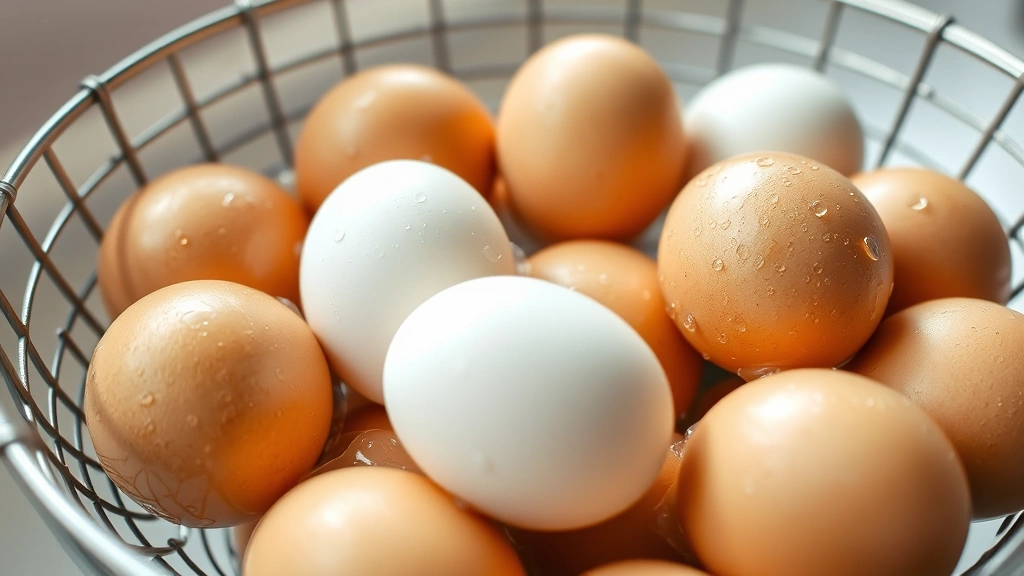
Learning how to wash eggs properly is one of those foundational skills that separates folks who just crack and cook from those who actually care about food safety and quality. Whether you’re collecting fresh eggs from your backyard chickens, buying farm-fresh eggs at the market, or dealing with store-bought eggs that somehow got dirty, knowing the right technique makes all the difference. It’s not complicated, but there are definitely some common mistakes that can actually damage your eggs or create food safety issues.
Table of Contents
Why You Should Wash Eggs
Here’s the thing—eggs come out of chickens covered in all kinds of stuff. Dirt, dust, feathers, and potentially bacteria like salmonella can hang out on that shell. The USDA actually recommends washing eggs before cooking them, especially if you’re dealing with visibly soiled eggs. Now, commercial eggs are already washed before they hit the store shelves, but farm-fresh and backyard eggs? They need your attention.
The protective bloom (that natural waxy coating) on fresh eggs does provide some barrier against bacteria, but it doesn’t mean you skip washing. You’re not trying to sterilize the egg—you’re just removing visible contamination and reducing the bacterial load. Think of it like washing your hands before cooking: you’re not eliminating every germ, just the obvious dirt and a good chunk of the bad stuff.
Water Temperature Matters Most
This is where most people mess up. You absolutely cannot use cold water to wash eggs. Cold water actually pushes bacteria INTO the egg through the pores in the shell. Sounds counterintuitive, right? But it’s real physics—temperature differences create pressure that forces contaminants inward.
Use warm water—between 90°F and 120°F is your sweet spot. Warmer than the egg itself works best. Some folks use water that’s slightly warmer than body temperature, and that’s perfect. If you’re washing a bunch of eggs, fill a bowl or basin with warm water rather than running them under the tap. This gives you better control and lets you work through your batch without the water cooling down too much.
Never, and I mean never, use hot water. Temperatures above 130°F can actually start cooking the outer part of the egg white and damage the shell’s integrity. You’re not trying to poach them—just clean them.
The Gentle Scrubbing Technique
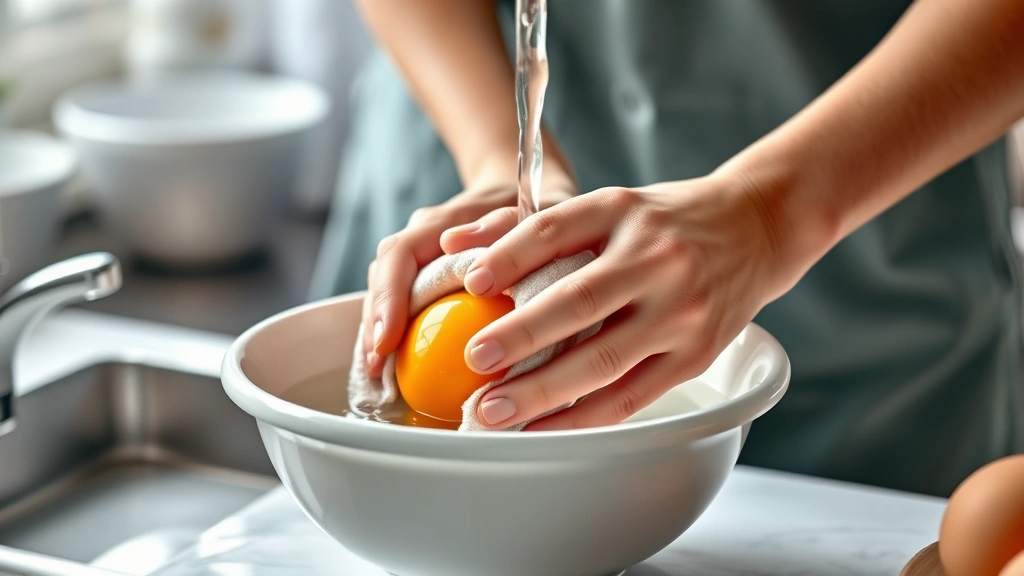
Once you’ve got your warm water ready, it’s time to actually clean. Use a soft cloth, soft brush, or even a clean sponge—nothing abrasive. I like using a microfiber cloth because it’s gentle but actually grabs the dirt effectively. Some people swear by soft vegetable brushes, which work great too.
Gently rub the egg under the warm water, working around the whole surface. You’re not trying to scrub hard—light, circular motions do the job. Spend maybe 10-15 seconds per egg if it’s really dirty, less if it’s just lightly soiled. The warm water and gentle friction will lift away the dirt and debris. If you’ve got stubborn spots, let the egg soak in the warm water for a minute or two first, then gently scrub again.
For really stubborn stuff like dried mud or poop (hey, it happens with backyard eggs), you might need a slightly firmer touch, but still stay gentle. You’re not trying to remove the shell—just the junk on top of it. If something won’t come off with gentle scrubbing, it’s probably fine to leave it. A little dirt won’t hurt you.
Drying Your Eggs Completely
Wet eggs are a breeding ground for bacteria. After washing, you need to dry them thoroughly. Don’t just leave them sitting in a colander getting air-dried while you go make coffee. That’s asking for trouble.
Use a clean cloth or paper towels and gently pat each egg dry. Make sure you get all the moisture off, including any water that pooled in the little dimple at the wider end. This matters because moisture trapped in that depression can invite bacterial growth. Once you’ve patted them dry with cloth or paper towels, set them on a clean surface and let them air-dry for another 5-10 minutes if you’ve got the time. This ensures any residual moisture evaporates.
Some folks lay them out on a clean kitchen towel in a single layer, which works perfectly. Just make sure whatever surface you use is clean and won’t transfer dirt back onto your freshly washed eggs.
Storage After Washing Eggs
Here’s something important: once you wash eggs, you’ve removed that protective bloom. This means they don’t last quite as long as unwashed eggs. Store your washed eggs in the refrigerator, not on the counter. Unwashed eggs can technically sit at room temperature longer, but washed eggs need cold storage.
Keep them in a carton or container where they won’t roll around and potentially crack. The fridge is your friend here. Washed eggs will stay good for 3-4 weeks in the refrigerator, which is still plenty of time for most households. Just make sure your fridge is at 40°F or below.
If you’re storing unwashed eggs from your backyard chickens, you can keep them on the counter in a cool spot for a couple weeks, then move them to the fridge if you’re not using them. But once they’re washed, straight to the fridge they go.
Common Washing Mistakes to Avoid
The biggest mistake people make is using cold water. I’ve hammered this point, but it’s worth repeating because it’s so common. Cold water = bacteria pushed into the egg. Don’t do it.
The second mistake is scrubbing too hard. Your eggs aren’t dirty dishes—they’re delicate. Aggressive scrubbing can damage the shell and actually create entry points for bacteria. Gentle is the way.
Third mistake: using soap or detergent. Your eggs aren’t greasy dishes. Soap residue can actually get into the egg through the pores, and you definitely don’t want to eat that. Warm water and gentle friction are all you need. This is similar to how you’d approach cleaning sensitive areas—you use the right temperature and gentle technique, not harsh chemicals.
Fourth mistake: washing eggs too far in advance. Wash them when you’re ready to use them, or at least within a day or two. The longer they sit after washing, the more the protective coating is compromised.
When NOT to Wash Eggs
Believe it or not, there are times you shouldn’t wash eggs. If you’ve got store-bought eggs that are already clean, you don’t need to wash them. The commercial washing already happened. You’re just introducing unnecessary moisture and removing the protective bloom.
If an egg is cracked, don’t wash it. Use it right away or throw it out. A cracked egg is a contamination highway, and washing won’t fix that problem. You want to cook it immediately or discard it.
And here’s something most people don’t know: if you’re planning to store eggs long-term (like weeks and weeks), don’t wash them beforehand. The unwashed protective bloom actually helps them last longer. Wash them right before you use them instead.
Special Situations and Problem Spots
Sometimes you get eggs with really stubborn stuff on them. Maybe a chicken sat on a muddy egg, or there’s dried poop that won’t budge with gentle scrubbing. In these cases, you can soak the egg in warm water for a few minutes to soften the debris, then try again with gentle scrubbing.
For eggs with writing on them (from a farm or farmer’s market), use warm water and gentle scrubbing—the writing usually comes off or fades, which is fine. If you need to label eggs yourself, use a pencil instead of a marker so you can wash it off later.
If you’ve got a whole batch of really dirty eggs, set up a little assembly line: warm water bath for soaking, warm water bath for gentle scrubbing, cloth for drying. This keeps your process efficient and the water stays warmer throughout.
Frequently Asked Questions
Can I wash eggs with vinegar or other solutions?
You don’t need anything fancy. Warm water is all you need. Some folks suggest vinegar solutions, but there’s no evidence they’re better than plain warm water and gentle scrubbing. Stick with what works: warm water, soft cloth, gentle technique.
How long can I keep washed eggs?
Once washed, eggs last about 3-4 weeks in the refrigerator at 40°F or below. Unwashed eggs can technically last longer, but washed eggs need cold storage because you’ve removed the protective bloom.
What if I accidentally used cold water?
Don’t panic. One wash with cold water isn’t going to ruin your eggs. Just know for next time that warm water is the way to go. If you’re concerned about food safety, cook them thoroughly.
Should I wash eggs from the grocery store?
Grocery store eggs are already washed commercially. You don’t need to wash them again unless they look visibly dirty, which is rare. Farm-fresh and backyard eggs are the ones that typically need washing.
Can I use a dishwasher to wash eggs?
No. Dishwashers get too hot and the water pressure can damage shells or force water into the egg. Hand washing with warm water is the only way to go.
What’s the best cloth to use?
Microfiber cloths, soft sponges, or soft vegetable brushes all work great. Avoid anything rough or abrasive. Clean cloth is important—you don’t want to transfer dirt from a dirty cloth onto your clean eggs.
The Bottom Line
Washing eggs properly isn’t rocket science, but getting the details right makes a real difference in food safety and egg quality. Warm water (not hot, not cold), gentle scrubbing with a soft cloth, and thorough drying are your three pillars. Remove the visible dirt, don’t damage the shell, and get them into the fridge promptly after washing.
Whether you’re raising your own backyard flock or buying farm-fresh from the market, these techniques will keep your eggs clean and safe. And if you’re dealing with store-bought eggs that are already clean, you can skip the whole process—they’re ready to cook. The key is understanding why each step matters, not just going through the motions. That’s what separates someone who just cracks eggs from someone who actually knows their way around the kitchen.


