
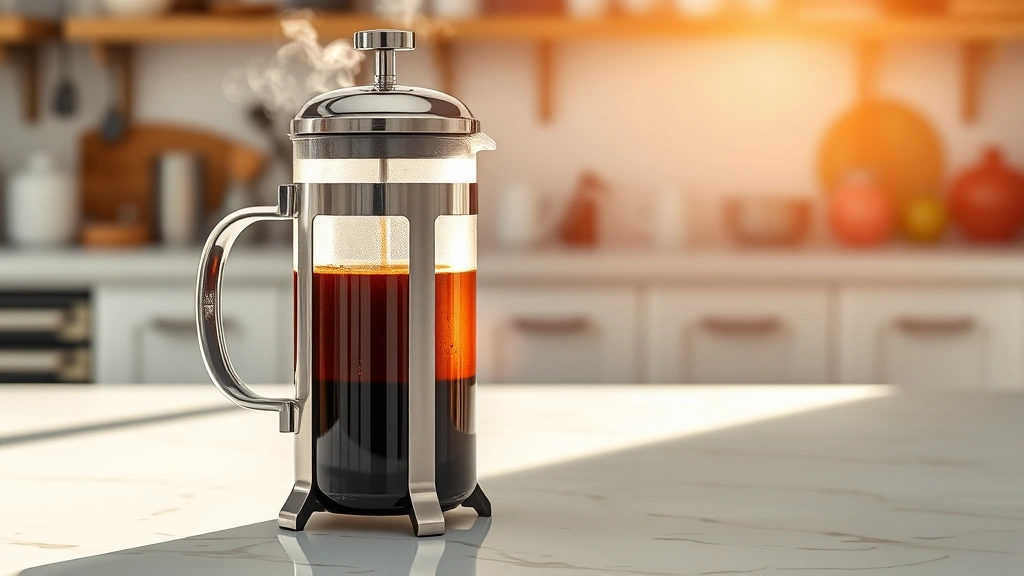
Learning how to use a french press coffee maker is one of those skills that separates the morning coffee drinker from the actual coffee enthusiast. If you’ve got one sitting on your counter and you’re not sure what to do with it, you’re missing out on some seriously smooth, full-bodied coffee that’ll make your regular drip machine jealous. This isn’t rocket science, but there’s definitely a right way and a wrong way to do it, and I’m here to walk you through the whole process like we’re hanging out in my workshop.
A French press—also called a cafetière or plunger pot—is beautifully simple. It’s just a glass or stainless steel cylinder with a metal filter attached to a plunger. You add coarse grounds, hot water, wait a few minutes, and push down. The metal mesh filter lets the coffee oils through (unlike paper filters), which is why the coffee tastes so rich and full. No electricity, no complicated parts, just you and your coffee. Let’s dive into the real details so you can nail this every single time.
Table of Contents
Grind Your Coffee Beans Right
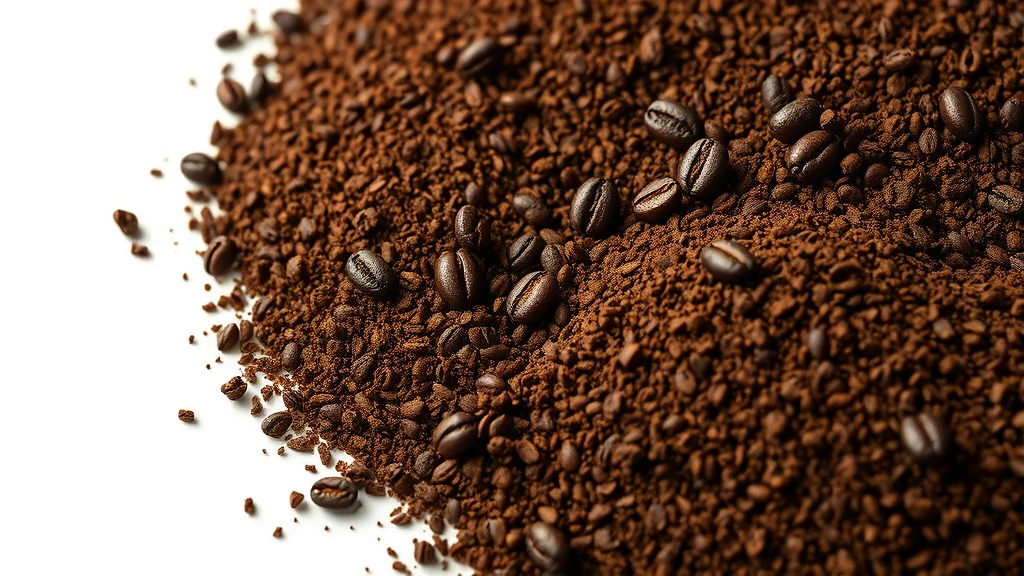
This is where most people mess up. You can’t use the same grind you’d use for your drip coffee maker. A French press needs coarse grounds—think sea salt texture, not powder. Why? Because those grounds are going to sit in hot water for several minutes, and if they’re too fine, they’ll slip through the metal mesh filter and you’ll end up with gritty sludge at the bottom of your cup. Nobody wants that.
If you’re buying pre-ground coffee, look for bags labeled “French press” or “coarse grind.” But honestly, if you can swing it, invest in a burr grinder and grind your beans fresh right before brewing. The difference is night and day. A burr grinder gives you consistent particle size, while a blade grinder is all over the place. Fresh grounds mean fresher flavor—it’s that simple. Grind just before you brew, and you’ll taste the difference immediately.
Measure the Coffee-to-Water Ratio
The golden ratio for a French press is about 1:15 (coffee to water by weight), but if you’re not weighing everything out, here’s the practical version: use about 1 tablespoon of coarse grounds per 4 ounces of water. For a standard 34-ounce French press, that’s roughly 8 tablespoons of coffee. Sounds like a lot? That’s because French press coffee is strong and bold—that’s the whole point.
If you like it weaker, dial it back to 1 tablespoon per 5 ounces of water. If you like it strong enough to stand a spoon in, go 1 tablespoon per 3 ounces. The beauty here is you can dial it in to your taste. Write down what works for you—I keep mine on a sticky note right next to the press. Once you nail your ratio, you’ll be consistent every single time.
Heat Your Water to the Sweet Spot
Water temperature matters more than people think. You want it between 195°F and 205°F (90°C to 96°C). Boiling water straight off the stove is actually too hot—it’ll over-extract the coffee and make it taste bitter and harsh. If you don’t have a thermometer (and let’s be real, most of us don’t), just let your boiled water sit for about 30 seconds before pouring. That’s usually enough to get it to the right temperature.
If you’re serious about this, grab an inexpensive kitchen thermometer or a gooseneck kettle with a built-in thermometer. They’re cheap and they take the guesswork out. Cold or lukewarm water won’t extract enough flavor, so don’t try to skip this step. The sweet spot temperature is what gets all those oils and flavors out of the grounds and into your cup.
Bloom the Grounds First
Before you fill the press all the way up, pour just enough hot water to wet all the grounds—about 1 ounce of water per 1 ounce of coffee. Let it sit for 30 to 45 seconds. This is called “blooming,” and it’s where the magic starts. The water releases CO2 from the fresh grounds and helps them open up so they can extract evenly. You’ll actually see it bubble up a little, which is cool.
This step separates people who make okay French press coffee from people who make great French press coffee. It takes less than a minute and makes a real difference in the final cup. Don’t skip it just because you’re in a hurry—those 30 seconds will pay dividends in flavor.
Steep and Wait Patiently
After the bloom, pour the rest of your hot water slowly, filling the press to about a half-inch below the top. Put the lid on (but don’t press down yet—just rest it on top), and set a timer for 4 minutes. This is the steeping time where all the extraction happens. The grounds are basically making tea at this point, pulling flavor into the water.
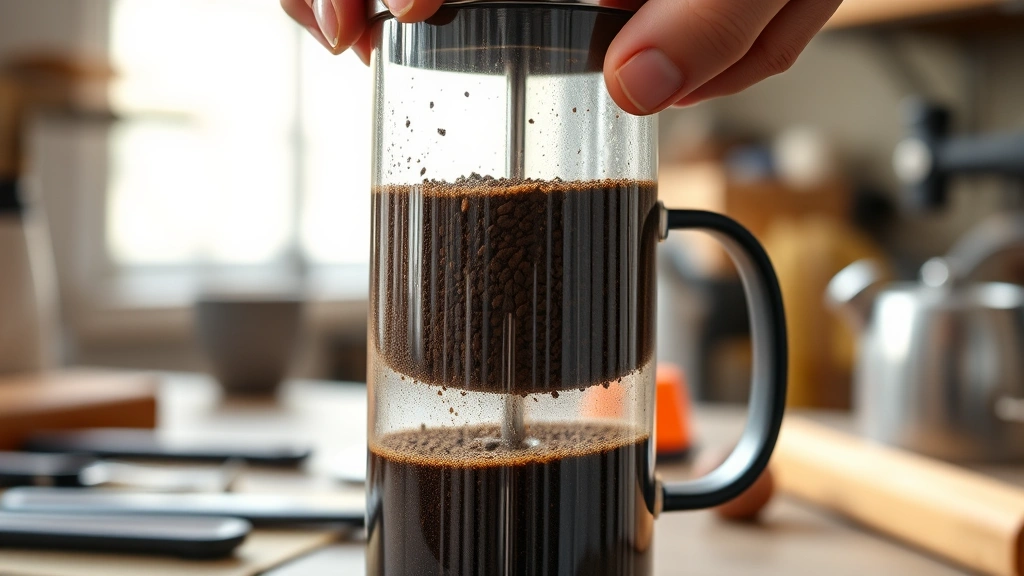
If you want a lighter cup, go 3 minutes. If you want something bold and heavy, push it to 4.5 minutes. Anything past 5 minutes and you’re risking over-extraction, which tastes like burnt rubber. Patience is key here—don’t mess with it, don’t stir, just let it do its thing. When your timer goes off, you’re ready to press.
Press Down with Control
Now comes the actual pressing part. Grab the handle of the plunger and press down slowly and steadily. It should take you about 20 to 30 seconds to push the plunger all the way to the bottom. Don’t rush this—you’re not trying to win a race. If you press too fast, you’ll get splatters and uneven extraction. Slow and steady wins the coffee game here.
You’ll feel some resistance as the mesh filter pushes the grounds down. That’s normal. Keep applying steady pressure until the plunger is all the way down and the grounds are compacted at the bottom. If the plunger is really hard to push, your grind is too fine—remember that for next time. Once you’re down, you’re done. The coffee is now separated from the grounds.
Pour and Serve Immediately
Here’s the thing: once you’ve pressed, the grounds are still sitting in the water. If you leave it there, the coffee keeps extracting and gets over-steeped and bitter. So pour your coffee into your cup right away—don’t wait around. If you’ve made more than you can drink, pour the extra into a thermal carafe or another container to stop the extraction process.
The first cup is always the best. The coffee is hot, the flavor is fresh, and you haven’t let it over-steep. If you’re making coffee for multiple people, pour everyone’s cup at the same time so everyone gets the same quality. This is also a good time to check if you need to clean stainless steel appliances if you’ve got a steel press—keeping it clean keeps it looking sharp.
Cleaning and Maintenance Matters
A French press is low-maintenance, but it does need proper cleaning. Right after you pour your coffee, dump the grounds into the trash or your compost bin. Rinse the press with hot water immediately—don’t let those grounds dry and crust up. Then fill it halfway with hot water, put the plunger back in, and push it down a few times to clean the mesh filter. This rinses out all the fine particles.
For a deeper clean, disassemble the plunger unit (most come apart pretty easily) and wash all the parts with warm soapy water. The mesh filter is where sediment likes to hide, so pay special attention there. Dry everything thoroughly before reassembling. If you’re really fastidious, you can soak the mesh filter in white vinegar for 15 minutes once a week to keep it pristine. A clean press makes better coffee—that’s just how it works.
Troubleshooting Common Issues
If your coffee tastes bitter and harsh, you either over-extracted (steeped too long or water was too hot) or your grind is too fine. Pull back on the steeping time to 3 minutes and make sure your water isn’t boiling when it hits the grounds. If it tastes weak and watery, you didn’t steep long enough or your grind is too coarse. Try 4.5 minutes next time and check your grind texture.
Sediment at the bottom of your cup means your grind is too fine or your mesh filter needs cleaning. Make sure you’re using a proper coarse grind and give that filter a thorough wash. If the plunger is hard to push down, your grind is definitely too fine—you need to go coarser. If it’s too easy and the plunger falls through, your grind is too coarse. It’s all about dialing in that grind texture.
Frequently Asked Questions
Can I use regular ground coffee in a French press?
You can, but you shouldn’t. Regular drip coffee grounds are too fine and will slip through the mesh filter, leaving you with sludgy, gritty coffee. Stick with coarse grounds specifically for French press, or grind your own beans coarsely. The difference in quality is worth the extra effort.
How long can I leave the coffee in the press after pressing?
Not long. Once you’ve pressed, the grounds are still extracting flavor (and bitterness). Pour your coffee within a minute or two. If you need to keep it warm, pour it into a thermal carafe immediately after pressing. Leaving it in the press more than 5 minutes will give you over-steeped, bitter coffee.
Is French press coffee bad for you because of the sediment?
The sediment is just fine grounds—it’s not harmful, just gritty. If you don’t like it, pour carefully and leave the last bit in the press, or use a finer mesh filter. Some people don’t mind it; others hate it. It’s a personal preference thing, not a health issue.
Can I make cold brew in a French press?
Absolutely. Use the same coarse grind and ratio, but use cold water and let it steep for 12 to 24 hours in the fridge. Then press and pour over ice. It’s smooth and less acidic than hot French press coffee. Some people swear by it for iced coffee.
What’s the difference between a French press and other coffee makers?
A French press uses immersion brewing (grounds soaking in water) with a metal mesh filter, so you get the full coffee oils and bold flavor. Drip makers use paper filters that catch oils, giving you a cleaner but lighter cup. Pour-overs are similar to drip but give you more control. Each method has its fans—French press is for people who want rich, full-bodied coffee.
How often should I replace the mesh filter?
If you take care of it, a mesh filter lasts years. Clean it thoroughly after each use and do a weekly vinegar soak. If it gets damaged, bent, or stops filtering properly, replacement filters are cheap and easy to find. Most presses have replaceable filter units.
Final Thoughts on French Press Mastery
Once you nail how to use a french press coffee maker, you’ll wonder why you ever bothered with anything else. It’s simple, it’s reliable, and it makes genuinely excellent coffee. The whole process takes maybe 6 minutes from start to finish, and most of that is just waiting. The key is consistency: same grind, same ratio, same temperature, same timing. Do that and you’ll make great coffee every single time.
Start with the basics—coarse grind, 1 tablespoon per 4 ounces of water, 195°F water, 4-minute steep, slow press. Once you’ve got that dialed in, experiment. Try different coffee beans, adjust the steep time, see what you like. Keep notes on what works. That’s how you go from just using a French press to actually mastering it. And honestly, there’s something satisfying about making coffee the old-school way, without electricity or complicated machinery. It’s just you, hot water, coffee, and a little bit of patience. That’s all you need.
If you’re serious about your kitchen setup, you might also want to check out how to install garbage disposal for your kitchen, or learn about how to remove battery corrosion from your kitchen gadgets. And for keeping your press looking pristine, knowing how to keep apples from browning might help you understand oxidation in general—though that’s more about food than equipment. The point is, a well-maintained kitchen and good technique make all the difference.
Now go make yourself a cup of proper French press coffee. You’ve earned it.


