
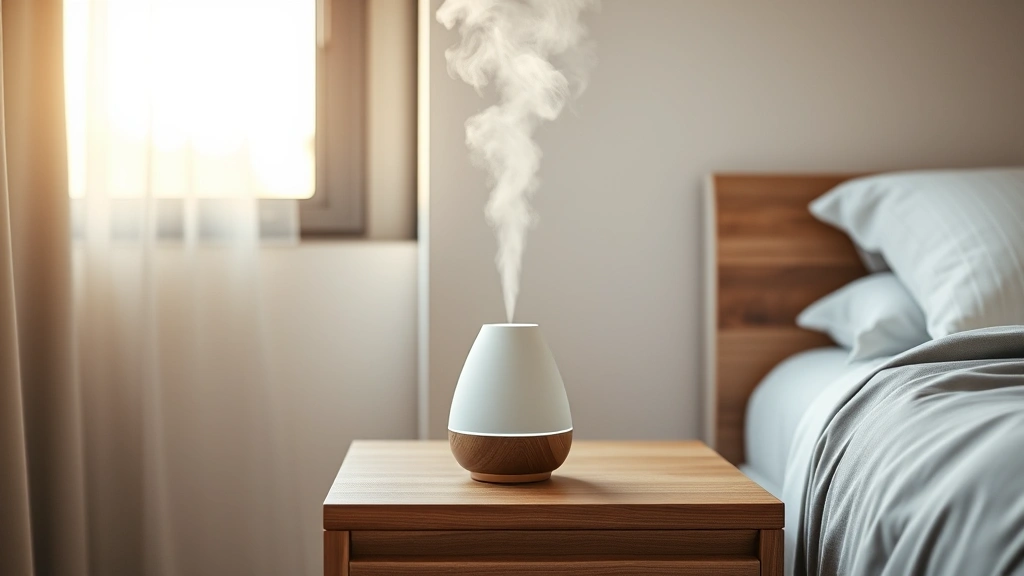
Learning how to use a diffuser is one of the easiest ways to transform your space with aromatherapy, and honestly, it’s way simpler than most people think. Whether you’re dealing with a ultrasonic diffuser, nebulizing diffuser, or a basic evaporative model, the fundamentals are straightforward—and I’m going to walk you through everything you need to know to get started like a pro.
What Exactly Is a Diffuser and Why Should You Care?
A diffuser is basically a device that takes essential oils and disperses them into the air as a fine mist or vapor. Think of it as an aromatherapy delivery system. Unlike candles that burn oils (and create soot), or plug-in air fresheners that just mask odors, a quality diffuser actually breaks down essential oils into microscopic particles that your nose can detect from across the room. The beauty of this approach is that you get therapeutic benefits—better sleep, improved focus, reduced stress—without any of the mess or chemical residue.
There are several types of diffusers on the market, and each one works a little differently. Understanding the type you own is the first step to using it correctly and getting the most bang for your buck.
Types of Diffusers: Know Your Equipment
Before you dive into operation, let’s talk about the main categories you’ll encounter. Ultrasonic diffusers use vibrations to create a cool mist—they’re quiet, affordable, and great for beginners. Nebulizing diffusers use pressurized air to atomize oils without water, making them more potent but pricier. Evaporative diffusers rely on a fan to blow air through a pad soaked with oil—simple but less effective over time. Heat diffusers warm the oils to release their scent, though this can degrade some therapeutic compounds. Most people start with ultrasonic because they’re reliable and user-friendly.
Gathering Your Materials: What You’ll Actually Need
Here’s the honest truth: you don’t need much. Grab your diffuser unit, distilled water (tap water can leave mineral deposits), and high-quality essential oils. That’s it. Some folks get fancy with glass droppers or measuring spoons, but you can absolutely start without those. A small towel or cloth is handy for wiping spills. If you’re setting up a diffuser in your bedroom, you might want a timer-enabled model so it shuts off automatically—no need to remember at 3 AM.
Pro tip: source your essential oils from reputable suppliers. Cheap oils from unknown brands often contain fillers that’ll gunk up your diffuser faster than you’d expect. Brands like doTERRA, Young Living, or even plant-based oils from health food stores work well.
Step-by-Step: How to Use a Diffuser Properly
Step 1: Read the Manual (Yeah, Really)
I know, I know—nobody reads manuals. But diffusers vary, and manufacturers include specific guidance on water levels and oil-to-water ratios. Spend two minutes with your manual. It’ll save you headaches.
Step 2: Fill With Distilled Water
Open your diffuser’s water tank (usually the top or side). Fill it with distilled water up to the fill line—not over, not under. Distilled water prevents mineral buildup that clogs the ultrasonic plate or nozzles. If you only have tap water available, it’ll work, but you’ll need to clean your diffuser more frequently.
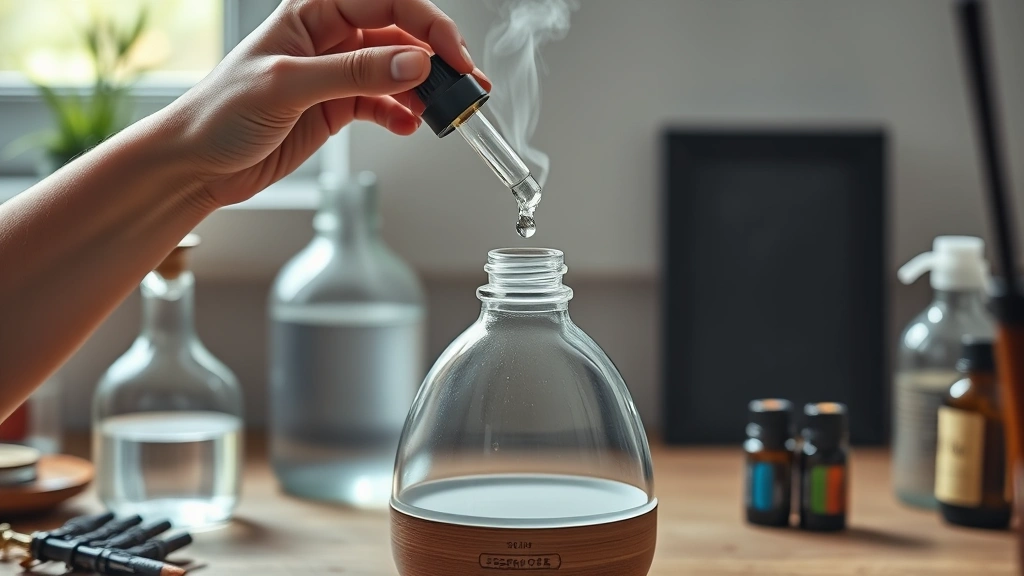
Step 3: Add Essential Oils
This is where most people mess up. Don’t just dump half a bottle in. Most diffusers need between 3-7 drops of essential oil per tank. Start with 3-4 drops if you’re new to this. You can always add more later, but you can’t take it out without draining the whole tank. Some oils are more potent than others—peppermint and eucalyptus are strong, while lavender and chamomile are gentler.
Step 4: Assemble and Power On
Screw the tank back onto the base, plug in your diffuser, and hit the power button. Most ultrasonic diffusers will start producing a fine mist within seconds. You should see a visible cool mist rising from the unit—that’s your cue that everything’s working.
Step 5: Set Your Timer and Walk Away
Most diffusers run continuously until the water runs out, which typically takes 6-10 hours depending on the model size. If your diffuser has intermittent settings (many do), use those—they’re gentler on the oils and extend your session. Set it and forget it. You don’t need to hover over it.
Essential Oil Selection: Picking the Right Scents
Not all essential oils are created equal, and some work better in diffusers than others. Lavender is the gateway oil—calming, versatile, and hard to mess up. Peppermint boosts energy and focus. Eucalyptus clears sinuses and promotes respiratory health. Lemon uplifts mood. Tea tree has antimicrobial properties. Start with one oil per diffuser session so you can really experience what it does. Mixing oils is fun once you’re comfortable, but beginners should keep it simple.
One important note: never use fragrance oils or synthetic perfumes in a diffuser designed for essential oils. They contain chemicals that can damage the diffuser and won’t provide the same therapeutic benefits. If you’re unsure whether an oil is pure essential oil, check the label—it should say 100% pure essential oil or therapeutic grade.
Placement Matters More Than You Think
Where you put your diffuser affects how well it works. Place it on a stable, flat surface away from direct sunlight and heat sources. A nightstand works great for bedrooms. A shelf in the living room keeps it out of foot traffic. Avoid placing it directly under air vents or ceiling fans—they’ll just blow the mist away before you get the benefit. Also keep it away from electronics; the mist won’t hurt them, but why take chances?
Room size matters too. A small diffuser might not fill a large bedroom effectively, while a large diffuser in a closet is overkill. Match your diffuser size to your space.
Maintenance: Keep Your Diffuser Running Like New
Here’s where people drop the ball. A neglected diffuser becomes a breeding ground for bacteria and mineral deposits. Clean your diffuser every week if you use it daily. Empty any remaining water, rinse the tank with distilled water, and wipe down the interior with a soft cloth. For stubborn mineral buildup, fill the tank halfway with distilled water and a splash of white vinegar, run it for 10 minutes, then rinse thoroughly. This is similar to how to clean a washing machine—regular maintenance prevents major problems down the line.
Let all parts air dry completely before reassembling. Never submerge the base or electrical components. If your diffuser has a filter or pad, check if it’s replaceable and swap it out according to the manufacturer’s timeline.
Common Mistakes to Avoid
Don’t use tap water exclusively—mineral deposits will kill your diffuser’s lifespan. Don’t overfill the tank; water can seep into the base and cause electrical issues. Don’t run your diffuser 24/7 without breaks; your nose will become desensitized to the scent, and the oils degrade faster with continuous use. Don’t mix random oils without knowing their properties; some combinations are unpleasant or can cause headaches. Don’t forget to unplug before cleaning. And please, don’t use oils on your skin or ingest them without proper guidance—diffusers are for aromatic use only.
Getting the Most Out of Your Diffuser Sessions
Consistency beats intensity. Running your diffuser for 30 minutes in the morning and 30 minutes before bed is more effective than running it all day. Your body adapts to continuous scent exposure, so intermittent use keeps the experience fresh and therapeutic. Pair your diffuser routine with intention—light it during meditation, work sessions, or wind-down time. This creates a mental association that actually enhances the benefits. Some people rotate oils weekly to prevent olfactory fatigue. Others stick with one favorite. Experiment and see what works for your lifestyle.
For more insights on maintaining your home environment, check out our guide on how to clean battery terminals for keeping your electronics in top shape, or learn about how to keep apples from browning if you’re interested in other preservation techniques around the house.
Safety Considerations You Need to Know
Essential oils are concentrated plant extracts, and while generally safe for diffusion, some precautions apply. Keep diffusers away from pets and children who might knock them over or drink the water. Some oils like tea tree and eucalyptus can irritate pets’ respiratory systems, so research before diffusing around animals. If you’re pregnant, nursing, or have respiratory conditions like asthma, consult your doctor before using certain oils. Never apply undiluted essential oils directly to skin—they’re too strong. And if you have a skin sensitivity, test a small amount diluted in carrier oil first.
According to resources from Family Handyman, proper ventilation is always smart when using any aromatherapy product in enclosed spaces. Crack a window occasionally to refresh the air.
Troubleshooting: When Things Go Wrong
If your diffuser isn’t producing mist, check that water is filled to the line and that you’ve added oil. Make sure it’s plugged in and the power button is actually activated—sounds silly, but it happens. If the mist is weak, clean the ultrasonic plate; mineral deposits reduce efficiency. If you smell a burning odor, unplug immediately and let it cool; you may have added too much oil or the heating element is malfunctioning. If water leaks from the base, the seal might be worn out and needs replacement—most manufacturers sell replacement tanks cheaply.
For persistent issues, check the warranty and contact the manufacturer. Most quality diffusers come with 1-2 year warranties, and customer service is usually responsive.
Frequently Asked Questions
Can I use regular perfume in my diffuser?
No. Perfumes contain alcohol and synthetic compounds that can damage your diffuser and won’t provide therapeutic benefits. Stick to pure essential oils only.
How long does a diffuser last?
A well-maintained diffuser lasts 3-5 years easily. Some last longer. Regular cleaning is the key to longevity.
Is it safe to run a diffuser all night?
Technically yes, but it’s not ideal. Your nose adapts to continuous scent, reducing effectiveness. Intermittent use is more beneficial. If you want overnight aromatherapy, use a timer to run it for 30-minute intervals.
What’s the difference between essential oils and fragrance oils?
Essential oils are pure plant extracts. Fragrance oils are synthetic blends. Essential oils offer therapeutic properties; fragrance oils are just for scent. Always use essential oils in diffusers.
Can diffusers help with sleep?
Yes. Lavender, chamomile, and cedarwood are proven to promote relaxation and better sleep. Run your diffuser for 30 minutes before bedtime for best results.
Do I need to use distilled water?
Not absolutely, but it’s highly recommended. Distilled water prevents mineral buildup that reduces your diffuser’s efficiency and lifespan. Tap water works temporarily but requires more frequent cleaning.
Final Thoughts: Master the Basics and Enjoy the Benefits
Learning how to use a diffuser doesn’t require a PhD—just follow these fundamentals: fill with distilled water, add 3-7 drops of quality essential oil, turn it on, and let it do its job. Keep it clean, rotate your oils, and use it intentionally rather than constantly. Within a week, you’ll wonder how you ever lived without one. The investment is small, the learning curve is gentle, and the benefits—better sleep, improved focus, a fresher-smelling home—are absolutely real. Start simple, stay consistent, and enjoy the aromatherapy journey.
For additional home improvement guidance, explore our resources on how to install a toilet and how to clean a mousepad for other practical DIY skills. You’ve got this.


