
Learning how to use a diffuser is one of those skills that seems intimidating until you actually try it—then you realize it’s straightforward and genuinely rewarding. Whether you’re working with essential oils, fragrance blends, or just trying to freshen up your space, a diffuser is your secret weapon for creating an atmosphere that actually works. I’ve spent years helping folks get the most out of their diffusers, and I’m here to walk you through everything from setup to troubleshooting.
What Exactly Is a Diffuser and Why Should You Care?
A diffuser is basically a device that disperses essential oils or fragrance into the air through mist, heat, or evaporation. Think of it as a controlled way to spread scent throughout a room without the mess of candles or the chemical overload of air fresheners. The beauty of understanding diffuser usage basics is that you get to control the intensity, duration, and type of fragrance you’re putting into your environment. Unlike spraying perfume (which we covered in our guide on how to make perfume last longer), a diffuser works quietly in the background, continuously releasing scent without any effort on your part once it’s running.
There are several types of diffusers on the market: ultrasonic (using water and vibrations), nebulizing (using air pressure), evaporative (using fans), and heat-based diffusers. Each one works differently, but the fundamental principle remains the same—getting those aromatic molecules into the air where you can enjoy them.
Choosing the Right Diffuser for Your Space
Before you can master essential oil diffuser techniques, you need the right tool for the job. The size of your room matters tremendously. A small desktop diffuser won’t cut it in a large living room, and an industrial-sized unit is overkill for a bedroom. I always recommend measuring your space and checking the diffuser’s coverage area—most manufacturers list this right on the box.
Ultrasonic diffusers are my go-to recommendation for beginners because they’re affordable, quiet, and they add moisture to the air as a bonus. Nebulizing diffusers are more powerful and don’t require water, making them ideal if you want pure, undiluted scent. Heat-based diffusers work well but can degrade some essential oils’ therapeutic properties if the temperature gets too high. Consider your lifestyle too—if you’re always on the move, a small portable diffuser makes sense. If you’re setting up a permanent home office, invest in something more robust.
Setting Up Your Diffuser: The Foundation
Getting your diffuser set up correctly is non-negotiable if you want it to perform well. First, find a stable, level surface away from electronics and direct sunlight. I place mine on a shelf or side table in the center of the room for even distribution. Make sure there’s adequate ventilation—you don’t want to create a humidity problem if you’re using an ultrasonic model.
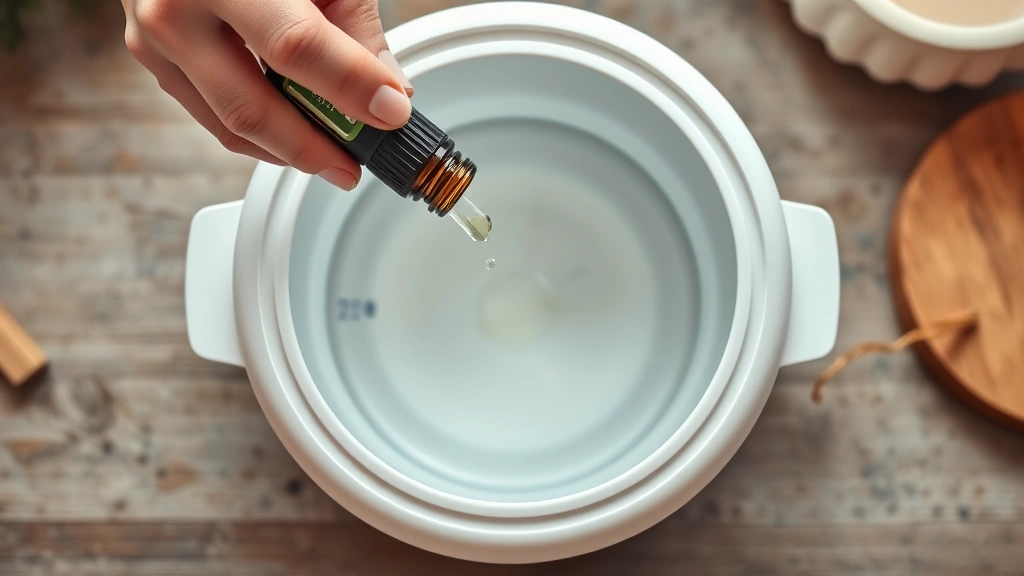
Read the manufacturer’s instructions before you do anything else. I know that sounds obvious, but you’d be surprised how many people skip this step. Different diffusers have different water capacity requirements and operating procedures. For ultrasonic diffusers, you’ll typically fill the reservoir with distilled water up to the marked line. Distilled water is important because tap water can leave mineral deposits that eventually clog your diffuser. This is similar to how you’d want to maintain any water-based system properly—kind of like understanding the basics of how to clean a washing machine to keep it running smoothly.
Adding Essential Oils: The Right Way
Now for the fun part—adding your oils. Most ultrasonic diffusers require you to add 3-10 drops of essential oil to the water, depending on the size and your preference for scent intensity. Start with fewer drops and work your way up. You can always add more, but you can’t take it out once it’s diffusing. For nebulizing diffusers, you’ll use concentrated oils without water, so follow the specific instructions for your model.
Quality matters here. Use pure, therapeutic-grade essential oils from reputable suppliers. Don’t use fragrance oils or synthetic blends if you want the actual benefits of aromatherapy. And never, ever put diffuser oils directly on your skin or ingest them—that’s a completely different application. The goal is to disperse them safely into the air where they can do their thing.
One pro tip: if you’re new to essential oils, start with universally pleasant scents like lavender, eucalyptus, or lemon. These rarely offend and work well in most spaces. As you get more comfortable with diffuser operation, you can experiment with blends and more complex scent profiles.
Operating Your Diffuser: Timing and Settings
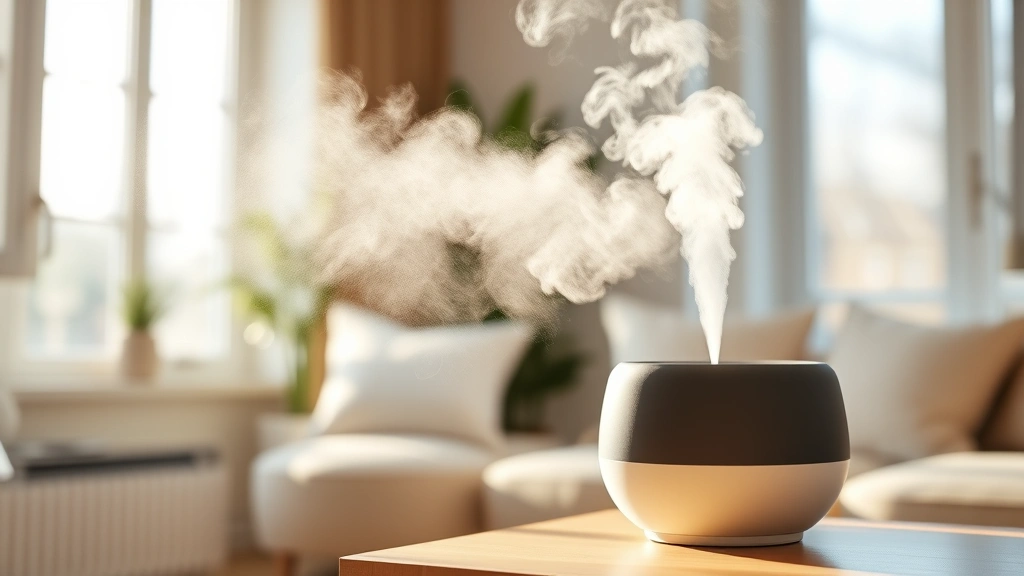
Most modern diffusers come with multiple settings—continuous mist, intermittent mist, and sometimes timer functions. I typically run mine on intermittent mode because it extends the life of your oils and prevents scent fatigue (that’s when your nose gets so used to a smell that you stop noticing it). An intermittent setting might run for 30 seconds, pause for 30 seconds, and repeat.
For timing, I recommend running your diffuser for 30 minutes to an hour at a time, then giving your space a break. This keeps the scent fresh and prevents your room from becoming overwhelming. If you have a timer function, use it. There’s no benefit to running a diffuser 24/7, and it wastes your oils. Think of it like properly timing tasks—similar to how you’d time steaming vegetables, as explained in our guide on how to steam carrots, diffusing has an optimal duration for best results.
Maintenance: Keeping Your Diffuser in Top Shape
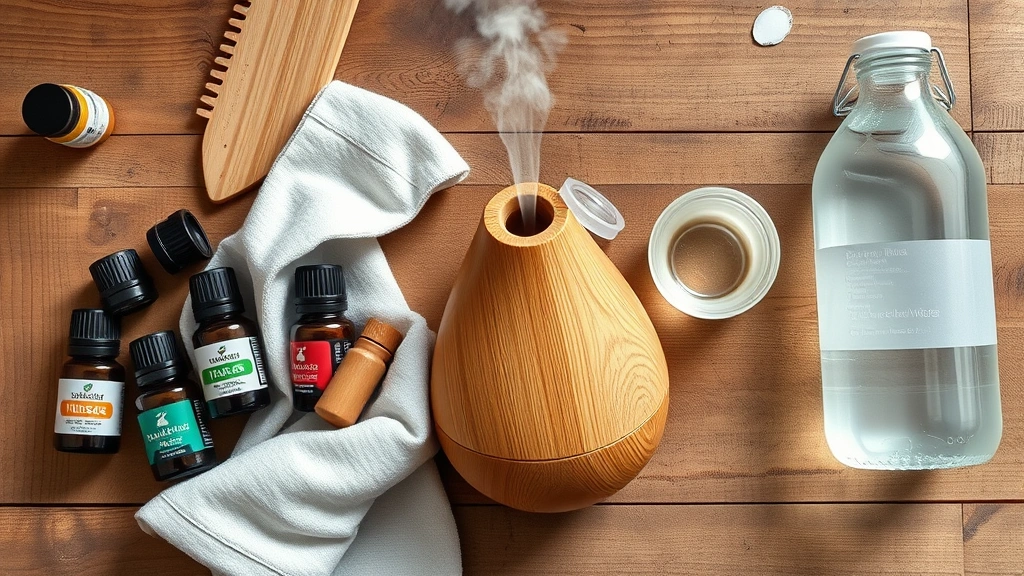
A well-maintained diffuser lasts longer and performs better. Every week or two, depending on usage, empty the reservoir and wipe it clean with a soft cloth. If mineral deposits build up (you’ll notice white, crusty residue), fill the reservoir with equal parts white vinegar and distilled water, run it for a few minutes, then rinse thoroughly with fresh distilled water.
Check the mist nozzle regularly to make sure it’s not clogged. If mist output drops significantly, this is usually the culprit. A gentle cleaning with a cotton swab dipped in vinegar usually solves the problem. Replace the water regularly—don’t let stagnant water sit in the reservoir for days. This prevents mold and bacterial growth, keeping the air quality in your space actually healthy.
Store your essential oils in a cool, dark place away from direct sunlight. They degrade when exposed to light and heat, so a cabinet or drawer works better than leaving the bottle on your nightstand. Properly stored oils last longer and maintain their potency.
Troubleshooting Common Diffuser Problems
If your diffuser stops producing mist, the most common culprit is mineral buildup or a clogged nozzle. Run the vinegar solution I mentioned earlier. If it still doesn’t work, check that you’re using distilled water—tap water is the silent killer of diffusers.
If the mist seems weak, you might be overfilling the reservoir. Most diffusers need a bit of air space at the top to create proper ultrasonic vibrations. Also, make sure the room isn’t too cold—diffusers work better in warmer environments.
Leaking around the base usually means the seal isn’t tight enough. Remove the reservoir, check the rubber gasket for debris, clean it, and reattach firmly. If it still leaks, the gasket might be worn and need replacement.
For scent distribution issues, make sure your diffuser is on a level surface and positioned centrally in the room. Air circulation helps too—a ceiling fan on low speed can help distribute the mist more evenly without blowing it away.
Advanced Tips for Diffuser Mastery
Once you’ve got the basics down, here are some tricks that separate casual users from people who really know what they’re doing. Layering scents is an art form—combine complementary oils to create unique blends. Lavender and chamomile together create a calming blend; lemon and peppermint create an energizing one. Experiment and keep notes on what works.
Match your scent to your activity. Use energizing oils like citrus and mint in the morning or during work hours. Switch to calming oils like lavender and sandalwood in the evening. This creates a natural rhythm that actually affects your mood and productivity.
Consider room-specific diffusing. Your bedroom needs different scents than your home office, which needs different scents than your living room. A smaller diffuser in each space gives you more control over the overall atmosphere of your home.
If you’re concerned about maintaining surfaces in your space, remember that diffusers add moisture, which is generally fine, but excessive moisture can damage walls over time—kind of like how you’d want to prevent damage when patching a hole in drywall. Make sure your space has adequate ventilation to prevent moisture buildup.
Safety Considerations Everyone Should Know
Essential oils are potent, and while diffusing them is safe for most people, there are some precautions. If you have pets, especially cats, check whether your chosen oils are pet-safe before diffusing. Some oils can be toxic to animals. Keep diffusers away from children’s reach, and never let kids play with the device.
If you’re pregnant, nursing, or have respiratory conditions like asthma, talk to your doctor before using essential oils in a diffuser. While many people find them helpful, some oils can trigger reactions in sensitive individuals. This is especially important if you’re using diffusers in a shared space.
Always use the diffuser in a well-ventilated area. You want the scent to disperse naturally, not accumulate to overwhelming levels. If you start feeling headachy or nauseous, turn off the diffuser and open a window.
Creating the Perfect Ambiance with Your Diffuser
The real magic of learning how to use a diffuser effectively is creating an environment that actually supports your daily life. A well-diffused room doesn’t just smell good—it can improve focus, promote relaxation, or energize you depending on what you’re trying to achieve. The key is being intentional about it.
Pair your diffuser with other elements for maximum impact. Soft lighting, comfortable seating, and your chosen scent create a cohesive experience. I often run my diffuser during work hours with energizing oils, then switch to calming ones in the evening. It’s a simple habit that genuinely improves my quality of life.
Remember that consistency matters. Using your diffuser regularly, with proper maintenance and intentional scent selection, creates a cumulative effect that transforms your space over time. It’s not just about the immediate pleasant smell—it’s about creating an environment that supports your wellbeing.
Frequently Asked Questions
Can I use regular perfume in my diffuser?
No, absolutely not. Regular perfume contains alcohol and other ingredients that can damage your diffuser and potentially create safety hazards. Always use essential oils or diffuser-specific fragrance oils designed for your device type.
How often should I clean my diffuser?
For regular maintenance, clean the reservoir weekly with distilled water and a soft cloth. Do a deep vinegar cleaning every 2-3 weeks, depending on your water quality and usage frequency. If you notice mineral buildup, clean immediately.
What’s the difference between ultrasonic and nebulizing diffusers?
Ultrasonic diffusers use water and vibrations to create a fine mist, adding humidity to your space. Nebulizing diffusers use air pressure to atomize pure essential oils without water, delivering a more concentrated scent. Ultrasonic is better for beginners; nebulizing is for serious scent enthusiasts.
Is it safe to run a diffuser all night?
While technically safe, running a diffuser all night isn’t ideal. Your nose adapts to constant scent (olfactory adaptation), so you stop noticing it. Plus, you’re wasting oils. Use a timer function or run it for 30-60 minutes before bed, then turn it off.
Can I mix different essential oils in my diffuser?
Yes, blending oils is one of the best parts of diffuser use. Start with 2-3 oils maximum to avoid overwhelming the senses. Keep notes on combinations you like so you can recreate them later.
Why is my diffuser leaking?
Leaking usually means the rubber seal isn’t tight or the water level is too high. Check that you’re not overfilling (leave about half an inch of space at the top), ensure the seal is clean and properly seated, and make sure the device is on a level surface.


