
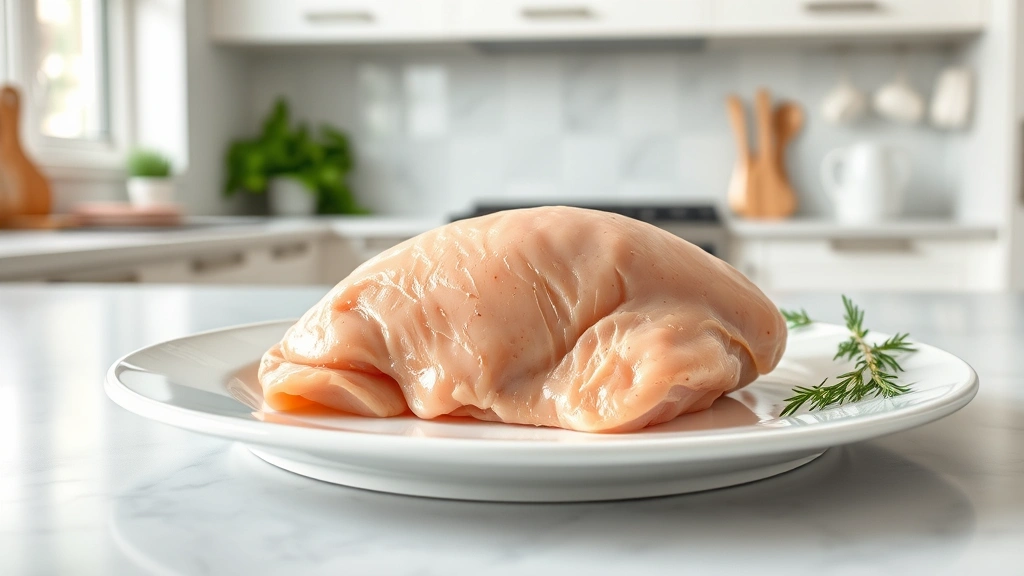
Learning how to unfreeze chicken properly is one of those kitchen skills that separates the prepared home cook from the panicked dinner-maker staring at a brick of poultry at 5 PM. Whether you forgot to thaw that chicken breast overnight or grabbed a frozen package on impulse, you’ve got solid options that won’t compromise food safety or turn your dinner into a rubbery mess.
Table of Contents
Cold Water Method Works Fast
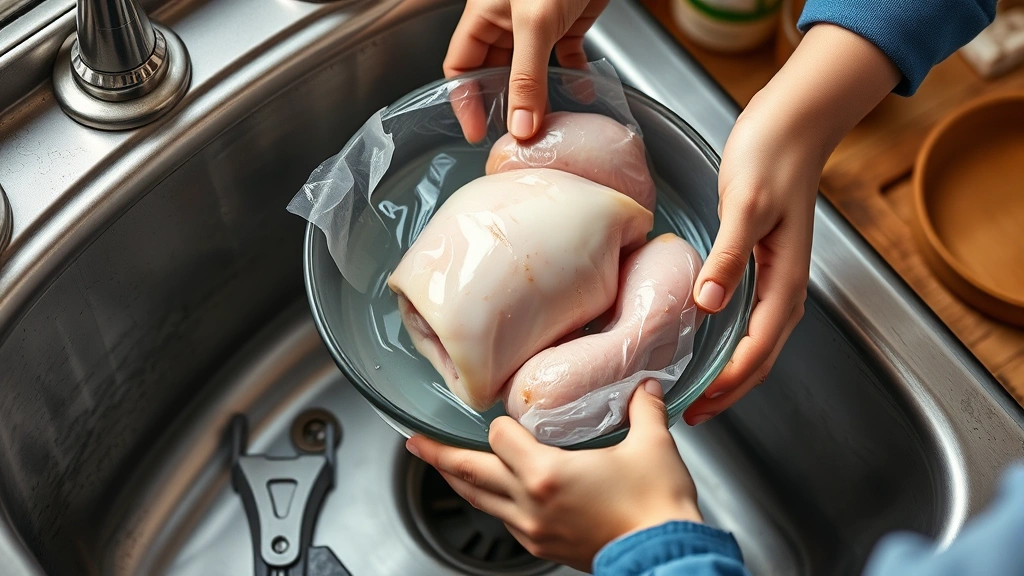
The cold water method is your go-to when you need results in 30 minutes to 2 hours. Seal your frozen chicken in a leak-proof bag—and I mean truly leak-proof, because you don’t want raw poultry juice contaminating your sink or other foods. Submerge that bag in a bowl or sink filled with cold tap water. The key word here is cold, not room temperature. Change the water every 30 minutes to keep the temperature consistent and speed up the thawing process. A whole chicken typically needs 2-3 hours, while individual breasts or thighs might be ready in 30-60 minutes. This method maintains food safety because the chicken stays in the danger zone (40°F-140°F) for minimal time, preventing bacterial growth that thrives in warm conditions.
Refrigerator Thawing Takes Planning
If you’ve got time on your side, the refrigerator method is the safest and easiest approach for how to unfreeze chicken without any fuss. Transfer your frozen chicken from the freezer to a plate or shallow dish on the bottom shelf of your fridge. This placement prevents any drips onto other foods. Whole chickens need 24 hours, while parts like breasts or thighs need 12-24 hours depending on thickness. Once thawed in the refrigerator, chicken stays safe for an additional 1-2 days before cooking. This slow, cold thaw minimizes moisture loss and keeps the meat texture firm and juicy. It’s the method that professional chefs prefer when they’re not in a rush because it produces superior results.
Microwave Method for Emergencies
The microwave is your emergency option when you’re down to minutes. Use the defrost setting on your microwave, which cycles the heat on and off to thaw more gently than continuous cooking. Place the chicken on a microwave-safe plate and follow your microwave’s weight-based defrost instructions—most models ask you to input the chicken weight. Check and flip the chicken every few minutes to ensure even thawing. The major downside: microwave thawing can create warm spots that begin cooking the outer edges while the center stays frozen, and you’ll lose more moisture than other methods. Once defrosted this way, cook the chicken immediately. Don’t let it sit around, as the uneven thawing may have created food safety risks.
Why Not Hot Water or Countertops
I know the temptation is real when you’re hungry, but hot water and room-temperature countertops are bacteria magnets. Thawing chicken at room temperature allows the outer layers to reach dangerous temperatures while the inside stays frozen. Bacteria like Salmonella multiply rapidly in that warm outer layer. The USDA and food safety experts are crystal clear: never use hot water or leave chicken on the counter. These shortcuts might save 20 minutes but risk serious foodborne illness. Stick with cold water, refrigeration, or microwave defrost. Your stomach will thank you.
Timing Guide for Different Cuts
Knowing exactly how long thawing takes helps you plan dinner properly. Boneless, skinless chicken breasts (about 6-8 oz) thaw in 30-60 minutes using cold water, 12-24 hours in the refrigerator, or 5-10 minutes in the microwave. Bone-in breasts need roughly double that time. Chicken thighs and drumsticks take 1-2 hours in cold water or 24 hours in the fridge. A whole 4-5 pound chicken needs 2-3 hours in cold water or a full 24 hours in refrigeration. Ground chicken, being in small pieces, thaws fastest—sometimes in just 15-30 minutes in cold water. The thickness and bone content matter more than the total weight, so adjust your expectations based on what you’re actually thawing.
Safety Essentials You Can’t Skip
Food safety isn’t boring—it’s what keeps your family healthy. Always thaw chicken in the coldest part of your refrigerator, on the lowest shelf where it won’t drip onto produce or other foods. Never refreeze chicken that’s been thawed at room temperature or in hot water; you can refreeze chicken thawed in the refrigerator or cold water. Use separate cutting boards and utensils for raw chicken, and wash your hands thoroughly after handling. If you’re following USDA guidelines, once thawed in the refrigerator, you have 1-2 days to cook it. Cold water thawed chicken should be cooked immediately. Keep your workspace clean—raw poultry bacteria can survive on surfaces for hours.
Texture and Quality Matter
The method you choose affects how your final dish tastes. Refrigerator thawing produces the firmest, juiciest chicken because the slow process allows muscle fibers to retain moisture. Cold water thawing is nearly as good, with minimal texture loss if you change the water regularly. Microwave thawing often results in slightly softer, drier meat because the uneven heating causes some moisture loss and partial cooking. For dishes where texture matters—like chicken breast for salads or pan-searing—refrigerator or cold water methods shine. For soups, stews, or shredded chicken dishes, the microwave method’s texture loss is less noticeable. Plan your cooking method around your thawing method for best results.
Cooking Chicken Right After Thawing
Once your chicken is thawed, cook it promptly. Chicken thawed in the microwave must be cooked immediately—no exceptions. Chicken thawed in cold water should be cooked within a few hours. Refrigerator-thawed chicken can wait 1-2 days in the fridge before cooking. Cook chicken to an internal temperature of 165°F as measured with a meat thermometer in the thickest part, away from bone. This temperature kills harmful bacteria. Don’t rely on color or texture to judge doneness; a meat thermometer is the only reliable method. Whether you’re grilling, baking, pan-frying, or slow-cooking, start with properly thawed chicken and you’re halfway to dinner success.
Frequently Asked Questions
Can I cook chicken straight from frozen?
Yes, but it takes about 50% longer to cook through. Frozen chicken can be safely cooked without thawing, though the texture may be slightly less tender. Use a meat thermometer to confirm it reaches 165°F throughout. This method works best for slow-cooking or baking rather than pan-frying.
How do I know if thawed chicken has gone bad?
Trust your senses. Fresh thawed chicken should be pale pink with no off smell. If it has a sour, ammonia-like, or otherwise unpleasant odor, discard it. Gray or brown discoloration also signals spoilage. When in doubt, throw it out.
Is it safe to thaw chicken in a sink without a bag?
No. Always use a leak-proof bag or container. Thawing chicken directly in a sink risks cross-contamination of your sink, sponges, and other items with raw poultry bacteria.
What’s the fastest safe way to unfreeze chicken?
Cold water thawing is fastest at 30 minutes to 2 hours depending on size. Change the water every 30 minutes to maintain cold temperatures and speed up the process.

Can I thaw chicken in the sun or warm place?
Absolutely not. Warm environments allow bacteria to multiply rapidly in the outer layers while the inside stays frozen. Stick to cold water, refrigeration, or microwave defrost only.
Do I need to wash chicken after thawing?
The USDA actually recommends against washing raw chicken because splashing spreads bacteria. Simply cook it thoroughly to 165°F to kill any bacteria present.
How long can thawed chicken sit in the fridge?
Refrigerator-thawed chicken lasts 1-2 days in the fridge. Cold water thawed chicken should be cooked the same day. Mark your container with the thaw date so you don’t lose track.
Final Thoughts on Thawing Chicken
Mastering how to unfreeze chicken safely is a fundamental kitchen skill that takes maybe five minutes to learn but pays dividends in food safety and meal quality. The refrigerator method is your best friend when you plan ahead—it requires zero effort and produces the best results. Cold water thawing is your reliable backup for when dinner plans change. The microwave is there for genuine emergencies, though it’s the least ideal option. Whatever method you choose, avoid the temptation to use hot water or room-temperature countertops. Your family’s health is worth the extra 30 minutes of proper thawing. Keep a meat thermometer handy, trust the process, and you’ll never serve undercooked chicken or deal with foodborne illness. Now you’ve got the skills to handle frozen chicken like a pro, whether you’re prepping a weeknight dinner or planning Sunday’s family meal. For more kitchen wisdom, check out our guide on how to make apple cider for fall entertaining, or explore other household tips to streamline your routine. And if you’re looking for creative food ideas, our candy apple guide offers fun options for seasonal gatherings.


