
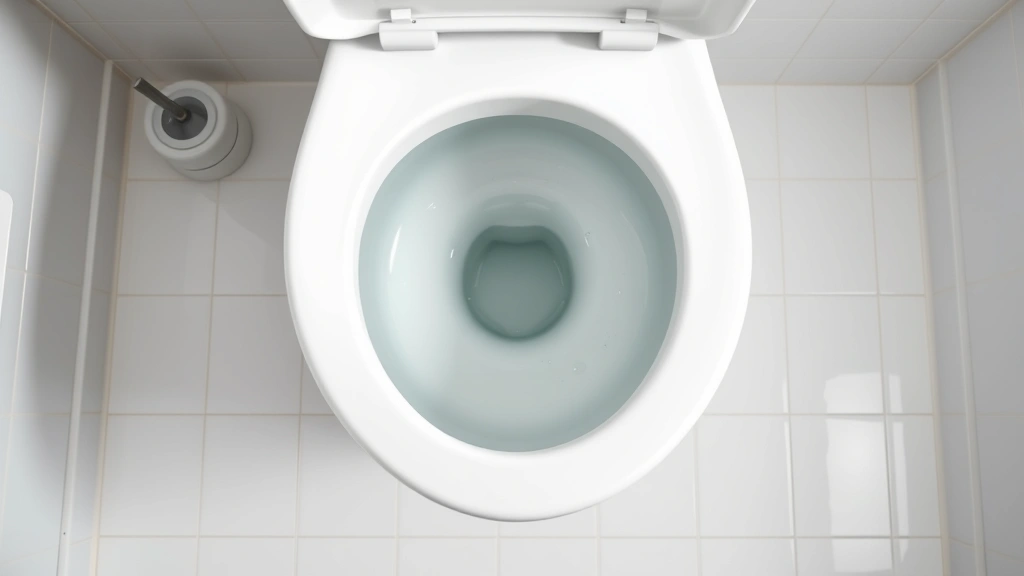
Learning how to unclog a toilet fast is one of those essential skills that’ll save you hundreds in plumber calls and spare you from pure panic when nature calls. I’ve been there—standing in front of a backed-up bowl at 6 AM before work, cursing under my breath. The good news? Most toilet clogs are totally fixable with tools you probably already have lying around.
Table of Contents
The Plunger Method Works Best
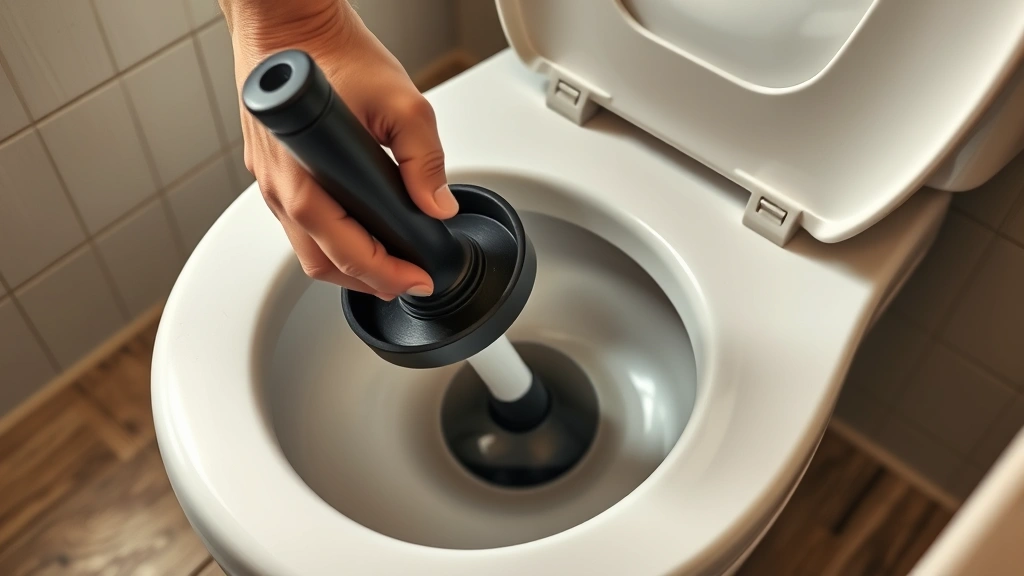
Let’s start with the MVP of toilet unclogging: the plunger. A proper plunger—and I mean a flange plunger, not those flat-bottomed cup ones—is your first line of defense. The flange is that extra rubber extension that folds down into the drain. It creates a better seal and gives you way more suction power.
Fill the bowl with enough water to cover the plunger cup completely. You want a good seal. Position the plunger so it covers the drain opening entirely, then pump vigorously 15-20 times. The key is creating rapid pressure changes—you’re forcing water down and pulling it back up to dislodge whatever’s stuck. Don’t break the seal between pumps. On the final push, pull up sharply. You’ll know it worked when you hear that satisfying glug-glug-glug sound and the water drains.
This method clears about 80% of residential toilet clogs. It’s fast, it’s free (if you already own a plunger), and it doesn’t involve chemicals or specialized equipment. Keep a quality flange plunger in every bathroom—trust me on this one.
Hot Water and Dish Soap
Here’s a method that costs almost nothing and works surprisingly well for soft blockages. Heat a gallon of water until it’s steaming hot—not quite boiling, since you don’t want to crack the porcelain. Squirt a generous amount of liquid dish soap directly into the bowl and let it sit for a minute.
Pour the hot water from waist height into the bowl in a steady stream. The combination of heat and soap lubricates the clog and softens organic material. Wait 20-30 minutes, then try flushing. If the water drains slowly, repeat the process. This works best on clogs caused by toilet paper, hair, or organic buildup rather than solid objects.
The beauty of this approach? Zero toxins, zero mess, and you’re using stuff from your kitchen. I’ve cleared stubborn clogs this way when I didn’t feel like hunting down my plunger. It won’t work on every clog, but it’s always worth trying first.
Using a Plumbing Snake
When plunging fails, a plumbing snake (also called an auger) becomes your best friend. Toilet augers are specifically designed with a protective sleeve that prevents scratching the bowl. Feed the snake slowly into the drain while cranking the handle. You’ll feel resistance when it hits the clog.
Keep cranking and working the snake forward. Sometimes you need to pull back and push forward repeatedly to break through the blockage. Once you feel the clog break apart or the snake goes deeper, you’re making progress. Pull the snake out slowly, and any debris should come with it. Flush to confirm the drain is clear.
A good toilet auger costs $20-40 and lasts for years. It’s more aggressive than a plunger and handles clogs that won’t budge. If you’re serious about DIY home maintenance—like when you’re learning to install gutters or tackling other projects—an auger is a worthwhile investment for your toolkit.
Enzymatic Drain Cleaners
Skip the harsh chemical drain cleaners. They’re dangerous, they damage pipes, and they don’t work better than enzymatic options. Enzymatic cleaners use natural bacteria and enzymes to break down organic material. Pour the recommended amount into the bowl and let it work overnight or for several hours.
These products are gentle on plumbing and septic systems, which matters if you’re on a septic tank (unlike chemical cleaners that kill beneficial bacteria). They work slower than mechanical methods, but they’re excellent for minor clogs and regular maintenance. Family Handyman recommends enzymatic cleaners as a safer alternative for routine drain care.
Brands like Green Gobbler and Bio-Clean are solid choices. They cost $10-20 per treatment and won’t harm your pipes or the environment. I use them monthly as preventative maintenance on all my drains.
Wet/Dry Vacuum Method
If you own a wet/dry vacuum (the kind that handles both liquids and solids), you’ve got another powerful option. Set the vacuum to liquid mode, create a seal over the drain opening with the hose, and turn it on. The suction can be strong enough to pull out stubborn clogs.
This method works particularly well for clogs caused by solid objects—toys, wipes, or other debris that got flushed accidentally. The vacuum creates intense suction that can dislodge items stuck in the trap. Be prepared for splashing, though. Position the vacuum strategically and maybe lay down some towels first.
Not everyone has a wet/dry vacuum, but if you do, it’s worth trying before calling a plumber. The investment in this tool pays off across dozens of household maintenance tasks—from cleaning your washing machine to tackling workshop cleanup.
When to Call a Professional
Know your limits. If the clog is in the main sewer line rather than the toilet trap, you need a professional with a camera and motorized auger. Signs of a main line issue include multiple drains backing up simultaneously or sewage smell in your yard.
Call a plumber if you’ve tried all these methods and nothing works, if the toilet is cracked or damaged, or if you suspect a clog deeper in the plumbing system. This Old House plumbing guides note that persistent clogs often indicate problems beyond DIY reach. Professional plumbers have tools and expertise you don’t, and sometimes paying $150-300 for a service call beats spending hours frustrated.
Also call a pro if you’re not confident working on plumbing. A mistake could damage your toilet or create a bigger mess. There’s no shame in bringing in an expert—plumbing is their specialty, and they’ll get it right the first time.
Prevention Beats Panic
The best clog is the one that never happens. Use reasonable amounts of toilet paper and flush in stages if you’re using a lot. Never flush “flushable” wipes—they don’t break down like toilet paper and cause most modern clogs. Same goes for feminine hygiene products, cotton swabs, dental floss, or anything else that isn’t human waste or toilet paper.
Keep a plunger accessible in every bathroom. Seriously. When a clog happens, having the right tool immediately available makes all the difference. Consider adding enzymatic drain cleaner to your monthly maintenance routine. Bob Vila’s plumbing articles emphasize that preventative maintenance stops 90% of clogs before they start.
If you have kids, educate them about what goes in the toilet. I learned this the hard way when my son flushed a entire roll of paper towels. Now we have clear house rules: only toilet paper and human waste. Everyone knows the consequences.
Frequently Asked Questions
How long does it take to unclog a toilet?
With a plunger, you’re looking at 5-10 minutes if the clog is fresh. Enzymatic cleaners need 4-12 hours to work. A plumbing snake might take 15-30 minutes depending on the blockage severity. If you’re calling a plumber, add travel time plus 30-60 minutes for the actual work.
Can I use a regular plunger on a toilet?
You can, but it’s not ideal. A cup plunger (flat bottom) is designed for sinks and tubs. A flange plunger (with the rubber extension) creates a better seal on toilets and gives you superior suction. Invest $15-25 in a proper flange plunger—it’s a game-changer.
Is it safe to use chemical drain cleaners in a toilet?
Technically yes, but it’s not recommended. Chemical cleaners are harsh on old pipes, dangerous if you have a septic system, and they don’t work better than mechanical methods. Enzymatic cleaners are safer and more effective for regular use. Save chemical cleaners as a last resort, and always follow label instructions carefully.
What causes most toilet clogs?
Excessive toilet paper is the number-one culprit, followed closely by non-flushable items like wipes, feminine products, and dental floss. Hair and soap buildup contribute to slow drains over time. In older homes, mineral deposits and rust can restrict water flow and trap debris.
How do I know if it’s a toilet clog or a main line issue?
If only the toilet is backing up, it’s a local clog. If multiple drains in your house are slow or backing up, or if you smell sewage outside, the problem is likely in your main sewer line. That requires professional equipment to diagnose and fix.
The Bottom Line
Knowing how to unclog a toilet fast puts you in control when things go wrong. Start with a plunger—it works for most clogs and takes minutes. If that fails, try hot water and soap, then graduate to a plumbing snake. Keep enzymatic cleaners on hand for maintenance and minor blockages. Save the professional plumber call for situations beyond your tools or comfort level.
Stock your bathroom with a quality flange plunger and keep it accessible. Educate everyone in your house about what belongs in the toilet. Use preventative maintenance to stop clogs before they start. Follow these strategies and you’ll handle 95% of toilet emergencies without panic or expensive service calls. Your future self—the one standing in front of a working toilet at 6 AM—will thank you.


