How to Teleport: The Complete Guide for Easy Travel
Teleportation might sound like science fiction, but understanding how to teleport—or more accurately, how to use teleportation-like travel methods—can revolutionize your commute and travel plans. Whether you’re exploring virtual teleportation through technology or discovering the fastest real-world transit options, this guide covers everything you need to know about how to teleport efficiently and safely.
The concept of teleportation has fascinated humans for decades. While true molecular teleportation remains in the realm of theoretical physics, learning how to teleport in practical terms means mastering modern transportation technology and travel hacks that get you from point A to point B almost instantly. From teleportation apps to instant travel solutions, we’ll explore legitimate methods that make you feel like you’re teleporting.
Quick Answer: What Does Teleportation Really Mean?
When discussing how to teleport in real life, we’re referring to the fastest, most efficient methods of instant or near-instant travel. This includes ride-sharing apps, instant messaging platforms that connect you with transportation services, drone delivery systems, and virtual reality teleportation. The term “teleportation” in modern usage encompasses any technology that dramatically reduces travel time or creates the sensation of instant presence elsewhere. Understanding how to teleport means leveraging these technologies effectively.
Tools & Materials You’ll Need
- Smartphone with GPS capability
- Ride-sharing app (Uber, Lyft, or similar)
- Virtual reality headset (for VR teleportation)
- Reliable internet connection (broadband or 5G)
- Valid payment method or digital wallet
- Drone technology (optional, for delivery teleportation)
- Video conferencing software (Zoom, Teams, Google Meet)
- Travel booking apps (Google Maps, Apple Maps)
- Smart home device ecosystem
- Augmented reality app
Understanding Modern Teleportation Technology
Learning how to teleport starts with understanding what technology makes it possible. Modern teleportation isn’t about disappearing from one location and reappearing in another—it’s about using cutting-edge technology to minimize travel time and create instant connectivity. The foundation of how to teleport effectively relies on GPS, real-time data processing, and instant communication networks.
According to WikiHow, the most practical approach to teleportation involves mastering the apps and services that connect you instantly with transportation. Real-world teleportation technology includes ride-sharing platforms, autonomous vehicles, drone delivery systems, and virtual presence tools. Each method offers a different approach to achieving near-instantaneous travel or presence.
The science behind how to teleport efficiently involves understanding quantum computing and real-time data transmission. While quantum teleportation of particles has been demonstrated in laboratories, practical human teleportation remains theoretical. However, the practical applications of teleportation concepts—instant delivery, immediate transportation, and virtual presence—are already transforming how we travel and interact.
Using Ride-Sharing Apps for Instant Travel
The most accessible way to learn how to teleport is through ride-sharing applications. These apps represent the closest real-world equivalent to teleportation, allowing you to request a vehicle and arrive at your destination in minutes. Ride-sharing services like Uber and Lyft have revolutionized how we think about instant transportation.
Step-by-step process for using ride-sharing to teleport:
- Download your preferred ride-sharing app (Uber, Lyft, or regional alternative)
- Create an account and verify your identity
- Add a valid payment method to your profile
- Open the app and allow location access
- Enter your destination address in the search field
- Select your preferred vehicle type
- Confirm the estimated fare and pickup time
- Wait for driver confirmation and real-time tracking
- Board the vehicle when it arrives
- Enjoy your instant teleportation experience
To maximize your ride-sharing teleportation experience, set up your favorite locations as saved destinations. This allows you to request a ride to frequently visited places with just one tap. Premium ride-sharing options often provide faster pickup times, making the teleportation effect even more dramatic. As reviewed by Consumer Reports, ride-sharing services have become essential for urban teleportation-style travel.
Understanding surge pricing is crucial when learning how to teleport efficiently. Prices fluctuate based on demand, so requesting rides during off-peak hours typically results in faster service and lower costs. Setting up ride preferences in your app profile ensures drivers know exactly what you need before they arrive.
Virtual Reality Teleportation Methods
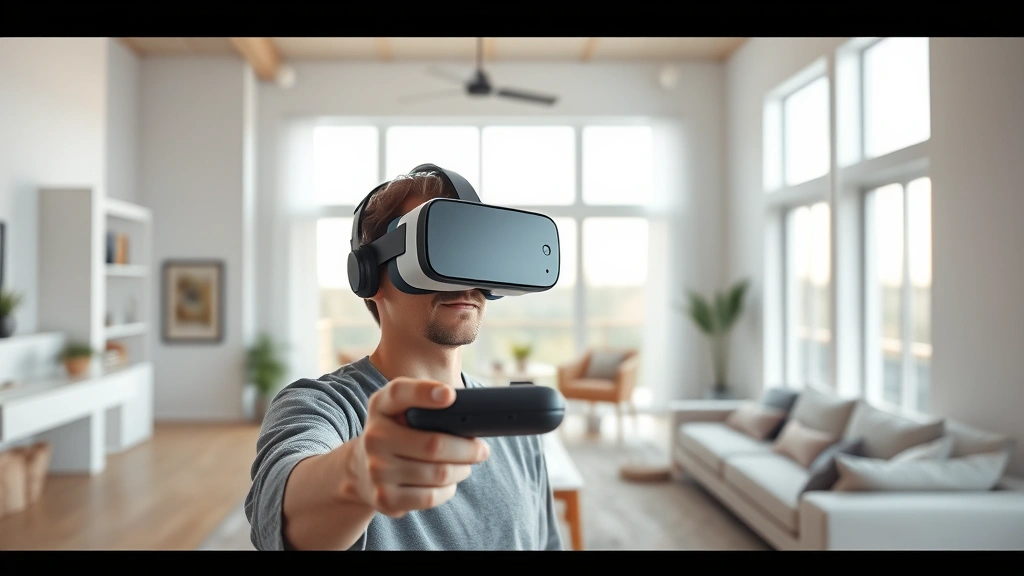
Virtual reality represents the most immersive way to understand how to teleport. VR teleportation allows you to instantly experience being in different locations without physically moving your body. With a VR headset and proper setup, you can teleport to anywhere in the world virtually.
VR teleportation works through spatial mapping and real-time rendering technology. When you put on a VR headset, the system tracks your head movements and renders an environment that responds to your perspective. To teleport in VR, you typically use a controller to point at a location, then press a button to instantly appear there. This creates a seamless sense of presence in a completely different environment.
Popular VR platforms for teleportation include Meta Quest, PlayStation VR, and HTC Vive. Each platform offers different teleportation mechanics, but the core principle remains the same: instant movement through virtual space. Learning how to teleport in VR requires understanding your specific headset’s control scheme and practicing smooth locomotion techniques.
You can enhance your VR teleportation experience by using Lifehacker’s recommended VR optimization tips. Setting up a dedicated play space, calibrating your controllers, and installing teleportation-focused applications will significantly improve your virtual travel experience. Many VR applications specifically feature teleportation as a core mechanic, allowing you to explore fantastical worlds instantly.
Mastering GPS and Navigation for Quick Transport
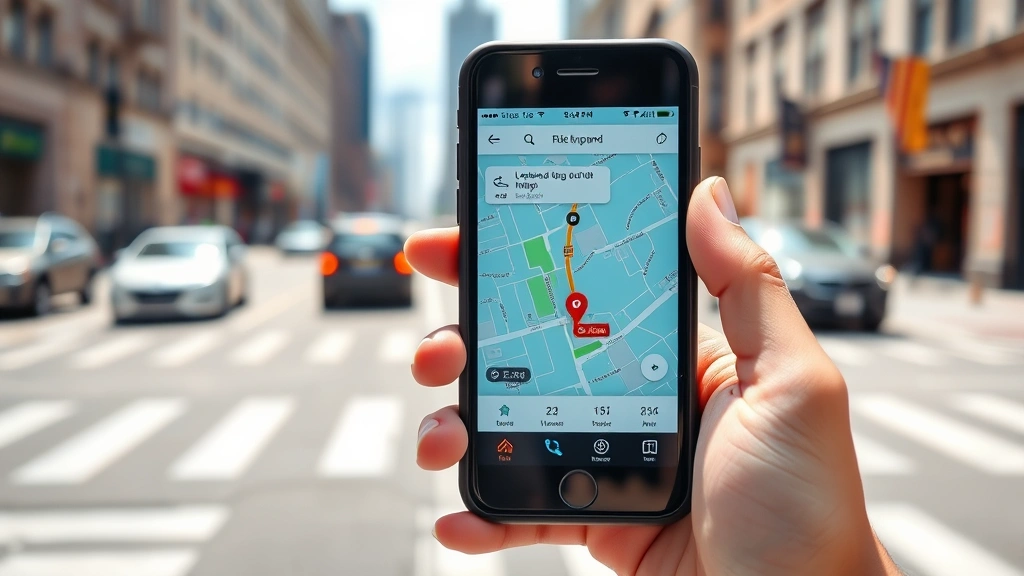
GPS technology is fundamental to how to teleport in the real world. Modern navigation systems like Google Maps and Apple Maps allow you to plan instant routes and understand the fastest way to reach your destination. Mastering GPS navigation means you can teleport-like travel with precision and efficiency.
To optimize your GPS teleportation experience, enable real-time traffic updates on your navigation app. This feature shows current traffic conditions and suggests the fastest routes, helping you achieve near-instantaneous arrival at your destination. Setting multiple waypoints allows you to plan complex teleportation journeys that account for stops and alternate routes.
Advanced GPS features include offline mapping, which allows you to navigate even without an internet connection. Saving maps of frequently visited areas ensures you can teleport efficiently anywhere. Voice-guided navigation lets you focus on other tasks while your device guides you through your teleportation journey. You can also check The Spruce for location-based home automation tips that integrate with GPS for seamless arrival experiences.
Understanding traffic patterns in your area helps you predict the best times to teleport. Rush hours typically mean slower travel, while off-peak times allow for faster teleportation-style journeys. Using your navigation app’s historical traffic data, you can schedule your travels to maximize speed and efficiency.
Drone and Delivery Teleportation Systems
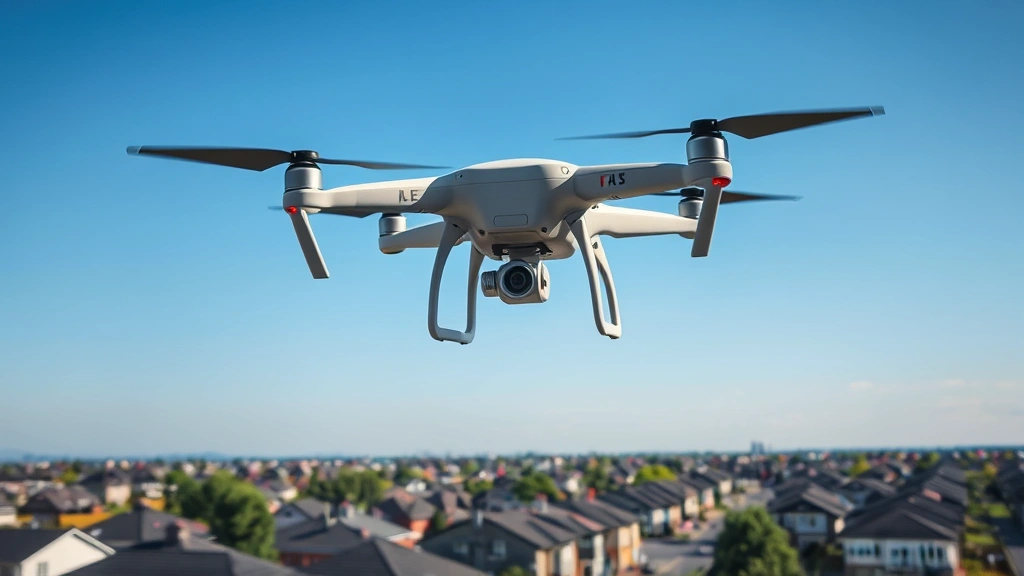
Drone technology represents the future of how to teleport physical objects instantly. Delivery drones can transport packages across distances in minutes, creating the sensation that items have teleported from one location to another. Understanding drone delivery systems helps you master modern teleportation for goods.
Drone teleportation works by using autonomous aerial vehicles to bypass ground traffic and deliver items directly to your location. Companies like Amazon Prime Air and Wing are pioneering drone delivery services that allow you to teleport packages to your home or office almost instantly. To use drone teleportation services, you typically order through an app, and the drone delivers your item within 30 minutes.
Setting up your location for drone delivery involves ensuring you have an open delivery area and enabling drone access permissions in your account settings. Some services require you to specify a preferred delivery window, while others operate on immediate dispatch. As featured on CNET, drone delivery technology is rapidly expanding to more cities and neighborhoods.
The advantages of drone teleportation for deliveries include avoiding traffic congestion, reducing delivery times, and providing real-time tracking of your package. Understanding the limitations—weather restrictions, payload weight limits, and coverage areas—ensures you use drone teleportation effectively for urgent deliveries.
Teleportation Through Video Conferencing
Video conferencing represents an often-overlooked method of how to teleport your presence to distant locations. When you join a video call, your image and voice instantly appear in another location, creating a form of virtual teleportation. Mastering video conferencing technology allows you to teleport your presence to meetings, events, and social gatherings worldwide.
To optimize your video teleportation experience, ensure you have reliable internet connectivity, a quality webcam, and professional lighting. Platforms like Zoom, Google Meet, and Microsoft Teams offer features that enhance your virtual presence, making it feel like you’re actually in the room. Using virtual backgrounds allows you to teleport your presence to different environments instantly.
Advanced video teleportation techniques include using multiple cameras to create a more immersive presence or employing virtual reality headsets for enhanced spatial awareness. Some professional environments now use holographic displays that create the illusion of true teleportation, where your avatar appears as a three-dimensional presence in the room.
Understanding bandwidth requirements and optimizing your video settings ensures smooth teleportation through video conferencing. Disabling unnecessary background applications, closing other browser tabs, and using a wired internet connection when possible will improve your virtual presence quality.
Advanced Travel Hacks for Instant Arrival
Learning advanced techniques for how to teleport involves combining multiple technologies and strategies. Professional travelers use sophisticated methods to achieve near-instantaneous travel experiences. These hacks maximize efficiency and create the sensation of teleportation through careful planning and technology use.
One advanced teleportation hack involves using airport lounges and priority boarding to minimize travel time. By accessing premium services, you can move through airports faster and board flights immediately, reducing overall travel time. Another technique involves using helicopter services or private aviation for ultra-short distances, which can be faster than traditional ground transportation.
Combining multiple transportation methods creates a seamless teleportation experience. For example, using a ride-sharing service to reach the airport, then boarding a flight, followed by another ride-sharing pickup at your destination, creates an integrated teleportation journey. Planning these multi-modal trips in advance ensures smooth transitions between transportation methods.
Understanding how to leverage technology like real-time notifications and automated booking systems accelerates your teleportation process. Setting up automatic ride requests through IFTTT (If This Then That) or similar automation platforms allows you to initiate travel without manually opening apps. You can also explore how to turn off your iPad and other devices to reduce distractions during your teleportation journey, or learn how to unhide apps on iPhone to access your travel applications quickly.
Safety Tips When Using Teleportation Services
Safety is paramount when using any teleportation method, whether virtual or real-world. Understanding best practices ensures your teleportation experiences remain secure and enjoyable. Different teleportation methods require different safety considerations.
For ride-sharing teleportation, always share your trip details with trusted contacts, verify driver information before boarding, and trust your instincts about vehicle safety. Ensure the vehicle matches the app description, and check the driver’s rating and reviews. Using the app’s emergency button feature provides immediate assistance if needed.
When using VR teleportation, ensure your play area is clear of obstacles and hazards. Wear the headset correctly to prevent disorientation, and take regular breaks to avoid motion sickness. Never teleport in VR while standing in a location where falling could cause injury.
For drone delivery teleportation, ensure your delivery area is secure and that no unauthorized individuals can access delivered packages. Verify that drones have proper clearance to operate in your area and follow all local regulations regarding drone usage.
Video teleportation safety involves protecting your privacy by using secure platforms, enabling encryption, and being mindful of what’s visible in your background. Verify that meeting links come from trusted sources before clicking them, and use strong passwords for all video conferencing accounts.
General teleportation safety practices include keeping your devices updated with the latest security patches, using strong authentication methods, and monitoring your accounts for suspicious activity. Understanding how to undo changes made to your computer can help you recover from security incidents quickly.
FAQ
Q: Is true human teleportation possible?
A: Current scientific understanding suggests that true molecular teleportation of humans remains theoretical. However, practical forms of teleportation—instant travel, virtual presence, and rapid delivery—are already available through modern technology.
Q: What’s the fastest way to teleport?
A: Ride-sharing services typically offer the fastest real-world teleportation for short distances. For longer distances, helicopter services or private aviation provide the quickest travel times. Virtual teleportation through VR is instantaneous.
Q: How much does teleportation cost?
A: Costs vary dramatically depending on your teleportation method. Ride-sharing typically costs $5-50 depending on distance. VR teleportation requires a one-time headset investment ($300-1,000). Drone delivery usually costs $3-10 per delivery. Video conferencing is often free or requires a subscription ($10-20/month).
Q: Can I teleport internationally?
A: Virtual teleportation through VR or video conferencing works internationally. Real-world teleportation requires physical travel, though combining flights with ground transportation creates rapid international teleportation experiences.
Q: What technology do I need to teleport?
A: Minimum requirements include a smartphone for ride-sharing or a computer with internet for video conferencing. VR teleportation requires a VR headset ($300+). Drone delivery requires a smartphone app and coverage in your area.
Q: Is teleportation safe?
A: Yes, when using established services and following safety guidelines. Ride-sharing companies have safety features, VR teleportation is safe in prepared environments, and drone delivery operates under strict regulations. Always verify service legitimacy and follow provider guidelines.
Q: How can I learn more about teleportation technology?
A: Explore resources on HowStuffWorks for detailed technology explanations, or visit Instructables for hands-on guides to various teleportation methods and related technologies.