

Steaming carrots sounds simple, right? Throw them in a pot, add water, wait. But here’s the thing—most people end up with either mushy orange mush or carrots so crunchy they taste raw. Getting that perfect tender-but-still-firm texture? That’s actually a skill worth learning, and it’ll transform how you cook vegetables at home.
The good news: how to steam carrots isn’t complicated once you know the timing, the right equipment, and a few tricks that separate “meh” from “actually delicious.” This guide walks you through everything from selecting carrots to nailing the texture every single time.
Why Steaming Beats Other Cooking Methods
Before we get into the how, let’s talk about why steaming is worth your time. Boiling carrots? You’re leaching nutrients and flavor straight into the water. Roasting? Sure, it’s delicious, but it takes 30+ minutes and heats up your kitchen. Steaming sits in the sweet spot—it cooks carrots gently, preserves color and nutrients, and takes less than 20 minutes from start to finish.
Think of steaming like a gentle hug instead of a tight squeeze. The moist heat penetrates the carrot evenly without the aggressive action of boiling water battering them around. You keep more of the natural sweetness, the vitamins stay put, and you end up with carrots that actually taste like carrots, not cardboard.
According to Family Handyman’s kitchen guides, steaming is one of the healthiest cooking methods because it minimizes nutrient loss. The carrots cook through steam contact, not submersion, which means you’re not dumping beta-carotene and vitamin C into a pot of water.
Choosing and Prepping Your Carrots
Not all carrots are created equal. If you’re buying those pre-peeled baby carrots from the grocery store, you’re starting with a handicap—they’ve already lost moisture and have a shorter shelf life. Fresh whole carrots, whether regular or baby varieties, are your best bet.
Here’s what to look for when selecting carrots:
- Firmness: They should feel solid, not bendy or soft. A carrot that bends is a carrot that’s been sitting around too long.
- Color: Bright, vibrant orange means fresher. Dull or pale carrots are older and less sweet.
- Size consistency: For even cooking, grab carrots that are roughly the same diameter. If you’re mixing sizes, you’ll have to cut the bigger ones down anyway.
- Skin: Smooth skin is preferable. Wrinkled or cracked carrots are drying out.
Once you’ve got your carrots home, washing them is crucial. Run them under cold water and scrub gently with a vegetable brush to remove dirt. You don’t need to peel them—the skin is edible and holds nutrients—but if you prefer peeled carrots, use a vegetable peeler and go light.
Now for the cut. This is where timing comes into play. Thin carrots (about the thickness of a pencil) can be left whole. Medium carrots should be cut in half lengthwise or into 2-3 inch pieces. Thick carrots? Cut them into quarters lengthwise, then into 2-3 inch chunks. The goal is uniformity—pieces that are roughly the same size so they cook at the same rate.
Pro Tip: If you’re steaming carrots for a baby or someone who has difficulty chewing, cut them into smaller 1-inch pieces. They’ll cook faster and be easier to handle.
Equipment You Actually Need
Here’s the beautiful part: you don’t need fancy gear. You’ve got options, and most of them you probably already own.
Option 1: Steamer Basket This is the classic setup. A collapsible metal steamer basket sits inside any pot, and water goes beneath it. They’re cheap (under $10), durable, and work great. The basket sits above the water line, and steam rises up to cook your carrots. Make sure your basket fits snugly in your pot—if there’s too much gap, steam escapes and cooking takes longer.
Option 2: Bamboo Steamer These stacked trays are traditional and honestly kind of fun to use. They sit on top of a pot or wok filled with simmering water. They’re excellent if you’re steaming multiple items at once. Fair warning: they need to be soaked in water for 15 minutes before use, or they’ll crack.
Option 3: Microwave Steamer If you’re cooking a small batch or in a hurry, a microwave steamer (basically a bowl with a lid and water reservoir) works surprisingly well. It’s faster than stovetop steaming and uses less energy. Not ideal for large quantities, but perfect for one or two servings.
Option 4: Instant Pot or Electric Pressure Cooker If you’ve already got one, use the steamer rack that comes with it. Fill the water reservoir to the line, set the carrots on the rack, and follow the manufacturer’s timing (usually 3-5 minutes on high pressure).
You’ll also need a pot with a lid (if you’re using a steamer basket), water, and optionally a fork or knife to test for doneness. That’s it.
Step-by-Step Steaming Instructions
Let’s walk through the process. This works for any steaming method, though I’ll use a steamer basket as the baseline since it’s the most common.
- Fill your pot with water. Add about 1-2 inches of water to the bottom of your pot. The water should not touch the steamer basket—if it does, the carrots will boil instead of steam. If you’re not sure, fill it to just below where the basket sits.
- Bring the water to a boil. Cover the pot with a lid and crank the heat to medium-high. You want a rolling boil before the carrots go in. This ensures consistent steam from the start.
- Arrange carrots in the basket. Place your prepped carrots in a single layer in the steamer basket. They can overlap slightly, but they shouldn’t be piled on top of each other. You want steam to circulate around each piece.
- Lower the basket into the pot. Carefully place the steamer basket into the pot once the water is boiling. The steam will rise immediately—be careful of your hands and face.
- Cover and set your timer. Put the lid on the pot right away. This traps the steam and keeps the temperature consistent. Set your timer based on carrot size (see the next section for specifics).
- Check for doneness. When the timer goes off, pierce a carrot with a fork or thin knife. It should slide through with just a little resistance. If it’s still hard, give it another 2-3 minutes and check again.
- Drain and serve. Carefully remove the steamer basket and transfer the carrots to a serving bowl or plate. Let them cool for a minute if they’re too hot to handle.
That’s the whole process. Seriously. No complicated steps, no special tricks—just water, heat, and time.
Timing by Carrot Size
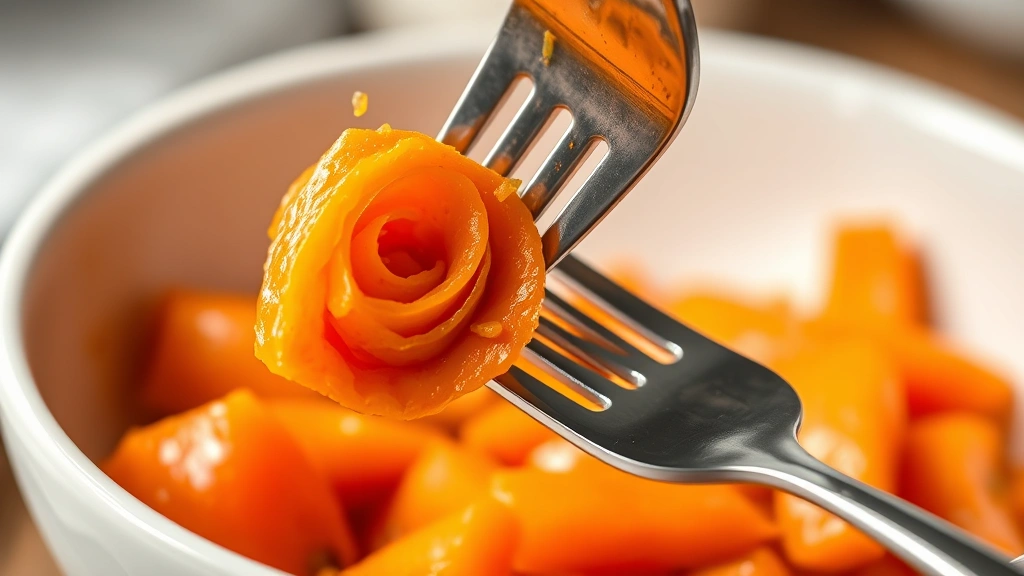
This is the critical part. Timing determines whether you get perfect carrots or mush. Here’s a breakdown by size, assuming you’ve got a rolling boil and a properly functioning steamer:
Baby carrots (whole, thin): 8-10 minutes. These are small and tender to begin with, so they cook fast. Check at 8 minutes—they should be very tender but not falling apart.
Medium carrots (cut into 2-3 inch pieces): 12-15 minutes. This is your standard timing. Most home cooks work with carrots in this size range.
Large carrots (cut into quarters or thick chunks): 15-20 minutes. Thicker pieces need more time for heat to penetrate the center. Start checking at 15 minutes.
Very thick carrots (1+ inch diameter): 20-25 minutes. If you’re dealing with those monster carrots, cut them into thinner pieces to speed things up, or just accept that they’ll take a while.
Here’s the thing about timing: altitude, pot size, water temperature, and humidity all affect cooking time slightly. These times are guidelines, not gospel. Always do the fork test. It takes 10 seconds and guarantees you won’t overcook.
Safety Warning: Steam is hot. When you lift the lid, angle it away from your face so the steam doesn’t hit you directly. Keep your hands clear of the pot opening, and use tongs or a fork to handle the carrots until they’re cool enough to touch.
Seasoning and Finishing Touches
Steamed carrots are naturally sweet and mild, which is great—but they’re also a blank canvas. Here’s where you add personality.
Simple finish: Butter, salt, and pepper. Toss the hot carrots with a tablespoon of butter, a pinch of salt, and fresh cracked pepper. This is comfort food in its purest form. The butter melts into the warm carrots and adds richness without overpowering the vegetable.
Honey glaze: Mix a tablespoon of honey with a teaspoon of Dijon mustard and a splash of apple cider vinegar. Toss with the steamed carrots while they’re still warm. The honey caramelizes slightly, the mustard adds tang, and you’ve got something that feels fancy but took 30 seconds.
Herb-forward: Chop fresh parsley, dill, or tarragon and toss with the carrots along with butter and a squeeze of lemon juice. Fresh herbs brighten everything up.
Asian-inspired: Drizzle with sesame oil, add a splash of soy sauce, sprinkle with sesame seeds, and maybe a pinch of ginger. This works especially well if you’re serving carrots alongside rice or noodles.
Garlic and thyme: Sauté minced garlic and fresh thyme in butter for a minute, then toss with the steamed carrots. Classic and delicious.
The key is adding seasoning to hot carrots. Cold carrots are bland—heat opens up the flavor compounds and helps seasonings stick. Wait until right after steaming to dress them up.
According to This Old House’s cooking section, the best vegetable dishes start with proper cooking technique and finish with thoughtful seasoning. Don’t skip either step.
Common Mistakes to Avoid
Mistake 1: Water touching the steamer basket. If your carrots are boiling instead of steaming, check your water level. Boiled carrots lose flavor and nutrients. Adjust the water to 1-2 inches below the basket.
Mistake 2: Overcrowding the basket. Carrots need air circulation. If you pile them on top of each other, the bottom ones steam fine but the top ones cook unevenly. Work in batches if needed.
Mistake 3: Skipping the lid. An uncovered pot means steam escapes, temperature drops, and cooking takes forever. Always cover immediately after adding carrots.
Mistake 4: Starting with cold water. If you put carrots in a pot of cold water and then turn on the heat, you’re essentially boiling them. Always bring water to a boil first, then add carrots. This ensures consistent, predictable cooking.
Mistake 5: Not testing for doneness. Every stove is different. Your aunt’s steamer might cook carrots in 12 minutes while yours takes 15. Always test with a fork instead of relying on a timer alone.
Mistake 6: Overcooking. Once carrots are tender, they’re done. Another 2 minutes and they’ll start falling apart. Better to pull them slightly early than let them go mushy.
Mistake 7: Seasoning cold carrots. I mentioned this above, but it’s worth repeating. Season while they’re hot. The heat helps flavors penetrate and stick to the surface.
Storage and Reheating
Steamed carrots keep well in the refrigerator for up to 5 days if stored properly. Here’s how to do it:
Cooling: Let the carrots cool to room temperature before storing. Putting hot food in the fridge raises the internal temperature and can spoil other items.
Storage container: Use an airtight container or a resealable plastic bag. Remove as much air as possible—oxygen causes discoloration and degradation.
Labeling: Write the date on the container. It’s easy to forget when you made something.
Reheating: You’ve got options. Microwave them in a covered container for 1-2 minutes (stirring halfway through). Or reheat in a skillet over medium heat with a splash of water or butter for 3-4 minutes. The skillet method gives you a chance to add fresh seasoning, which is nice.
Frozen carrots are also an option if you want to prep ahead. Steamed carrots freeze well for up to 3 months. Let them cool completely, spread them on a baking sheet to freeze individually, then transfer to a freezer bag. This prevents them from clumping together. Thaw in the refrigerator overnight before reheating, or reheat directly from frozen (add a couple extra minutes to the cooking time).
One note: frozen steamed carrots will be softer than fresh after thawing, so don’t expect them to have the same texture. They’re fine for soups, stews, or side dishes, but less ideal if you want that perfect tender-but-firm bite.
Frequently Asked Questions
Can I steam carrots without a steamer basket?
– Yes. You can use a colander placed over a pot of boiling water (make sure it doesn’t touch the water), or even a simple bowl placed upside-down in the pot with the carrots balanced on top. It’s less elegant than a proper steamer, but it works. You can also use a microwave steamer, bamboo steamer, or pressure cooker. The method matters less than getting the carrots above the boiling water.
How do I know when steamed carrots are done?
– Pierce the thickest piece with a fork or thin knife. It should slide through with just slight resistance—not hard, but not mushy either. If it’s still crunchy, give it 2-3 more minutes. If it falls apart when you poke it, you’ve overcooked it.
Can I steam carrots with other vegetables?
– Absolutely. Just be mindful of timing. Carrots take longer than broccoli or snap peas, so either add the quicker vegetables partway through, or cut your carrots thinner so everything finishes together. Potatoes, cauliflower, and Brussels sprouts are good companions—they have similar cooking times.
Why are my steamed carrots watery?
– This usually means water is getting into the carrots, which means your water level is too high or your steamer basket is sitting in the water. Check your setup. The basket should be suspended above the water, not sitting in it. Also, make sure you’re using a lid—without one, condensation drips back onto the carrots.
Can I steam baby carrots straight from the bag?
– Yes, but rinse them first. Those pre-cut baby carrots are coated with a preservative to keep them fresh. A quick rinse removes surface dirt and residue. They’ll steam in 8-10 minutes.
Is it better to steam whole carrots or cut ones?
– Cut ones cook faster and more evenly. Whole carrots take longer because heat has to penetrate from all sides. For consistent results, cut them into similar-sized pieces. If you prefer whole carrots for presentation, just add 5-10 minutes to the cooking time and test frequently.
Can I steam carrots in the oven?
– Not really. Oven-steaming isn’t a standard method because you can’t create the moist heat environment that steaming requires. You could roast carrots in the oven (toss with oil, 400°F for 25-30 minutes), but that’s a different technique entirely. For true steaming, stick with stovetop or microwave methods.
How much water do I need for steaming?
– About 1-2 inches in the bottom of the pot. The key is that the water should never touch the steamer basket. If you’re steaming for a long time (20+ minutes), keep an eye on the water level and top it up if needed. You don’t want the pot to run dry.

Can I reuse the steaming water?
– Technically yes, but it’s not ideal. The water might have picked up some carrot flavor, which could affect other foods. For best results, use fresh water each time. If you’re in a hurry and want to reuse it, go ahead—it won’t hurt anything.
Why do my steamed carrots taste bland?
– Carrots need salt and fat to taste good. Season them while they’re hot with butter or oil and salt. A squeeze of lemon or a splash of vinegar also helps brighten the flavor. Plain steamed carrots with no seasoning are indeed bland, but a minute of finishing work transforms them.


