How to Speed Up a Video on iPhone: Easy & Amazing Tips
Tired of watching lengthy videos at regular speed? Learning how to speed up a video on iPhone is one of the most practical skills for anyone who watches content regularly. Whether you’re reviewing tutorials, catching up on lectures, or trimming down lengthy recordings, speeding up videos saves precious time while maintaining quality. The good news: your iPhone has built-in tools that make this process incredibly simple, and we’ll walk you through every method available.
Quick Answer: Use the Photos app to select a video, tap Edit, then adjust the playback speed using the speed slider (1x to 3x). Alternatively, open videos in the native Videos app and tap the speed icon during playback. For more advanced editing, iMovie offers frame-by-frame speed control. All methods are free and require no additional apps.
- iPhone with iOS 13 or later
- Videos stored in Photos app or Camera Roll
- Optional: iMovie app (free from App Store)
- Optional: Third-party editing apps (Adobe Premiere Rush, CapCut)
- Stable internet connection for cloud-based apps
- Sufficient storage space for edited videos
Speed Up Videos Using the Photos App
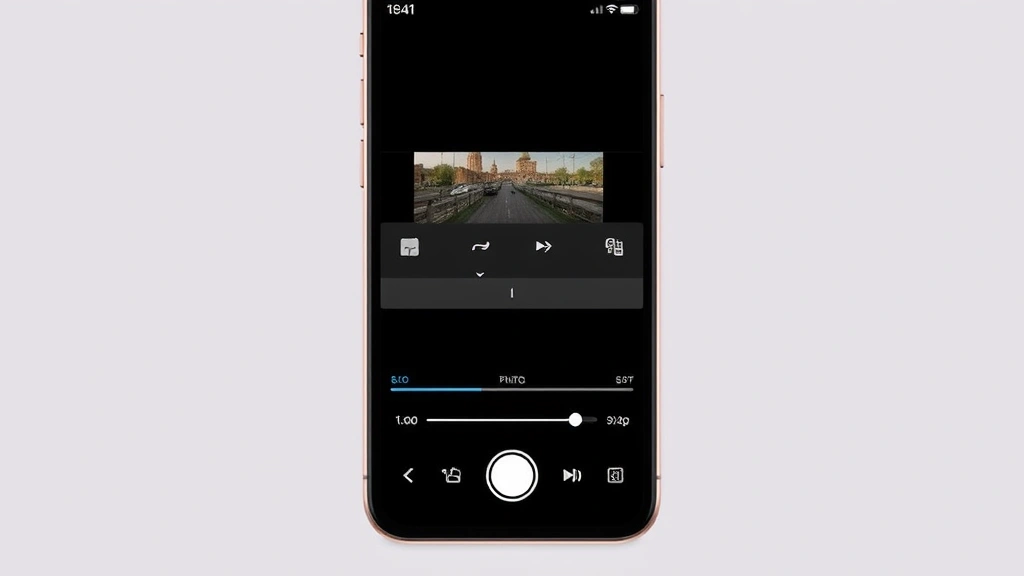
The simplest way how to speed up a video on iPhone is through the native Photos app, which comes pre-installed on every device. This method works for any video stored in your Camera Roll or iCloud Photos library. Open the Photos app, locate your video, and tap it to view the full-screen preview. Next, tap the “Edit” button in the upper right corner to enter editing mode.
Once in edit mode, you’ll notice a toolbar at the bottom of your screen. Look for the speed icon—it typically appears as a speedometer or “1x” indicator. Tap this icon to reveal the speed adjustment slider. You can now drag the slider to increase playback speed from 1x (normal) up to 3x (three times faster). The Photos app displays your selection in real-time, so you can preview how the video looks before saving changes.
After selecting your desired speed, tap “Done” to save your changes. Your iPhone will process the video and save the edited version to your Photos library. This method is perfect for how to speed up a video on iPhone when you need quick results without complex editing features. The entire process takes less than two minutes, and your original video remains untouched as a backup.
Pro Tip: If you want to experiment with different speeds before committing, use the preview feature to test multiple speed levels. The Photos app allows you to undo changes and re-edit as many times as needed until you achieve the perfect speed.
Use the Videos App for Playback Speed Control
Beyond editing, your iPhone’s Videos app lets you adjust playback speed without permanently modifying your video files. This approach is ideal when you want to watch content faster without creating new files or consuming extra storage. Open the Videos app, select any video from your library, and start playback by tapping the video thumbnail.
While your video plays, look for the speed control icon—usually located in the playback controls at the bottom of the screen. On newer iPhone models, you’ll see a circular icon displaying the current speed (1.0x by default). Tap this icon to reveal speed options: 0.5x, 0.75x, 1.0x, 1.25x, 1.5x, and 2.0x. Select your preferred speed, and the video immediately adjusts without any lag or quality loss. This method for how to speed up a video on iPhone doesn’t modify the original file, making it perfect for temporary adjustments.
The Videos app approach works seamlessly for streaming content from Apple TV+, purchased movies, and personal videos. Many users prefer this method because it requires zero editing skills and maintains pristine video quality. You can change speed multiple times during a single viewing session, making it flexible for different content types.
Advanced Editing with iMovie
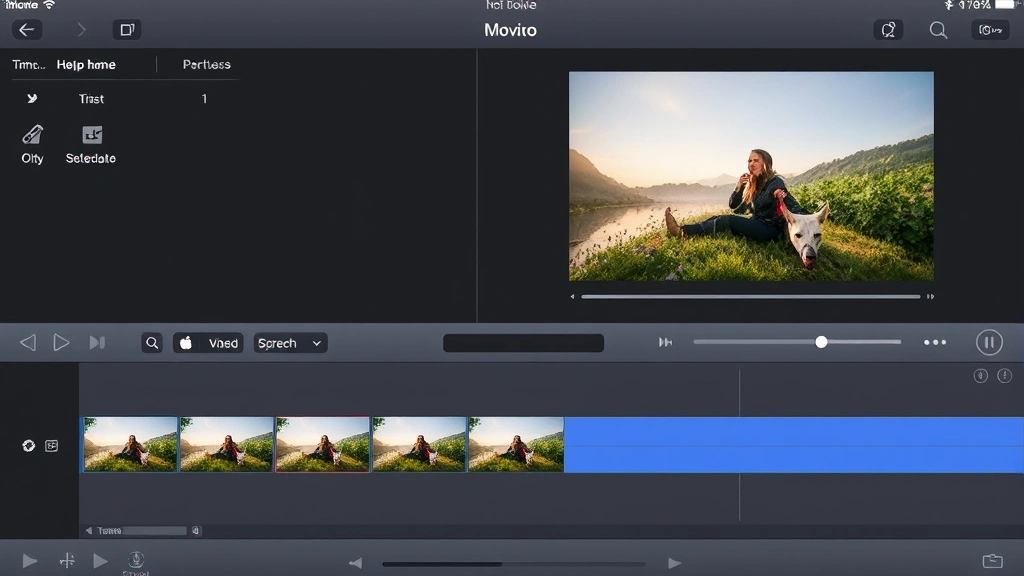
For more sophisticated control over how to speed up a video on iPhone, iMovie offers professional-grade editing capabilities. This free app from Apple provides frame-by-frame speed adjustment, variable speed effects, and the ability to create multiple speed zones within a single video. Download iMovie from the App Store and launch the application to begin.
Create a new project by tapping the plus icon and selecting “Movie.” Import your video from your Photos library by tapping the media icon and choosing your desired clip. Once imported, your video appears in the timeline at the bottom. Tap the video clip to select it, then look for the speed control option in the toolbar—usually represented by a speedometer icon or “Speed” label.
iMovie lets you adjust speed in increments from 0.5x to 2.0x, and you can apply different speeds to different sections of your video. This granular control is perfect for highlighting important moments at normal speed while accelerating through less critical sections. The app also provides real-time preview, so you see exactly how your video looks before exporting. When satisfied with your edits, tap “Done” and then “Share” to save your sped-up video to your Photos library.
According to WikiHow, iMovie remains one of the most accessible video editing tools for beginners, offering professional results without requiring technical expertise. The learning curve is minimal, and most users master the interface within minutes.
Third-Party Apps for Professional Results
When you need advanced features beyond standard speed adjustment, third-party apps provide exceptional capabilities for how to speed up a video on iPhone. Apps like CapCut (free with in-app purchases) and Adobe Premiere Rush (subscription-based) offer sophisticated speed ramping, slow-motion effects, and multi-layer editing. CapCut is particularly popular among content creators because it’s completely free and delivers professional-quality results.
To use CapCut for speed adjustment, download the app, create a new project, and import your video. Select the video clip in your timeline and tap the “Speed” option. CapCut displays a visual timeline where you can adjust speed across different sections of your video. You can create dramatic slow-motion moments followed by rapid-speed sequences, perfect for action videos or creative content. The app supports speeds from 0.1x to 3.0x, giving you maximum flexibility.
Adobe Premiere Rush offers cloud synchronization across devices, allowing you to start editing on your iPhone and continue on your computer. The subscription model (typically $9.99/month) includes unlimited exports, cloud storage, and access to premium effects. For serious creators, this investment pays dividends through enhanced productivity and professional output quality.
As reviewed by Consumer Reports, CapCut consistently ranks among the top free video editing apps due to its powerful features and intuitive interface. The app has become the industry standard for short-form video content creators.
Tips for Maintaining Video Quality
Speeding up videos shouldn’t compromise visual quality, and several best practices ensure your final product looks professional. First, understand that how to speed up a video on iPhone without quality loss depends on your source material. Videos recorded at higher resolutions (4K or 1080p) maintain better quality when sped up compared to lower-resolution footage. Start with the highest quality source material available.
Second, avoid excessive speed increases. While your iPhone can speed up videos to 3x normal speed, the audio often becomes unintelligible at such extreme levels. Most content looks and sounds best at 1.25x to 1.5x speed, providing noticeable time savings without sacrificing clarity. Test different speeds to find the sweet spot for your specific content.
Third, consider audio separately from video. Many editing apps allow you to adjust video speed while maintaining normal audio playback, or vice versa. This flexibility is crucial for tutorials where you want to see faster motion but need to hear clear instructions. Experiment with these options to optimize your viewing experience.
Fourth, export your final video at the same resolution as your source material. Downgrading resolution to save storage space degrades quality unnecessarily. Modern iPhones have sufficient storage for high-resolution videos, so preserve your original quality settings during export.
Troubleshooting Common Issues
Sometimes how to speed up a video on iPhone encounters technical hiccups. If the speed adjustment option doesn’t appear in the Photos app, ensure you’re running iOS 13 or later. Check Settings > General > Software Update to install the latest version. Older iOS versions lack this feature, making an update essential for full functionality.
If iMovie crashes when importing large video files, close unnecessary background apps to free up memory. Large 4K videos consume significant RAM during processing. Alternatively, trim your video before importing to reduce file size and improve app stability. Restart your iPhone and try again if problems persist.
Audio sync issues sometimes occur when using third-party apps. This typically happens when video and audio speed adjustments are applied independently. Solution: ensure both video and audio speed settings match before exporting. Most apps provide audio-video sync verification before final export, so review this carefully.
If your sped-up video exports slowly, this is normal—processing takes time proportional to video length and resolution. A 10-minute 4K video might require 5-10 minutes of processing. Be patient and avoid interrupting the export process. Ensure your iPhone has adequate battery life (ideally above 50%) before exporting large files.
Best Practices for Speed-Up Videos
Mastering how to speed up a video on iPhone extends beyond technical execution—strategic application matters equally. For educational content like tutorials or lectures, speeds of 1.25x to 1.5x work best, allowing viewers to follow along without feeling rushed. For entertainment or vlog content, 1.5x to 2.0x creates engaging pacing without sacrificing comprehension.
Consider your audience when determining appropriate speeds. Technical professionals reviewing complex material might prefer 1.1x speed, while casual viewers watching entertainment content might enjoy 1.75x speed. Always provide viewers with speed control options so they can adjust playback to their preferences, especially if sharing videos on social media or messaging platforms.
For multi-segment videos, vary your speed strategically. Keep important information at normal speed (1.0x), accelerate through transitions or less critical sections (1.5x to 2.0x), and use slow-motion (0.5x to 0.75x) to emphasize key moments. This dynamic approach keeps viewers engaged and emphasizes your content’s most valuable information.
When sharing speed-adjusted videos, always test playback on different devices before distributing. Speed adjustments that look perfect on your iPhone might appear different on computer screens or other mobile devices. Most apps handle playback consistently, but verification prevents unpleasant surprises.
As detailed by Lifehacker, time-saving techniques like video speed adjustment have become essential productivity tools for information-dense content consumption. The average person can absorb content 25-50% faster when speeds are optimized appropriately.
For additional guidance on iPhone functionality, check out our comprehensive guides on how to update apps on iPhone and how to scan with iPhone to maximize your device’s capabilities. If you’re interested in other iPhone features, our article on how to unhide apps on iPhone provides additional valuable information for managing your device efficiently.
FAQ
Q: Can I speed up videos without losing audio quality?
A: Yes, most apps maintain audio quality when speeding up videos. However, extremely fast speeds (3x+) may cause audio distortion. Keep speeds between 1.25x and 2.0x for optimal audio quality.
Q: Will speeding up a video reduce its resolution?
A: No, speed adjustment doesn’t affect resolution. Your video maintains its original quality regardless of playback speed. Export settings determine final resolution, not speed adjustments.
Q: Can I undo speed changes after saving?
A: Yes, if you use the Photos app editing feature, you can re-edit the video and restore original speed. For iMovie projects, keep the original project file to make future adjustments. Third-party apps vary in this capability.
Q: What’s the maximum speed increase supported?
A: Most iPhone apps support speeds up to 2.0x to 3.0x. The Photos app maxes out at 3x speed, while the Videos app typically supports up to 2.0x playback speed.
Q: Does speeding up videos use more storage?
A: Sped-up videos typically use similar storage amounts as original videos, depending on resolution and codec. Some compression occurs during export, potentially reducing file size slightly.
Q: Can I speed up live video streams?
A: No, live streams cannot be sped up in real-time. However, you can record the stream and speed up the recording afterward using the methods described above.
Q: Are there free apps for advanced speed control?
A: Yes, CapCut is completely free and offers professional-grade speed control features. iMovie is also free for all iPhone users. Adobe Premiere Rush requires a subscription but offers a free trial.
Q: How long does it take to export a sped-up video?
A: Export time depends on video length, resolution, and your iPhone model. A 5-minute 1080p video typically exports in 2-5 minutes. 4K videos take proportionally longer.
Q: Can I share sped-up videos directly to social media?
A: Yes, most editing apps include direct sharing options to Instagram, TikTok, YouTube, and other platforms. Alternatively, save to your Photos library and share from there.
Q: What if my iPhone runs out of storage during export?
A: Delete unnecessary files before exporting, or use cloud storage to free up space. Most apps require 20-30% free storage for stable operation. Check Settings > General > iPhone Storage to manage space.