How to Sell on Facebook Marketplace: Essential & Easy Tips

Ready to turn your unused items into cash? Learning how to sell on Facebook Marketplace is one of the fastest ways to declutter your home and earn money without complicated fees or shipping hassles. Whether you’re selling furniture, electronics, or collectibles, this platform connects you directly with local buyers in minutes.
The quick answer: Create or use your existing Facebook account, navigate to Marketplace, click “Sell,” upload clear photos of your item, write an honest description with your asking price, and publish. Most items sell within days when priced competitively and photographed well.
Tools & Materials You’ll Need
- Active Facebook account (personal or business)
- Smartphone or camera for high-quality photos
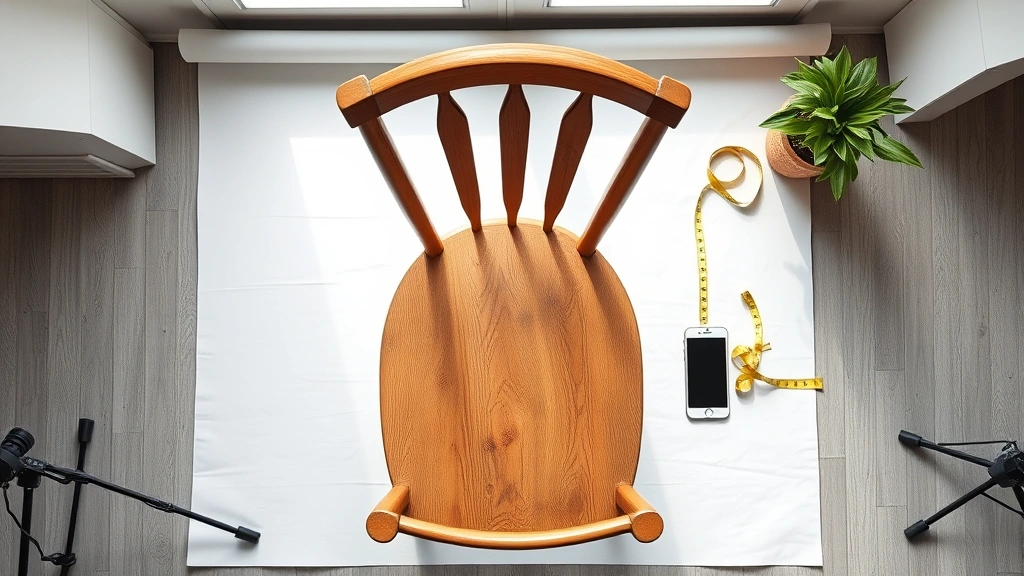
- Good lighting (natural window light works best)
- Clean background or neutral wall
- Measuring tape for dimensions
- Price comparison tools or research notes
- Secure payment method (cash, PayPal, Venmo)
- Optional: props to showcase item scale
Setting Up Your Facebook Marketplace Account
Before you can start selling on Facebook Marketplace, you need a verified Facebook account in good standing. If you don’t have one, create a personal account using your email or phone number—you don’t need a business page to sell on Marketplace, though creating a Facebook Business Page can help if you plan to sell regularly or build a brand presence.
Once logged in, tap the Marketplace icon (it looks like a storefront) on your mobile app or find it in the menu on desktop. Go to “Selling” and select “Create New Listing.” Facebook will ask you to confirm your location and may request additional verification depending on your region. This verification process protects both buyers and sellers, so complete it promptly to unlock full selling capabilities.
Your profile visibility matters when selling on Facebook Marketplace. Buyers often check seller profiles before purchasing, so make sure your profile photo is clear and professional. According to WikiHow’s marketplace guides, sellers with complete profiles and positive activity history receive more inquiries and close sales faster.
Taking Professional Photos That Sell
Photography is the single most important factor in how to sell on Facebook Marketplace successfully. Items with multiple clear, well-lit photos sell 3-5 times faster than those with blurry or dark images. Use natural daylight from a window rather than overhead lights, which create harsh shadows and distort colors.
Take at least 4-6 photos of each item: one clear full-view shot, close-ups of any details or damage, shots from different angles, and a scale reference if it’s small (use your hand or a common object). For furniture, photograph the front, sides, and any special features. If there are flaws—a small stain, scratch, or worn corner—photograph them clearly. Transparency builds buyer trust and reduces return inquiries.
Arrange items against neutral backgrounds like white walls or plain bedsheets. Remove clutter from the background so buyers focus on what you’re selling. For electronics, include photos of the power cord, ports, and screen condition. As noted by The Spruce’s online selling tips, lifestyle photos showing items in use can increase perceived value, especially for furniture and home décor.
Writing Compelling Product Descriptions
Your description is where you convince buyers that your item is worth their money. Start with the most important details: brand, model, size, condition, and age. Be specific—”Nike shoes, size 10, worn twice” sells better than “nice shoes.” Include material composition, color variations, and any special features or upgrades.
Honesty is critical when learning how to sell on Facebook Marketplace effectively. Disclose all damage, stains, missing parts, or functional issues upfront. Buyers appreciate transparency and are less likely to dispute purchases or leave negative feedback when they know exactly what they’re getting. Phrases like “gently used,” “like new,” “excellent condition,” and “for parts” set clear expectations.
Organize your description with line breaks for readability. Use a structure like: Item Name → Condition → Dimensions/Specifications → Included Accessories → Reason for Selling → Pickup Details. Keep descriptions between 150-300 words—long enough to be informative but short enough to read quickly on mobile devices. Include keywords naturally; if you’re selling a desk, mention “wooden desk, home office furniture” to improve searchability.
Pricing Your Items Strategically
Pricing is crucial to how to sell on Facebook Marketplace profitably. Research comparable items already listed to understand your local market. Check “Sold” listings if available, and note the condition and price points of similar items. Generally, expect to receive 40-60% of the original retail price for gently used items, depending on demand and condition.
Consider these pricing factors: brand reputation (name brands sell faster), condition (pristine items command higher prices), market demand (seasonal items may sell slower), and local competition (fewer similar listings mean you can price higher). Build in a small negotiation buffer—many buyers make offers 10-20% below asking price, so pricing slightly above your minimum acceptable price gives room for negotiation.
Test your pricing by monitoring inquiry frequency. If you receive no messages within 3-5 days, lower your price by 5-10%. If you’re flooded with inquiries, you may have priced too low. Facebook Marketplace’s “See Similar” feature shows comparable listings, helping you stay competitive. According to Consumer Reports’ marketplace analysis, items priced within 10% of similar listings sell 40% faster on average.
Managing Inquiries and Communicating with Buyers
When you’ve published your listing, buyer inquiries arrive through Facebook Messenger. Respond quickly—ideally within 2 hours—to show you’re an active, reliable seller. Reply to all messages professionally, even if you’re declining an offer or the item is already sold. Quick response times significantly impact your seller rating and future sales.
Use clear, concise language in messages. Confirm details like item condition, pickup location, and availability. If a buyer asks questions you’ve already answered in your description, answer patiently without frustration. Many buyers haven’t read the full listing carefully, and your helpfulness builds trust and closes sales.
Establish firm pickup times and locations. Suggest a public place like a coffee shop parking lot or busy shopping center for safety. Never agree to ship unless you explicitly offered shipping in your listing—Facebook Marketplace is primarily a local pickup platform. Confirm the meeting time and location with the buyer the day before to reduce no-shows.
Safety Tips for In-Person Transactions
Meeting strangers to exchange cash requires caution. Always meet in public, well-lit locations during daylight hours. Bring a friend or family member, especially for high-value items or evening transactions. Let someone know where you’re going and when you expect to return. Trust your instincts—if something feels off about a buyer’s communication or behavior, cancel the sale.
Inspect payment carefully. Ask for cash in small bills so you can verify it’s genuine. If using digital payment, confirm the funds have cleared before handing over the item. Never accept checks or wire transfers for Marketplace sales. Keep your personal information private—don’t share your address, phone number, or financial details beyond what’s necessary for the transaction.
Protect your items during the sale. Have the buyer inspect the item thoroughly before payment changes hands. Once payment is confirmed, the sale is final—don’t accept returns or refunds after the buyer leaves. Take a photo of the buyer with the item as documentation if you’re concerned about disputes.
Maximizing Your Sales Success
To accelerate how to sell on Facebook Marketplace effectively, list multiple items to build seller credibility. Buyers are more likely to purchase from sellers with several active listings and positive feedback. Post consistently—new listings appear higher in search results, so refresh your inventory regularly.
Use relevant hashtags in your description (#furniture #vintage #electronics) to improve searchability. However, avoid keyword stuffing or misleading tags, which violate Facebook’s policies and can result in listing removal. Share your listings to your personal Facebook timeline and relevant community groups to increase visibility beyond Marketplace’s algorithm.
Build your seller reputation by maintaining a professional demeanor, delivering exactly what you promised, and responding promptly to inquiries. Encourage satisfied buyers to leave positive feedback—good ratings make future sales easier and faster. As Family Handyman’s selling guides note, sellers with five or more positive reviews receive 60% more inquiries than unrated sellers.
Troubleshooting Common Issues
If your listing isn’t getting views, check your pricing against comparable items and lower it slightly. Poor photo quality is another common culprit—retake photos in better lighting and reupload them. Ensure your description includes searchable keywords; vague titles like “stuff” get buried in results while “vintage wooden bookshelf” ranks higher.
If a buyer doesn’t show up for a scheduled pickup, don’t take it personally—no-shows are common on Marketplace. Wait 15-30 minutes, then message the buyer asking if they’re still interested. If they don’t respond, move on to the next buyer. You can always relabel the item “still available” to attract other inquiries.
For items that aren’t selling after two weeks, reassess your approach. Lower the price by 10-15%, retake photos with better lighting, rewrite the description with stronger keywords, or try listing similar items to understand market demand. Some items simply have limited local demand, so don’t get discouraged—adjust and try again.
If you encounter a scammer or suspicious buyer, report them to Facebook immediately. Document the conversation and use the “Report Listing” or “Report User” features. Never send items before payment clears, and never accept payment methods that can be reversed after you’ve handed over your item. Your safety and security are worth more than any sale.
Learning how to sell on Facebook Marketplace becomes easier with each transaction. Start with one or two items to build confidence, then expand your inventory as you become comfortable with the process. The combination of clear photos, honest descriptions, fair pricing, and professional communication will establish you as a trusted seller and generate consistent sales.
FAQ
Q: Do I need a Facebook Business Page to sell on Marketplace?
A: No, you can sell using a personal Facebook account. However, creating a Facebook Business Page adds credibility if you plan to sell frequently or build a brand.
Q: Can I ship items through Facebook Marketplace?
A: Facebook Marketplace is primarily for local pickup, but some sellers offer shipping for additional fees. Always clarify shipping terms in your listing before buyers inquire.
Q: How long does it take to sell an item?
A: Most items sell within 3-7 days if priced competitively and photographed well. High-demand items may sell within hours, while niche items might take 2-3 weeks.
Q: What should I do if a buyer wants to negotiate the price?
A: Negotiate politely within reason. If their offer is significantly lower than your asking price, you can counter with a middle ground or politely decline. Remember you built in negotiation room when pricing.
Q: Is Facebook Marketplace safe?
A: Marketplace is generally safe when you follow precautions: meet in public places, verify payment before handing over items, and trust your instincts about buyers. Never share personal information beyond what’s necessary.
Q: Can I delete a listing after it sells?
A: Yes, delete or mark listings as “sold” to keep your inventory current and maintain a professional appearance. This prevents wasted inquiries from interested buyers.
Q: How do I increase my seller rating?
A: Provide excellent communication, accurate item descriptions, and professional transactions. Encourage satisfied buyers to leave feedback, and address any concerns promptly to maintain positive ratings.