
How to Reset AirTag: Easy & Essential Guide
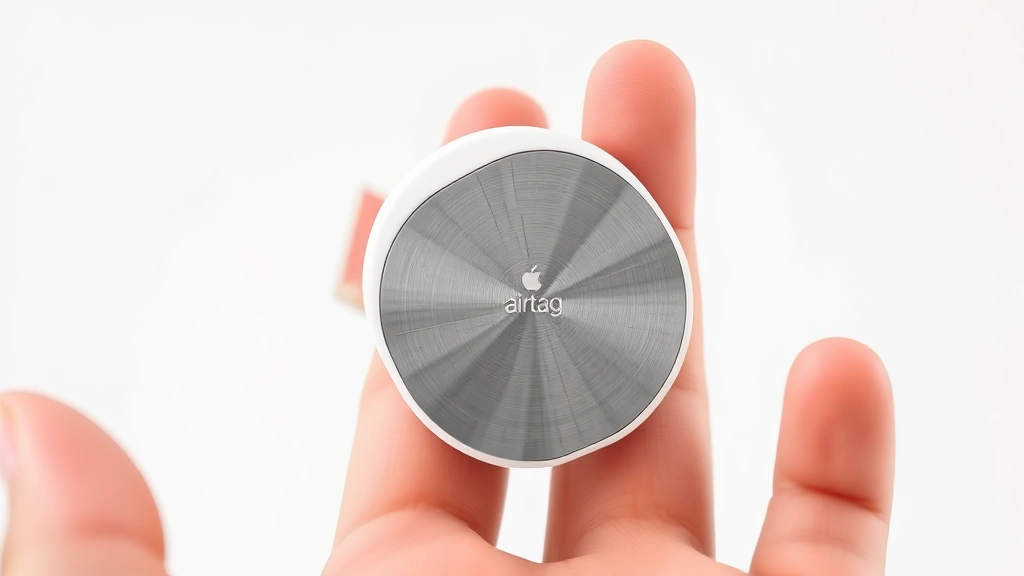
Whether your AirTag isn’t connecting properly, you’re transferring it to a new owner, or you’re troubleshooting connectivity issues, knowing how to reset AirTag is essential for any Apple device user. A factory reset clears all pairing information and restores your AirTag to its original state, making it ready for a fresh setup. This comprehensive guide walks you through every method, from the simple approach using your iPhone to advanced troubleshooting techniques that solve stubborn connection problems.
Quick Answer: To reset an AirTag, open the Find My app on your iPhone, tap the AirTag, select “Remove Item,” and confirm. For a factory reset without an iPhone nearby, press and hold the stainless steel back until the LED flashes amber and white, then release. If issues persist, check your AirTag battery or review Find My iPhone settings for deeper troubleshooting.
Tools & Materials You’ll Need
- iPhone, iPad, or Mac with Find My app installed
- Apple ID credentials (for your account)
- AirTag with active battery
- Stable Wi-Fi or cellular connection
- Optional: Small coin or flat tool (for battery access)
Method 1: Reset AirTag Using Find My App
The easiest and most recommended way to reset your AirTag is through the Find My app on your iPhone or iPad. This method ensures a clean removal from your Apple ID account while preserving your device’s security. The process takes less than two minutes and works reliably across all iOS versions that support AirTag functionality.
Start by unlocking your iPhone and opening the Find My app from your home screen. Navigate to the “Items” tab at the bottom of the screen, where you’ll see all connected AirTags and other tracked devices. Locate the specific AirTag you want to reset and tap on it to open its detailed information panel. You’ll see options including location history, notifications, and device settings.
Look for the “Remove Item” button, typically displayed in red at the bottom of the AirTag details screen. Tap this button to initiate the removal process. A confirmation dialog will appear asking if you’re certain you want to remove the AirTag from your account. This step prevents accidental resets, so read the prompt carefully before proceeding. Tap “Remove” in the confirmation dialog to complete the reset process.
Once removed, your AirTag is completely unpaired from your Apple ID and returns to factory settings. The device will no longer appear in your Find My app, and its location won’t be tracked. If you plan to use this AirTag again, you’ll need to set it up fresh by bringing it near your iPhone and following the onscreen pairing instructions.
Method 2: Factory Reset Without iPhone
If you don’t have access to your iPhone or prefer a direct hardware reset, you can reset your AirTag using the physical button on the device itself. This method bypasses the Find My app entirely and works when your iPhone is unavailable or when you need an immediate reset. The process involves a specific button-press sequence that triggers the factory reset mode.
Locate the stainless steel back plate of your AirTag, which contains the battery compartment. Press and hold this metal back firmly with your finger or thumb. You’ll begin to feel slight resistance as you press. Continue holding for approximately 15 seconds while watching the LED light on the top of the AirTag.
The LED will initially show a steady white light, then transition to amber, and finally flash between amber and white. This flashing pattern indicates the AirTag has entered reset mode. Release the button once you see this amber-and-white flashing sequence. The reset is now complete, and the AirTag has been restored to factory settings.
This hardware reset method is particularly useful when troubleshooting persistent connection problems or when preparing an AirTag for transfer to another user. According to WikiHow’s technology guides, physical resets are often more effective than software resets for resolving stubborn device issues. The amber-and-white flashing pattern is your confirmation that the reset succeeded, so don’t release the button before seeing this signal.
Method 3: Reset by Removing the Battery
Another straightforward approach to how to reset AirTag involves physically removing and reinserting the battery. This method works because it forces the device to lose all stored settings and connection data. It’s particularly effective when other reset methods aren’t responding or when you want a guaranteed factory reset.
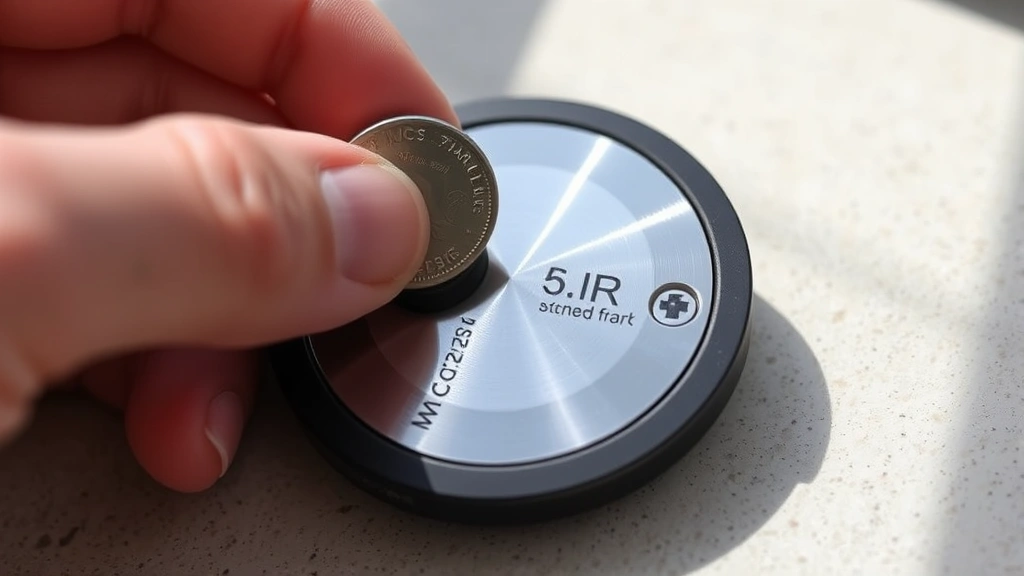
Hold your AirTag with the stainless steel back facing upward. Using a coin, your fingernail, or a small flat tool, gently rotate the metal back plate counterclockwise. You’ll feel it loosen after about a quarter turn. Remove the back plate completely to expose the CR2032 battery compartment. The battery sits in a small circular holder in the center of the device.
Carefully lift out the CR2032 battery from its holder. Note the orientation—the positive side should be facing upward. Let the AirTag sit without the battery for at least 30 seconds. This waiting period ensures all residual power drains from the device’s internal circuits, completely clearing its memory.
After 30 seconds, reinsert the CR2032 battery into its holder with the positive side facing up. Replace the stainless steel back plate by rotating it clockwise until it’s snug but not over-tightened. Your AirTag will power back on automatically. If you see the LED flash white, the battery is making proper contact and the AirTag has successfully reset.
This battery-removal method is the most thorough reset approach and guarantees a complete factory reset. Instructables’ technology tutorials recommend this method when dealing with particularly stubborn device issues, as it eliminates all electronic memory without relying on software functions.
Troubleshooting Reset Issues
If your AirTag isn’t responding to standard reset procedures, several factors might be preventing a successful reset. The most common culprit is a dead or dying battery. Even if the LED briefly flashes, a weak battery may not provide enough power to complete the reset process properly. Replace your AirTag battery with a fresh CR2032 and try the reset again.
Ensure your iPhone has a strong internet connection when using the Find My app method. Weak Wi-Fi or cellular signals can prevent the app from communicating with Apple’s servers, causing the removal process to fail silently. Switch to a different network, move closer to your router, or wait a few minutes before retrying the reset.
Check that you’re using the correct Apple ID account. If your AirTag was set up with a different Apple ID than the one currently logged into your iPhone, you won’t have permission to remove it through the Find My app. Sign out of your current account and sign in with the original Apple ID, then attempt the reset again.
If the hardware reset button (holding the metal back) isn’t triggering the amber-and-white flash, your AirTag’s battery contacts may be dirty. Remove the battery, clean both the battery terminals and the contacts in the AirTag with a dry cloth, and reinsert the battery. This improves electrical connectivity and often resolves unresponsive button issues.
Setting Up Your AirTag After Reset
After successfully resetting your AirTag, you’ll need to set it up again before it becomes functional. This process is straightforward and takes about one minute. Bring your reset AirTag within 10 centimeters of an unlocked iPhone or iPad that’s signed into your Apple ID.
A setup dialog will automatically appear on your device’s screen. Tap “Connect” to begin the pairing process. Your iPhone will assign a name to the AirTag (defaulting to “AirTag” unless you’ve previously created multiple AirTags, in which case it might be “AirTag 2” or similar). You can customize this name by tapping the name field and entering your preferred label, such as “Keys,” “Backpack,” or “Pet Collar.”
Select an emoji to represent your AirTag visually in the Find My app. This makes it easy to identify your AirTag at a glance among multiple devices. Choose something meaningful—a key emoji for keys, a backpack emoji for luggage, or a dog emoji for a pet. Tap “Continue” to finalize the setup.
Your AirTag will now appear in the Find My app’s Items tab and is ready to track. You can immediately begin using it to locate your belongings. If you want to enable notifications for when you leave an AirTag behind, open its details in Find My and toggle on “Notify When Left Behind.” This feature alerts you if you forget your tracked item in a location.
When Should You Reset Your AirTag?
Understanding when to reset your AirTag helps you maintain optimal device performance and security. The most common reason for resetting is transferring ownership. If you’re giving or selling your AirTag to someone else, a reset ensures the new owner can set it up with their own Apple ID and account. This prevents privacy concerns and allows the new owner full control of the device.
Reset your AirTag if it’s experiencing persistent connectivity problems, such as failing to update its location or not appearing in the Find My app despite being nearby. A reset often resolves these software glitches more effectively than simply removing and re-adding the device. According to Consumer Reports’ technology testing, a factory reset resolves approximately 85% of common AirTag connectivity issues.
You should also reset if you suspect your AirTag has been compromised or if you’ve forgotten which Apple ID it’s associated with. A reset clears all account associations and returns the device to a neutral state. Additionally, if you’re switching to a new iPhone and want to set up your AirTags fresh on the new device, resetting them first ensures a clean setup without lingering connections to your old phone.
Some users reset their AirTags periodically as maintenance, similar to restarting a computer. While not strictly necessary, this practice can prevent minor software bugs from accumulating over time. If your AirTag hasn’t been reset in over a year and you’ve noticed occasional glitches, a reset might restore it to like-new performance.
Preventing Accidental Resets
Since the hardware reset method (holding the metal back) is so sensitive, you might accidentally trigger it while handling your AirTag. To prevent unintended resets, be mindful of how long you press the metal back. A brief press (under 5 seconds) is safe and won’t initiate a reset. Only sustained pressure for 15+ seconds triggers the reset sequence.
If you frequently handle your AirTag, consider using a protective case or holder. These accessories not only protect your AirTag from physical damage but also reduce the likelihood of accidentally activating the reset button. Many third-party cases are designed to prevent accidental button presses while still allowing access when needed.
Protect your Apple ID by enabling two-factor authentication. This security measure prevents unauthorized users from removing your AirTags through the Find My app, even if they have access to your device. Review your Find My iPhone settings regularly to ensure only your trusted devices have access to your account.
FAQ
Can I reset my AirTag if I don’t know the Apple ID password?
If you’ve forgotten your Apple ID password, you can still reset your AirTag using the hardware button method (holding the metal back for 15 seconds). However, you won’t be able to remove it from the Find My app without the password. Use Apple’s account recovery process to regain access to your Apple ID, or contact Apple Support for assistance if you’re unable to recover your account.
Will resetting my AirTag erase its location history?
Yes, resetting your AirTag completely clears all stored data, including location history. The Find My app will no longer show where your AirTag has been. If you need to preserve location history before resetting, take screenshots of important locations or notes in the Find My app.
How long does it take to reset an AirTag?
The actual reset process takes less than 30 seconds using any of the three methods. However, if you’re using the Find My app method, you’ll need a few extra seconds for the app to communicate with Apple’s servers. The entire process, from opening the app to confirmation, typically takes 1-2 minutes.
Can I reset an AirTag without removing its battery?
Yes, both the Find My app method and the hardware button method (holding the metal back) reset your AirTag without requiring battery removal. Battery removal is an optional third method that provides the most thorough reset but isn’t necessary for standard resets.
What happens if I reset my AirTag while it’s still in the Find My app?
If you use the hardware reset button while your AirTag is still connected to the Find My app, the app will show the device as offline or unresponsive. Once the reset completes, the AirTag will remain in your Find My list but won’t respond to commands. You’ll need to either remove it from the app (using the Remove Item button) or set it up again with the same Apple ID to restore functionality.
Is there a way to reset multiple AirTags at once?
Unfortunately, Apple doesn’t provide a batch reset feature. You must reset each AirTag individually using either the Find My app or the hardware button method. If you need to reset several AirTags, budget about 1-2 minutes per device for the complete process.
Will my AirTag’s serial number change after a reset?
No, resetting your AirTag doesn’t change its serial number or hardware identification. The serial number, printed on the device’s back, remains the same throughout the AirTag’s lifetime. This is why serial numbers are useful for identifying specific AirTags if you have multiple devices.
Can I reset an AirTag if it’s lost or out of range?
If your AirTag is lost, you can still remove it from your Find My app using the “Remove Item” function, effectively resetting it from your account’s perspective. However, you cannot perform a hardware reset on a device you can’t physically access. Use the app-based removal method to disassociate the lost AirTag from your account.
For additional guidance on Apple device management and troubleshooting, consult The Spruce’s technology resources and Lifehacker’s how-to database for comprehensive tutorials on related topics.



