
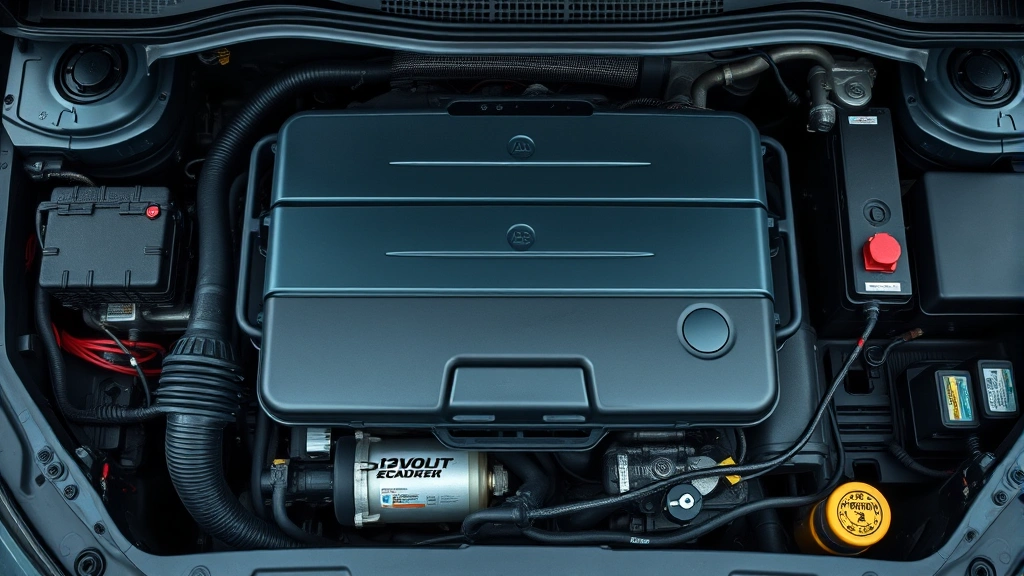
A dead or dying car battery is one of those frustrating moments that catches everyone off guard. Whether you’re replacing it yourself, upgrading to a higher-capacity unit, or just need to disconnect it for storage or maintenance, knowing how to remove a car battery safely is essential. This isn’t complicated work, but it’s easy to mess up if you skip steps—and a mistake here can damage your vehicle’s electrical system or worse, cause injury.
The good news? With the right approach and about 15 minutes of your time, you can handle this job in your driveway. Let’s walk through exactly what you need to do, why order matters, and what to watch out for.
Before You Start: Safety First
Car batteries pack serious punch—we’re talking about 12 volts of direct current that can cause sparks, electrical burns, and acid damage if you’re careless. The battery acid inside is sulfuric acid, which will eat through skin and clothing. This isn’t meant to scare you; it’s meant to get your head in the right place before you turn a wrench.
Here’s what you absolutely must do before touching anything:
- Turn off the engine and let it cool for at least 5 minutes. Don’t work on a hot engine.
- Turn off all electrical accessories—lights, radio, climate control, everything. This protects both you and the vehicle’s computer.
- Remove metal jewelry like rings, bracelets, and watches. A metal object bridging the battery terminals can cause a short circuit and serious burns.
- Wear safety glasses and gloves. Nitrile gloves are fine; leather is better if you have them.
- Work in a well-ventilated area. Batteries can emit hydrogen gas, especially if they’re damaged.
- Never smoke or create sparks near the battery.
If your battery is visibly cracked, leaking, or swollen, stop immediately and call a professional. A damaged battery is unpredictable and dangerous.
Tools and Materials You’ll Need
The beauty of removing a car battery is that you don’t need much. Here’s the real list:
- Socket set or combination wrench (typically 8mm, 10mm, or 13mm—check your manual or look at the terminal bolts first)
- Ratchet handle (makes loosening bolts easier)
- Safety glasses
- Work gloves (nitrile or leather)
- A helper (optional but smart—batteries are heavy, usually 30–50 lbs depending on the vehicle)
- Battery terminal puller (optional—a $10–15 tool that grips the terminal and pulls it straight off without twisting)
That’s it. You don’t need a battery charger, a multimeter, or fancy equipment for this job.
Step 1: Disconnect the Negative Terminal
This is the most critical step, and the order matters. Always disconnect the negative terminal first. Always.
Here’s why: The negative terminal is connected to the vehicle’s chassis (ground). If you disconnect the positive terminal first and accidentally touch a metal tool to the negative terminal while it’s still connected, you’ll create a short circuit. Sparks, heat, and potential injury follow. By disconnecting negative first, you break the circuit and eliminate that risk.
Here’s what to do:
- Locate the battery under the hood. It’s usually a rectangular black plastic box with two thick cables attached to the top.
- Identify which terminal is negative. The negative terminal has a minus sign (−) or the letter “N” printed on it, and the cable is usually black (though don’t rely on color alone—always check the marking).
- Loosen the bolt or nut holding the negative cable to the terminal. Turn counterclockwise with your wrench.
- Once the bolt is loose enough, wiggle the cable terminal gently side-to-side to break it free. If it’s stuck, use a battery terminal puller or tap the wrench lightly with a hammer. Never yank or twist hard—you can damage the terminal.
- Slide the negative cable off the terminal and move it aside. Some people tape it to the side of the engine bay so it doesn’t accidentally touch the positive terminal.
Take your time here. Patience beats speed every time.
Step 2: Disconnect the Positive Terminal
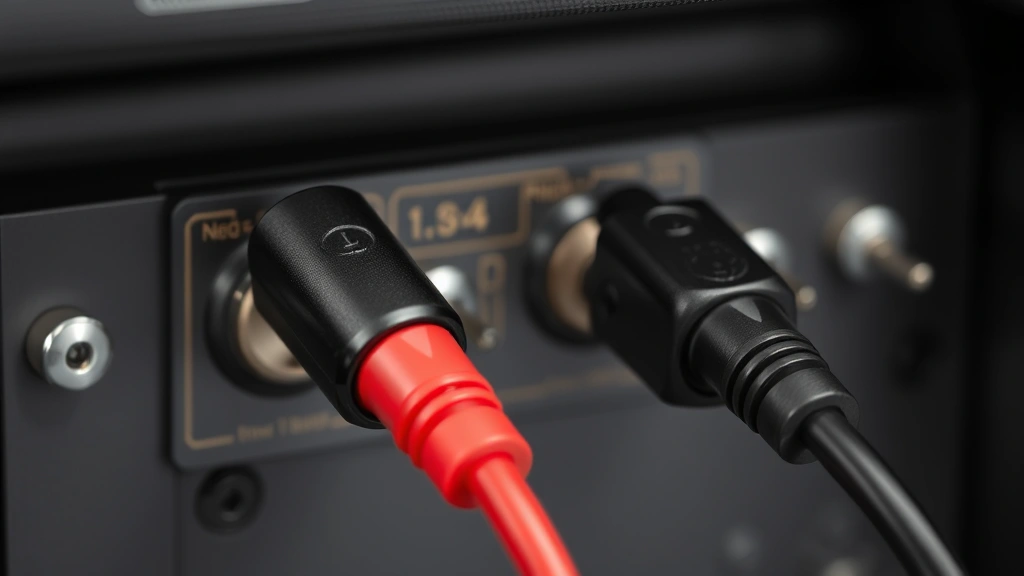
Now that the negative is off, the positive terminal is safe to disconnect. This step is identical to the first, just on the other side.
- The positive terminal has a plus sign (+) or the letter “P” on it. The cable is usually red.
- Loosen the bolt or nut holding the positive cable. Turn counterclockwise.
- Wiggle gently to break it free. Use the same patience you used on the negative side.
- Slide the positive cable off and move it aside, away from the battery.
At this point, both cables are disconnected. Your battery is electrically isolated from the vehicle. You’ve eliminated the risk of sparks or shorts. Good work.
If your battery terminals are heavily corroded (crusty white, blue, or green buildup), check out our guide on how to clean corroded battery terminals for next time—it’ll make future removals much easier.
Step 3: Remove the Battery Hold-Down Clamp
Batteries don’t just sit loose in the engine bay. Most vehicles have a metal or plastic clamp or bracket that holds the battery in place. This prevents it from bouncing around while you drive.
Look under or around the battery for this clamp. It’s usually a metal bar or bracket with one or two bolts.
- Loosen the bolt(s) holding the clamp to the battery tray or the vehicle frame.
- Once loose, lift the clamp away from the battery. Don’t remove it completely—just get it out of the way.
Some vehicles have the clamp bolted to the top of the battery itself. In that case, remove it completely so it doesn’t get in your way when lifting.
Pro Tip: Take a photo of the battery and cables with your phone before you start. This gives you a reference when it’s time to reinstall everything. It takes 10 seconds and saves headaches later.
Step 4: Lift the Battery Out Carefully
This is where most people hurt themselves. Car batteries are heavy—typically 30 to 50 pounds depending on your vehicle. They’re also awkward to grip because of the cables and terminals.
Here’s the safe way to lift:
- Get a good grip. If your battery has a handle (many modern ones do), use it. If not, grip the sides firmly with both hands. Never lift by the cables or terminals.
- Bend your knees, not your back. Treat it like lifting any heavy object—squat down, keep your back straight, and let your legs do the work.
- Lift straight up. Don’t tilt or twist the battery. Tilted batteries can spill acid.
- Ask for help if you need it. A 40-pound battery is awkward. Having a second person guide it or support it from the side is smart, not weak.
- Set it down on a stable, level surface away from the engine bay. A workbench or sturdy table is ideal.
Once the battery is out, you’re done with the removal. The hardest part is over.
What to Do With Your Old Battery
Don’t just toss your old battery in the trash. Car batteries contain lead and sulfuric acid—both hazardous materials. Dumping them is illegal in most places and damages the environment.
Here are your options:
- Return it to the auto parts store where you buy the new one. Most retailers (AutoZone, O’Reilly, Advance Auto Parts) accept old batteries and usually offer a core charge (a small credit toward your purchase) if you bring one in. No battery, no problem—they’ll still sell you a new one.
- Take it to a recycling center. Call your local waste management facility or search online for battery recycling near you. It’s free or very cheap.
- Ask your mechanic to handle it. If you’re getting the new battery installed at a shop, they’ll dispose of the old one properly as part of the service.
Lead-acid batteries are one of the most recycled products in North America—over 99% of the lead and plastic gets recovered and reused. Getting your old battery to the right place is the responsible move.
Now, if you’re reinstalling a battery, the process is the reverse: hold-down clamp first, then positive terminal, then negative terminal. Tighten securely but don’t overtighten—you’ll strip the threads.
Safety Warning: Before you start the engine after a battery removal or replacement, double-check that both cables are tight and secure. A loose connection can cause arcing (sparking) and damage. If the engine doesn’t start or you hear clicking sounds, stop and check your connections.
Frequently Asked Questions
Do I need to disconnect the negative terminal first, or can I do positive first?
– Always disconnect negative first. The negative terminal is grounded to the vehicle’s chassis. If you disconnect positive first and accidentally touch a metal tool to the negative terminal, you’ll create a short circuit and sparks. Negative first eliminates that risk entirely.
Will disconnecting the battery erase my radio presets or car settings?
– On older vehicles, yes—your radio might lose presets. On modern cars with backup power systems, most settings are preserved. To be safe, write down your radio presets before you start. Some vehicles have a battery backup for the computer that keeps settings alive for 10–15 minutes after disconnection, so you have a window to work.
How long can a car battery sit disconnected?
– Indefinitely, as long as it’s stored in a cool, dry place. A disconnected battery won’t discharge (much) while sitting. If you’re storing a vehicle for winter or long-term, disconnecting the battery is actually a good idea—it prevents slow parasitic drain that can kill a battery over months of inactivity.
What if the battery terminal won’t come off?
– Corrosion is the culprit. Try tapping the wrench lightly with a hammer to vibrate it loose. If that doesn’t work, spray some penetrating oil (like WD-40) around the terminal and wait 10 minutes. A battery terminal puller (a $10–15 tool) is also incredibly helpful for stuck terminals—it grips the terminal ring and pulls straight without twisting.
Can I remove the battery myself, or do I need a mechanic?
– You can absolutely do it yourself. It’s one of the easiest DIY car maintenance jobs. If you’re uncomfortable working under the hood or have a damaged battery (cracked, leaking, swollen), take it to a mechanic. Otherwise, grab a wrench and go for it.
Is it normal for the battery to be hot?
– Slightly warm is normal, especially if the engine was running. Hot enough to burn your hand is not normal—it could indicate a charging system problem or internal damage. If the battery is very hot, let it cool and consider having it tested before reinstalling.

What should I do if battery acid gets on my skin?
– Rinse immediately with large amounts of water for at least 15 minutes. Remove contaminated clothing. Then seek medical attention. Battery acid is serious. For more information on chemical safety, check OSHA’s chemical safety guidelines.
Do I need to wear gloves the entire time?
– Yes. Nitrile or leather gloves protect against acid, corrosion, and sharp edges on the battery case and terminals. Wear them the whole time you’re working.


