
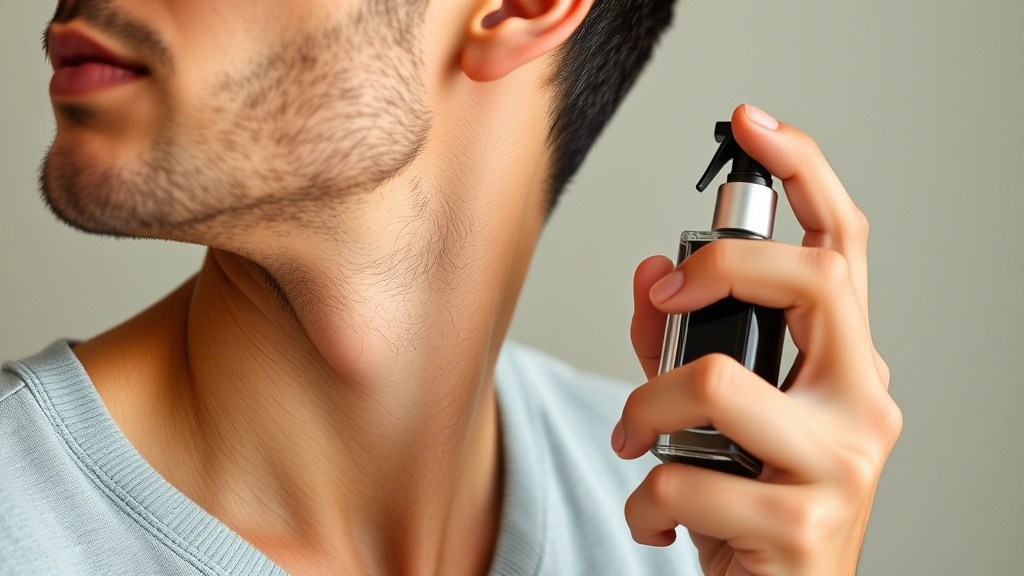
Most guys spray cologne like they’re hosing down a driveway. One massive cloud, and they walk through it hoping something sticks. Then they wonder why they smell like a department store clearance rack by noon, or worse—why nobody can get within three feet of them without coughing.
Here’s the real talk: how to put on cologne isn’t complicated, but it does require intention. The difference between smelling fresh and smelling like you bathed in a bottle comes down to technique, placement, and restraint. This guide breaks down exactly how to apply cologne so it works with your body chemistry instead of against it.
The Science Behind Cologne Application
Before we talk about how to put on cologne, you need to understand what you’re actually dealing with. Cologne isn’t like deodorant or body spray. It’s a fragrance concentrate mixed with alcohol and water, typically containing 3-8% fragrance oils. When you spray it, the alcohol evaporates quickly, leaving behind the scent compounds that interact with your skin’s natural oils and warmth.
Your body heat is the secret weapon here. Fragrance molecules activate and project better when they’re warm. That’s why spraying cologne on cold skin or over clothes just doesn’t work the same way. Think of it like this: cologne needs your body to be the stage, not just a place to land.
According to Family Handyman’s lifestyle experts, the most common mistake is treating cologne like it’s a utility instead of a craft. You wouldn’t just slap paint on a wall without prep work—same principle applies here.
The fragrance molecules also bond differently depending on skin type. Oily skin holds scent longer (sometimes too long). Dry skin releases it faster. That’s why two people wearing the same cologne can smell completely different. Understanding your skin type helps you adjust how much you apply and where.
Where to Apply Cologne on Your Body
Location matters more than most guys realize. You’re not trying to cover your whole body. You’re strategically placing cologne on pulse points—areas where blood vessels sit close to the skin and generate heat.
The main pulse points are:
- Neck (sides and back): This is ground zero. Heat radiates from your neck constantly, making it the best spot for projection. One or two sprays here will carry throughout your day.
- Wrists: The inside of your wrists has a major pulse point. This works especially well if you’re going to be shaking hands or doing anything where people get close to your arms.
- Chest/upper torso: Spray one shot on your chest, roughly where your heart is. The warmth from your body will activate the fragrance and it’ll project naturally as you move.
- Behind the ears: This is subtle but effective. People who get close to you will notice it, which is perfect for intimate settings.
- Inner elbows: If you want extra longevity, hit the inside of your elbows. The warmth there keeps fragrance alive for hours.
Avoid these spots: Don’t spray cologne on your face, genitals, or any broken skin. Also skip the back of your neck if you have long hair—it’ll just get absorbed by the hair and won’t perform well.
Pro Tip: If you’re wearing a suit or blazer, spray cologne before you put it on. Let it dry for 30 seconds, then get dressed. This prevents the fragrance from being trapped under layers and gives it room to breathe and project.
The key to understanding how to put on cologne properly is recognizing that you’re not trying to create a scent bubble around yourself. You’re creating an aura that people notice when they’re near you, not from across the room.
How Much Cologne to Use
This is where most guys go wrong. They think more = better. It doesn’t. Too much cologne is worse than too little. You’ll be that guy people avoid in the elevator.
Here’s the guideline: Two to four sprays total per application. That’s it. Not per area—total.
If you’re using a spray bottle (which you should be), here’s how to count:
- Light day or office setting: 2 sprays. One on the neck, one on the chest.
- Normal day or casual outing: 3 sprays. Neck, chest, and one wrist.
- Evening or special occasion: 4 sprays maximum. Neck, chest, both wrists, or neck, chest, and behind both ears.
If you’re applying to pulse points, you don’t need to spray and spray and spray. One spray per pulse point is enough. The fragrance will diffuse naturally from there.
A good test: After you apply cologne and it dries (about 30 seconds), you should barely smell it on yourself. If you can smell it strongly, you’ve used too much. The fragrance is meant for other people to notice, not for you to be constantly aware of it.
According to This Old House’s grooming guides, the “less is more” philosophy applies to fragrance just like it does to home improvement. Restraint looks better than excess.
The Correct Technique for Applying Cologne
Now let’s talk actual execution. The way you spray matters.
Step 1: Hold the bottle correctly. Hold your cologne bottle 3-6 inches away from your skin. Too close and you’ll oversaturate one spot. Too far and the spray disperses before it lands on you.
Step 2: Spray in a quick motion. One quick press of the nozzle. Don’t hold it down. A half-second press gives you one spray. That’s all you need.
Step 3: Let it settle. After you spray, don’t rub the area. Don’t wipe it. Don’t fan it. Just let it sit for 30 seconds while the alcohol evaporates. Rubbing cologne is like rubbing wet paint—you’re just moving it around and messing up the application.
Step 4: Get dressed. Once it’s dry, you’re good to go. If you’re wearing a shirt or jacket, the fragrance will activate as your body warms up.
For how to put on cologne on your wrists specifically: Spray one wrist, then gently press both wrists together for about a second. Don’t rub them back and forth like you’re trying to start a fire. Just a gentle press. This distributes the fragrance evenly without breaking down the scent molecules.
Here’s a pro move: Some guys spray cologne into the air and walk through the mist. This works if you’re being very light-handed, but it’s harder to control. The spray-on-skin method is more reliable because you know exactly where the fragrance is going.
The pulse point activation technique: After you spray a pulse point, you can gently press that area for 2-3 seconds. The warmth from your fingertip activates the fragrance slightly. Don’t massage or rub—just press. This is optional but it does help with projection.
Timing and When to Apply Cologne

When you apply cologne matters almost as much as how.
Best time: Right after showering. Your skin is warm, clean, and slightly damp. This is ideal. The warmth helps activate the fragrance, and your clean skin provides a blank canvas for the scent to develop. Apply cologne while your skin is still slightly warm from the shower, but wait until you’ve dried off completely. Wet skin will dilute the fragrance.
Second best time: Before getting dressed. Apply cologne to clean, dry skin, then let it settle for 30-60 seconds before putting on clothes. This gives the alcohol time to evaporate and the fragrance time to bond with your skin.
Avoid applying cologne:
- Over deodorant or antiperspirant (the ingredients can react negatively)
- To wet or damp skin (it dilutes the fragrance)
- Right before bed (unless you want to sleep in it)
- In direct sunlight (UV rays can break down fragrance molecules)
- Multiple times throughout the day (reapply only if necessary, usually after 4-6 hours)
Reapplication is something a lot of guys wonder about. If you’ve applied how to put on cologne correctly in the morning, you shouldn’t need to reapply until late afternoon or evening. If you find yourself reapplying every 2 hours, you either applied too much initially or your cologne has poor longevity. Either way, it’s a sign to adjust your technique or try a different fragrance.
Safety Note: Never apply cologne and then immediately go out in intense sun. The alcohol in cologne can make your skin more sensitive to UV rays. Wait at least a few minutes, or apply it after you’ve gotten dressed and are heading indoors or into shade.
Common Mistakes People Make
Let’s break down what not to do, because these are the mistakes that tank your fragrance game:
Mistake 1: Spraying cologne on your clothes. This is probably the most common error. Cologne on fabric doesn’t interact with your body heat. It just sits there, gets absorbed into the fibers, and fades unevenly. Plus, it can stain some fabrics. Always apply to skin, not clothes.
Mistake 2: Rubbing your neck after applying. You’re not working the cologne in. You’re breaking it down and redistributing it. Let it dry on its own.
Mistake 3: Using cologne as a substitute for hygiene. Cologne covers smell; it doesn’t replace a shower. If you’re relying on fragrance to mask body odor, you’ve already lost. Shower first, then apply cologne.
Mistake 4: Applying to the same spots every single day without variation. Your nose adapts to scents you wear constantly. This is called olfactory adaptation. If you wear the exact same fragrance in the exact same spots every day, you’ll stop noticing it, even if others can still smell it. Vary your application spots or alternate fragrances occasionally.
Mistake 5: Buying cologne based on how it smells in the store. Cologne smells different on your skin than in the bottle. The alcohol in the bottle masks the true scent. Always test it on your skin and wait 15 minutes to see how it develops. This is why how to put on cologne involves understanding your specific skin chemistry.
Mistake 6: Applying cologne to your face or genitals. The alcohol will irritate sensitive skin. Stick to the pulse points on your neck, chest, wrists, and behind your ears.
Mistake 7: Not accounting for the occasion. Light cologne for the office. Heavier fragrance for evening events. Adjust your application amount based on the setting.
How to Make Cologne Last Longer
If you’re applying how to put on cologne correctly but it’s fading by mid-afternoon, here are some strategies to extend longevity:
Layer your fragrance. Use a scented body wash or lotion in the same fragrance family as your cologne. Apply the lotion first, let it dry, then apply cologne on top. The lotion provides a base that helps the fragrance last longer. It’s like priming before painting—it gives the cologne something to hold onto.
Apply to damp (not wet) skin. Slightly damp skin holds fragrance better than completely dry skin. After your shower, wait until you’re mostly dry, but let your skin retain a tiny bit of moisture. This helps the fragrance molecules bond better.
Use a fragrance oil instead of cologne. If longevity is your main concern, look into fragrance oils or parfum (which has a higher concentration of fragrance oils than cologne). These last significantly longer. However, they’re also more expensive and need to be applied more sparingly.
Apply to pulse points consistently. The more pulse points you hit, the longer the fragrance lasts because you’re distributing it across areas with sustained heat. Three to four sprays across multiple pulse points will last longer than four sprays in one spot.
Avoid applying over antiperspirant. Antiperspirant creates a barrier on your skin. Cologne applied over it won’t bond as well. Apply cologne to clean skin, then apply antiperspirant if needed.
Keep your skin moisturized. Dry skin releases fragrance faster. Use a basic moisturizer on your pulse points before applying cologne. This helps the fragrance last longer because it has more to adhere to.
According to Bob Vila’s grooming expertise, the foundation matters. Just like a good paint job requires proper surface prep, good fragrance performance requires proper skin prep.
Storage and Care Tips
How you store your cologne affects how long it lasts and how well it performs. This is the part most guys completely ignore, but it matters.
Store in a cool, dark place. Heat and light break down fragrance molecules. Keep your cologne in a cabinet, drawer, or closet. Not on the bathroom counter in direct sunlight. Not on your dresser by a window. Cool and dark. Room temperature is ideal.
Keep the cap on. Every time you leave the cap off, alcohol evaporates. Over time, this changes the fragrance composition and reduces longevity. Always cap your bottle immediately after use.
Avoid extreme temperature swings. Don’t keep cologne in a hot car or a freezing garage. Temperature fluctuations break down the fragrance. Consistent temperature is better than perfect temperature.
Keep it away from humidity. The bathroom is actually a terrible place to store cologne, despite what most guys do. Steam and humidity can affect the fragrance. A bedroom closet or linen cabinet is better.
Don’t shake the bottle vigorously. Shaking introduces air bubbles and oxidizes the fragrance. If you need to mix it, gently roll the bottle between your hands. Or just let it settle naturally.
Check the expiration date. Cologne doesn’t go bad quickly, but it does eventually. Most fragrances last 3-5 years if stored properly. If your cologne smells noticeably different or weaker than it used to, it might be time to replace it.
Buy the right size. Larger bottles are cheaper per ounce, but only if you’ll actually use them. A 3.4 oz bottle is standard. If you don’t use cologne regularly, get the smaller size so it doesn’t sit around degrading.
Proper storage is part of understanding how to put on cologne correctly. You can apply it perfectly, but if you’re storing it wrong, you’re fighting a losing battle.
Frequently Asked Questions
How many times a day should you apply cologne?
– Once per day is the standard. Apply it in the morning after your shower, and it should last until evening. If you need to reapply, do it once in the late afternoon, but avoid reapplying multiple times throughout the day. That’s a sign you either applied too much initially or your fragrance has poor longevity. Most quality colognes last 4-6 hours minimum with proper application.
Can you apply cologne to your clothes instead of your skin?
– You can, but you shouldn’t. Cologne on fabric doesn’t interact with your body heat the way it does on skin. It also fades unevenly, can stain some materials, and won’t project as well. Always apply to clean, dry skin at pulse points. If you want fragrance on your clothes, use a fabric spray specifically designed for that purpose, not cologne.
Is it bad to apply cologne every day?
– No, applying cologne daily is fine. Your nose will adapt to the scent (olfactory adaptation), so you might stop noticing it on yourself even though others can still smell it. To combat this, you can rotate between two fragrances or vary where you apply the same fragrance. But applying cologne daily won’t damage your skin or health.
What’s the difference between cologne, eau de toilette, and eau de parfum?
– The main difference is fragrance concentration. Cologne has 3-8% fragrance oils. Eau de toilette has 5-15%. Eau de parfum has 15-20%. Higher concentration means longer-lasting fragrance and more intense projection. Eau de parfum is more expensive but lasts longer, so you might use less of it. For how to put on cologne, the application technique is the same regardless of type, but you may need to adjust the amount based on concentration.
Should you apply cologne before or after deodorant?
– Apply deodorant or antiperspirant first, let it dry completely, then apply cologne. Never apply cologne directly over wet deodorant. The ingredients can react negatively and the deodorant creates a barrier that prevents the fragrance from bonding properly with your skin. Let your deodorant dry for at least a minute before applying cologne.
Why does cologne smell different on me than on my friend?
– Skin chemistry. Everyone’s skin has different pH levels, natural oils, and bacterial composition. These factors affect how fragrance develops and projects on your skin. The same cologne will smell slightly different on two different people. This is also why you should always test cologne on your skin before buying, not just in the bottle or on a tester strip.
Can you layer different colognes together?
– You can, but it’s risky. Mixing fragrances can create an unpleasant scent combination. If you want to layer, use fragrances from the same family or brand that are designed to work together. Generally, it’s better to stick with one cologne per day and rotate between different fragrances on different days.
What’s the best way to apply cologne if you have sensitive skin?
– Apply to pulse points on your neck and chest rather than wrists, which can be more sensitive. Use less product (one to two sprays instead of three to four). Avoid applying immediately after shaving, as your skin will be irritated. If you have very sensitive skin, consider using a fragrance oil designed for sensitive skin, or test the cologne on a small patch first. Never apply cologne to broken or irritated skin.
How long does it take for cologne to dry?
– About 30 seconds to one minute. The alcohol evaporates quickly, but the fragrance continues to develop on your skin for several minutes. Wait at least 30 seconds before putting on clothes to avoid trapping the alcohol underneath. The scent will continue to evolve for up to 15 minutes after application.
Is it okay to apply cologne to your neck and then wear a turtleneck or high collar?
– Yes, but be aware that the collar will trap some of the fragrance and reduce projection. If you want maximum scent projection, apply to your chest instead. If you want a more subtle, personal fragrance experience, the neck under a collar works well. Just avoid applying so much that it becomes overwhelming in that trapped space.
Understanding how to put on cologne properly transforms the entire experience. You go from being that guy who reeks of fragrance to being the guy people notice in the best way. It’s not complicated—it’s just technique, restraint, and intention. Start with two to three sprays on your pulse points, let it dry, and adjust from there based on feedback and your own observations. Your cologne game will improve dramatically.
For more detailed guidance on personal grooming and application techniques, check out how to apply cologne for additional strategies. If you’re interested in mastering other daily routines, explore related guides like how much to tip a massage therapist to understand the etiquette of personal care services.


