

Need to obtain a police report but don’t know where to start? You’re not alone. Whether you’re dealing with an insurance claim, a legal matter, or just need documentation for your records, figuring out how to obtain a police report can feel like navigating a bureaucratic maze. The good news: it’s actually straightforward once you know the process.
Most people don’t realize that police reports are public records in most jurisdictions—meaning you have a legal right to access them. The trick is knowing which agency holds the report, what information you’ll need, and whether you’re dealing with a local police department, state police, or sheriff’s office. In this guide, we’ll walk you through every step to help you obtain a police report without the headaches.
Identify the Correct Police Agency
Here’s where most people stumble: figuring out which agency actually has your report. Police reports aren’t stored in one central database. Instead, they’re held by the specific agency that responded to the incident.
If the incident happened in a city, it’s likely with the local police department. If it occurred in an unincorporated area, it’s probably the county sheriff’s office. State police handle incidents on highways or state property. Some specialized incidents (campus crimes, transit police, etc.) go to those specific agencies.
Start by asking yourself: Where exactly did the incident occur? If you’re unsure, call the non-emergency number for the jurisdiction where it happened. They’ll tell you which agency handled it or direct you to the right place. This five-minute phone call saves you from submitting a request to the wrong office.
Pro tip: If you’re requesting a report for an insurance claim, your insurance company might actually help you obtain a police report. Call them first—they sometimes have established relationships with local police departments and can expedite the process.
Gather the Information You’ll Need
Before you submit any request, collect the details that will help the police department locate your specific report. Think of this like giving someone directions to your house—the more specific you are, the faster they’ll find it.
Here’s what you should have ready:
- Date and approximate time of the incident (even “around 3 PM on Tuesday, March 15th” works)
- Exact location (street address, intersection, or business name)
- Type of incident (accident, theft, assault, etc.)
- Names involved (your name, other parties, witnesses if you remember them)
- Case or report number (if you already have it from a police officer or previous correspondence)
- Your contact information (phone, email, mailing address)
If you were at the scene, you might have received a report number or card from the officer. Dig through your papers, emails, or text messages—that number is gold. It cuts the search time dramatically. If you don’t have it, don’t panic. The date, location, and your name are usually enough for the department to track it down.
Choose Your Request Method
You have several ways to obtain a police report, and the best choice depends on how quickly you need it and what’s available in your area. Most departments now offer online requests, which is the fastest route. But some still require in-person or mail requests.
Here are your main options:
- Online portal (fastest, usually 3-7 business days)
- In-person at the police department (can sometimes get it same-day)
- Mail request (slowest, 1-3 weeks)
- Fax request (middle ground, 5-10 business days)
- Phone request (rare, but some departments allow it)
Start by visiting the police department’s official website. Most have a “Records” or “Public Records Request” section with clear instructions. If you can’t find it, call their non-emergency line and ask how to obtain a police report. They’ll give you the exact process for your jurisdiction.
Submit an Online Request
This is your best bet for speed and convenience. Many police departments use third-party services like police report request platforms that streamline the process. Here’s how it typically works:
- Visit the police department’s website and look for a “Records Request” or “Request a Report” link
- Click the link—it might take you to a third-party site or an internal form
- Fill out the form with the incident details you gathered earlier
- Specify what type of report you need (full report, accident report, incident report, etc.)
- Provide your contact information and how you want to receive it (email, mail, or pickup)
- Pay any applicable fees (usually $5-$25, often by credit card online)
- Submit and wait for confirmation
Most online systems send you a confirmation email immediately. The report itself typically arrives within 3-7 business days. Some departments even let you download it directly from a secure portal once it’s ready.
The beauty of online requests? You can do it at 2 AM in your pajamas. No waiting in line, no phone tag, no excuses.
Request in Person
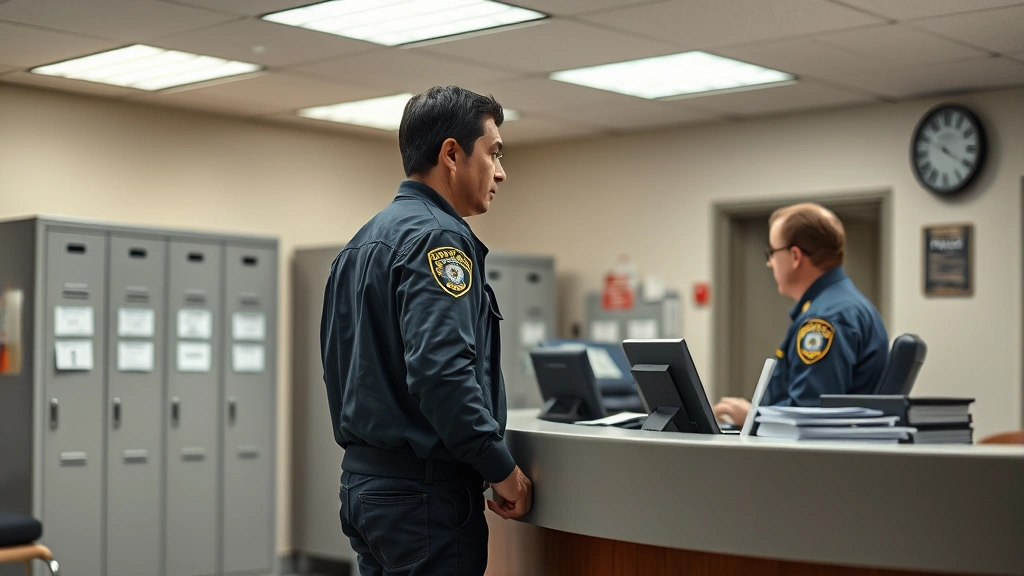
If you need the report urgently, heading to the police department in person is often your fastest option. Many departments can provide reports the same day or within hours, depending on how busy they are.
Here’s what to expect:
- Find the Records or Records Bureau section of your local police department (call ahead to confirm hours)
- Bring a photo ID and any information you have about the incident
- Tell the clerk you need to obtain a police report and provide the details
- They’ll search their system (usually takes 5-30 minutes)
- If they find it, they’ll print or copy it for you
- Pay the fee (cash or card, depending on the department)
- You walk out with your report
Pro tip: Call ahead before you go. Ask if they have the report in stock and what their current wait times are. Some departments have you wait 10 minutes; others might be backed up for hours. Also, confirm their hours—many records bureaus have limited hours (like 9 AM to 4 PM, closed weekends).
One more thing: Be patient and polite with the clerk. They’re handling dozens of requests daily. A little courtesy goes a long way and might even get your request prioritized.
Request by Mail or Fax
This method takes longer but works if you’re not in a hurry or live far from the police department. You’ll need to submit a formal request letter.
For mail requests:
- Write a formal letter that includes:
- Your full name and contact information
- Date and location of the incident
- Type of incident
- Report number (if you have it)
- Statement that you’re requesting a certified copy
- Payment (check or money order made out to the police department)
- Address it to the Records Bureau or Public Records Division
- Mail it to the police department’s mailing address (find this on their website)
- Wait 1-3 weeks for delivery
For fax requests:
Some departments accept fax requests, though fewer than before. Call and ask if they do. If yes, send the same letter via fax along with a cover sheet. Payment might be trickier—some departments bill you later, others require prepayment. Ask when you call.
Real talk: Mail and fax requests are slower because they have to be manually processed. But if you’re not in a rush and want to avoid driving to the police station, it works.
Understanding Fees and Timeline
Police reports aren’t free, but they’re not expensive either. Here’s what you need to know about costs and timing.
Typical fees:
- Certified copy: $5-$25 (varies by jurisdiction)
- Uncertified copy: sometimes cheaper or free
- Rush processing: add $10-$50 if available
- Multiple copies: usually a small per-copy charge
Ask when you request: Do you need a certified copy (officially stamped and notarized) or will an uncertified copy work? For insurance claims, certified is usually required. For personal records, uncertified might be fine. Certified copies cost more but carry legal weight.
Timeline expectations:
- In-person: Same day to 1 week (depending on demand)
- Online: 3-7 business days
- Fax: 5-10 business days
- Mail: 1-3 weeks
These are estimates. During busy periods (holidays, after major incidents), everything slows down. Some departments offer rush processing for an extra fee if you’re in a real bind.
Important: “Business days” doesn’t include weekends or holidays. So a 5-business-day estimate might actually be 7-8 calendar days.
Pro Tips for Success
Getting a police report doesn’t have to be complicated. Here are the shortcuts and strategies that actually work:
1. Have your report number ready
If you have the case or report number, include it in every request. It’s like giving the exact address instead of just the neighborhood. Cuts search time in half.
2. Be specific about location
“Downtown” isn’t specific enough. Use the exact street address, intersection, or business name. The more precise, the faster they find it.
3. Call first for complex situations
If the incident was complicated (multiple agencies involved, occurred on the border between jurisdictions, etc.), call and ask which department has the primary report. One phone call saves you from submitting requests to the wrong place.
4. Ask about certification requirements
Before you request, confirm whether you need a certified copy. Some situations (insurance, legal) require it; others don’t. Certified costs more, so know before you order.
5. Request multiple copies at once
If you need copies for an insurance company, lawyer, and your own records, request them all at once. Most departments give you a bulk discount, and it’s faster than requesting separately.
6. Follow up if it takes too long
If you’ve waited longer than the stated timeline, call the Records Bureau. Requests sometimes get lost or delayed. A friendly follow-up call often gets it moving. When you call, have your confirmation number or request details ready.
7. Document everything
When you submit your request, save the confirmation number, date submitted, and any email confirmations. This becomes your proof if there’s a dispute about whether you requested it.
Pro Tip: If you’re working with an insurance company or lawyer, ask them to request the report directly. Many have established relationships with police departments and can obtain reports faster than civilians. Plus, you don’t have to deal with the paperwork.
According to industry standards for record requests, providing complete information upfront reduces processing time by 40%. It’s worth spending five minutes gathering details before you submit.
Frequently Asked Questions
Can I obtain a police report for an incident I wasn’t involved in?
– In most cases, yes, if it’s a public record. However, some reports (involving minors, sexual assault, ongoing investigations) may be redacted or withheld. Call the police department and ask. They’ll tell you what’s available and what’s restricted.
How much does it cost to obtain a police report?
– Most departments charge $5-$25 per report. Certified copies cost more than uncertified. Rush processing adds $10-$50. Call your local police department’s Records Bureau for exact pricing—it varies by jurisdiction.
What if the police department says they don’t have a report?
– This happens sometimes. Either the report wasn’t filed, it’s filed under a different agency, or your details don’t match their system exactly. Ask the clerk to search by different date ranges or check if another agency might have it. If still no luck, contact the department that responded to the incident directly and ask where the report is filed.
Can I obtain a police report online if I don’t have the report number?
– Yes. Most online forms let you search by date, location, and names instead of a report number. The report number just makes it faster. Fill in whatever details you have, and the system should find it.
How long does it take to obtain a police report?
– In-person requests usually take same-day to one week. Online requests typically take 3-7 business days. Mail requests can take 1-3 weeks. Rush processing (if available) speeds things up for an extra fee.
Do I need a lawyer to obtain a police report?
– No. Police reports are public records, and you have a legal right to obtain them. You don’t need a lawyer, though one can help if you’re involved in a legal case. For insurance claims, you can request it yourself.
What information do I need to obtain a police report?
– At minimum: date of incident, location, and your name. The report number (if you have it) makes it faster. Having names of other parties or witnesses helps too, but isn’t required.
Can I obtain a certified copy of a police report online?
– Some departments offer certified copies online, but not all. When you request online, specify whether you need certified or uncertified. If certified isn’t available online, you’ll need to request in person or by mail. Call first to confirm your department’s policy.
What if I need the report urgently?
– Go in person to the Records Bureau. Many departments can provide reports same-day if they’re not swamped. Ask about rush processing when you arrive. Some departments charge extra for expedited requests but can get them to you within hours.
Can I obtain a police report for a case that’s still under investigation?
– It depends. Active investigations may have restricted access. Call the police department and ask—they’ll tell you what’s available. You might get a partial report with sensitive details redacted, or you might have to wait until the investigation closes.
Getting a police report doesn’t require special knowledge or connections. It’s a straightforward process once you know which agency to contact and what information to provide. Start with the police department’s website, gather your incident details, and choose the fastest method available to you. Most reports are in your hands within a week—and often much faster if you go in person or use an online system.
For additional guidance on handling official documents and digital records, you might also find it helpful to understand how to send secure emails when sharing sensitive information, or how to manage your passwords securely if you’re creating accounts to access online report systems. If you need to document communications related to your report request, knowing how to record phone calls (where legal) can be useful.
The key is staying organized, being specific in your request, and following up if needed. You’ve got this.


