
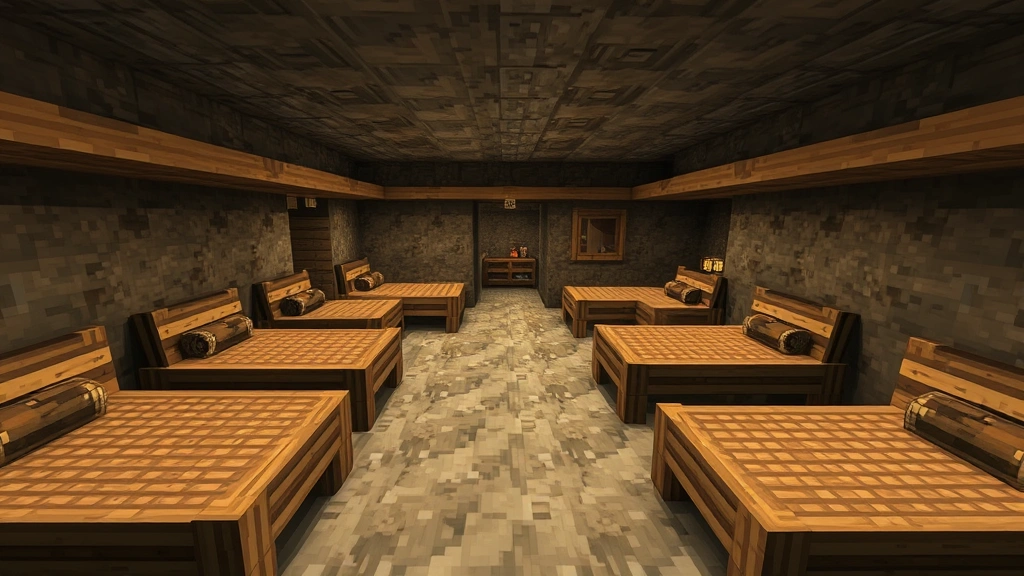
Let’s be real—figuring out how to make villagers breed in Minecraft feels like you’re trying to solve a puzzle with half the pieces missing. You’ve got the villagers, you’ve got the beds, but nothing’s happening. They’re just standing there, mocking you silently. The good news? Once you understand the mechanics, villager breeding becomes one of the most powerful tools in your Minecraft arsenal. You’ll unlock infinite trades, rare items, and a self-sustaining economy that’ll make your base feel like an actual thriving community instead of a lonely outpost.
This guide breaks down exactly how to make villagers breed step-by-step, covering everything from the basics to advanced breeding farm setups. Whether you’re playing vanilla survival or running a modded server, these principles will work.
Understanding Villager Breeding Mechanics
Before you can master how to make villagers breed, you need to understand what’s actually happening under the hood. Villagers have a “willingness to breed” meter that’s invisible to you but absolutely critical to the process. Think of it like a mood—when they’re happy, they breed. When they’re not, they won’t.
In Java Edition (version 1.14+), the breeding system works like this: villagers need to be “willing” to breed. They become willing when they have enough food in their inventory. Once two willing villagers are in the same area with available beds, there’s a chance they’ll produce a baby villager. The baby takes about 20 minutes to grow into an adult.
Bedrock Edition (which includes console versions and Windows 10) uses a slightly different system, but the core principle remains the same—you need food, beds, and the right conditions. The mechanics have been refined over multiple updates, so if you haven’t bred villagers in a while, things might have changed since you last tried.
Here’s the critical part: how to make villagers breed successfully depends on understanding that both adult villagers need to be willing simultaneously. This is harder than it sounds when you’re first starting out, which is why so many players get frustrated.
Pro Tip: Check the Minecraft wiki or official Minecraft guides for your specific version, as breeding mechanics have evolved significantly since earlier versions.
The Essential Requirements for Breeding
Let’s cut to the chase. If you want to know how to make villagers breed, you absolutely need these four things:
- Two adult villagers (any profession works, but unemployed villagers are easiest to manage)
- Beds (at least one bed per villager, plus one extra for the baby)
- Food (specific types that we’ll cover in the next section)
- Space and safety (they need room to move and shouldn’t be in immediate danger)
The bed requirement is non-negotiable. Villagers check for available beds before they’ll even consider breeding. If you only have two beds for three villagers, breeding stops. Each bed needs to be a valid spawn point for a baby villager, which means it needs to be accessible and not already claimed by another villager.
Distance matters too. In Java Edition, villagers need to be within 8 blocks of each other horizontally and 4 blocks vertically to even think about breeding. In Bedrock, the range is slightly different. Keep them close together, but not so cramped that they can’t move around.
Here’s something that trips up a lot of players: villagers in love mode (the hearts floating above their heads) won’t breed if they’re panicking from nearby threats. Keep them away from zombies, witches, and other hostile mobs. Even the threat of danger can prevent breeding.
Setting Up Your First Breeding Room
Your first breeding setup doesn’t need to be fancy. In fact, keeping it simple is better because you can troubleshoot more easily.
- Find or build a small enclosed room (4×4 blocks is plenty to start)
- Place at least 3 beds in the room (one for each adult, one for the baby)
- Bring in two villagers (use boats or minecarts to transport them safely)
- Give them food (we’ll cover which types in the next section)
- Wait and watch (hearts should appear above their heads within a few minutes)
The beds are the foundation of everything. Place them in a way that they’re not blocked by other blocks—villagers need clear access to the bed surface. A common mistake is placing beds too close to walls or corners where the game doesn’t recognize them as valid spawn points.
Lighting is important too. Make sure your room is well-lit (at least 8 light level) to prevent hostile mobs from spawning nearby and scaring your villagers. You don’t need it to be bright, just enough to prevent mob spawning.
Once you’ve set up the basic room, test it with just two villagers before you try scaling up. This way, if something isn’t working, you know it’s the setup and not something else.
Safety Warning: Make sure your breeding room is escape-proof. Villagers can sometimes pathfind through gaps you didn’t expect. Use solid blocks and double-check for any openings larger than half a block.
Food Types and Breeding Success Rates
This is where how to make villagers breed gets specific. Not all food works the same way, and understanding the differences will save you tons of time and resources.
Best food options for breeding:
- Bread (3 food points per item—the most efficient)
- Carrots (1 food point each—requires more items but easier to farm)
- Potatoes (1 food point each—similar to carrots)
- Beetroots (1 food point each—works but less efficient)
Here’s the thing about food: each villager needs to accumulate 12 food points in their inventory to become willing to breed. That means you need to give them enough food that they pick up 12 points total. With bread, that’s just 4 pieces. With carrots, that’s 12 individual items.
The most efficient strategy is to use bread. You can farm it by growing wheat and crafting it, or you can get it from farmer villagers (which creates a nice feedback loop once you have one breeding pair working). One farmer villager can generate massive amounts of wheat, which you can turn into bread.
A common approach is to use a hopper system to drop food into the breeding area. The villagers will pick it up automatically. Once they have enough food in their inventory, they’ll enter love mode and start looking for a partner.
Timing matters here too. If you dump food on the ground and walk away, it might despawn before the villagers eat enough of it. Keep the food supply steady but not overwhelming. You want them to pick it up and accumulate it.
Professions and Breeding: What You Need to Know

Here’s something that confuses a lot of players: does profession affect how to make villagers breed? The short answer is no—any profession can breed. But profession matters for what you’re trying to achieve with your breeding farm.
If you want to breed librarians (the most valuable villagers for trading), you need to understand how professions work. A villager’s profession is determined by the job site block they claim. Librarians claim lecterns, farmers claim composters, armorers claim grindstones, and so on.
Here’s the strategy: if you want specific librarians with specific trades (like mending books), you need to:
- Breed librarians until you get one with the trade you want
- Lock in their trade by trading with them (this prevents them from changing professions)
- Use that librarian to breed more librarians with the same trade
This is where breeding becomes powerful. You can create an army of librarians with identical trades, giving you unlimited access to rare books like mending, silk touch, and unbreaking III.
Unemployed villagers (those without a job site block) can breed with anyone. This is why many farms start with unemployed villagers—it’s simpler. But once you understand the system, you can breed specific professions to create specialized trading hubs.
One more thing: baby villagers inherit the profession of neither parent. They’re born unemployed and will claim a job site block based on proximity. This is actually useful because it means you can breed any two villagers and get babies that you can assign to whatever profession you need.
Scaling Up: Building a Breeding Farm
Once you’ve got the basics down, you can scale up. A proper breeding farm can produce dozens of villagers per hour, giving you access to unlimited trades and rare items.
The basic structure of a breeding farm looks like this:
- Breeder section (where adult villagers breed)
- Maturation section (where baby villagers grow up)
- Sorting system (where you assign professions to grown babies)
- Trading section (where you interact with specific villagers)
In the breeder section, you want multiple pairs of villagers with plenty of beds. A common setup is to have 10-20 beds with 4-8 villagers. The more beds available, the more willing villagers will be to breed. Feed them continuously using hoppers and dispensers that drop food automatically.
Baby villagers need space to grow. They’ll wander around for about 20 minutes before becoming adults. During this time, they might pathfind into areas you didn’t expect. Design your farm with this in mind—use water channels or minecarts to move babies from the breeder to the maturation area.
Once babies become adults, you can assign them to job site blocks. This is where you create your specialized trading hubs. A librarian farm might have 20+ lecterns, each with a librarian locked into a specific trade. A cleric farm might have multiple brewing stands with clerics assigned to each.
The key to a successful large-scale farm is automation. Use hoppers to deliver food, use minecarts to transport villagers, and use water channels to move babies. The less manual work required, the better.
Pro Tip: Build your farm near your base so you can access it easily, but not so close that villagers pathfind into your living area. They’re notorious for wandering into places you don’t want them.
Troubleshooting Common Breeding Problems
Even when you know how to make villagers breed, things go wrong. Here are the most common issues and how to fix them:
Problem: Villagers won’t breed even though I have beds and food.
Check these things in order:
- Are the beds actually valid? Try sleeping in them yourself—if you can’t, villagers can’t claim them either.
- Do you have enough beds? You need at least one per villager, plus one for the baby.
- Is the food actually in their inventory? Drop it on the ground right next to them and watch to see if they pick it up.
- Are they panicking? Keep them away from hostile mobs and other threats.
- Are they unemployed or do they have the same profession? (This shouldn’t matter, but it’s worth checking.)
Problem: Babies are being born but not growing up.
This usually means there’s not enough space or they’re getting stuck. Make sure the maturation area has clear pathways and is at least 3 blocks tall. Babies can get stuck in 2-block-high spaces.
Problem: My farm is producing villagers but they all have the wrong profession.
You need to control which job site blocks are available when babies claim professions. Remove all job site blocks except the one you want, then place the babies nearby. They’ll claim the only available block.
Problem: Villagers keep escaping or pathfinding into weird places.
Villagers are surprisingly good at pathfinding. They’ll find gaps you didn’t know existed. Use slabs, carpets, and careful block placement to funnel them where you want them. Water channels are your friend here.
Problem: The farm is lagging my game.
Too many villagers in one chunk can cause lag. Spread them out across multiple chunks, or use a farm design that keeps most villagers unloaded until you need them. You can also reduce the number of active villagers in the breeding section.
Advanced Breeding Strategies
Once you’ve mastered the basics of how to make villagers breed, you can get creative with advanced strategies.
The Librarian Duplication Method
This is the most powerful technique. Find one librarian with a trade you want (like mending). Lock in their trade by trading with them. Then breed them repeatedly. Each baby librarian will have a random trade, but you can reset their trades by removing and replacing their lectern. Keep breeding until you get another librarian with the same trade, then lock them in. Now you have two librarians with identical trades. Keep breeding and locking until you have 10+ librarians with the same trade. This gives you unlimited access to that book.
The Cleric Economy
Clerics are valuable because they buy rotten flesh and sell redstone, glowstone, and other useful items. Breed a large number of clerics and you can turn zombie drops into valuable resources. This is particularly useful early game when you need redstone but don’t have access to mining.
The Farmer Auto-Trade System
Set up a farm where you breed multiple farmers. Each farmer will buy crops from hoppers connected to your crop farm. As they buy crops, they gain experience and level up, unlocking better trades. Eventually, they’ll sell you emeralds for crops, which you can use to buy anything from other villagers. This creates a self-sustaining economy.
The Mule Breeding Trick
While this guide focuses on villagers, it’s worth mentioning that you can breed horses and donkeys too. If you’re interested in transportation, check out related breeding mechanics for animals. The principles are similar but the execution is different.
For more advanced Minecraft mechanics, you might want to explore related topics like how to make an End Portal, which opens up entirely new farming possibilities.
Pro Tip: Keep a “breeding log” where you track which villagers have which trades. It sounds tedious, but when you have 50+ villagers, you’ll be grateful you did. Use name tags to mark special villagers.
According to Family Handyman’s approach to organization (yes, even crafting benefits from good organization), keeping detailed notes about your farm setup will save you countless hours of troubleshooting.
Frequently Asked Questions
Do villagers need to be the same profession to breed?
– No. Villagers of any profession can breed with each other. The baby will be unemployed and will claim whatever job site block is nearest when it grows up. This is actually useful because it means you can breed any two villagers together.
How long does it take for a baby villager to grow into an adult?
– About 20 minutes of in-game time. If you’re not in the chunk where the baby is, it might take longer because the game doesn’t tick time for unloaded chunks. Keep the babies in loaded chunks if you want them to grow faster.
Can I breed villagers in the Nether or End?
– Technically yes, but it’s not practical. Villagers are vulnerable to fire and other hazards in the Nether. The End is even worse. Stick to the Overworld for breeding.
What’s the maximum number of villagers I can breed before lag becomes a problem?
– It depends on your computer and the farm design, but generally, 100+ villagers in one area will cause noticeable lag. Spread them out across multiple chunks or use a farm that keeps most villagers unloaded when not in use.
Can I breed villagers that are in love mode with other villagers?
– No. Once two villagers enter love mode, they’re committed to each other for that breeding cycle. You can’t interrupt them or make them breed with someone else. Wait for the baby to be born, then reset their willingness with more food if you want another cycle.
Do I need to do anything special to breed zombie villagers or witches?
– Zombie villagers can’t breed. Witches are not villagers—they’re hostile mobs. You can’t breed either of them. Stick to regular villagers.
What happens if I don’t have enough beds for all my villagers?
– Villagers won’t breed if there aren’t enough available beds. They check for bed availability before entering love mode. If you have 5 villagers but only 4 beds, breeding will be severely limited or stop entirely.
Can I speed up villager breeding with commands or mods?
– In vanilla survival, no. But if you’re playing creative or using mods, there are ways to speed things up. Some mods add breeding accelerators or allow you to force breeding. Check your specific mod documentation.
Is there a way to predict what trade a baby librarian will have?
– No. Baby librarians get random trades when they first claim a lectern. The only way to get a specific trade is to reset their lectern and hope for the trade you want. This is why the librarian duplication method involves a lot of trial and error.
Do villagers breed if I’m not in the same chunk as them?
– In Java Edition, no. Chunks need to be loaded for villagers to breed. In Bedrock Edition, the rules are slightly different, but breeding is still much slower or non-existent in unloaded chunks. Keep your breeding area loaded.
Final Thoughts: Mastering how to make villagers breed is one of the most rewarding skills in Minecraft. Once you’ve got a working farm, you’ll have access to unlimited trades, rare items, and resources that would take hours to gather manually. Start small, test your setup, and scale up gradually. The investment in building a good breeding farm pays dividends for the rest of your playthrough. Happy breeding!


