
Learning how to make essential oils at home is easier than you’d think, and it opens up a world of natural aromatherapy, skincare, and wellness possibilities. Whether you’re interested in extracting oils from plants you grow yourself or infusing carrier oils with botanical power, this guide walks you through every method, material, and mistake to avoid.
Table of Contents
What Are Essential Oils?
Essential oils are concentrated plant extracts that capture the aromatic and therapeutic compounds from flowers, leaves, bark, roots, and seeds. They’re not actually oils in the traditional sense—they’re volatile organic compounds that evaporate quickly and carry potent plant essences. When you understand what you’re making, the process becomes less mysterious and more manageable.
These oils have been used for thousands of years across cultures. The key difference between homemade and commercial essential oils often comes down to purity, freshness, and the care taken during extraction. Commercial producers use industrial-grade equipment, but small-batch home production offers something special: complete control over your ingredients and methods.
Steam Distillation Basics
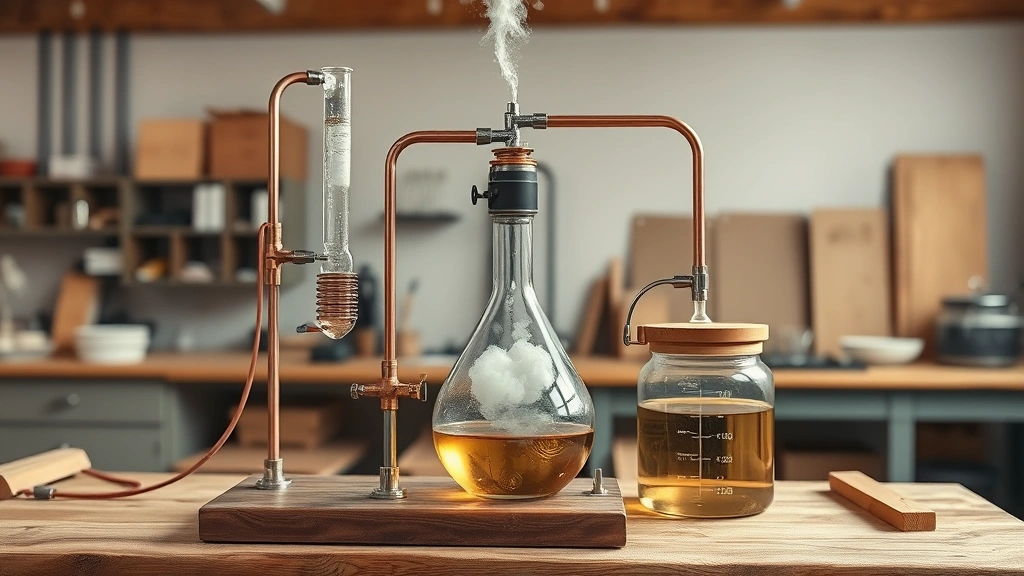
Steam distillation is the gold standard for extracting essential oils from most plant materials. Hot steam passes through plant matter, carrying volatile compounds into a condenser where they cool and separate from water. The result is pure essential oil floating on top of hydrosol (the aromatic water below).
Here’s the process step-by-step: Fill a pot with water and bring it to a boil. Place your plant material in a distillation flask or on a platform above the water (not touching it directly). Connect your flask to a condenser using copper tubing or glass apparatus. As steam rises through the plant matter, it carries oil molecules. These vapors cool in the condenser and drip into a collection vessel. The entire process typically takes 30 minutes to 2 hours depending on plant type and desired yield.
Lavender, peppermint, rosemary, and eucalyptus are excellent starter plants for distillation. You’ll need roughly 100 pounds of plant material to produce just one pound of essential oil—this explains why commercial oils cost what they do. Fresh plant material generally yields better results than dried, though dried material works when fresh isn’t available.
Cold Pressing Citrus Oils
Citrus essential oils—lemon, orange, grapefruit, lime—require a different approach because heat damages their delicate compounds. Cold pressing mechanically extracts oils from the peel without temperature manipulation, preserving the bright, fresh character that makes citrus oils so valuable.
The traditional method involves hand-pressing citrus peels over a sponge to collect the oils, then squeezing the sponge into a container. Modern home setups use a small manual or electric press. Fresh citrus peels work best—use them within a day or two of peeling for maximum oil content. One pound of citrus peels yields roughly 2-3 tablespoons of oil.
You can also use the simpler maceration method: soak dried citrus peels in a carrier oil for several weeks, then strain. This creates a citrus-infused oil rather than a true essential oil, but it’s far easier for beginners and produces excellent results for personal use.
Infusing Carrier Oils
Infusing carrier oils is the most accessible entry point for beginners. This method combines the benefits of plant material with a stable carrier oil base, creating a product that’s easier to use, store, and blend than pure essential oils. It’s also safer for direct skin application.
Choose a quality carrier oil—jojoba, coconut, sweet almond, or grapeseed work beautifully. Fill a glass jar with dried plant material (flowers, leaves, or herbs) and cover completely with your chosen carrier oil. Seal the jar and place it in a warm, dark location for 2-4 weeks. Shake the jar every few days to agitate the mixture. After the infusion period, strain through cheesecloth into dark glass bottles. The result smells wonderful and delivers botanical benefits without the intensity of pure essential oils.
This method works particularly well for chamomile, rose petals, calendula, and St. John’s Wort. The infusion process extracts fat-soluble compounds that pure distillation might miss, creating a unique product that’s genuinely useful for massage, skincare, and aromatherapy blending.
Solvent Extraction Process
Solvent extraction uses food-grade alcohol or other solvents to pull aromatic compounds from delicate plant materials like jasmine, tuberose, or orchid—plants too fragile for steam distillation. The result is called an absolute or concrete, depending on the process.
For home use, the simplest approach uses high-proof food-grade alcohol. Combine dried plant material with alcohol in a glass jar (use roughly equal parts by weight). Seal and let sit in a cool, dark place for 1-2 weeks, shaking daily. Strain through fine cheesecloth, then allow the alcohol to evaporate slowly in a well-ventilated area. What remains is a concentrated aromatic extract.
This method requires patience and proper ventilation—alcohol fumes are no joke. Never use this process near open flames or heat sources. The extraction takes longer than distillation but captures aromatic profiles impossible to achieve otherwise. Always use food-grade solvents and ensure complete alcohol evaporation before using the finished product on skin.
Essential Equipment Setup
You don’t need expensive industrial equipment to get started. A basic home distillation setup costs between $50-200 depending on quality and capacity. Here’s what you actually need:
For steam distillation: A stainless steel pot (5-10 quart capacity), a glass or stainless steel flask, copper or glass tubing for vapor path, a condenser (can be as simple as a coil in ice water), collection vessels, and a thermometer. Many people start with simple glass apparatus from chemistry supply websites or build DIY setups using readily available materials.
For cold pressing: Fresh citrus fruits and a manual citrus press or juicer work fine. A cheesecloth for straining is helpful but optional.
For infusions: Glass jars, cheesecloth, and dark glass storage bottles are all you need. No special equipment required.
Universal supplies: Dark glass bottles (essential oils degrade in light), labels, measuring tools, and a cool, dark storage space. Invest in quality dark amber or cobalt glass bottles—they protect your finished oils and look professional.
Choosing Quality Plant Material
The quality of your finished oil depends entirely on the quality of your starting material. Fresh, vibrant plants produce superior oils compared to old, dried, or damaged material. Timing matters tremendously—harvest most plants in early morning after dew dries but before the day’s heat.
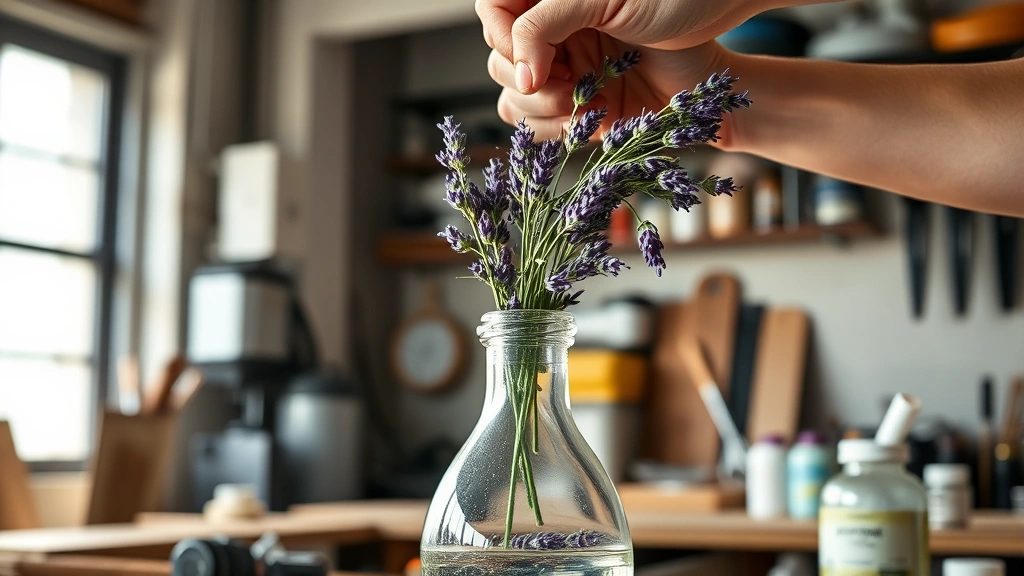
For flowers, pick them at peak bloom when fragrance is strongest. Leaves should be harvested when the plant is actively growing. Roots and bark require different timing, typically in fall after the plant has stored energy. If you’re purchasing dried material, buy from reputable suppliers and use it within a year for best results.
Organic or pesticide-free material is important if you’re making oils for personal care use. Pesticides concentrate during extraction, so starting with clean material ensures your finished product is safe. Growing your own plants gives you complete control and guarantees freshness. Even a small herb garden provides excellent material for experimentation.
Storage and Preservation Tips
Essential oils are volatile by nature—they evaporate and degrade when exposed to light, heat, or air. Proper storage extends shelf life from months to years. Always use dark glass bottles with airtight caps. Store in a cool location (50-70°F is ideal) away from direct sunlight and heat sources. A dark cabinet or refrigerator works perfectly.
Label everything with the oil type, extraction date, and plant source. This simple habit prevents confusion and helps you track which batches performed best. Most homemade essential oils stay potent for 6-12 months when stored properly. Infused carrier oils last slightly longer due to the oil base protecting volatile compounds.
Keep oils away from children and pets. Store distilled and pressed oils separately from infused oils to prevent cross-contamination of scents. Consider keeping a small working bottle and storing the bulk of your oil in the refrigerator—this minimizes exposure to air and temperature fluctuations.
Avoiding Common Pitfalls
New oil makers often rush the process or skip important steps. The most common mistake is using too little plant material. Remember, you need substantial quantity to produce small amounts of oil—this isn’t a shortcut to cheap aromatherapy. Budget accordingly and adjust expectations.
Another frequent error is improper temperature control during distillation. Too much heat damages delicate compounds; too little yields minimal oil. Finding the sweet spot requires attention and sometimes experimentation with your specific setup.
Contamination ruins batches quickly. Always use clean equipment, and sterilize glassware with boiling water before use. Bacteria or mold in plant material will transfer to your finished oil, creating an unusable product. When infusing oils, ensure plant material is completely covered with carrier oil to prevent mold growth.
Patience is underrated. Rushing infusions or distillations produces inferior results. Give processes the time they need. Infusions genuinely improve with longer steeping periods (up to 6 weeks). Distillation shouldn’t be hurried—slow extraction captures more nuanced aromatic compounds.
Safety Considerations
Essential oils are potent substances requiring respect and careful handling. Never ingest homemade essential oils without professional guidance—they’re far more concentrated than the plants they come from. A dose that’s safe as a plant might be toxic as an extracted oil.
Skin sensitivity varies widely. Always dilute essential oils in carrier oil before applying to skin, even if you made them yourself. Perform patch tests on a small area first. Some oils cause photosensitivity (citrus oils especially), making skin more prone to sun damage.
During distillation, steam can cause severe burns. Keep your face and hands away from vapor paths. If using alcohol-based solvent extraction, work in a well-ventilated space away from heat and flames. Alcohol vapors are flammable and potentially harmful in enclosed spaces.
Pregnant women, nursing mothers, and people with certain health conditions should consult healthcare providers before using essential oils. Some oils are contraindicated for specific conditions. Children and pets require different safety considerations than adults.
Frequently Asked Questions
Can I make essential oils without special equipment?
Yes, infusing carrier oils requires no special equipment beyond glass jars and cheesecloth. For true essential oils via distillation, you’ll need some basic apparatus, but nothing expensive or complicated. Start with infusions if you’re unsure about the commitment.
How much plant material do I actually need?
This varies dramatically by plant. Lavender needs roughly 100 pounds to produce 1 pound of oil. Peppermint is slightly more efficient. Citrus peels yield more oil per pound than flowers. Research your specific plant before starting—disappointment comes from expecting industrial yields from home quantities.
What’s the difference between essential oils and fragrance oils?
Essential oils are natural plant extracts containing the actual aromatic compounds from plants. Fragrance oils are synthetic or semi-synthetic creations designed to smell like something (natural or invented). You’re making true essential oils with the methods described here.
How long do homemade essential oils last?
Properly stored essential oils remain potent for 6-12 months. Infused carrier oils last slightly longer, sometimes up to 18 months. Refrigeration extends shelf life. Citrus oils degrade faster than others due to their volatile nature. Always store in dark glass bottles with airtight caps in cool conditions.
Is it cheaper to make essential oils at home?
Honestly, no—not for true essential oils. The quantity of plant material required makes homemade oils more expensive than commercial options. However, infused carrier oils cost significantly less than essential oils and deliver genuine value. Home production excels at customization and freshness rather than economy.
Can I use fresh plant material or must I dry it first?
Fresh material works beautifully for distillation and often produces superior results. For infusions, either fresh or dried material works, though dried material is easier to handle. For cold pressing, fresh citrus peels are essential. Always use the freshest material available for your chosen method.
What plants are best for beginners?
Start with lavender, peppermint, or rosemary for distillation—they’re forgiving and produce noticeable yields. For infusions, chamomile and calendula are excellent. For cold pressing, any citrus fruit works perfectly. These plants are hardy, accessible, and produce oils with clear, recognizable scents.


