How to Keep Apples from Browning: Simple & Amazing Tips
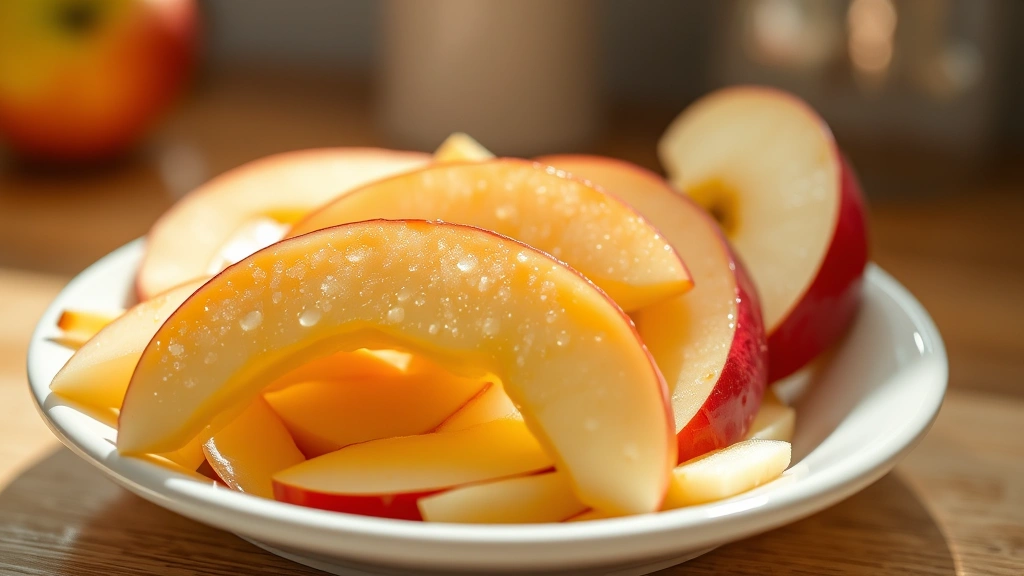
Sliced apples turn brown within minutes, ruining your fruit platters and snacks. The culprit? Oxidation. Fortunately, learning how to keep apples from browning is simple, affordable, and requires just a few common kitchen ingredients you likely already have at home.
Enzymatic browning happens when apple flesh is exposed to air, causing a chemical reaction that darkens the fruit. The good news is that how to keep apples from browning involves proven methods that work quickly and effectively. Whether you’re preparing for a party, packing lunch, or meal prepping, these techniques will keep your apple slices fresh and appealing for hours.
Quick Answer
The fastest way to prevent apple browning is to coat sliced apples with lemon juice, lime juice, or vinegar immediately after cutting. Alternatively, submerge apples in cold water with a pinch of salt, use honey water, or apply commercial anti-browning products. For best results, combine methods: cut apples, apply acid, then store in airtight containers. Most methods keep apples fresh for 3–24 hours depending on storage conditions.
Tools & Materials You’ll Need
- Sharp knife for clean cuts
- Cutting board (preferably plastic to prevent staining)
- Lemon or lime (fresh preferred)
- White vinegar or apple cider vinegar
- Honey or salt
- Cold water
- Airtight containers or resealable bags
- Measuring spoons
- Small bowl for soaking solutions
- Paper towels for drying
- Commercial anti-browning powder (optional)
Why Apples Turn Brown: Understanding Oxidation
Before mastering how to keep apples from browning, it helps to understand the science behind it. When you slice an apple, you break down cell walls and expose polyphenol oxidase (PPO), an enzyme naturally present in the fruit. This enzyme reacts with oxygen in the air, triggering a chemical process called enzymatic browning.
This browning is purely cosmetic—the apple isn’t spoiled or unsafe to eat. However, it affects appearance, texture, and can slightly alter flavor. The browning process accelerates in warm environments and slows dramatically in cold temperatures, which is why refrigeration helps. Understanding this mechanism makes choosing the right prevention method easier.
Different apple varieties brown at different rates. Granny Smith and Honeycrisp apples typically brown faster than Fuji or Gala varieties. If you’re preparing a large fruit display, consider this when selecting which apples to cut first.
Lemon Juice Method: The Classic Solution
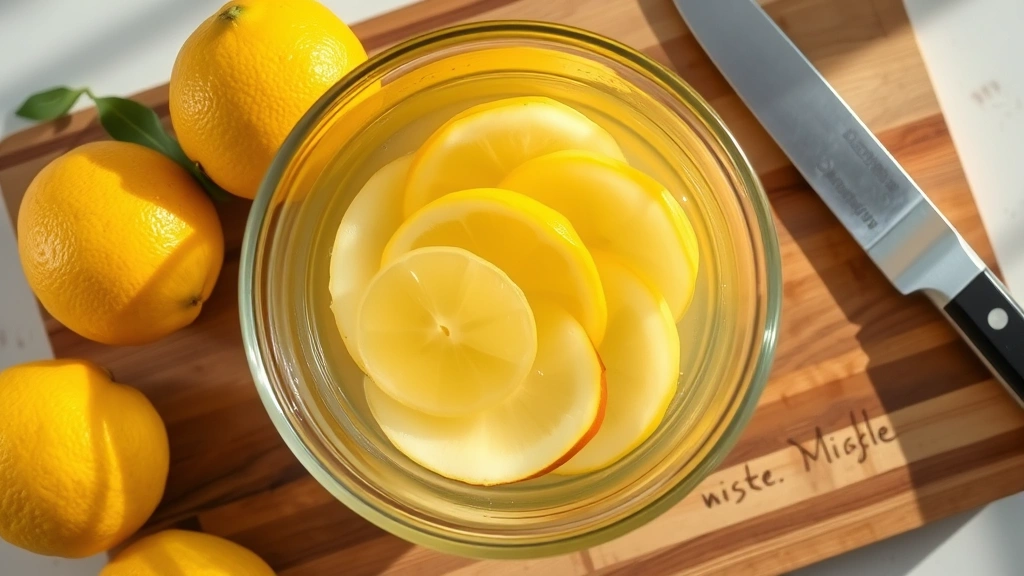
The lemon juice method is the most popular and effective way to keep apples from browning. Citric acid in lemon juice lowers the pH level around the apple’s flesh, inhibiting the PPO enzyme and preventing oxidation. This method is simple, uses ingredients most people have on hand, and works reliably.
Steps to apply lemon juice:
- Cut apples into slices or chunks immediately before serving
- Squeeze fresh lemon juice into a small bowl
- Toss apple pieces in the lemon juice, ensuring all surfaces are coated
- For extra protection, add a tablespoon of lemon juice to a cup of water and soak apples for 3–5 minutes
- Drain excess liquid and pat dry with paper towels
- Store in airtight containers in the refrigerator
Lime juice works equally well and offers a different flavor profile for salads or desserts. For a less acidic taste, dilute the juice with water—even diluted solutions prevent browning effectively. As noted by WikiHow’s comprehensive guides, this method keeps apples fresh for up to 24 hours when properly stored.
One consideration: lemon juice imparts a subtle citrus flavor. If you’re using apples for a recipe where this matters, test the flavor first or use a more diluted solution.
Water and Salt Submersion Technique
Submersing apples in cold salt water is an excellent alternative for those who prefer avoiding acidic flavors. This method works by creating an osmotic barrier that slows oxidation. Salt water also prevents bacterial growth, extending freshness naturally.
How to prepare salt water solution:
- Fill a bowl with cold water (use filtered or distilled water for best results)
- Add ½ teaspoon of salt per cup of water
- Stir until salt dissolves completely
- Submerge cut apple pieces for 3–10 minutes
- Remove apples and pat dry thoroughly
- Transfer to airtight containers and refrigerate
This method preserves the apple’s natural flavor completely, making it ideal for fruit platters where taste matters. According to The Spruce’s kitchen guides, salt water submersion can keep apples fresh for 12–18 hours. The key is ensuring apples are completely dry before storage, as excess moisture promotes mold growth.
For large batches, prepare multiple bowls of salt water to maintain consistent temperature and prevent overcrowding, which reduces effectiveness.
Vinegar Solutions for Extended Freshness
White vinegar and apple cider vinegar are powerful anti-browning agents containing acetic acid, which works similarly to lemon juice but often lasts longer. Vinegar also has antimicrobial properties that extend overall freshness, making it ideal for meal prep situations.
Vinegar solution recipe:
- Mix 1 tablespoon of white or apple cider vinegar with 1 cup of cold water
- Soak cut apples for 5 minutes
- Drain and pat dry thoroughly
- Store in sealed containers in the refrigerator
The vinegar flavor is subtle in diluted solutions and often imperceptible when apples are used in smoothies, baked goods, or mixed fruit salads. For eating fresh, you can reduce vinegar to ½ tablespoon per cup of water. This solution keeps apples fresh for 24+ hours, outperforming many other methods.
Vinegar is particularly effective when combined with storage in airtight containers that minimize air exposure. Lifehacker’s kitchen hacks recommend this method for preparing apples several days in advance for school lunches or office snacks.
Honey Water and Sugar Coatings
Honey and sugar solutions create a protective barrier that physically blocks oxygen from reaching the apple’s flesh. This method adds subtle sweetness and works well for desserts, fruit salads, or when you want minimal flavor interference.
Honey water method:
- Mix 1 tablespoon of honey with 1 cup of warm water
- Stir until honey dissolves completely
- Cool the solution to room temperature or refrigerate
- Soak apple slices for 3–5 minutes
- Remove and pat dry before serving or storing
Honey water keeps apples fresh for 12–18 hours and imparts a delicate sweetness that enhances natural apple flavor. This method works particularly well for Granny Smith apples used in desserts. The honey also adds trace nutrients and antimicrobial benefits.
For a sugar coating alternative, dissolve 2 tablespoons of sugar in 1 cup of water and follow the same process. Sugar solutions work best for immediate consumption rather than extended storage, as they can crystallize over time.
Storage Tips for Maximum Freshness
Regardless of which method you choose for how to keep apples from browning, proper storage dramatically extends freshness. Temperature, humidity, and air exposure all impact how long apples remain appealing.
Optimal storage practices:
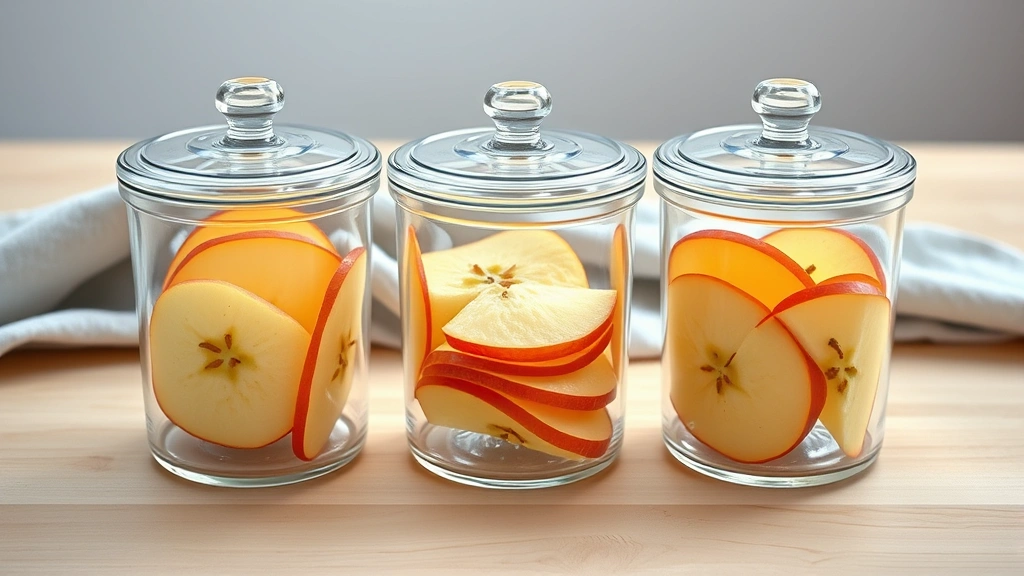
- Use airtight containers: Glass or BPA-free plastic containers with tight-sealing lids minimize air exposure and prevent flavor absorption from other foods
- Refrigerate immediately: Cold temperatures slow enzyme activity and bacterial growth significantly
- Keep apples dry: Excess moisture promotes mold growth; pat apples thoroughly after treating
- Separate from ethylene-producing fruits: Bananas, avocados, and tomatoes release ethylene gas, which accelerates browning and ripening
- Store cut side down: If storing half apples, place the cut surface on a plate to minimize air contact
- Use within 24 hours for best quality: Even with treatment, apples gradually lose crispness and flavor over time
For meal prep enthusiasts, prepare treated apples in individual containers for grab-and-go convenience. Label containers with the date prepared to track freshness. As reviewed by Consumer Reports, proper storage extends the effectiveness of anti-browning treatments by 50–100%.
Quick Fixes for Already-Browned Apples
If you’ve forgotten to treat apples and browning has already occurred, don’t discard them. Several quick fixes can restore appearance and improve palatability, though prevention remains superior.
Remedies for browned apples:
- Soak in lemon juice: Even browned apples improve after 5–10 minutes in lemon juice, though browning won’t completely reverse
- Blend into smoothies: Browned apples work perfectly in smoothies where appearance doesn’t matter; the flavor remains unchanged
- Use in baking: Incorporate browned apples into pies, crisps, or cakes where discoloration is invisible
- Make applesauce: Browned apples are ideal for homemade applesauce; consider our guide on how to make apple cider for other apple preservation methods
- Freeze for later: Freeze browned apple slices for smoothies or cooking; texture changes won’t matter once thawed
While these fixes salvage browned apples, they’re inferior to prevention. The best approach is treating apples immediately after cutting using one of the proven methods above. For fresh fruit displays or children’s lunches, prevention ensures maximum appeal and encourages consumption.
FAQ
How long does lemon juice keep apples from browning?
Lemon juice prevents browning for 12–24 hours when apples are stored in airtight containers in the refrigerator. Effectiveness depends on lemon juice concentration, storage temperature, and container seal quality. For best results, use fresh lemon juice and ensure complete coating of all apple surfaces.
Can I use bottled lemon juice instead of fresh?
Yes, bottled lemon juice works effectively, though fresh juice is slightly more powerful. Bottled juice contains preservatives and may have slightly less citric acid, but the difference is minimal for home use. Ensure bottles are stored properly and haven’t expired for maximum effectiveness.
Will salt water affect the apple’s taste?
When used properly (½ teaspoon salt per cup water), salt water doesn’t noticeably affect taste. The solution is dilute enough that salt flavor is imperceptible. However, if you prefer absolutely no flavor change, reduce salt to ¼ teaspoon or use plain water, though effectiveness decreases slightly.
Is enzymatic browning dangerous to eat?
No, enzymatic browning is completely safe. It’s a cosmetic change caused by natural enzyme activity. Browned apples have identical nutritional value and safety as fresh-cut apples. The browning indicates oxidation has occurred, but the fruit remains edible and nutritious.
What’s the best method for large fruit platters?
For platters, combine methods: cut apples close to serving time, apply lemon juice or salt water treatment, and store covered in the refrigerator until serving. Add apples to the platter 30 minutes before guests arrive. This timing minimizes browning while ensuring maximum freshness. Consider using Family Handyman’s entertaining tips for additional presentation strategies.
Can I prevent browning without refrigeration?
Refrigeration significantly improves results, but anti-browning treatments work at room temperature for 2–4 hours. For events without refrigeration access, treat apples with lemon juice or salt water immediately before serving. Keep treated apples in sealed containers and serve within 2 hours for best appearance.
Do all apple varieties brown at the same rate?
No, browning rates vary by variety. Granny Smith, Honeycrisp, and Pink Lady apples brown quickly, while Fuji, Gala, and Red Delicious apples brown more slowly. If preparing mixed varieties, treat faster-browning apples first or use stronger solutions for these varieties.
Is commercial anti-browning powder necessary?
No, commercial products aren’t necessary. Natural methods using lemon juice, vinegar, and salt water are equally effective and use ingredients already in most kitchens. Commercial powders contain ascorbic acid (vitamin C) and are convenient for large-scale food service but unnecessary for home use.
How should I store cut apples overnight?
Treat apples with your chosen method (lemon juice, salt water, or vinegar), pat completely dry, and store in airtight glass containers in the refrigerator. Keep separate from ethylene-producing fruits. Check apples in the morning; they should remain fresh for breakfast or lunch. Most treated apples last 18–24 hours with proper storage.
Can I combine multiple anti-browning methods?
Yes, combining methods provides extra protection. For example, treat with lemon juice, then store in salt water, then refrigerate in airtight containers. However, this is unnecessary for most situations. A single method properly applied works reliably. Multiple methods are beneficial only for apples stored longer than 12 hours or in warm conditions.