
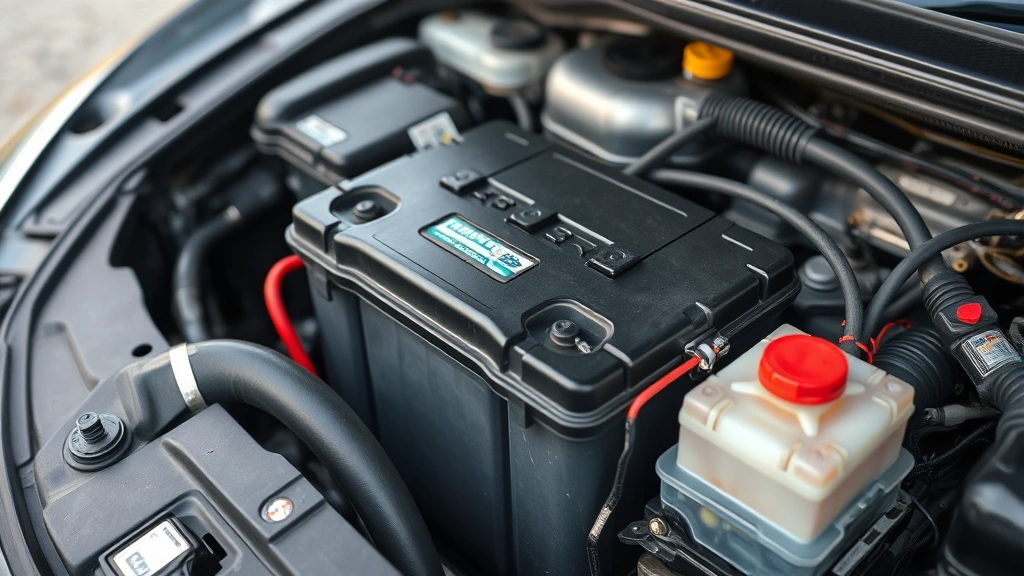
A dead battery is one of those moments that makes you feel helpless—your car won’t start, you’re stuck, and you’re wondering if you need to call a mechanic and drop $200 on labor alone. Here’s the truth: how to install a car battery is actually one of the easiest repairs you can do yourself. Most people can swap a battery in under 30 minutes with just a couple of basic tools and the right safety precautions.
This guide walks you through the entire process—from identifying which battery you need, to safely disconnecting the old one, to getting the new one seated and connected properly. We’ll cover the mistakes that bite people (literally, in some cases), the tools you actually need versus the ones that are nice-to-have, and how to avoid the common gotchas that turn a simple job into a frustrating afternoon.
Safety First: What You Need to Know Before You Start
Before you touch anything under the hood, understand what you’re dealing with. A car battery is basically a controlled chemical reaction that produces electricity—and that electricity can hurt you. We’re talking about potential burns, electrical shock, and acid exposure if something goes wrong.
Safety Warning: Car batteries contain sulfuric acid. If you get acid on your skin or in your eyes, rinse immediately with water for at least 15 minutes and seek medical attention. Wear safety glasses and gloves—not the thin latex kind, but nitrile or leather work gloves that can handle a splash.
Here’s what you absolutely must do before you start:
- Turn off the engine and let it cool for at least 5 minutes. A warm engine means hot battery terminals, and you don’t want burns.
- Remove the keys from the ignition. You don’t want anyone starting the car while you’re working on the battery.
- Turn off all electrical components—lights, radio, wipers, everything. This prevents electrical surges when you disconnect the terminals.
- Work in a well-ventilated area. Batteries release hydrogen gas, which is flammable. Your driveway or garage with the door open is fine. A sealed room is not.
- Never smoke or create sparks near the battery. That hydrogen gas is no joke.
According to OSHA guidelines for automotive work, proper personal protective equipment is non-negotiable. Treat this like you’d treat any electrical work—with respect and caution.
Tools and Materials You’ll Need
The good news: you don’t need much. This isn’t a job that requires a garage full of specialty tools.
Essential Tools:
- Socket wrench set (usually 8mm, 10mm, or 13mm sockets, depending on your vehicle)
- Adjustable wrench (backup option if you don’t have the right socket)
- Safety glasses
- Work gloves (nitrile or leather)
- Battery terminal cleaner or a small wire brush (optional but helpful)
Optional but Useful:
- Battery terminal puller (makes removing corroded terminals easier, but you can use an adjustable wrench)
- Battery hold-down bracket tool (some cars have these; a wrench usually works fine)
- Flashlight or headlamp (working under the hood in dim light is annoying)
That’s it. You don’t need a battery charger, a multimeter, or any fancy diagnostic equipment for a basic installation. If you already have a basic socket set and some work gloves, you’re probably ready to go right now.
Identifying Your Battery and Finding the Right Replacement
This step trips up more people than you’d think. Not all car batteries are the same size or have the same terminal configuration. Installing the wrong battery won’t work—or worse, it might fit but not deliver the power your car needs.
How to Find Your Battery Specs:
- Open your hood and look at the battery label. It should show the battery group size (like 24F, 35, 48, 65, 78, etc.), the cold cranking amps (CCA), and sometimes the reserve capacity.
- If the label is worn off, check your owner’s manual. This is the definitive source for what your car needs.
- If you don’t have the manual, search online for your vehicle’s year, make, and model plus “battery specs” or “battery size.”
The group size is critical. Think of it like shoe sizes—a size 10 won’t fit if you need a size 9, even if they’re the same brand. The CCA (cold cranking amps) tells you how much starting power the battery has. A higher CCA is generally better, but you need at least what your car originally came with.
When you’re ready to buy, take a photo of your old battery’s label and show it to the auto parts store employee. They’ll match you with the right replacement. Most stores will also test your old battery for free to confirm it’s actually dead.
Pro Tip: Buy your new battery from a store that offers installation. If something goes wrong during your installation, at least you have a backup. Most big-box auto parts stores (AutoZone, O’Reilly, Advance Auto Parts, NAPA) offer free or cheap installation if you buy from them.
Disconnecting the Old Battery Safely
This is where most people mess up. The order matters. Always—and I mean always—disconnect the negative terminal first, then the positive. If you do it backward, you risk creating a short circuit.
Step-by-Step:
- Locate the battery terminals. You’ll see two thick cables—one red (positive, marked with a + sign) and one black (negative, marked with a − sign). They’re connected to the battery with either a bolt or a clamp.
- Disconnect the negative terminal first. Use your wrench to loosen the bolt on the black cable. Once it’s loose, wiggle the cable gently to slide it off the terminal. Don’t let it touch the positive terminal or any metal part of the engine.
- Now disconnect the positive terminal. Do the same with the red cable. Loosen the bolt, wiggle it off, and set it aside where it won’t touch anything metal.
- If your battery has a hold-down bracket, unbolt it now. This is usually one or two bolts that keep the battery from bouncing around while you drive.
That’s it. Your old battery is now electrically isolated and safe to remove. If the terminals are corroded (white or blue crusty buildup), don’t worry—you’ll clean that up if you’re reusing the cables on the new battery.
Removing the Old Battery and Installing the New One
Now for the physical part. Car batteries are heavy—usually 30 to 50 pounds depending on the size. Lift with your legs, not your back.
Removing the Old Battery:
- Grip the battery on both sides (not by the terminals). If your battery has a handle, use it.
- Lift straight up. Some batteries sit in a tight tray, so you might need to angle it slightly, but generally straight up works.
- Set it on the ground next to your car. Don’t drop it—a cracked battery case is a hazard.
Preparing the Battery Tray:
Before you install the new battery, take a quick look at the tray. If it’s dirty or has corrosion, wipe it clean with a dry rag. A clean tray helps the new battery sit properly and makes contact more reliable.
Installing the New Battery:
- Position the new battery in the tray. The terminals should face the same direction as the old battery did. If you’re not sure, look at where the cables naturally reach.
- Lower it gently until it sits flat. It should feel stable and not rock side to side.
- If your car has a hold-down bracket, bolt it back in place. Tighten it snugly, but don’t crank on it—you’re just preventing movement, not crushing the battery.
The battery should sit level and stable. If it rocks or feels loose, something’s wrong. Stop and figure out what before you move forward.
Reconnecting the Terminals and Testing
Now comes the moment of truth. You’re going to reverse the disconnection process—positive first this time, then negative. This order prevents accidental shorts.
Reconnecting Step-by-Step:
- Clean the terminal posts if needed. If there’s corrosion on the battery terminals, use a wire brush or battery terminal cleaner to remove it. The connection needs to be metal-to-metal for proper current flow.
- Connect the positive cable first. Slide the red cable onto the positive terminal (the larger one, marked with +). Tighten the bolt until it’s snug. You want it tight enough that the cable doesn’t wiggle, but you’re not trying to strip the bolt.
- Connect the negative cable. Slide the black cable onto the negative terminal and tighten the bolt the same way.
- Double-check both connections. Give each cable a gentle tug. Neither should move. If one is loose, tighten it more.
Pro Tip: If you’re having trouble getting the cables to slide onto the terminals, try twisting them gently as you push. The terminals are slightly tapered, so a little rotation helps. If the terminal is badly corroded, clean it with a wire brush first.
Now test the battery. Get in the car, turn on the headlights, and make sure they’re bright. Turn the lights off, close the hood, and start the engine. If it cranks smoothly and the engine fires up, you’re done. If the lights are dim or the engine cranks slowly, you might have a loose connection—go back and tighten the terminal bolts.
Post-Installation: Making Sure Everything Works
Your engine is running, but don’t celebrate yet. Take a few minutes to verify that everything is working correctly.
Checklist:
- Headlights: Turn them on and make sure they’re bright and steady. Dim lights usually mean a loose connection.
- Interior lights: Turn on the dome light and check that it’s at normal brightness.
- Dashboard lights: Look at the instrument cluster. All the lights should be on and steady. A flickering check-engine light might indicate an electrical issue.
- Radio and electronics: Turn on the radio and make sure the clock time is correct. If the clock reset, that’s normal—the battery was disconnected. But if the radio won’t turn on, you might have a blown fuse (unrelated to battery installation).
- Engine idle: Let the engine run for a minute or two. It should settle into a smooth, steady idle. Some cars run rough for a few seconds after battery replacement because the computer needs to relearn; that’s normal.
If everything looks good, turn off the engine and let it sit for a minute. Then start it again. If it fires up smoothly the second time, you’ve got a solid installation. If it’s sluggish or won’t start, you likely have a loose connection—pop the hood and recheck the terminal bolts.
According to Family Handyman’s automotive guides, most battery installation issues stem from loose connections, so don’t skip this verification step.
Proper Battery Disposal and Recycling
Here’s something a lot of people forget: you can’t just throw an old car battery in the trash. It’s illegal in most places, and for good reason—those lead and acid are environmental hazards.
Your Options:
- Return it to the auto parts store. Most stores that sell batteries will take your old one for free when you buy a new one. This is the easiest option and usually happens at the register.
- Take it to a recycling center. Search online for “battery recycling near me” or call your local waste management facility. They’ll know where to take it.
- Contact a scrap metal dealer. Lead is valuable, so some scrap yards will actually pay you a few bucks for an old battery. Check Google Maps for “scrap metal recycling” in your area.
Don’t leave the old battery sitting in your garage. It’s a hazard and it’s wasteful. Deal with it the same day you install the new one if possible.
For more detailed information on how to change a car battery and best practices, check out our comprehensive guide on how to change car battery, which covers additional scenarios and troubleshooting.
Frequently Asked Questions
How long does it take to install a car battery?
– Most people can complete the entire process in 20 to 40 minutes, depending on how corroded the terminals are and whether you’ve done it before. Your first time might take closer to an hour, but it gets faster.
Can I install a car battery in the rain?
– Technically yes, but it’s not ideal. Water and electricity don’t mix well. If it’s raining, work under a carport or garage if you can. If you must work in the rain, dry off the battery and terminals as best you can and work quickly.
What if the battery terminals are heavily corroded?
– Use a wire brush or battery terminal cleaner to remove the corrosion. If it’s really bad, you might need to replace the terminal cables themselves. This is a bit more involved, but still a DIY job. Check This Old House’s automotive section for detailed guidance on terminal replacement.
Will installing a new battery reset my car’s computer?
– Temporarily, yes. The clock and radio presets might reset. Some cars will also need to relearn idle settings, which means the engine might run rough for a few minutes after you start it. This is completely normal and usually fixes itself within a few drive cycles.
Can I install a battery with the engine running?
– No. Always turn off the engine and remove the keys before you disconnect the battery. Working on a live electrical system is dangerous and unnecessary.
What size wrench do I need?
– It depends on your car, but most batteries use 8mm, 10mm, or 13mm bolts on the terminals. A socket set with multiple sizes is your safest bet. If you don’t have one, an adjustable wrench works fine.
Is it worth paying for professional installation?
– If you’re confident with basic hand tools, no. The labor cost is usually $50 to $100, and the job is straightforward. That said, if you’re uncomfortable working on your car, paying for installation gives you peace of mind and a warranty. Most auto parts stores offer this service.
How often do car batteries need to be replaced?
– Typically every 3 to 5 years, depending on climate and driving habits. Cold climates are harder on batteries. If your battery is more than 5 years old and your car won’t start, it’s time for a replacement.
What’s the difference between a standard battery and an AGM battery?
– AGM (Absorbent Glass Mat) batteries are sealed and more resistant to vibration and deep discharge. They cost more but last longer and perform better in extreme conditions. Check your owner’s manual to see if your car requires AGM or if a standard battery is fine.
Can I jump-start my car instead of replacing the battery?
– If your battery is just dead (from leaving lights on, for example), a jump-start will get you going. But if your battery won’t hold a charge or keeps dying, it needs replacement. A jump-start is a temporary fix, not a solution.


