
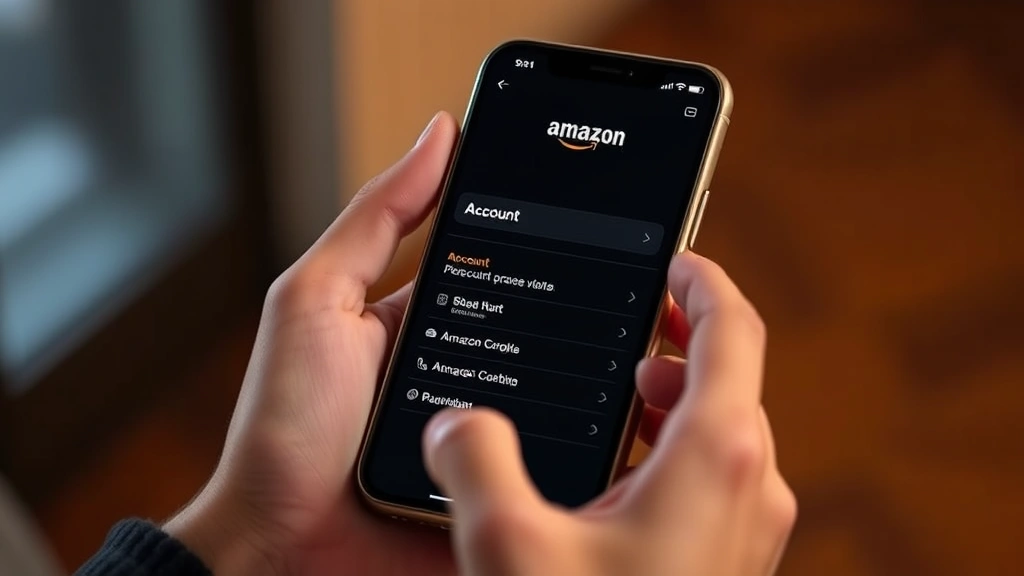
Let’s be real—sometimes you want to keep your Amazon purchases to yourself. Maybe you’re buying a gift, ordering something embarrassing, or just value your privacy. Whatever the reason, knowing how to hide Amazon purchases is a practical skill in today’s digital world. The good news? Amazon gives you legitimate tools to do this, and we’re going to walk through every single one.
This isn’t about being sneaky in a shady way. It’s about taking control of your digital footprint and managing what information is visible to family members, roommates, or anyone with access to your account. Think of it like closing the bathroom door—totally normal, totally reasonable.
Hide Individual Orders from Your Order History
The simplest way to keep a purchase private is to hide it directly from your order history. Amazon lets you do this with a few clicks, and it’s the most straightforward method most people use.
Here’s how it works:
- Go to Your Account and select Returns, Orders & Receipts
- Find the order you want to hide
- Click the three-dot menu icon next to the order
- Select Archive Order or Hide Order (depending on your Amazon version)
- Confirm the action
Once you hide an order, it won’t show up in your main order history anymore. It’s still in your account—you can unhide it anytime—but casual scrollers won’t see it. This is perfect for gifts you’re planning or items you’d rather keep private.
Pro Tip: Hiding orders doesn’t affect your purchase history for warranty or return purposes. Amazon keeps that data internally. You’re just removing it from the visible feed.
The beauty of this method is its simplicity. No passwords to change, no account settings to mess with. Just hide what you want hidden. However, if someone has direct access to your Amazon account (like a spouse or family member with login credentials), they could still unhide these orders if they go looking.
Archive Orders to Keep Them Hidden
Archiving is essentially the same as hiding, but it’s worth explaining separately because the terminology can be confusing depending on which Amazon interface you’re using.
When you archive an order:
- It disappears from your main “Orders” page
- It moves to an archive section that’s not immediately visible
- You can still access it by going to Archived Orders if needed
- It doesn’t affect returns, refunds, or warranty claims
Think of archiving like putting something in a storage box in the garage. It’s still yours, still accessible, but you’re not looking at it every day. This is especially useful if you buy a lot of items and want to declutter your order history without permanently removing anything.
To access archived orders later, go to Your Account → Returns, Orders & Receipts and look for a filter or link that says Archived Orders. Click it, and all your hidden purchases will reappear.
Manage Household Profiles and Sharing
If you share your Amazon account with family members or have set up Amazon Household (which lets multiple adults share Prime benefits), you need to understand how this affects privacy.
Amazon Household is convenient—it lets you pool Prime shipping, share digital content, and manage family accounts. But here’s the catch: order visibility settings can be tricky, and you might not realize who can see what.
To manage household sharing:
- Go to Your Account and select Amazon Household
- Review who is added to your household
- Check the Parental Controls section if applicable
- Adjust permissions for shared content and purchases
- Consider removing members if you want complete privacy
Here’s the real talk: if you share an Amazon account with someone, they can see most of what you buy unless you take additional steps. Shared accounts are a privacy compromise by design. If you need complete privacy, you might need a separate account for sensitive purchases.
For households with multiple adults, you can set up individual profiles so each person has their own order history, wish lists, and recommendations. This is cleaner than sharing a single account anyway.
Use the Gift Purchase Option
One of the most underrated privacy features on Amazon is the gift purchase option. When you buy something as a gift, Amazon handles it differently—and that can work in your favor.
When you mark a purchase as a gift:
- The item won’t appear in your order history (it goes to the recipient’s account)
- Amazon won’t use it for personalized recommendations
- You can send it directly to the recipient with a gift message
- You get a gift receipt instead of a regular receipt
This is perfect if you’re buying something for yourself but want to keep it off your main order history. Just select “This is a gift” during checkout, and you’re good to go.
The downside? You won’t have an easy way to track the item in your account later. You’ll need to remember the order number or check your email confirmation. But if privacy is your priority, this is a clean solution.
Safety Warning: Make sure you’re using a secure, private email address for gift receipts if you’re concerned about account access. Someone with access to your email can potentially see these confirmations.
Browser Privacy Settings and Incognito Mode

If you want to prevent Amazon from tracking your browsing habits and building a recommendation profile around certain purchases, use your browser’s privacy features.
Incognito Mode (Chrome, Edge, Brave) or Private Browsing (Firefox, Safari) prevents your browser from storing cookies, history, and site data. This means:
- Amazon won’t track what you’re browsing
- Your recommendations won’t be influenced by these searches
- Your browser history won’t show the sites you visited
- Cookies are deleted when you close the window
To use incognito mode, press Ctrl+Shift+N (Windows) or Cmd+Shift+N (Mac) in Chrome, then shop normally. When you close the window, all traces are gone from your browser.
However—and this is important—incognito mode only affects your local browser. Amazon’s servers still see your account activity if you’re logged in. If someone accesses your Amazon account directly, they’ll still see your purchases. For that reason, incognito mode is best paired with other methods on this list.
For more detailed information on browser privacy, check out resources like the Electronic Frontier Foundation’s guide to private browsing, which explains the nuances of what incognito actually protects.
Strengthen Your Amazon Account Security
Real talk: the best way to keep your purchases private is to make sure only you can access your account. If your account is compromised, all the hiding tricks in the world won’t help.
Here’s what you need to do:
- Enable Two-Factor Authentication (2FA): Go to Your Account → Login & Security and turn on 2FA. This requires a code from your phone every time someone tries to log in.
- Use a Strong, Unique Password: Your Amazon password should be at least 12 characters, include numbers and symbols, and be different from every other password you use.
- Review Active Sessions: In Login & Security, check Devices and Accounts to see where your account is currently logged in. Sign out of any unfamiliar devices.
- Set Up a Recovery Email: Make sure your backup email is current and secure. This helps you regain access if your main email is compromised.
- Monitor Account Activity: Regularly check your Login & Security page for unusual login attempts.
According to Amazon’s official security guidelines, two-factor authentication is the single most effective way to protect your account from unauthorized access. It’s not flashy, but it works.
If you’re concerned about someone with physical access to your device, consider signing out of Amazon on shared computers. And if you use the Amazon app, make sure you’re the only one with access to your phone.
Delete Your Amazon Search History
Your Amazon search history is like a breadcrumb trail. Even if you hide your orders, someone could look at what you’ve been searching for and piece things together.
To clear your search history:
- Go to Your Account and select Browsing History
- Click Manage History
- Select Delete All to clear everything, or check individual items to delete specific searches
- Confirm the deletion
You can also turn off browsing history entirely so Amazon doesn’t track your searches going forward. Go to Browsing History → Manage History → toggle off Keep your browsing history.
The downside of deleting your search history is that you lose personalized recommendations. Amazon uses your search and purchase history to suggest relevant products. If you clear it, you’re back to generic recommendations. It’s a tradeoff between privacy and convenience.
For a more technical approach to clearing your digital footprint, consider reading about how to clear DNS cache and how to disable incognito mode to understand the broader picture of browser privacy.
Pro Tip: If you want to keep some recommendations but hide others, delete search history selectively. Only remove the searches you want to keep private.
Think about your search patterns too. If you search for something like “anniversary gift ideas” and then buy a specific item, hiding the purchase alone might not be enough if someone sees your search history. Delete both for complete privacy.
Additional Privacy Measures Worth Considering
Beyond Amazon’s built-in tools, there are a few other things you can do to maximize your privacy:
Use a Separate Amazon Account: If you need to keep certain purchases completely separate, create a second Amazon account. Use it exclusively for sensitive purchases. This is the nuclear option, but it works perfectly if you need absolute privacy.
Use a VPN: A Virtual Private Network masks your IP address and encrypts your connection. While this doesn’t hide your purchases from Amazon directly, it prevents your ISP or network administrator from seeing your shopping activity. Services like legitimate VPN providers (look for ones with no-logging policies) can add an extra layer.
Clear Your Device Storage: If you’re concerned about someone accessing your phone or computer, regularly clear your cached data. For iPhone users, check out how to clear system data on iPhone to remove stored credentials and app data. Mac users can learn about how to clear disk space on Mac, which also helps remove cache files.
Use a Password Manager: A password manager like Bitwarden, 1Password, or Dashlane stores your Amazon login securely and prevents others from easily accessing your account. It also helps you maintain that strong, unique password we talked about earlier.
Protect Your Email: Your Amazon account is only as secure as the email attached to it. If someone accesses your email, they can reset your Amazon password. Use the same 2FA and strong password principles for your email account.
For a comprehensive look at protecting sensitive documents and information, how to password protect a PDF shows similar security principles you can apply elsewhere in your digital life.
Frequently Asked Questions
Can Amazon see my hidden orders?
– Yes. Amazon’s servers maintain a complete record of every purchase you make, regardless of whether you hide it from your order history. Hiding an order only removes it from your visible account view. Amazon employees can still access this data if needed for legal reasons or customer service. If you’re concerned about Amazon’s data practices specifically, you can review their privacy policy, but hiding orders won’t prevent Amazon from knowing about your purchases.
Will hiding an order affect my ability to return it?
– No. Hidden or archived orders can still be returned within the standard return window. Amazon maintains the full purchase record internally. When you go to initiate a return, you can unhide the order or search for it directly. The return process works exactly the same way.
If I use incognito mode, can Amazon still track me?
– Partially. Incognito mode prevents your browser from storing cookies and history locally, but if you’re logged into your Amazon account, Amazon’s servers are still tracking your activity. They know what you searched for and what you viewed. Incognito is mainly useful for preventing your browser from remembering your activity, not for hiding from Amazon itself. To truly prevent Amazon from tracking your browsing, you’d need to shop without logging in (though you couldn’t complete purchases that way).
What happens if someone else has my Amazon password?
– They can see all your orders, hidden or not. This is why account security is critical. If you suspect someone has your password, change it immediately in Your Account → Login & Security → Password. Also review your active sessions and sign out any unfamiliar devices. If you share your password intentionally with a family member, consider setting up separate Amazon Household profiles instead so you each have privacy.
Can I hide orders from my spouse or family member who shares my account?
– Not completely if they have full account access. If you share login credentials, they can unhide any order you hide. Your best option is to set up separate Amazon accounts or use Amazon Household with individual profiles. This way, each person has their own order history and privacy. If trust is the issue, that’s a separate conversation, but Amazon’s tools can’t override someone who has your actual password.
Is it legal to hide Amazon purchases?
– Absolutely. Hiding your purchases is completely legal and a normal privacy practice. There’s nothing wrong with keeping your shopping habits private. The only exception would be if you’re hiding something illegal (which would be a separate legal issue), but buying personal items, gifts, or anything else legal is your right.
Will my recommendations change if I delete my search history?
– Yes. Amazon’s recommendation algorithm relies heavily on your browsing and purchase history. If you delete your search history, you’ll lose personalized recommendations and get more generic suggestions based on your remaining purchase history. You can delete search history selectively to keep some recommendations while hiding others.
What’s the difference between hiding and archiving an order?
– They’re essentially the same thing. Different versions of Amazon’s interface use different terminology. Both remove the order from your main order history and move it to a separate section. You can unhide or unarchive it anytime. The functionality is identical.

Can I hide orders on the Amazon mobile app?
– Yes. Open the Amazon app, go to Your Account → Returns, Orders & Receipts, find the order, tap the three-dot menu, and select hide or archive. The process is the same as on the website.
If I buy something as a gift to myself, will it show up in my order history?
– No. When you mark a purchase as a gift, it’s treated differently by Amazon’s system. It won’t appear in your regular order history. You’ll get a gift receipt instead. Just remember to note the order number or save the email confirmation so you can track it if needed.


