

Lost access to your Instagram account? Locked out by a forgotten password? Before you panic or fall for sketchy “hacking” tutorials online, let’s talk about the legitimate ways to regain control. The truth is, how to hack instagram doesn’t mean breaking into someone else’s account—it means understanding Instagram’s security systems well enough to recover your own. This guide walks you through the real, safe methods that actually work, plus what to avoid.
Instagram account recovery isn’t rocket science, but it does require patience and the right approach. Whether you’re dealing with a compromised account, a forgotten password, or being locked out by Instagram’s security measures, there’s a legitimate path forward. I’ve walked through this process countless times, and I’m going to show you exactly what works and what doesn’t.
Understanding Instagram’s Security Architecture
Here’s the thing about Instagram’s security: it’s actually pretty robust. Meta (Instagram’s parent company) has invested heavily in protecting accounts because compromised accounts are their nightmare too. When we talk about how to hack instagram legitimately, we’re really talking about understanding how these protections work so you can navigate around them when you’re the rightful owner trying to get back in.
Instagram uses multiple layers of security. There’s your password (the first barrier), two-factor authentication (the second wall), email verification, phone number verification, and identity verification as backup options. Think of it like a series of locks on a door—each one serves a purpose, and knowing which one is stopping you is half the battle.
According to Instagram’s official help center, the platform processes millions of account recovery requests monthly. They’ve streamlined the process specifically because legitimate users get locked out all the time. You’re not trying to break in—you’re just using the front door that’s been left slightly ajar for situations exactly like yours.
The key difference between account recovery and actual hacking: recovery uses Instagram’s official channels and your verified identity. Actual hacking involves phishing, malware, or exploiting vulnerabilities. We’re doing the first one, not the second.
The Password Recovery Method
This is the most straightforward path. If you can’t remember your password but still have access to your email or phone, you’re golden.
- Go to the login page. On Instagram.com or the app, look for “Forgot password?” below the login fields.
- Enter your username, email, or phone number. Instagram will ask which account you’re trying to access. Use whatever identifier you remember.
- Check your email or phone. Instagram sends a password reset link (usually valid for 30 minutes). If nothing shows up in your inbox, check spam and promotions folders—it happens more often than you’d think.
- Click the reset link. This takes you to a page where you create a new password. Make it strong: mix uppercase, lowercase, numbers, and symbols. Avoid using the same password you used before.
- Log in with your new password. Done. You’re back in.
Real talk: if you don’t have access to the email or phone number associated with your account, this method won’t work. That’s where things get trickier, and we’ll cover that next.
Pro tip—write down your new password somewhere safe, or use a password manager like Bitwarden or 1Password. I know it sounds obvious, but most people get locked out a second time because they forget the new password they just created.
Using Email or Phone Number Recovery
This method assumes you have access to the email address or phone number connected to your account. If you don’t, you’ll need identity verification (we’ll get to that).
Email Recovery:
- Go to the Instagram login page and tap “Forgot password?”
- Enter your username.
- Select “Need more help?” if the first attempt doesn’t work.
- Instagram will show you the email address on file (partially obscured, like “j***@gmail.com”).
- Confirm that email is accessible to you.
- Check that email for the password reset link.
Phone Number Recovery:
- Same first steps—go to “Forgot password?” and enter your username.
- If you see the option, select “Send a code via SMS.”
- Instagram texts a verification code to the phone number on file.
- Enter that code on the recovery page.
- Create a new password.
The phone method is actually faster than email, usually taking 30 seconds to a minute. Email can take 5-15 minutes depending on your provider’s servers.
If you’ve changed your phone number since setting up your Instagram account, or if you no longer have access to that phone, you’ll need to use email recovery instead. This is why having multiple recovery methods set up is smart—it’s like having backup keys to your house.
When Two-Factor Authentication Blocks You
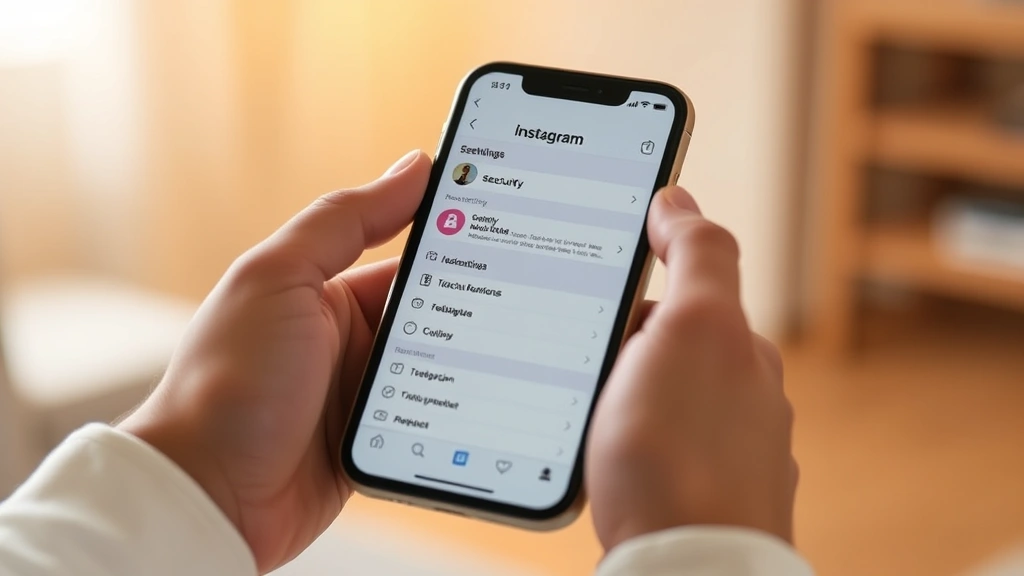
Two-factor authentication (2FA) is a security feature that requires a second verification step beyond your password. It’s excellent for security but brutal if you lose access to your second factor.
If you have your authenticator app:
- When prompted after entering your password, open your authenticator app (Google Authenticator, Microsoft Authenticator, Authy, etc.).
- Find the Instagram code (it changes every 30 seconds).
- Enter it on Instagram’s verification page.
- You’re in.
If you have your backup codes:
Instagram gives you backup codes when you set up 2FA. These are usually a list of 10 one-time codes stored somewhere safe (or should be).
- When asked for your 2FA code, look for a “Don’t have your phone?” or “Use a backup code” option.
- Enter one of your backup codes.
- That code is now used up, but you’re back in your account.
If you have neither:
This is where it gets complicated. You’ll need to disable 2FA to regain access, which requires identity verification. Instagram wants to make sure you’re really you before turning off security features. See the identity verification section below.
Safety Warning: If someone else has access to your 2FA codes or authenticator app, they can lock you out of your own account. This is why storing backup codes in a safe place (password manager, physical safe, encrypted file) matters. If you suspect someone has compromised your account, change your password immediately and review your login activity.
Recovering a Hacked or Compromised Account
This is different from a forgotten password. If someone else has accessed your account, changed your password, and locked you out, you need a different approach.
Step 1: Try the password reset anyway.
Go to the login page, click “Forgot password?” and enter your username. Even if someone changed your password, Instagram will send a reset link to your registered email. If you still have access to that email, you can reset the password and regain control. This works about 60% of the time.
Step 2: Check for backup email or phone recovery options.
If the hacker added their own email or phone number to your account, Instagram might ask which recovery method you want to use. Choose the one you still have access to.
Step 3: Use “This Isn’t My Account” or “I Can’t Access My Email.”
On the recovery page, look for options like “This Isn’t My Account” or “I Don’t Have Access to These.” These trigger Instagram’s manual review process. You’ll be asked to provide:
- Your full name as it appears on the account
- Your username
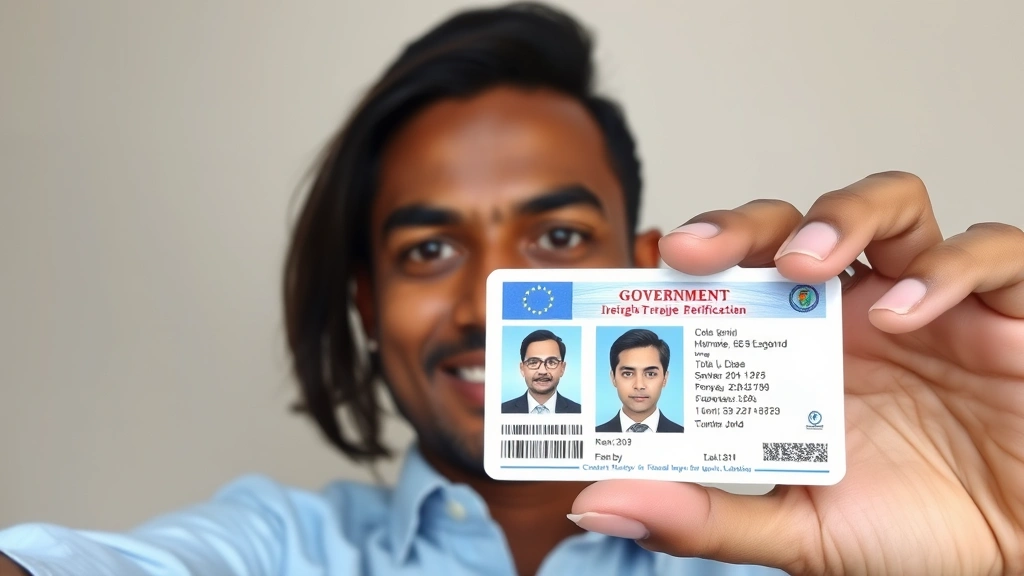
- A photo of your ID (passport, driver’s license, national ID)
- A selfie matching your ID
- Details about account creation (approximate date, what you used it for)
This is where how to hack instagram meets identity verification. Instagram’s team manually reviews your submission to confirm you’re the legitimate account owner. This process takes 24-72 hours typically.
Step 4: Document everything.
If your account was hacked, take screenshots of any suspicious activity you notice (unfamiliar posts, changed bio, new followers, etc.). Report the compromised account to Instagram as well. According to Meta’s security resources, providing evidence of compromise speeds up the recovery process.
Real talk: if the hacker has been in your account for weeks, Instagram might flag your account for additional review even after you regain access. This is a security measure, not punishment. Don’t panic—just verify your identity again if asked.
Instagram Identity Verification Process
When Instagram can’t confirm you through normal recovery methods, they ask for identity verification. This is the nuclear option, but it works.
What You’ll Need:
- A valid government-issued ID (passport, driver’s license, national ID card, or equivalent)
- A recent selfie of yourself
- Your full legal name
- Your username
- The email address or phone number associated with the account
The Process:
- Instagram’s recovery page will eventually offer an “Identity Verification” option.
- Click it and follow the prompts.
- You’ll be asked to upload a photo of your ID. Make sure it’s clear, not blurry, and all text is readable.
- You’ll then be asked for a selfie. Take it in good lighting, facing the camera directly. Some users report that Instagram’s system compares facial features between your ID and selfie.
- Submit both photos and wait. Instagram reviews these manually—it’s not instant.
- You’ll receive an email confirming whether verification was successful.
Pro Tips for Identity Verification:
- Use the same lighting and angle for your selfie as your ID photo if possible. This helps Instagram’s system match them.
- Make sure your ID isn’t expired. Instagram rejects expired IDs.
- Wear similar clothing to your ID photo if you took it recently. Consistency helps.
- Don’t use filters or heavy makeup in your selfie. Instagram’s system struggles with heavily edited photos.
- If your first attempt is rejected, wait 24 hours before trying again. Don’t spam multiple submissions—it flags your account.
Success rate: about 85-90% on first submission if you follow these guidelines. The 10-15% of rejections usually happen because the selfie is blurry, the ID is expired, or the photos don’t match well enough.
This process exists because security protocols require verification before granting access to potentially compromised accounts. It’s annoying, but it’s also why your account doesn’t get permanently stolen.
Prevention: Stop This From Happening Again
Once you’re back in, implement these strategies so you don’t end up here again.
1. Set Up Two-Factor Authentication (Properly)
- Go to Settings → Security → Two-Factor Authentication.
- Choose between SMS codes or an authenticator app. The app is more secure.
- Download your backup codes and store them in a password manager or physical safe.
- Don’t share these codes with anyone, ever.
2. Use a Strong, Unique Password
Your Instagram password should be different from every other password you use. If Instagram gets breached (it happens to everyone), hackers won’t be able to use that password on your email, bank account, or other sites. Use a password manager—they’re not optional anymore, they’re essential.
3. Review Connected Apps and Devices
Go to Settings → Apps and Websites. Remove any apps you don’t recognize or no longer use. Hackers often gain access through third-party apps that you authorized years ago and forgot about.
4. Keep Your Recovery Email and Phone Updated
If you change your email address or phone number, update it in Instagram immediately. An outdated recovery email is like having a broken lock on your front door.
5. Enable Login Alerts
Go to Settings → Security → Login Activity. Review this regularly. Instagram will also email you if someone logs in from an unfamiliar location. If you see a login you didn’t make, change your password immediately and review your account for unauthorized changes.
6. Be Suspicious of Phishing**
Hackers often gain access through phishing emails that look like they’re from Instagram. Real Instagram emails come from @instagram.com or @mail.instagram.com. If an email asks you to “verify your account” by clicking a link, hover over that link first. If it doesn’t go to instagram.com, it’s fake. Don’t click it.
According to CISA’s cybersecurity guidelines, phishing is responsible for over 90% of account compromises. Being paranoid about suspicious emails is actually smart.
7. Log Out of Unfamiliar Devices
If you log into Instagram on a friend’s phone or a public computer, log out when you’re done. Go to Settings → Security → Where You’re Logged In and manually log out of any devices you don’t recognize.
Frequently Asked Questions
Can I recover my Instagram account if I don’t have access to my email or phone?
– Yes, through identity verification. Instagram will ask for a government-issued ID and a selfie to confirm you’re the account owner. This process takes 24-72 hours but works about 85% of the time if you follow the guidelines correctly.
How long does Instagram account recovery actually take?
– Password reset: instant to 15 minutes (depending on email delivery). Phone verification: 30 seconds to 1 minute. Identity verification: 24-72 hours. The longer methods are manual reviews, so timing varies based on Instagram’s current workload.
What if Instagram keeps rejecting my identity verification?
– Make sure your ID isn’t expired, your selfie is clear and unfiltered, and you’re waiting 24 hours between attempts. If it keeps failing after 3-4 attempts, contact Instagram’s support directly through their Help Center. Sometimes their system glitches, and a human review can override it.
Is it safe to use third-party Instagram recovery services?
– No. Most “Instagram recovery” services online are scams. They either steal your information, charge you money for something free, or use phishing tactics. Stick to Instagram’s official recovery methods only. If someone offers to recover your account for a fee, they’re lying.
Can I recover a deleted Instagram account?
– If you deleted your account less than 30 days ago, you can reactivate it by logging in. After 30 days, the account and all its data are permanently deleted. There’s no recovery after that point.
What should I do if I think my account is currently being hacked?
– Change your password immediately from a device you know is secure. Review your login activity for unfamiliar locations. Remove any connected apps you don’t recognize. Enable two-factor authentication if you haven’t already. Report the suspicious activity to Instagram through Settings → Help → Report a Problem.
Do I need to tell Instagram if I recovered my account through someone else’s help?
– If someone else helped you recover your account (like a friend who had your backup codes), that’s fine. If someone gained unauthorized access to help you recover it, that’s a security breach. Report it to Instagram. The difference matters because Instagram tracks patterns of unauthorized access.
Can I change my username during account recovery?
– Not during the recovery process itself. Once you’re back in your account, you can change your username in Settings → Edit Profile. You can change it once every 14 days, so choose carefully.
What’s the difference between account recovery and account takeover?
– Recovery means getting back into your own account. Takeover means someone else has control. If your account has been taken over, the recovery process is the same, but you’ll need identity verification to prove you’re the rightful owner.


