
How to Get Rid of Mouse in House: Simple & Effective Tips
Discovering a mouse in your home can be unsettling, but don’t panic. Learning how to get rid of mouse in house quickly and effectively is easier than you think. Whether you’re dealing with a single visitor or a larger infestation, this guide covers proven methods to eliminate mice, prevent their return, and reclaim your space. From traps and baits to exclusion techniques and natural deterrents, we’ll walk you through every step to make your home mouse-free again.
Quick Answer: The fastest way to eliminate a mouse is using snap traps or electronic traps baited with peanut butter, placed along walls where mice travel. Combine this with sealing entry points, removing food sources, and maintaining cleanliness. Most infestations resolve within 1-2 weeks using this multi-pronged approach. For persistent problems, contact a professional pest control service.
Tools & Materials You’ll Need
- Snap traps or electronic traps
- Peanut butter or nesting material (bait)
- Caulk and caulking gun
- Steel wool or mesh
- Gloves and trash bags
- Flashlight for inspection
- Rodent poison (optional, use cautiously)
- Ultrasonic repellent devices (optional)
- Cleaning supplies and disinfectant
Identify Signs of Mouse Activity
Before you can effectively get rid of mouse in house, you need to confirm you actually have one. Look for droppings (small, dark pellets about the size of a grain of rice) along baseboards, in cabinets, or near food storage areas. You might also notice gnaw marks on food packages, wires, or drywall, or hear scratching sounds in walls, especially at night.
Other telltale signs include a distinctive musky odor, small holes in walls or furniture, or actual mouse sightings. Check your kitchen thoroughly since mice are attracted to food. According to WikiHow’s pest control guides, early detection is crucial for preventing a small problem from becoming a full infestation. If you spot these signs, act immediately to prevent the situation from worsening.
Pay special attention to areas where pipes enter your home, gaps around doors and windows, and spaces under appliances. These are common entry points and activity zones for mice. Document what you find to help determine the extent of your mouse problem.

Best Trapping Methods for How to Get Rid of Mouse in House
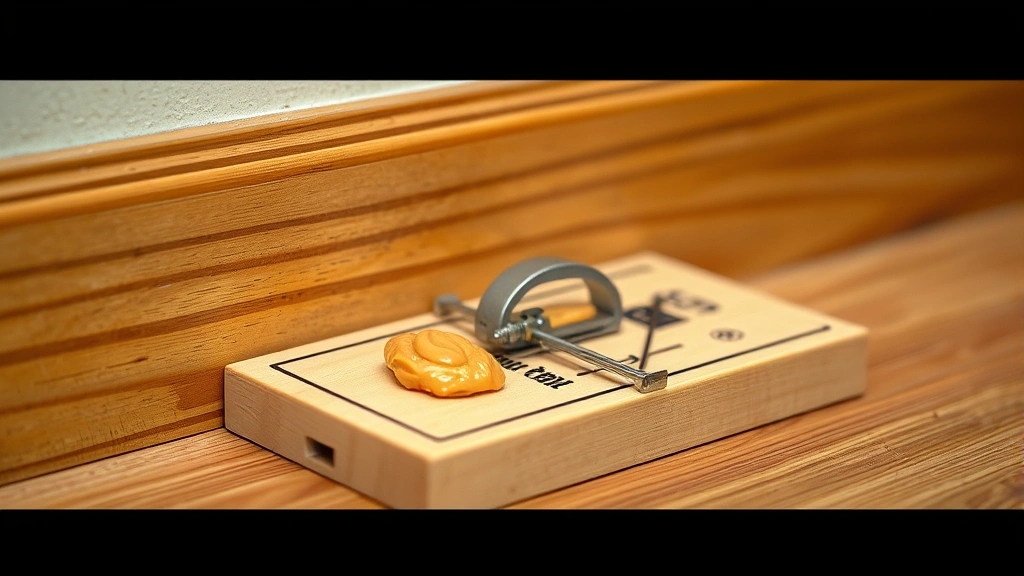
Trapping is the most effective immediate solution when learning how to get rid of mouse in house. Snap traps remain the gold standard—they’re inexpensive, quick, and reliable. Set them perpendicular to walls where you’ve seen activity or droppings, since mice run along edges. Bait them with peanut butter, chocolate, or nesting material like cotton balls.
Electronic traps deliver a high-voltage shock and kill instantly, minimizing suffering. They’re more expensive but reusable and less messy. Place these along the same wall-running routes. Live-catch traps allow you to release mice outdoors, though this isn’t always humane if released far from food sources. As reviewed by Consumer Reports, electronic traps often outperform traditional snap traps in field tests.
Position traps in high-activity areas: along baseboards, behind appliances, in pantries, and near entry points. Check traps daily—a dead mouse left too long can attract insects and create odor problems. Wear gloves when handling traps and dispose of dead mice in sealed bags. For best results, use multiple traps simultaneously rather than relying on a single trap.
Rodent poison can work but poses risks to pets and children, so use only if you have secure bait stations. Poison takes 3-7 days to work, during which mice may die in walls, creating odor issues. Trapping generally produces faster, more controllable results.
Seal Entry Points and Gaps
Once you’ve trapped existing mice, preventing new ones from entering is critical to permanently solving your mouse problem. Mice can squeeze through openings as small as a dime, so thorough sealing is essential. Inspect your home’s exterior and interior for gaps, cracks, and holes.
Common entry points include gaps around pipes, cracks in foundation, spaces under doors, poorly sealed windows, and holes where utilities enter. Use steel wool mixed with caulk to fill small holes—mice can’t chew through steel wool. For larger gaps, use expanding foam sealant or hardware cloth. As explained by Family Handyman, this preventative approach stops reinfestation before it starts.
Check your garage, basement, and attic thoroughly. Install door sweeps under exterior doors and ensure weatherstripping is intact. Seal gaps around air vents with hardware cloth. Don’t forget less obvious areas like spaces around dryer vents and exhaust pipes. This sealing process is your best long-term defense against future mouse invasions.
If you’re unsure about your home’s structural integrity, consider having a professional pest control inspector evaluate entry points. Many offer free inspections and can identify vulnerabilities you might miss.
Eliminate Food Sources
Mice are attracted to homes because of accessible food. To successfully get rid of mouse in house, remove temptations. Store all dry goods—cereal, flour, pasta, pet food—in airtight glass or plastic containers. Mice can easily chew through cardboard and paper packaging.
Keep your kitchen scrupulously clean: wipe counters daily, sweep floors, and don’t leave dirty dishes out overnight. Take out trash regularly in sealed containers, and never leave food on counters. Clean up crumbs immediately and store pet food in sealed containers, removing bowls after meals. According to The Spruce’s home maintenance articles, eliminating food sources reduces mouse populations by up to 70%.
Check pantries and cabinets for infested food items—mice contaminate far more food than they eat. Inspect stored items regularly for signs of chewing or droppings. Consider storing pantry items in your refrigerator or freezer if possible. Don’t forget about pet food in garages or basements; secure these areas properly.
Bird seed and outdoor pet food are also attractants. Store these in sealed metal containers and clean up spilled seed promptly. Remove outdoor food sources near your home’s foundation to discourage mice from settling nearby.
Natural Deterrents and Prevention
Beyond traps and sealing, several natural approaches can complement your mouse elimination strategy. Peppermint oil is a natural deterrent—soak cotton balls in it and place them near entry points and problem areas. Mice dislike the strong scent, though effectiveness varies. Refresh these regularly as the scent fades.
Ultrasonic repellent devices emit high-frequency sounds that supposedly irritate rodents. Scientific evidence is mixed, but they’re worth trying as a supplementary method, especially in basements and garages. Plug-in devices are inexpensive and safe around children and pets.
Maintain proper sanitation throughout your home. Clutter provides hiding spots and nesting material, so declutter regularly, especially in basements, attics, and storage areas. Keep firewood, cardboard boxes, and newspapers away from your home’s exterior. Store these items at least 20 feet from your house.
Consider adopting a cat—their presence alone deters mice, and they’re effective hunters. Even the scent of cat litter can repel rodents. Keep your yard maintained by trimming bushes and grass; mice prefer dense vegetation for cover. Remove potential nesting materials like leaves and mulch piled against your foundation.
When to Call Professional Pest Control
If your DIY efforts haven’t eliminated your mouse problem within two weeks, or if you suspect a large infestation, it’s time to call professionals. Signs you need expert help include finding droppings in multiple rooms, hearing constant scratching in walls, or discovering nests in your home.
Professional pest control services have access to stronger treatments, better equipment, and expertise in identifying entry points you might miss. They can also safely handle rodent poison and implement comprehensive exclusion strategies. As recommended by HowStuffWorks’ home improvement section, professional intervention often prevents costly damage from prolonged infestation.
Get quotes from multiple companies and ask about their warranty—reputable services guarantee results. They should offer follow-up inspections and prevention recommendations. Professional treatment typically costs $300-$700 but saves money by preventing structural damage and extensive infestation.
When hiring professionals, ask about their methods, chemicals used, and safety protocols. Ensure they’re licensed and insured. Request a detailed plan that includes trapping, sealing, and prevention measures.
Cleanup and Safety Considerations
Proper cleanup is essential when dealing with mouse droppings and contaminated areas. Never sweep or vacuum mouse droppings as this can aerosolize hantavirus particles. Instead, spray droppings with a disinfectant solution (1 part bleach to 10 parts water), let sit for 5 minutes, then wipe with paper towels.
Always wear gloves and a mask when cleaning mouse-contaminated areas. Dispose of contaminated materials in sealed plastic bags. Wash your hands thoroughly after cleanup. If you find extensive contamination, consider hiring professionals with proper equipment for safe removal.
Disinfect surfaces where mice have been active using a bleach solution or commercial disinfectant. Pay special attention to kitchen surfaces, pantries, and areas near droppings. Wash any contaminated clothing separately in hot water.
After eliminating your mouse problem, maintain vigilance. Continue sealing gaps, keeping food stored properly, and maintaining cleanliness. Regular inspections of potential entry points will help catch any new activity immediately. This ongoing prevention is crucial to ensure your home stays mouse-free long-term.
If you have pets or children, ensure all traps and poison are placed in secure, inaccessible locations. Label all pest control products clearly and store safely. Supervise children and pets during treatment and cleanup phases.
FAQ
How long does it take to get rid of mice?
With proper trapping and sealing, most mouse problems resolve within 1-2 weeks. However, larger infestations or homes with multiple entry points may take 3-4 weeks. Consistent effort and multiple traps speed up the process significantly.
Can I get rid of a mouse without traps?
While traps are most effective, combining poison, natural deterrents, food elimination, and sealing can work. However, traps provide immediate results and better control. Most experts recommend using traps as your primary method alongside other strategies.
Is one mouse a sign of infestation?
Not necessarily, but one mouse often means more are nearby. Act immediately to seal entry points and set traps. If you see multiple mice or find droppings in several areas, you likely have an infestation requiring urgent action.
What’s the best bait for mouse traps?
Peanut butter is highly effective and attracts mice reliably. Other good options include chocolate, nesting material (cotton balls), or dried fruit. Use small amounts and refresh bait every few days for best results.
Can mice come back after I’ve eliminated them?
Yes, if entry points aren’t sealed. This is why sealing gaps and maintaining prevention measures is crucial. Continue checking for new entry points and maintaining cleanliness to prevent reinfestation.
Are ultrasonic repellents effective?
Scientific evidence is limited, but many users report some success. They work best as a supplementary method alongside trapping and sealing. Don’t rely on them as your only solution for how to get rid of mouse in house.
Is it safe to use poison with pets?
Poison poses risks to pets and children. If you must use poison, place it in secure bait stations in areas pets cannot access. Trapping is generally safer and more controllable when you have pets or young children.
Should I seal holes before or after eliminating mice?
Set traps first to eliminate existing mice, then seal holes. If you seal holes with mice still inside, they may die in walls, creating odor problems. Complete trapping first, then seal to prevent new mice from entering.



