

Look, we’ve all been there—a headache hits hard and you need relief now, not in an hour. The good news? How to get rid of a headache in 2 minutes isn’t some pipe dream. With the right techniques and a bit of know-how, you can knock out most tension headaches and migraines faster than you’d think possible. I’m talking real, actionable methods that work when you need them most—no complicated setup required.
Table of Contents
Pressure Points Work Fast
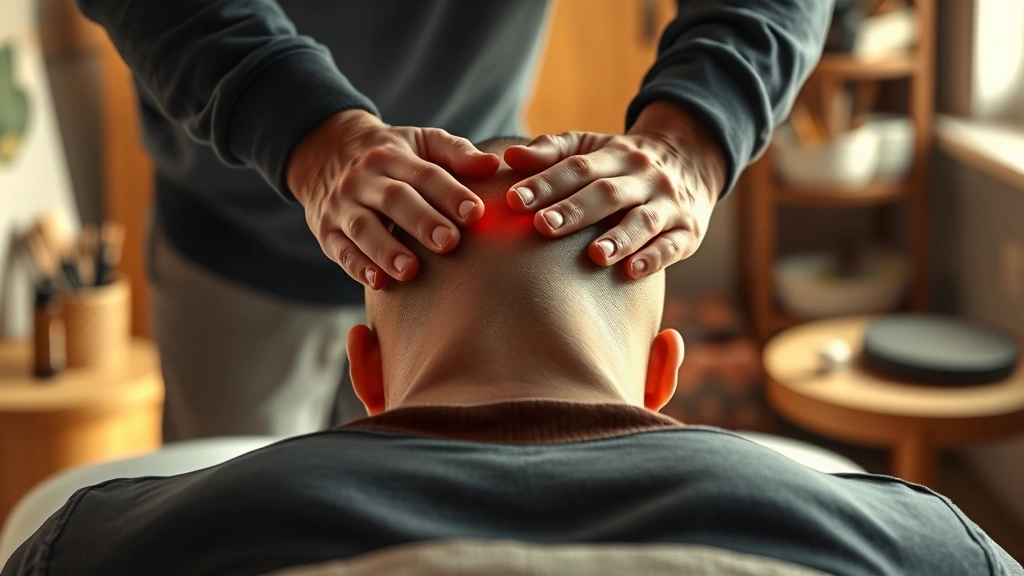
The fastest way to tackle a headache involves hitting specific pressure points on your body. These aren’t mystical—they’re backed by actual physiology. The most effective point is located between your thumb and index finger, in the webbing. Press firmly for 30-60 seconds while taking slow, deep breaths. You’ll feel a slight ache, but that’s the point (literally). Another killer spot is the base of your skull, where your neck meets your head. Use your thumbs to press upward into those little hollows on both sides. Hold for one minute while breathing deeply.
The temple pressure point is equally effective for tension headaches. Place your fingers on your temples and apply steady pressure while making small circular motions. This activates nerves that signal pain relief to your brain. The beauty of pressure point therapy is that it requires zero equipment and works almost anywhere—your desk, your car, or your couch. If you’re dealing with neck tension that causes headaches, combining pressure point work with neck release techniques multiplies your results.
The Cold Water Trick
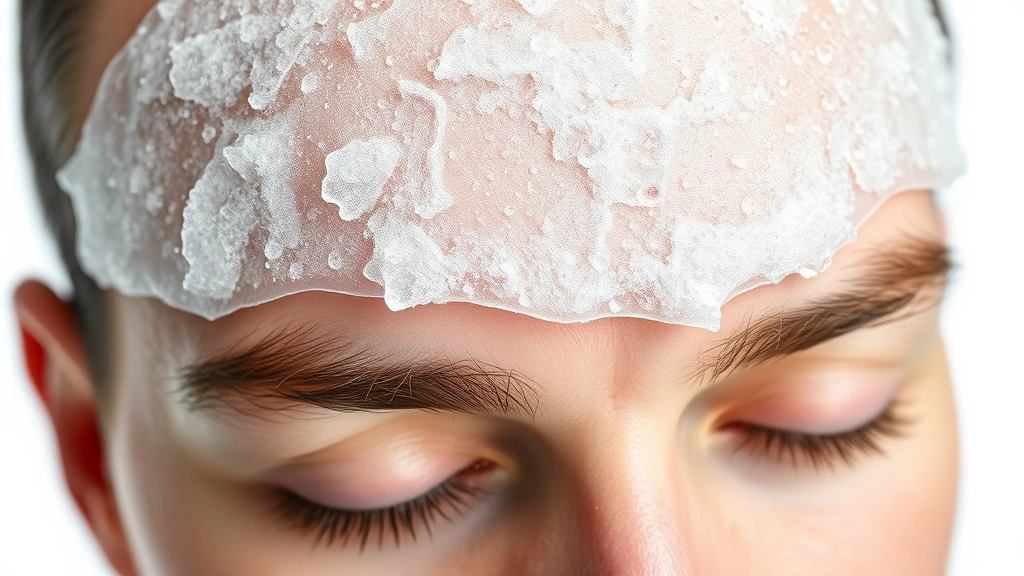
Temperature manipulation is one of the fastest headache killers available. Splash your face with ice-cold water or hold your face under cold running water for 15-20 seconds. This triggers the mammalian dive reflex, which literally slows your heart rate and reduces blood vessel inflammation—exactly what you need when a headache’s crushing your skull. If you can’t splash your face, grab ice cubes and hold them against your forehead, temples, or the back of your neck for 30-45 seconds.
The science here is solid: cold constricts blood vessels and numbs nerve endings. You’ll feel immediate relief in most cases. Some people swear by the opposite approach—a warm compress on the neck and shoulders—but for fast, two-minute relief, cold wins every time. Keep ice packs or a bag of frozen vegetables in your freezer specifically for headache emergencies. The cold water method works particularly well for migraines because it addresses the vascular component of the pain.
Deep Breathing Technique
Most headaches are worsened by shallow, stressed breathing. When tension builds, your breathing gets tight, oxygen levels drop, and your headache intensifies. Flip the script with the 4-7-8 breathing technique: breathe in through your nose for 4 counts, hold for 7 counts, and exhale through your mouth for 8 counts. Repeat this cycle 5-6 times. The extended exhale activates your parasympathetic nervous system—your body’s natural chill-out response.
This technique works because it forces you to slow down and increases oxygen flow to your brain. You’ll notice your shoulders dropping, your jaw unclenching, and the headache pressure easing within 60-90 seconds. The beauty is that breathing costs nothing and works everywhere. Do this while sitting at your desk, in your car, or lying down. Combine it with the pressure point techniques above and you’re looking at genuine two-minute relief for most tension-based headaches.
Neck and Shoulder Release
Tension headaches almost always originate from tight neck and shoulder muscles. Your upper trapezius muscle—that thick muscle running from your neck to your shoulder—is usually the culprit. Tilt your head gently toward your right shoulder, feeling the stretch on the left side of your neck. Hold for 20 seconds, then repeat on the other side. Do this twice on each side, and you’ll feel immediate relief as those tight muscles release.
Add shoulder rolls to this routine: roll your shoulders backward 10 times in slow, deliberate circles. Then roll them forward 10 times. This releases the tension that’s been pulling on the muscles attached to your skull. If you’re experiencing crunching sounds in your neck, this release work is even more critical because it indicates significant muscle tension. Spend 90 seconds total on these neck stretches and you’ll notice the headache pressure dropping significantly.
Dim the Lights Immediately
Bright light is a headache accelerant. If you’re dealing with a headache, your first move should be to dim the lights or move to a darker space. Light sensitivity (photophobia) is a real symptom of most headaches, especially migraines. Simply reducing light exposure can cut your headache intensity in half within seconds. Turn off overhead lights, close blinds, or move away from your screen.
If you’re stuck in a bright environment, wear sunglasses indoors—no judgment here, this is pain management. Blue light from screens is particularly problematic, so if you’re at a computer, either dim your screen brightness or take a break from the screen entirely for those crucial two minutes. The reduction in visual stimulus allows your nervous system to calm down and your headache to ease. This is one of the fastest, easiest interventions available.
Quick Caffeine Strategy
Here’s the counterintuitive truth: a small amount of caffeine actually helps relieve headaches, especially tension headaches. A cup of coffee or tea consumed quickly can reduce headache pain by 25-40% in many people. The caffeine constricts blood vessels and enhances the effectiveness of pain-relieving medications. The key is timing—drink it immediately when you feel the headache starting, not after it’s fully established.
Don’t overdo it though. A single cup of coffee or one energy drink is the sweet spot. More caffeine can actually trigger rebound headaches later. If you’re sensitive to caffeine or already drink multiple cups daily, skip this approach. But for most people dealing with occasional headaches, that quick caffeine boost combined with the other techniques in this guide will get you to two-minute relief. Some people even combine a small caffeine dose with a quick nap for maximum effect.
Fix Your Posture Now
Bad posture is a silent headache creator. Forward head posture—where your head juts forward from your shoulders—puts constant tension on your neck and upper back muscles. If you’re currently slouching, sit up straight immediately. Pull your shoulders back, align your ears over your shoulders, and straighten your spine. You’ll feel the difference in seconds as tension releases from your neck and base of skull.
If you’re at a desk, adjust your monitor so it’s at eye level. Your phone should be at eye level too, not down in your lap where it forces you to look down. This simple postural correction alone can reduce headache intensity by 30-50% within two minutes. The muscles that were being stretched and strained suddenly relax. This is why desk workers and phone addicts get so many headaches—their posture is constantly triggering muscle tension. Fix it now and feel immediate relief.
Reduce Sound and Stimulation
Just like light sensitivity, sound sensitivity amplifies headaches. Loud noises, background chatter, and even moderate noise levels can intensify head pain. Find a quiet space or use earplugs if you can’t escape the noise. If you’re at work or in a public space, simply putting in noise-canceling earbuds (even without music) can reduce the sensory overload your nervous system is processing.
Minimize all stimulation: dim lights, reduce noise, put your phone on silent, and step away from busy environments if possible. Your nervous system is in overdrive when a headache hits, and every sensory input makes it worse. By creating a calm, quiet environment for just two minutes, you’re allowing your body to shift out of stress mode and into recovery mode. This compounds the effects of all the other techniques in this guide.
Frequently Asked Questions
Can I really get rid of a headache in 2 minutes?
Yes, for most tension headaches and mild migraines. The techniques outlined here address the root causes—muscle tension, stress response, light sensitivity, and blood vessel inflammation. Severe migraines might need medication, but even those respond faster when combined with these methods. The key is acting immediately when the headache starts, not waiting until it’s severe.
Which technique works fastest?
The cold water splash combined with pressure point therapy typically delivers the fastest results for most people. You’ll feel relief within 30-60 seconds. However, everyone’s different—some people respond better to breathing techniques, others to caffeine and cold. Experiment to find your personal headache-relief combo.
Is it safe to use these methods every day?
Yes, all these techniques are safe for daily use. They’re non-invasive and don’t carry the side effects of medication. However, if you’re getting frequent headaches, that’s a signal that something needs addressing—stress levels, posture, hydration, sleep quality, or potentially a medical issue. Use these as immediate relief tools, but also address the underlying causes.
What if nothing works in 2 minutes?
If you’re not seeing relief after two minutes, you might be dealing with a migraine that needs medication, or there could be an underlying issue requiring medical attention. Take an over-the-counter pain reliever and combine it with the cold compress and dark room techniques. If headaches are frequent or severe, see a healthcare provider to rule out serious causes.
Do I need any special equipment?
Nope. Everything here uses your body, water, or items you already have at home. No expensive gadgets, no special tools. Ice from your freezer, your hands for pressure points, and a quiet space are all you need. This makes these techniques genuinely accessible anywhere, anytime.
Final Thoughts
Getting rid of a headache in two minutes isn’t magic—it’s applied physiology. You’re addressing the actual mechanisms behind head pain: muscle tension, stress response, blood vessel inflammation, and sensory overload. The fastest results come from combining multiple techniques: cold water + pressure points + breathing + posture correction + reduced stimulation. Start immediately when you feel a headache coming on, because prevention and early intervention are your best friends.
Remember that while these techniques are fantastic for acute relief, chronic headaches need a bigger-picture approach. Stay hydrated, manage stress, maintain good posture, and get adequate sleep. If you’re dealing with frequent headaches despite using these methods, check with your doctor. For most occasional headaches though, this toolkit will have you feeling normal again in minutes. Your future self will thank you for keeping these techniques in your mental toolbox.
For more health and wellness tips, check out resources from the Mayo Clinic and the CDC for evidence-based health information. If you’re interested in related wellness topics, learn about managing notifications on your Apple Watch to reduce stress triggers, or check out how to reboot your iPhone if you’re overwhelmed by digital stress that’s contributing to headaches.


