
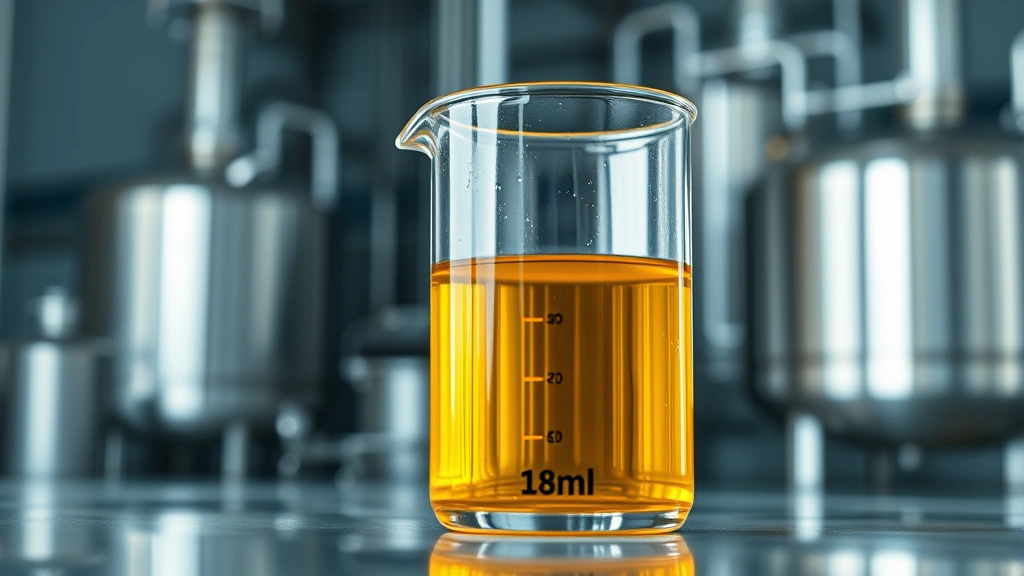
Let’s be real—finding high quality palm oil isn’t as simple as grabbing the first bottle off the shelf. The palm oil market is messy. You’ve got sustainability concerns, grade variations, refining processes that range from sketchy to pristine, and pricing that doesn’t always correlate with actual quality. If you’re sourcing for food production, cosmetics, industrial use, or personal consumption, you need to know what separates genuinely good palm oil from the stuff that’ll compromise your product or your values.
This guide walks you through the exact criteria for evaluating how to get high quality palm oil, where to source it, and what red flags to watch for. Whether you’re a small business owner, a manufacturer, or someone who cares about what goes into your products, you’ll walk away with actionable intel.
Understanding Palm Oil Grades and Standards
Palm oil comes in different grades, and this is where most people get confused. The grade tells you a lot about the oil’s purity, processing method, and intended use.
Crude Palm Oil (CPO) is the raw, unrefined version extracted directly from palm fruit. It’s got a reddish color from carotenoids (natural pigments), a distinctive smell, and it’s loaded with nutrients. But it’s also got impurities—water, sediment, and free fatty acids. CPO works great for some applications, but it’s not shelf-stable for long periods and can go rancid faster than refined versions.
Refined Palm Oil is what you get after CPO goes through bleaching, deodorizing, and other processing steps. The color becomes pale yellow or clear, the smell disappears, and it’s more stable. This is the stuff you find in most food products and cosmetics. The catch? Refining removes some of the beneficial compounds, but it also removes contaminants and extends shelf life dramatically.
RBD Palm Oil (Refined, Bleached, Deodorized) is the industry standard. It meets strict specifications: free fatty acid content below 0.1%, moisture below 0.1%, and no trans fats when hydrogenated properly. This is what you want if you’re making food products that need consistency and long shelf life.
Then there’s Palm Olein—the liquid fraction separated from palm oil. It’s lighter, more fluid, and preferred for frying and some cosmetic applications. Palm Stearin is the solid fraction, used for shortening and specialty fats.
Pro Tip: If someone’s selling you “virgin” or “extra virgin” palm oil as a premium product, be skeptical. Unlike olive oil, the virgin designation doesn’t guarantee quality in palm oil. What matters is the refining standard and certification.
The international standard for high quality palm oil comes from organizations like the International Organization for Standardization (ISO) and national bodies. Look for oils that meet or exceed ISO 6886 standards for oxidative stability, which measure how resistant the oil is to breaking down over time.
The Refining Process and Quality Impact
Here’s where the real quality difference shows up. Not all refining is created equal, and this is where you separate premium suppliers from the bargain-basement operators.
Physical Refining uses heat and steam to remove free fatty acids and impurities. It’s faster, cheaper, and preserves more of the oil’s natural compounds. But it requires higher temperatures (around 240°C), which can create trans fats if the process isn’t controlled carefully.
Chemical Refining (also called neutralization) uses caustic soda (sodium hydroxide) to chemically neutralize free fatty acids. It’s more thorough, handles higher acid content oils, and produces cleaner results. The downside? It’s more expensive and requires careful waste management. But for high quality palm oil, this is often the preferred method because it gives you more control over the final product.
The bleaching step matters too. Quality suppliers use food-grade bleaching earths (diatomaceous earth or activated clay) to remove pigments and contaminants. Cheap operations might use inferior materials that leave residue.
Deodorization is where the smell goes away. This step uses steam distillation under vacuum to remove volatile compounds. Done right, it preserves the oil’s stability. Done wrong, it can damage the oil’s fatty acid profile or leave chemical residues.
The best refineries use continuous processing rather than batch processing. Why? Because continuous systems maintain tighter control over temperature, pressure, and contact time. Batch processing is cheaper but gives you less consistency. If a supplier can’t tell you their refining method in detail, that’s a red flag.
Safety Warning: Some older refining facilities use solvents like hexane for extraction and processing. While these are generally recognized as safe when residues are minimized, legitimate suppliers will have testing data proving solvent residues are below regulatory limits (typically under 10 ppm). Ask for this documentation.
Where to Source High Quality Palm Oil
Your sourcing strategy depends on your volume and application, but the principle is the same: work with suppliers who can provide documentation and have track records.
Direct from Refineries is the gold standard if you’re buying in bulk (usually minimum 20,000 liters). Major refineries in Indonesia, Malaysia, and now parts of Africa have quality control labs and can provide certificates of analysis, safety data sheets, and traceability documentation. The downside is minimum order quantities and longer lead times. Companies like Agrotech and similar major Malaysian refineries serve this market.
Distributors and Wholesalers are your middle ground. They buy from multiple refineries, warehouse the oil, and break it into smaller quantities. You lose some traceability, but you gain flexibility. Reputable distributors will have established relationships with refineries and can provide batch testing data. Look for distributors with ISO 9001 certification (quality management) and ISO 22000 (food safety).
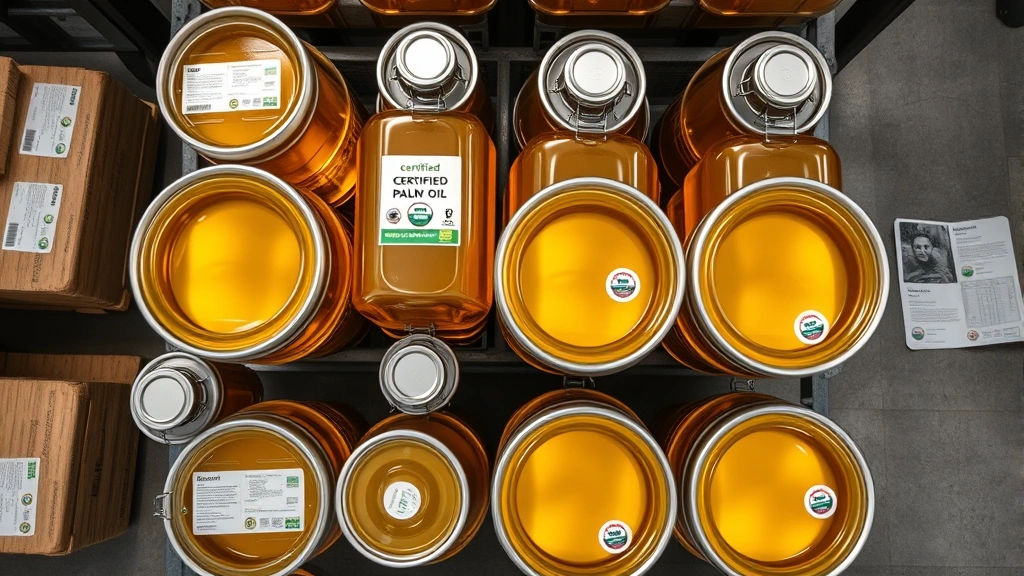
Specialty Suppliers focus on certified sustainable or organic palm oil. They’re more expensive but offer transparency. Organizations like the Roundtable on Sustainable Palm Oil (RSPO) maintain directories of certified producers and distributors.
Small-Scale and Artisanal Producers exist, especially in West Africa and Southeast Asia. These operations can produce excellent crude palm oil, but quality is inconsistent and traceability is harder. Only work with these if you have direct relationships and can conduct on-site audits.
Red flags when evaluating suppliers:
- They can’t provide a certificate of analysis (CoA) from an accredited lab
- They won’t disclose the origin or refinery location
- Pricing is significantly lower than market rates (usually a sign of lower quality or undisclosed sourcing)
- They have no quality certifications or third-party audits
- Communication is vague about processing methods or storage conditions
Certification and Sustainability Labels

Certification doesn’t guarantee quality in the traditional sense (purity, stability, performance), but it does guarantee sourcing practices and environmental standards. For many buyers, this matters as much as the oil itself.
RSPO Certification (Roundtable on Sustainable Palm Oil) is the most widely recognized. It covers environmental impact, labor practices, and community rights. RSPO-certified oil comes with documentation showing it came from verified sustainable sources. There are three models: Segregated (certified oil kept separate), Mass Balance (certified and conventional oil mixed with documentation), and Book & Claim (credits purchased separately). For high quality palm oil with verified sustainability, look for Segregated or Mass Balance.
ISPO Certification (Indonesian Sustainable Palm Oil) is Indonesia’s national standard. It’s stricter in some ways than RSPO because it applies Indonesian labor and environmental laws. If you’re sourcing from Indonesia specifically, ISPO is valuable.
MSPO Certification (Malaysian Sustainable Palm Oil) is Malaysia’s equivalent. Both ISPO and MSPO are recognized internationally, though RSPO is still the most widely accepted.
Organic Certification for palm oil is rare and expensive because palm plantations have to meet strict organic standards. If you see organic palm oil, it’ll be pricey but represents genuine commitment to sustainable practices.
Fair Trade Certification ensures farmers get fair prices and decent working conditions. It’s not common in palm oil, but when available, it adds credibility.
Pro Tip: Certification is valuable, but don’t let it be your only criterion. A certified oil that’s poorly stored or has high free fatty acid content is still low quality. Use certification as one data point alongside testing results and supplier reputation.
Testing and Verification Methods
This is where you separate marketing from reality. Real high quality palm oil comes with testing data, and you should understand what you’re looking at.
Free Fatty Acid (FFA) Content is the most important metric. It measures how much the oil has degraded due to hydrolysis (usually from moisture, heat, or age). Good RBD palm oil has FFA below 0.1%. Anything above 0.5% is considered low quality. CPO typically has 2-5% FFA, which is normal for unrefined oil.
Peroxide Value (PV) measures oxidation—how much the oil has broken down from exposure to oxygen. Lower is better. Good palm oil has PV below 10 mEq/kg. Above 20 means the oil is oxidizing and won’t have long shelf life.
Iodine Value (IV) measures the degree of unsaturation. For palm oil, normal IV is 50-55. This tells you the oil’s fatty acid composition and how it’ll behave in applications. It shouldn’t vary much between batches from the same source.
Moisture and Volatile Matter should be below 0.1% in refined oil. Higher moisture means the oil will hydrolyze faster and potentially harbor microbial growth.
Melting Point (or Slip Melting Point for fractionated oils) tells you how the oil behaves at different temperatures. This matters if you’re using it for cooking, cosmetics, or industrial applications. Specifications should be consistent batch to batch.
Microbial Testing (plate counts, pathogen screening) is essential if the oil is going into food products. Look for suppliers who test for E. coli, Salmonella, and general aerobic bacteria.
Contaminant Testing includes heavy metals (lead, cadmium, arsenic), pesticide residues, and PAHs (polycyclic aromatic hydrocarbons). Reputable suppliers test for these, especially if selling into regulated markets like the EU or North America.
When evaluating a supplier’s testing data:
- Make sure the lab is accredited (look for ISO 17025 accreditation)
- Request raw data, not just summaries
- Check that tests were done recently (within the last 3 months for oils in storage)
- Compare results across multiple batches to see consistency
- Ask about the testing frequency—quality suppliers test every batch or at minimum every shipment
Proper Storage and Handling
Quality doesn’t end when you receive the oil. How it’s stored and handled directly impacts what you get.
Temperature Control is critical. Palm oil should be stored between 15-25°C (59-77°F) for long-term stability. Higher temperatures accelerate oxidation and free fatty acid formation. If stored above 30°C, quality degrades noticeably within weeks. Cold storage isn’t necessary, but consistent temperature is.
Light Protection matters because UV light triggers oxidation. Store in opaque containers or in dark spaces. Clear glass bottles or transparent plastic are the enemy of long-term quality.
Oxygen Exposure causes rancidity. This is why quality suppliers use inert gas (nitrogen) in storage tanks or fill containers completely to minimize air space. If you’re receiving oil in drums, make sure they’re sealed properly and not exposed to air during transfer.
Moisture Control is essential. Even small amounts of water trigger hydrolysis. Store in dry conditions, and if you’re in a humid climate, consider desiccant packets in storage areas. Never let condensation form inside containers.
Container Material matters. Food-grade stainless steel is ideal. Mild steel drums work but must be lined (epoxy coating) to prevent rust and iron contamination. Plastic containers are okay for short-term storage but can leach compounds over time, especially in warm conditions.
A quality supplier will provide detailed storage instructions and shelf life data. If they don’t, that’s a warning sign. Most RBD palm oil has a shelf life of 18-24 months under proper storage. CPO is shorter—typically 6-12 months.
Price vs. Quality: What You’re Actually Paying For
This is where real talk matters. High quality palm oil costs more than commodity palm oil, and understanding why helps you make smart purchasing decisions.
Commodity Pricing fluctuates based on global supply and demand. As of 2024, crude palm oil trades around $800-1,200 per metric ton depending on market conditions. Refined oil adds processing costs, usually $100-300 per ton. If someone’s offering refined RBD palm oil at significantly below these prices, something’s off—either it’s lower quality, the sourcing is questionable, or they’re dumping old inventory.
Premium Pricing (20-40% above commodity) typically reflects:
- Certified sustainable sourcing (RSPO, ISPO, MSPO)
- Superior refining standards (chemical refining vs. physical)
- Rigorous testing and documentation
- Smaller batch sizes with tighter quality control
- Specialty fractionation (olein, stearin, mid-fraction)
- Custom blending or fortification
Bulk vs. Small Quantities matters significantly. Buying 20,000 liters directly from a refinery costs less per unit than buying 200 liters from a distributor. But small-quantity purchases are often higher quality because they’re fresher and there’s less time in storage. It’s a tradeoff.
Long-Term Contracts vs. spot purchases affect pricing. Suppliers offer discounts for committed volume, but you lock in price even if market rates drop. For high quality palm oil, long-term contracts with reputable suppliers often make sense because you ensure consistent supply and quality.
What you should never compromise on for price:
- Testing and documentation
- Supplier reputation and certifications
- Traceability and origin transparency
- Storage conditions and handling practices
Those are the foundations of quality. Everything else is negotiable.
Frequently Asked Questions
What’s the difference between palm oil and palm kernel oil?
– Palm oil comes from the fruit mesocarp (flesh) and has a different fatty acid profile than palm kernel oil, which comes from the seed. Palm oil is about 50% saturated fat and 40% unsaturated. Palm kernel oil is about 80% saturated fat. They have different melting points and applications. For high quality palm oil, make sure you’re getting the right product for your use case. They’re not interchangeable.
Is refined palm oil less nutritious than crude palm oil?
– Crude palm oil has more carotenoids and vitamin E, but refined oil is more stable and shelf-stable. If nutrition is your priority, crude palm oil has advantages. If you need consistency and long shelf life, refined is better. Neither is “unhealthy”—it depends on your application. Most food manufacturers use refined because they need predictability.
How do I know if palm oil has gone rancid?
– Rancid palm oil has a sour, musty smell and may have a darker color than expected. The taste (if you’re sampling) will be off—bitter or unpleasant. If you’re unsure, request a peroxide value test. PV above 20 mEq/kg indicates oxidation. Don’t use oil you suspect is rancid, especially in food products.
What’s the environmental impact of palm oil, and does it matter for quality?
– Palm oil production has real environmental concerns—deforestation, habitat loss, and labor issues. It doesn’t directly affect the oil’s chemical quality, but it affects your supply chain ethics. If this matters to your brand or values, source certified sustainable oil. RSPO, ISPO, and MSPO certifications ensure better practices. The cost premium is usually 10-20%.
Can I test palm oil quality myself?
– You can do basic sensory tests (smell, color, clarity), but meaningful testing requires lab equipment. Free fatty acid content, peroxide value, and microbial testing need accredited labs. Don’t rely on DIY testing for critical applications. Work with suppliers who provide third-party lab results from ISO 17025 accredited facilities.
What’s the typical shelf life of high quality palm oil?
– RBD (refined) palm oil lasts 18-24 months under proper storage (cool, dark, sealed). Crude palm oil lasts 6-12 months. Fractionated oils (olein, stearin) may last slightly longer. Storage temperature and light exposure are the biggest factors. A supplier should give you a specific shelf life based on their product and storage conditions.
Are there non-GMO or non-chemical palm oil options?
– Most commercial palm oil isn’t genetically modified (palm trees aren’t typically GMO), but some suppliers use chemical pesticides and fertilizers. Organic certification guarantees no synthetic chemicals, but it’s rare and expensive. Look for RSPO or organic certification if chemical-free sourcing matters to you. Be prepared to pay a premium—usually 30-50% above commodity pricing.
What should I ask a supplier before committing to a purchase?
– Ask for: origin and refinery location, refining method (physical vs. chemical), most recent certificate of analysis from an accredited lab, storage conditions, shelf life, certifications (ISO 9001, ISO 22000, RSPO, etc.), and samples for your own evaluation. Any legitimate supplier will answer these questions without hesitation. If they’re evasive, keep looking.


