

Learning how to discipline a cat is one of the most misunderstood aspects of cat ownership. Unlike dogs, cats don’t respond to traditional punishment or dominance-based training. Instead, they need a completely different approach—one that respects their independent nature while setting clear boundaries. If your cat is scratching furniture, knocking things off counters, or exhibiting other unwanted behaviors, you’re not alone. The good news? There are proven methods that actually work, and they don’t involve yelling, hitting, or other harmful tactics that damage your relationship with your feline friend.
Table of Contents
Why Cats Ignore Punishment
Here’s the fundamental truth: cats don’t understand punishment the way we think they do. When you yell at your cat after they’ve knocked over a plant, they don’t connect your anger to their past action. Cats live in the moment. They’re not plotting revenge or testing your authority like some people imagine. Instead, they’re simply responding to their instincts and environmental triggers. Traditional punishment actually backfires—it makes your cat fear you, damages trust, and creates stress in your household. The cat won’t stop the behavior; they’ll just learn to do it when you’re not around. This is why so many cat owners feel frustrated. They’re using discipline methods designed for dogs or children, which simply don’t translate to feline psychology.
Redirect Unwanted Behavior First
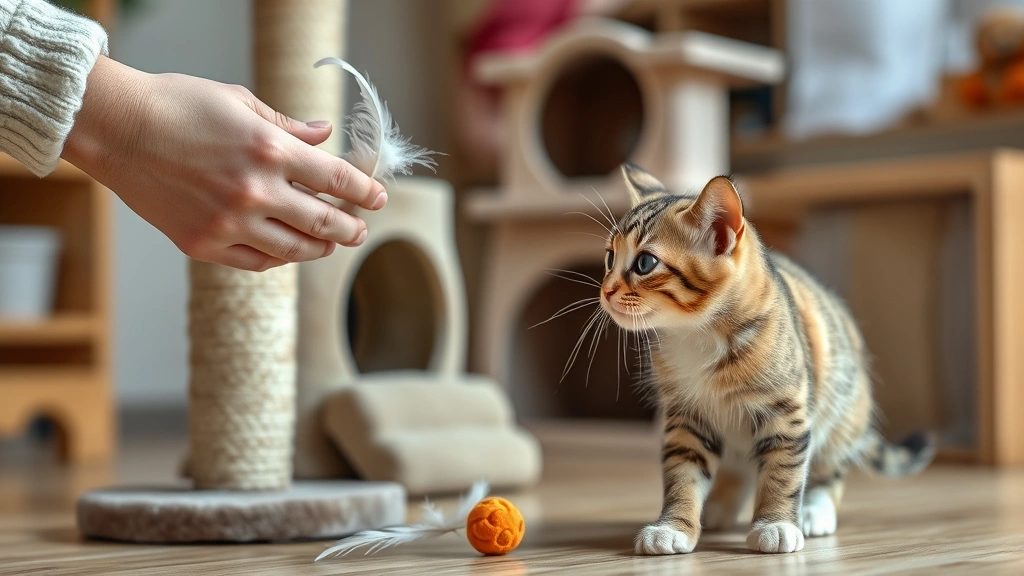
The first step in how to discipline a cat effectively is redirecting their energy toward acceptable outlets. When you catch your cat scratching the couch, don’t scold them. Instead, gently move them to a scratching post or cat tree. Make that alternative more attractive by rubbing catnip on it or placing it near their favorite window. This teaches them where scratching is acceptable without creating fear or confusion. Redirection works because you’re not fighting their instincts—you’re channeling them productively. If your cat loves climbing on counters, provide tall cat furniture that satisfies that climbing urge. If they’re pouncing on your hands during play, offer interactive toys like feather wands or laser pointers instead. You’re essentially saying, “I understand what you want to do, and here’s the right way to do it.” This approach respects the cat’s natural behaviors while protecting your home and belongings.
Positive Reinforcement Works Best
Cats respond dramatically better to rewards than to punishment. When your cat uses the scratching post instead of the furniture, reward them immediately with treats, praise, or play. When they use the litter box consistently, celebrate it. When they respond to their name, give them something they love. This positive reinforcement creates a mental connection: “When I do this behavior, good things happen to me.” Cats are highly motivated by food rewards, affection, and play opportunities. Find what YOUR cat loves most—some prefer treats, others crave attention, and some are toy-obsessed. Use that knowledge strategically. The beauty of positive reinforcement is that it strengthens your bond while teaching desired behaviors. Your cat isn’t obeying out of fear; they’re choosing behaviors because those choices lead to rewards. This creates a willing, happy participant rather than a resentful pet.
Environmental Management Matters
One of the most overlooked aspects of how to discipline a cat is simply managing their environment. You can prevent many unwanted behaviors before they start by setting up your home thoughtfully. Secure loose items that might tempt batting and knocking. Cover furniture with protective materials or use deterrent sprays on areas you want off-limits. Install window perches so your cat can engage their climbing instinct safely. Provide multiple litter boxes—the rule is one per cat plus one extra. Keep food, water, and litter in separate areas. Use how to use a diffuser with calming pheromones like Feliway to reduce stress-related behaviors. Environmental management is like setting up your workshop properly before starting a project—it prevents problems rather than fixing them after the fact. When cats have appropriate outlets for their natural behaviors and a stress-free environment, unwanted behaviors decrease dramatically without any “discipline” needed.
Consistency Is Your Secret Weapon
Cats are creatures of habit and routine. If you sometimes allow jumping on the counter and sometimes don’t, your cat becomes confused. Inconsistent responses actually reinforce unwanted behavior because the cat never knows what will happen. Everyone in your household must follow the same rules and responses. If mom redirects the cat to the scratching post but dad lets them scratch the couch, you’ve undermined the entire training process. Create a household agreement about what behaviors are acceptable and what the response will be. Write it down if necessary. Post it on the fridge. Make sure guests and family members understand the approach. When everyone responds consistently—always redirecting, always rewarding appropriate behavior, never punishing—cats learn quickly. This consistency is what transforms how to discipline a cat from frustrating guesswork into a reliable system that actually works.
Timing and Patience Pay Off
Timing is absolutely critical when working with cats. You have roughly two seconds to respond to a behavior for the cat to make a connection. If you see your cat scratching the furniture right now, that’s the moment to redirect. If you see it happen 30 seconds ago, it’s too late—your cat won’t understand why you’re reacting. This is why catching behaviors in real-time matters so much. It’s also why prevention and environmental management are so powerful; they reduce the number of times you need to intervene in the moment. Patience is equally important. Cats don’t change overnight. Some behaviors take weeks or months to modify, especially if they’ve been practiced for a long time. Your job is to remain calm, consistent, and patient. Expect setbacks. They’re normal. One step backward doesn’t erase progress. Think of it like learning a new skill yourself—you wouldn’t expect perfection immediately. Give your cat the same grace you’d want for yourself.
When to Call an Expert
Sometimes behavior issues are beyond what standard redirection and positive reinforcement can address. If your cat is displaying aggressive behavior, excessive urine marking, or destructive behavior that seems compulsive, it’s time to consult a veterinary behaviorist. Medical issues can drive behavioral problems—pain, thyroid issues, or urinary tract infections might cause litter box avoidance or aggression. Your vet needs to rule these out first. A certified feline behaviorist can assess your specific situation and create a customized plan. They understand cat psychology at a deep level and can identify triggers you might miss. Don’t view this as failure; it’s recognizing that some situations need professional expertise. Just like you’d call a specialist for complex home repairs, sometimes cat behavior needs professional support. The investment typically pays off quickly in reduced stress for both you and your cat.
Common Mistakes to Avoid
Many well-intentioned cat owners sabotage their own efforts without realizing it. Never use physical punishment—hitting, flicking, or rough handling. This creates fear and aggression, not understanding. Avoid yelling or loud noises as punishment; cats don’t connect these to their behavior, and they create stress. Don’t punish after the fact—your cat won’t understand why they’re being punished if time has passed. Never use the litter box as punishment or force your cat into it. This creates negative associations and can cause litter box avoidance. Don’t assume your cat understands rules the way humans do. They don’t. They respond to immediate consequences and environmental cues, not logic or morality. Avoid using water sprays or air sprays as deterrents; they teach your cat to fear you, not to avoid the behavior. Finally, don’t give up too quickly. How to clean a mousepad requires attention to detail, and so does cat training. Stick with your approach for at least a few weeks before deciding it’s not working. Most owners see significant improvement within 2-4 weeks of consistent, positive-focused discipline.
Frequently Asked Questions
Can you really discipline a cat like you would a dog?
No. Cats have fundamentally different psychology than dogs. Dogs are pack animals who respond to hierarchy and authority. Cats are solitary hunters who don’t have pack structures. Traditional dog training methods don’t work on cats and often backfire. You need cat-specific approaches focused on redirection, environmental management, and positive reinforcement.
How long does it take to see results?
Most cat owners notice improvement within 2-4 weeks of consistent, positive-focused discipline. Some behaviors improve faster, while ingrained habits might take 6-8 weeks. Patience and consistency matter more than quick fixes.

What’s the best reward for training a cat?
It depends on your individual cat. Some cats are treat-motivated, others prefer play or affection. Observe what your cat loves most and use that as your primary reward. You might also rotate rewards to keep them interesting.
Is it ever okay to use punishment with cats?
No. Punishment doesn’t work with cats and damages your relationship with them. It creates fear, stress, and often makes behavior problems worse. Redirect and reward instead.
What if my cat keeps repeating the same unwanted behavior?
This usually means one of three things: the redirection isn’t attractive enough, the reward isn’t motivating enough, or the environment still allows the behavior too easily. Reassess each element. Make the appropriate behavior more rewarding or the environment more restrictive. Consider consulting a veterinary behaviorist if the behavior seems compulsive.
Can punishment ever work as a last resort?
No. There is no “last resort” where punishment suddenly becomes effective with cats. It doesn’t work, period. If you’re feeling frustrated enough to consider punishment, that’s a sign you need professional help or a different approach entirely.
Final Thoughts
Learning how to discipline a cat means unlearning everything you might know about training other animals. It’s about understanding feline psychology, respecting their independence, and working with their instincts rather than against them. The five proven methods—redirecting behavior, positive reinforcement, environmental management, consistency, and patience—work because they’re based on how cats actually think and learn. You won’t find quick fixes or harsh techniques that work long-term. What you will find is a approach that strengthens your bond with your cat while creating a harmonious household. Start with environmental management to prevent problems before they start. Use redirection when you catch unwanted behavior in the moment. Reward appropriate behaviors generously. Maintain consistency across your entire household. And be patient with the process. Your cat isn’t being difficult or stubborn—they’re simply being a cat. When you meet them where they are and work with their nature instead of against it, you’ll be amazed at how cooperative they become. For more insights on creating a better home environment, check out how to make paper mache for enrichment toys, or explore how to install a toilet if you’re upgrading your bathroom for better cat access. And if you’re interested in other aspects of home management, how to breed villagers in minecraft shows how planning and consistency work in any system. The principles of effective discipline apply across many areas of life—respect the rules of the system, provide appropriate incentives, and maintain consistency. Your cat will thank you with better behavior and a stronger relationship.


