

Let’s be honest—manually typing out five, ten, or twenty email addresses every single time you want to send a message to the same group of people is a waste of your time. If you’re wondering how to create an email group in Gmail, you’re already thinking smarter. Email groups (also called contact groups or distribution lists) save you from repetitive typing and help you organize your contacts into logical buckets. Whether you’re coordinating with a project team, managing a book club, or keeping extended family in the loop, setting up an email group in Gmail takes just a few minutes and pays dividends every time you send a message.
The good news? Gmail makes this surprisingly straightforward. You don’t need special permissions, you don’t need to be a tech wizard, and you can set it up right now on your desktop or mobile device. Let’s walk through the exact steps.
What Is an Email Group in Gmail?
An email group in Gmail is essentially a saved list of contacts under one name. Instead of remembering that you need to email Sarah, Marcus, Jen, and David every Monday morning, you create a group called “Weekly Standup” and add all four of them. Then you just type “Weekly Standup” in the recipient field, and Gmail automatically expands it to include all members.
Think of it like a contact shortcut. The actual group lives in your Gmail Contacts (also called Google Contacts), and you can access it from any device where you’re signed into your Google account. It’s not a mailing list in the traditional sense—you’re not creating a separate email address or managing subscriptions. You’re just organizing your existing contacts into a convenient package.
This is different from creating an actual mailing list or using something like a Google Group, which is a more advanced feature for larger organizations. For personal use, team coordination, or small-group communication, a simple email group is usually all you need.
How to Create an Email Group on Desktop
Step 1: Open Google Contacts
Go to contacts.google.com in your web browser. You’ll see your existing contacts listed on the left side. If you’re not logged into your Google account, you’ll need to sign in first. Make sure you’re using the same Gmail account where you want to create the group.
Step 2: Click “Create Label” (or “Create Group”)
On the left sidebar, look for the option that says “Create Label” or “Create Group.” The exact wording varies slightly depending on whether Google is showing you the newer or older interface, but the button is always in the left navigation area. Click it.
Step 3: Name Your Group
A text field will appear asking you to name your group. Be specific and descriptive. “Team” is vague. “Marketing Team Q4 2024” or “Book Club Members” is much clearer. You can use spaces, hyphens, and numbers. Keep it under 50 characters for readability, though Gmail doesn’t enforce a strict limit.
Pro Tip: Use consistent naming conventions if you’re creating multiple groups. For example, prefix all your work groups with “Work—” and all personal groups with “Personal—”. This makes them easier to find when you have a long contact list.
Step 4: Press Enter or Click Save
Once you’ve typed the name, press Enter or click the Save button (depending on your interface). Your new group is now created, but it’s empty. Time to add people.
Adding Contacts to Your Email Group
Now that you have an empty group, you need to populate it with contacts. There are a few ways to do this.
Method 1: Add Existing Contacts to the Group
- In Google Contacts, find a contact you want to add to your group.
- Click on the contact’s name to open their full profile.
- Look for a label or group icon on the right side of the screen (it often looks like a tag or folder icon).
- Click it and select the group you just created from the dropdown menu.
- The contact is now added to the group. Repeat for each person you want to include.
Method 2: Bulk Add Multiple Contacts
- In Google Contacts, hold Ctrl (or Cmd on Mac) and click on multiple contacts to select them all at once.
- Once you’ve selected everyone, look for a menu option (usually three dots or a toolbar button) that says “Add to Label” or “Add to Group.”
- Select your group from the dropdown.
- All selected contacts are added in one go. This is much faster if you’re adding 5+ people.
Method 3: Create a Contact First, Then Add It
If someone isn’t in your contacts yet, you can add them to a group while creating their contact card. Click “Create Contact,” fill in their name and email address, then assign them to your group before saving. This is handy when you’re setting up a new group and don’t have all the members in your contacts yet.
Safety Note: Make sure you have the correct email addresses for everyone in your group. A typo here means that person won’t receive emails sent to the group. Double-check addresses before adding contacts, especially if you’re copying and pasting from a spreadsheet.
One thing to keep in mind: if you update a contact’s email address in Google Contacts, it automatically updates in any groups they’re part of. So if Sarah changes jobs and gets a new work email, you just update her contact once, and she’s automatically updated in all her groups.
Sending Emails to Your Group
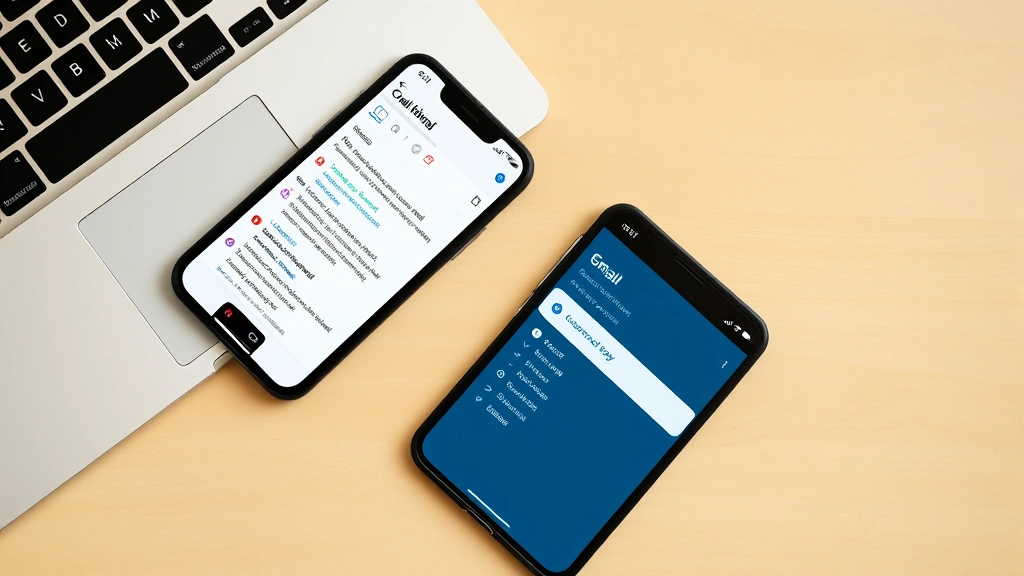
This is where the magic happens. Once your group is created and populated, sending an email to everyone is incredibly simple.
- Open Gmail and click “Compose” to start a new email.
- In the “To” field, start typing your group’s name (e.g., “Weekly Standup”).
- Gmail will recognize it as a group and show it in the autocomplete dropdown with a special icon (usually a people icon or folder icon).
- Click on the group name to add it to the recipient field.
- Compose your message and send it as normal.
Everyone in that group will receive the email. They’ll each see it as a regular email sent to them individually—they won’t see the other group members’ addresses in the “To” field unless you use “Reply All.” This is actually a privacy feature that Gmail handles automatically.
You can also add multiple groups to a single email. If you want to send a message to your “Marketing Team” and your “Executive Leadership” groups, just add both in the “To” field. Gmail will send the email to everyone in both groups (without duplicating it if someone is in both groups).
Managing and Editing Your Group
Groups aren’t static. People leave teams, new members join, and you might want to rename a group or delete it entirely. Here’s how to manage your groups.
Adding More People Later
You can add new contacts to an existing group anytime. Just find the contact, open their profile, and assign them to the group using the label/group button. Alternatively, go to the group itself in Google Contacts and look for an “Add Members” or “+” button to add people directly.
Removing Someone from a Group
- Open Google Contacts and find the contact you want to remove.
- Click on their name to open their profile.
- Find the group they’re assigned to (it will be listed under labels or groups).
- Click the “X” or delete icon next to the group name.
- The contact is removed from the group but remains in your overall contacts.
Renaming a Group
- In Google Contacts, find the group name in the left sidebar.
- Right-click on it (or click the three-dot menu next to it).
- Select “Rename” and type the new name.
- Press Enter to save. All emails sent to this group will now use the new name.
Deleting a Group
If you no longer need a group, you can delete it. Right-click on the group name in the sidebar, select “Delete,” and confirm. This removes the group but doesn’t delete the individual contacts—they stay in your contacts list.
Pro Tip: Before deleting a large group, take a screenshot or export the contact list so you have a backup of who was in it. This is especially useful for groups you might recreate later (like seasonal teams or annual event committees).
If you want to keep your email organized and secure, you might also want to explore how to see archived emails in Gmail, which helps you manage your inbox more effectively alongside your contact groups.
Creating Groups on Mobile
The process on mobile is slightly different, but just as straightforward. Here’s how to create an email group using the Gmail app on your phone or tablet.
On iPhone or iPad:
- Open the Gmail app and tap the menu icon (three horizontal lines) in the top left.
- Scroll down and tap “Contacts.”
- This opens Google Contacts within the Gmail app.
- Tap the “+” button to create a new contact or group.
- Look for an option to create a group (it might be labeled “Create Label” or “Create Group”).
- Name your group and add members as described above.
On Android:
- Open the Gmail app and tap the menu icon (three horizontal lines).
- Tap “Contacts.”
- Tap the “+” icon to create a new group.
- Enter the group name and add members.
- Tap “Save” when you’re done.
Once you’ve created the group on mobile, it syncs immediately to your desktop Gmail and Google Contacts. You can compose emails to the group from mobile just like you would on desktop—type the group name in the “To” field, and Gmail will auto-complete it.
One limitation on mobile: managing large groups or making bulk edits is easier on desktop. If you need to add 20 people to a group or reorganize members, you’ll have a better experience on a computer. But for quick group creation and sending emails to existing groups, mobile works fine.
Troubleshooting Common Issues
“I Created a Group, But It’s Not Showing Up in Gmail”
Sometimes there’s a slight sync delay between Google Contacts and Gmail. Try refreshing your Gmail page (Ctrl+R or Cmd+R) or closing and reopening the Gmail app on mobile. If the group still doesn’t appear after a few minutes, log out and log back in to force a full sync.
“I Can’t Find the Option to Create a Group”
Make sure you’re in Google Contacts (contacts.google.com), not just the contacts section of Gmail. The “Create Label” or “Create Group” button is in the left sidebar of Google Contacts. If you’re looking at Gmail’s contact list sidebar, you won’t see this option.
“People in My Group Aren’t Receiving Emails”
This usually means one of a few things:
- Wrong email address: Check that all contacts in the group have valid email addresses. Click on each contact and verify the email is spelled correctly.
- Blocked or spam filters: The recipient’s email provider might be filtering your emails. Ask them to check their spam folder or whitelist your email address.
- Contact not actually in the group: Verify that the person is assigned to the group in Google Contacts. Sometimes a contact exists but hasn’t been formally added to the group yet.
“I Want to Send to a Group But Hide Everyone’s Email Addresses”
Gmail handles this automatically. When you send to a group, each recipient sees only their own email address in the “To” field, not the addresses of other group members. This is the default behavior and provides privacy for your group members. If you want to show everyone’s addresses (which is rarely necessary), you’d need to manually add each person to the “To” field instead of using the group.
“I Accidentally Deleted a Group. Can I Recover It?”
Unfortunately, deleted groups can’t be recovered. However, the individual contacts remain in your contacts list. You can recreate the group and re-add the members. If you frequently need to recreate groups, consider exporting your contacts as a backup. Go to contacts.google.com, click the menu (three dots), select “Export,” and save a CSV file of your contacts. You can reimport this file later if needed.
For more advanced email management, you might want to explore features like how to encrypt email in Outlook if you’re working with sensitive information across multiple email platforms. While this focuses on Outlook, understanding encryption principles helps you decide whether Gmail’s standard security is sufficient for your group communications.
According to Google’s official support documentation, email groups are stored as labels in your Google account, which means they’re backed up automatically and synced across all your devices. This is one of the reasons Google Contacts is so reliable for group management.
Frequently Asked Questions
Can I create a group with the same name as another group?
– No. Gmail requires each group name to be unique within your account. If you try to create a group with a name that already exists, you’ll get an error. You can rename existing groups to make room for new ones, or use slightly different names (e.g., “Marketing Team 2024” vs. “Marketing Team Archive”).
Is there a limit to how many people I can add to a group?
– Gmail doesn’t impose a hard limit on group size. Technically, you can add hundreds or thousands of people to a single group. However, if you’re sending to very large groups (50+ people), be aware that email delivery might take a few extra seconds, and some email providers might flag it as bulk mail. For very large distributions, a Google Group or mailing list service might be more appropriate.
If I remove someone from a group, will they see past emails sent to the group?
– No. Removing someone from a group only affects future emails. They’ll still have access to any emails they received when they were in the group, but they won’t receive new emails sent to the group going forward. The removal is effective immediately.
Can I create a group within a group?
– Not directly. Gmail’s group feature doesn’t support nested groups. However, you can create multiple overlapping groups. For example, you could have a “Product Team” group and a “Design Subteam” group with some members in both. When you send to “Design Subteam,” only those members receive it.
What happens if someone’s email address changes?
– Update their contact information in Google Contacts, and the change automatically applies to all groups they’re part of. Just click on their contact, edit the email address, and save. There’s no need to manually remove and re-add them to groups.
Can I see who’s in a group before sending an email?
– Yes. Go to Google Contacts, find the group in the left sidebar, and click on it. You’ll see a list of all members. This is helpful for double-checking that everyone who should be included is actually in the group.
Are email groups the same as Google Groups?
– No. Email groups (or contact groups) are simple contact lists stored in Google Contacts. Google Groups is a separate service that creates an actual group email address (like myteam@googlegroups.com) and includes features like shared conversations, file storage, and member management. For most personal and small team use, email groups are simpler. Google Groups is better for larger organizations or when you need shared group functionality.
Can I share a group with someone else?
– Contact groups are personal to your Google account and can’t be directly shared. However, you can export your contacts (including groups) as a CSV file and send it to someone else, who can then import it into their Google Contacts. Alternatively, if you’re in a Google Workspace organization, your admin might set up shared contact groups or Google Groups for team use.
Will people know they’re in a group when they receive an email?
– Not necessarily. They’ll see the email was sent to them, but they won’t see the group name in the “To” field. They’ll only see their own email address (and any other individual recipients you added). This is why groups are great for privacy—members don’t know who else is in the group unless you tell them.
Can I edit a group name after creating it?
– Yes. Right-click on the group name in Google Contacts and select “Rename.” Type the new name and press Enter. The change takes effect immediately, and you can start using the new name right away.
Creating an email group in Gmail is one of those small productivity wins that saves you time every single day. Once you’ve set up your groups, you’ll wonder how you ever managed without them. Whether you’re coordinating a project, managing a volunteer team, or just staying in touch with a regular group of friends, email groups make communication faster and more organized. Start with one group today, and you’ll likely find yourself creating more as you discover how useful they are.

If you work across multiple email platforms, you might also want to understand how to recall an email in Outlook for those times when you need to manage sent messages. And if you’re coordinating with team members who use different calendar systems, learning how to share an Outlook calendar can complement your group email strategy nicely.
For official Gmail support and more advanced features, check out Google Contacts Help Center, which has detailed documentation on all contact management features. You can also visit Family Handyman for general productivity tips and office organization strategies that work alongside email management.


