
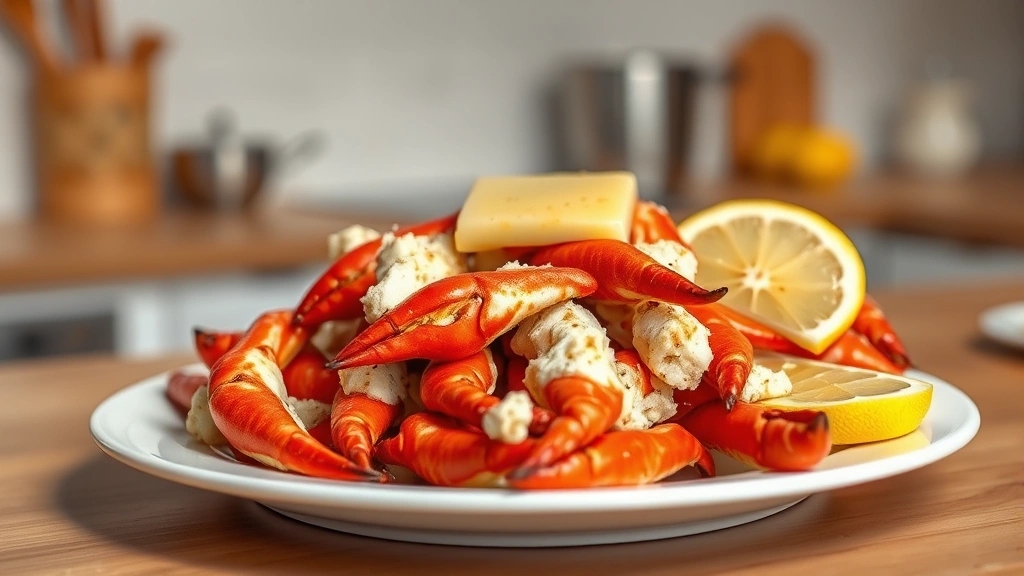
Learning how to cook frozen crab legs is one of the easiest ways to bring restaurant-quality seafood to your dinner table without the restaurant markup or the stress. Whether you’re planning a special occasion or just craving something indulgent on a Tuesday night, frozen crab legs are your secret weapon—they’re affordable, convenient, and honestly, they taste just as good as fresh ones when you know what you’re doing.
Table of Contents
Thaw or Not to Thaw
Here’s the thing nobody tells you: you don’t actually need to thaw frozen crab legs before cooking them. I know, it’s wild. You can throw them straight from the freezer into boiling water or a steamer, and they’ll cook up perfectly fine. That said, thawing them first does have some advantages worth considering.
If you’ve got the time, thaw your crab legs in the refrigerator overnight. This ensures even cooking throughout and helps them cook a bit faster. If you’re in a pinch, submerge them in cold water for 30 minutes to an hour. Never use hot water for thawing—you’ll start cooking the outer edges while the inside stays frozen, which throws off your timing and texture. The cold water method is your friend when you’re short on time.
Boiling Method
Boiling is the most straightforward approach and honestly, my go-to method. Fill a large pot with water—you want enough to cover the crab legs by about an inch. Add salt to the water; I use about a quarter cup per gallon. This seasons the meat from the inside out, which is the whole point.
Bring that water to a rolling boil before adding your crab legs. If they’re frozen, they’ll drop the water temperature, so wait for it to come back to a boil before you start timing. For thawed legs, you’re looking at 4-5 minutes of cooking time. For frozen legs straight from the freezer, add about 2-3 minutes to that timeline. You’ll know they’re done when the shells turn a brighter red or orange color.
The beauty of boiling is simplicity. No special equipment needed beyond a pot and stove. The downside? Some people say boiling leaches flavor into the water. If you’re concerned about that, steaming might be your better bet.
Steaming Technique
Steaming is my second choice when I want to preserve maximum flavor in the meat itself. Set up your steamer basket in a pot with about 2 inches of water at the bottom. You can add beer, white wine, or Old Bay seasoning to that water for extra flavor—the steam will carry those flavors right into your crab legs.
Bring the water to a boil, then carefully arrange your crab legs in the steamer basket. They can overlap; that’s fine. Cover it up and let them steam for 6-8 minutes if they’re thawed, or 8-10 minutes if they’re frozen solid. The meat should be opaque and tender when it’s ready.
Steaming takes a few minutes longer than boiling, but you’re not losing any of that sweet crab flavor to the cooking liquid. Plus, your kitchen smells absolutely incredible when you’re steaming crab legs with beer and Old Bay.
Baking Approach
Oven baking is underrated for crab legs, and it’s perfect if you’re cooking for a crowd. Preheat your oven to 375°F. Arrange your crab legs on a large baking sheet—line it with foil for easy cleanup, which is always smart thinking.
Brush the legs with melted butter mixed with garlic, lemon juice, or whatever seasonings you’re into. Cover the baking sheet tightly with foil and bake for 15-18 minutes if they’re thawed, or 20-25 minutes if they’re frozen. You’re not looking for any browning here; you just want the meat heated through and tender.
The advantage of baking is that you can cook a huge batch at once without needing massive pots of water. It’s also less messy than boiling, and your butter sauce is already built into the cooking process. When they come out, that butter is infused with crab flavor—use it for dipping.
Grilling Option
If you want to get fancy, throw your crab legs on the grill. This works best with thawed legs that you’ve split lengthwise. Preheat your grill to medium-high heat and brush the grates with oil so nothing sticks.
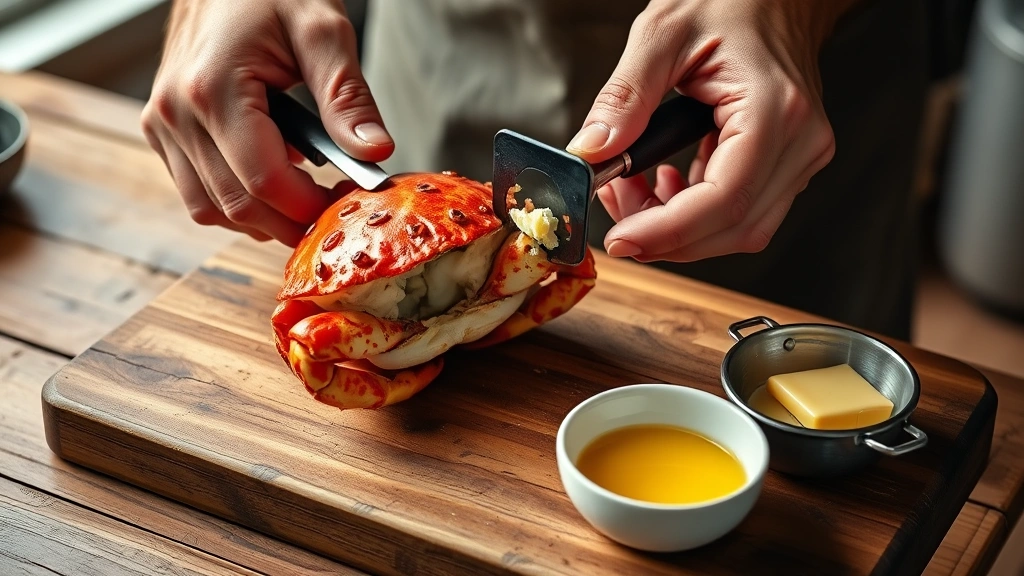
Place the crab legs meat-side down on the grill and cook for 3-4 minutes. Flip them over, brush with butter and seasonings, and grill for another 2-3 minutes until the meat is opaque and the shell has some light char marks. The grill adds a subtle smokiness that’s hard to beat, and you get that nice caramelization on the butter.
Grilling takes more preparation than other methods, but if you’ve already got the grill fired up for other food, it’s a no-brainer addition to your meal.
Seasoning Tips
The meat inside crab legs is naturally sweet and delicate, so you don’t need much to make it shine. Old Bay seasoning is the classic choice, and there’s a reason for that—it just works. Garlic butter is another winner; melt some butter with minced garlic and brush it on before cooking or use it as a dipping sauce.
Lemon is your friend here. A squeeze of fresh lemon juice brightens up the sweet crab meat and cuts through the richness of any butter you’re using. I always have lemon wedges on the table. Some people like to add cayenne pepper or hot sauce for a kick, which plays nicely with the sweetness.
Don’t oversalt the cooking water or your seasonings. The crab meat is delicate, and you want to taste the crab, not just salt. Start conservative and adjust as you go—you can always add more flavor, but you can’t take it out.
Timing Guide
Timing is everything with crab legs, and the difference between perfectly cooked and rubbery is literally just a couple of minutes. Here’s your quick reference:
Boiling: Thawed legs = 4-5 minutes; Frozen legs = 6-8 minutes
Steaming: Thawed legs = 6-8 minutes; Frozen legs = 8-10 minutes
Baking: Thawed legs = 15-18 minutes at 375°F; Frozen legs = 20-25 minutes at 375°F
Grilling: Thawed, split legs = 5-7 minutes total
The meat is done when it’s opaque throughout and pulls away from the shell easily. If you’re unsure, it’s better to pull them out a minute early than a minute late. You can always put them back in if needed, but overcooked crab legs are a tragedy.
Serving Suggestions
Once your crab legs are cooked, the real fun starts. Melted butter is the classic dipping sauce, but don’t sleep on garlic aioli, sriracha mayo, or even a simple cocktail sauce. Set up a little dipping station with multiple options so everyone can customize their experience.
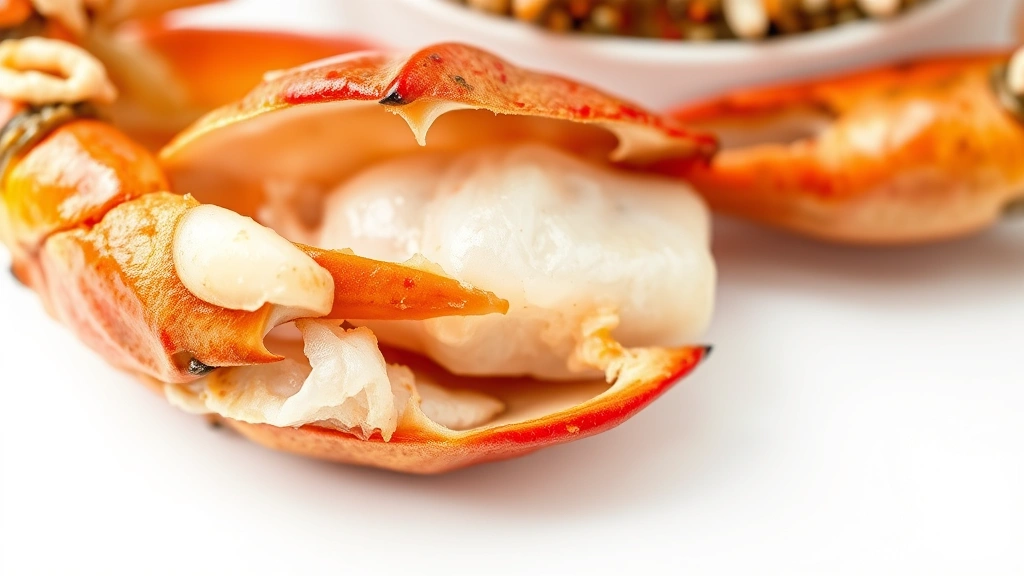
Pair your crab legs with simple sides that don’t compete for attention. Steamed corn, a fresh green salad, or canned green beans recipe work beautifully. If you’re making a full seafood spread, Blackstone fried rice recipe is a solid choice for soaking up all those buttery drippings.
Provide plenty of napkins and maybe some finger bowls with lemon water. Eating crab legs is a hands-on affair, and that’s part of the fun. Don’t try to make it fancy—embrace the messiness.
If you want to cap off the meal on a sweet note, how to make a caramel macchiato is a nice dessert beverage option that pairs well with seafood.
Frequently Asked Questions
Can you cook crab legs straight from frozen?
Absolutely. You don’t need to thaw frozen crab legs before cooking them. Just add a couple of extra minutes to your cooking time. Thawing first ensures more even cooking, but it’s not required.
How do you know when crab legs are done?
The shell will turn a brighter red or orange color, and the meat inside will be opaque and white. It should pull away from the shell easily. If you’re uncertain, crack one open and check the meat—it should be firm and white, not translucent.
Why are my crab legs rubbery?
Overcooking is the culprit. Crab meat toughens up fast once it’s overcooked. Stick to the timing guidelines and check for doneness a minute or two early. Frozen legs need a bit more time, but not as much as you’d think.
Can you reheat cooked crab legs?
Yes, but do it gently. Wrap them in foil and warm them in a 350°F oven for 8-10 minutes, or steam them for 3-4 minutes. Don’t boil them again—that’s a one-way ticket to rubbery city.
What’s the difference between king crab and snow crab legs?
King crab legs are larger, meatier, and pricier. Snow crab legs are smaller but still sweet and tender. The cooking methods are the same; king crab might need an extra minute or two due to size. Both freeze beautifully and cook up great from frozen.
Do you need to clean crab legs before cooking?
Nope. Just rinse them under cold water to remove any ice crystals, and you’re good to go. The shell protects the meat, so there’s nothing to clean inside.
The Bottom Line
Cooking frozen crab legs is genuinely one of the easiest ways to create an impressive meal at home. Whether you boil, steam, bake, or grill them, you’re just minutes away from restaurant-quality seafood. Pick your method based on what equipment you have available and how much time you want to spend, then follow the timing guidelines closely. The difference between frozen and thawed is minimal, so don’t stress about planning ahead. Keep your seasonings simple, your butter melted, and your lemon fresh, and you’ll have a meal that tastes like you spent way more effort than you actually did. That’s the whole point of cooking with frozen crab legs—maximum flavor, minimum fuss.


