
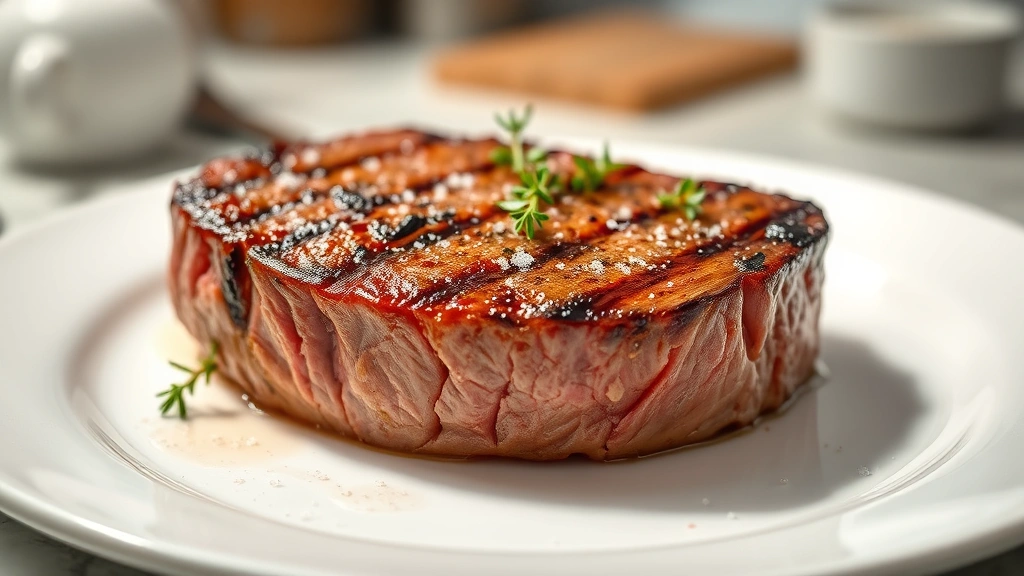
Learning how to cook filet mignon on stove is one of those skills that sounds fancy but is actually dead simple once you know the technique. I’m talking restaurant-quality steaks in your own kitchen, no grill required. The stovetop method gives you incredible control over the crust and doneness, and honestly, it’s faster than you’d think.
Table of Contents
Choose the Right Filet Mignon
You can’t make a great steak start with mediocre meat. Grab filet mignon that’s at least 1.5 inches thick—thinner cuts cook too fast and don’t develop that gorgeous crust you’re after. Look for bright red color with good marbling, though filet is naturally leaner than ribeye. A 6-8 ounce portion is perfect for one person.
Temperature matters before you even hit the pan. Pull your steaks from the fridge 30-40 minutes before cooking. Cold meat won’t sear properly; it’ll just steam. You want room temperature throughout so the inside cooks evenly while the outside gets that caramelized crust.
Prep Work Actually Matters
Pat your filet completely dry with paper towels. Moisture is the enemy of a good sear—it creates steam instead of that delicious brown crust. Don’t skip this step. Season generously with kosher salt and fresh cracked black pepper right before cooking, not hours ahead. Salt draws moisture to the surface if you wait too long.
Some people like to season earlier for a dry brine effect, but for stovetop cooking, timing it right at the last minute gives better results. Have your Bearnaise sauce recipe ready if you’re going that route—it pairs perfectly with filet.
Get Your Pan Screaming Hot
Use a heavy-bottomed stainless steel or cast iron skillet. Non-stick won’t work here because you need actual heat transfer and browning. Get that pan hot enough that a drop of water sizzles and evaporates instantly. We’re talking 400-450°F on an instant-read thermometer if you have one.
Add a high smoke-point oil—avocado or refined vegetable oil work great. Butter alone burns at these temperatures. You need just enough oil to coat the bottom. When it shimmers and moves like liquid mercury, you’re ready.
The Sear is Everything
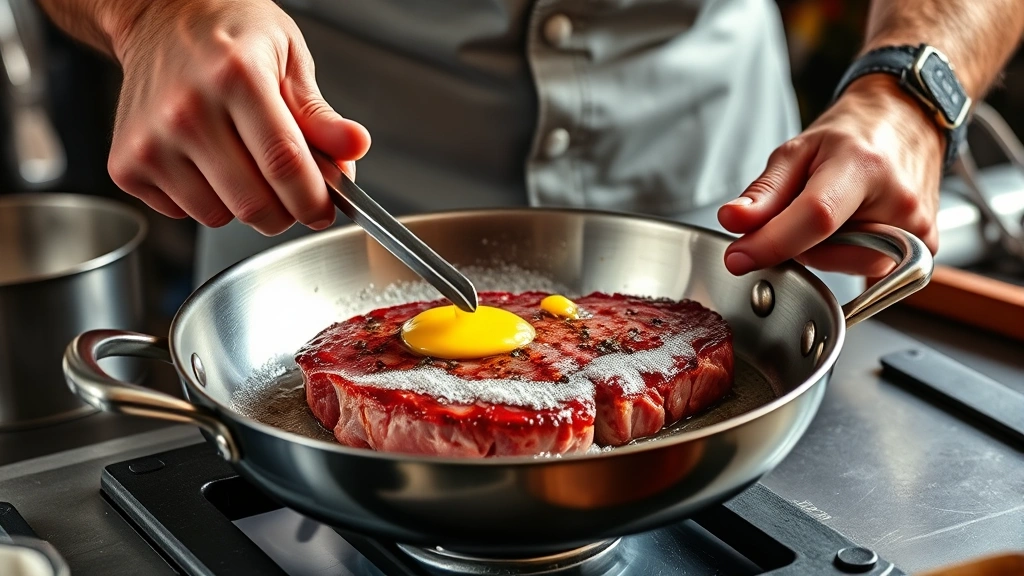
Place your filet in the pan and don’t touch it. Seriously. Let it sit for 2-3 minutes without moving. This is where the magic happens—the Maillard reaction creates that brown crust. Flip once and sear the other side for another 2-3 minutes. You’re looking for a dark golden-brown crust on both sides.
The whole searing process takes about 5-6 minutes total. Your steak will climb in temperature quickly during this phase. This is why starting at room temperature matters—you get the crust without overcooking the inside.
Butter Basting for Flavor
Once you’ve got your crust locked in, lower the heat to medium. Add a tablespoon of butter to the pan along with smashed garlic cloves and fresh thyme. Tilt the pan and spoon that foaming butter over the top of your steak repeatedly for 2-3 minutes. This adds incredible flavor and keeps the surface moist while the interior finishes cooking.
The aroma alone will make you feel like a pro. This basting technique is what separates decent stovetop steaks from restaurant-quality ones. Don’t skip it.
Nailing Your Target Temperature
Use an instant-read meat thermometer stuck horizontally into the thickest part. Here’s what you’re targeting: 125°F for rare, 135°F for medium-rare, 145°F for medium. For filet mignon, medium-rare is the sweet spot—tender, juicy, and forgiving.
Pull your steak off heat 5°F before your target temp. It’ll keep cooking while resting. A 6-ounce filet usually takes 8-12 minutes total depending on thickness and your stove’s power. The beauty of stovetop cooking is you can monitor it constantly and adjust heat as needed.
Resting is Non-Negotiable
Transfer your steak to a warm plate and let it rest for 5-10 minutes. This isn’t optional—it’s science. The muscle fibers relax, and juices redistribute throughout the meat instead of running all over your plate when you cut into it. A rested steak is noticeably juicier and more tender.
Tent it loosely with foil if you want, but don’t wrap it tight or you’ll steam away the crust you just worked for. Just let it sit undisturbed.
Finishing Touches Matter
Right before serving, add a pinch of fleur de sel or finishing salt and a tiny crack of pepper. A pat of compound butter on top adds luxury—mix softened butter with herbs, garlic, or even a touch of horseradish. Fresh fleur de sel has a different texture than the kosher salt you cooked with, and it makes a difference.
If you made Bearnaise sauce, spoon it alongside rather than on top so people can control how much they want. Serve immediately on a prewarmed plate.
Mistakes People Make
The biggest one? Cooking from cold. Seriously, plan ahead and let your meat sit out. Second mistake is moving the steak too much during searing. Let it develop that crust undisturbed. Third is skipping the rest—you’ll lose half your juices.
People also use the wrong pan (non-stick), wrong oil (butter that burns), or wrong heat level (too low, so no sear). And they often use a thin steak that cooks through before browning properly. Thickness matters. Finally, not using a thermometer leads to guessing, and guessing means overcooked steak.
Wine and Sides Elevate Everything
A filet mignon cooked on the stovetop deserves proper sides. Creamed spinach, roasted asparagus with garlic, or a loaded baked potato all work beautifully. Keep it simple—your steak is the star.
For wine, a Cabernet Sauvignon or Malbec pairs perfectly with the rich, buttery flavor. If you’re not a wine person, a quality bourbon neat is equally elegant.
Frequently Asked Questions
Can I use a non-stick pan for stovetop filet mignon?
No. Non-stick pans can’t handle the high heat needed for proper searing, and they won’t develop that brown crust. Use stainless steel or cast iron.
How thick should my filet mignon be?
At least 1.5 inches, ideally 2 inches. Thinner cuts cook too fast and won’t sear properly. A 6-8 ounce portion with proper thickness is ideal.
Do I need to flip the steak multiple times?
No. Flip once after 2-3 minutes, then sear the other side. Flipping constantly prevents crust formation. The butter basting happens after the initial sear.
What’s the best oil for cooking filet mignon?
Use high smoke-point oils like avocado, refined vegetable, or canola oil. Avoid olive oil and butter for the initial sear—they burn too easily. Add butter later for basting.
How do I know when it’s done without a thermometer?
Use the touch test: touch your steak and compare firmness to the fleshy part of your palm. Rare feels like the area below your thumb when your hand is relaxed. Medium-rare feels like when your thumb and index finger touch. It’s not as reliable as a thermometer though.
Can I cook filet mignon on a gas vs electric stove?
Both work, but gas gives more immediate heat control. Electric coils take longer to heat and cool, so adjust timing slightly. The technique remains the same.
Why is my steak tough?
Usually from overcooking or not resting it. Use a thermometer and pull at 125-135°F. Always rest for 5-10 minutes. Toughness also comes from thin cuts that cook too fast.
Should I oil the pan or the steak?
Oil the pan. You want the oil hot before the steak hits it. This ensures proper searing. Never oil the steak beforehand.
Conclusion: Mastering how to cook filet mignon on stove is genuinely one of the easiest ways to impress people at home. It’s faster than grilling, more controllable than oven finishing, and honestly more fun. Start with quality meat, keep your pan hot, don’t move your steak around, and rest it properly. Those four things will give you restaurant results every single time. The whole process takes 15-20 minutes from fridge to plate, and you’ll wonder why you ever paid restaurant prices for this.


