
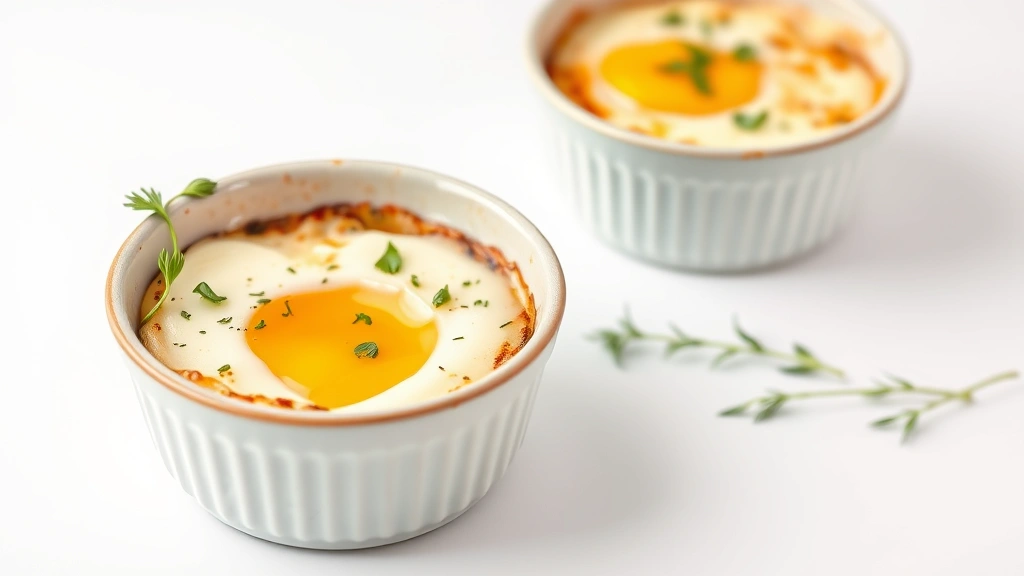
Learning how to cook eggs in the oven is a game-changer for anyone who wants to prep breakfast for a crowd or simply nail consistent results every single time. Whether you’re feeding a family of six or meal-prepping for the week, oven cooking beats babysitting a hot skillet any day. We’re talking perfectly set whites, creamy yolks, and zero burnt edges—all without the constant attention.
Table of Contents
Why Cook Eggs in the Oven?
Here’s the honest truth: cooking eggs in your oven solves real problems. You’re not hovering over the stove, you’re not flipping, and you’re not playing the guessing game with doneness. The oven provides consistent, even heat from all directions—something a skillet simply can’t match. Plus, you can cook 12 eggs just as easily as you can cook 2. That’s efficiency, and that matters when you’ve got mouths to feed.
The oven method also gives you better texture control. Scrambled eggs stay creamy instead of turning rubbery. Baked eggs develop this silky, custard-like quality that’s tough to achieve stovetop. And if you’re making a frittata or other egg-based dish, the oven is basically your best friend.
Baked Eggs in Ramekins
This is the simplest method, and it’s elegant enough for brunch. Crack one or two eggs into a buttered ramekin, add a splash of cream, some cheese, maybe some herbs. Cover loosely with foil and bake at 325°F for about 12-15 minutes until the whites are set but the yolk still jiggles slightly when you shake the ramekin. That’s it.
The key here is butter. Don’t skip it. That thin layer of fat between the egg and the ceramic is what prevents sticking and adds flavor. You can get fancy with toppings—crispy bacon bits, sautéed mushrooms, fresh herbs—but honestly, a pinch of salt and pepper is all you need if you’re doing this right.
Sheet Pan Scrambled Eggs
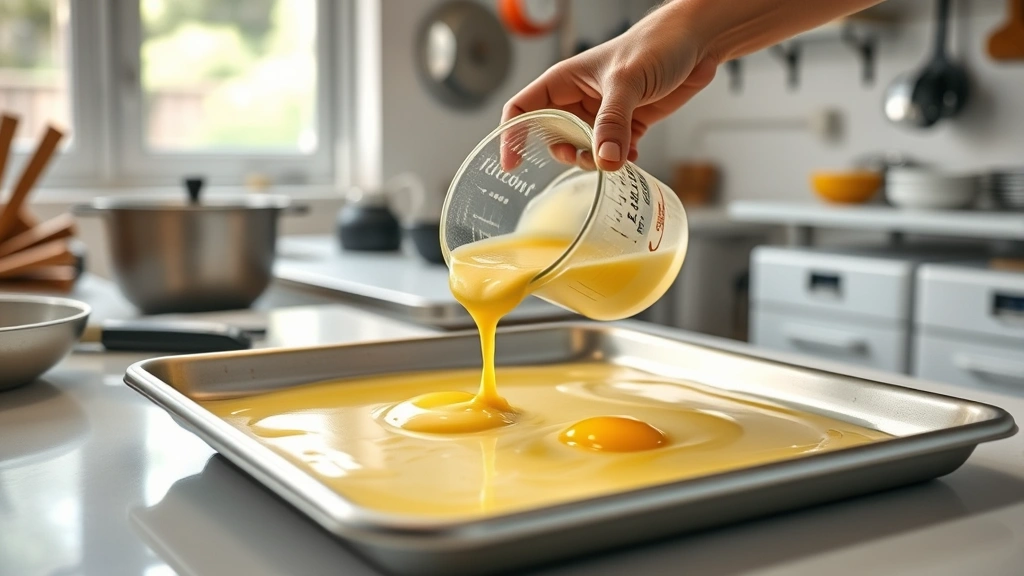
This method is a revelation if you’ve never tried it. Whisk your eggs in a bowl with a splash of milk, salt, and pepper. Pour them onto a parchment-lined sheet pan that’s been prepped with a thin layer of butter. Bake at 325°F for about 15-20 minutes, stirring gently with a spatula every 5 minutes or so. You’ll end up with the creamiest scrambled eggs you’ve ever made.
The beauty of this approach is volume and consistency. You’re not scrambling constantly on the stovetop, fighting heat spots. The oven’s gentle, even warmth cooks the eggs slowly and deliberately. Pull them out when they’re still slightly wet-looking—they’ll continue to cook a bit after you remove them from the heat.
Frittata Perfection
A frittata is basically an Italian omelet that gets started on the stovetop and finished in the oven. Heat an oven-safe skillet (cast iron works great) over medium heat with some butter or oil. Sauté your fillings—diced peppers, onions, mushrooms, whatever you’ve got. Pour in your beaten egg mixture, let it cook for 2-3 minutes until the edges start to set, then transfer to a 375°F oven for 10-15 minutes until the center is just set.
The genius of a frittata is that you get crispy, browned edges from the stovetop and a perfectly cooked interior from the oven. Slice it into wedges and you’ve got a protein-packed meal that works for any time of day. Like a sheet pan dinner approach, you’re doing most of the work upfront, then letting the oven finish the job.
Egg Muffin Cups
These are perfect for meal prep. Grease a muffin tin well—use butter or cooking spray. Crack an egg into each cup, add small pieces of cheese, diced vegetables, or cooked meat. Bake at 350°F for 12-15 minutes depending on how cooked you want the yolks. These little cups freeze beautifully, so you can pop them in the microwave on busy mornings.
The trick is not overfilling. You want room for the egg to puff up slightly. And grease that tin properly—nothing worse than fighting to get a baked egg out of a dry muffin cup. Once they’re cool, you can store them in an airtight container for up to four days, or freeze them for a month.
Shirred Eggs Style
Shirred eggs are a classic French preparation that looks fancy but requires almost no skill. Crack your eggs into a shallow buttered baking dish, add cream, cheese, and whatever proteins or vegetables you like. Bake at 375°F for 8-12 minutes until the whites are set but the yolks are still soft. Serve straight from the dish with crusty bread.
This method is perfect for entertaining because you can prepare everything ahead, then pop it in the oven 15 minutes before guests arrive. The eggs finish cooking right when you’re ready to eat. It’s the kind of dish that looks like you spent hours in the kitchen when you really spent five minutes prepping.
Temperature and Timing Guide
Here’s where precision matters. Different methods need different temperatures and times, and getting this right means the difference between creamy perfection and rubbery disappointment.
Baked eggs in ramekins: 325°F for 12-15 minutes (soft yolk) or 15-18 minutes (firmer yolk)
Sheet pan scrambled: 325°F for 15-20 minutes with stirring every 5 minutes
Frittata: Start on stovetop over medium heat for 2-3 minutes, then 375°F for 10-15 minutes in the oven
Egg muffin cups: 350°F for 12-15 minutes depending on yolk preference
Shirred eggs: 375°F for 8-12 minutes
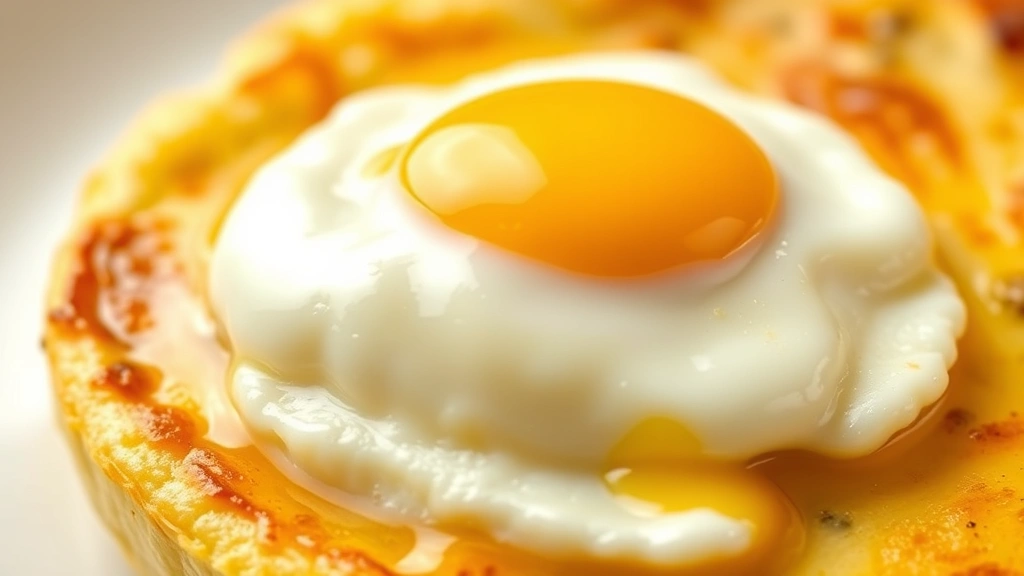
Every oven runs a bit different, so use these times as a starting point. Check your eggs a minute or two before the timer goes off. You want the whites fully set and opaque, but the yolks should still have a slight jiggle when you move the pan. That residual heat will cook them the rest of the way.
Common Mistakes to Avoid
The biggest mistake people make is cooking eggs too hot and too fast. High heat is your enemy here. You’ll end up with rubbery whites and overcooked yolks. Stick to 325-375°F depending on the method. Lower and slower wins this game.
Second mistake: not buttering your pan or ramekin. Eggs stick like crazy to bare ceramic or metal. A light coating of butter or oil takes 10 seconds and saves you frustration. Third mistake: cooking the eggs too long. Pull them out when they’re slightly underdone—they’ll finish cooking from residual heat, and you’ll have creamy, perfect eggs instead of rubber.
Fourth mistake: not seasoning properly. Salt and pepper aren’t optional. Add them to your eggs before cooking, not after. You can also add fresh herbs, cheese, or spices to the raw eggs for flavor that penetrates the whole dish. Finally, don’t skip the cream or milk. Just a splash makes eggs creamier and more forgiving.
Storage and Make-Ahead Tips
Oven-cooked eggs store beautifully, which is why this method is so good for meal prep. Most oven egg dishes will keep in an airtight container in the fridge for 3-4 days. Frittata and egg muffin cups are especially good for this—slice or portion them out, store them, and reheat gently in the oven or microwave.
You can also prep eggs the night before. Assemble your ramekins, cover them with plastic wrap, and stick them in the fridge. In the morning, just pop them in the oven straight from the cold—add a minute or two to the cooking time. Sheet pan scrambled eggs don’t reheat quite as well, so those are better eaten fresh, but frittata actually tastes better the next day as the flavors meld.
For freezing, egg muffin cups are your best bet. Once they’re completely cool, pop them in a freezer bag and they’ll keep for up to a month. Reheat in the oven at 350°F for about 10 minutes, or microwave for 60-90 seconds. Frittata also freezes well if you cut it into portions first.
Frequently Asked Questions
Can I cook eggs in the oven without a recipe?
Absolutely. Once you understand the basic principle—low to medium heat, butter your vessel, season your eggs, check for doneness—you can wing it. Start with 325°F and 12-15 minutes for most applications, then adjust based on what you see. Oven cooking is forgiving once you get past the learning curve.
What’s the best way to tell when oven eggs are done?
Look for whites that are completely set and opaque, with yolks that still jiggle slightly when you move the pan. If you like firmer yolks, wait another 2-3 minutes. If you prefer runny yolks, pull them out sooner. The only way to really know is to look and gently shake the pan.
Can I use a regular baking dish instead of ramekins?
Yes. A shallow baking dish works great for shirred eggs or sheet pan scrambled eggs. Just make sure it’s buttered well and adjust your cooking time slightly—a larger, shallower dish might cook a bit faster than ramekins because of the increased surface area.
Do I need to cover the eggs while they cook?
For baked eggs in ramekins, a loose foil tent helps prevent the top from browning too much while the center cooks. For frittata and sheet pan eggs, you typically don’t cover them. It depends on your oven and how fast it cooks. If you notice the top browning before the center is done, tent it with foil.
Can I add vegetables and meat to oven eggs?
Definitely. Pre-cook any vegetables that take time (like peppers, onions, mushrooms) so they’re tender when the eggs are done. Cooked meats like bacon, sausage, or ham can go in raw since they’re already cooked. Fresh herbs can go in raw. Just don’t add anything that needs significant cooking time.
What’s the difference between a frittata and a sheet pan scrambled egg?
A frittata is started on the stovetop and finished in the oven, giving you crispy, browned edges. Sheet pan scrambled eggs are stirred periodically and stay creamy throughout. Frittata is more structured and sliceable; sheet pan eggs are fluffier and more like traditional scrambled eggs.


