
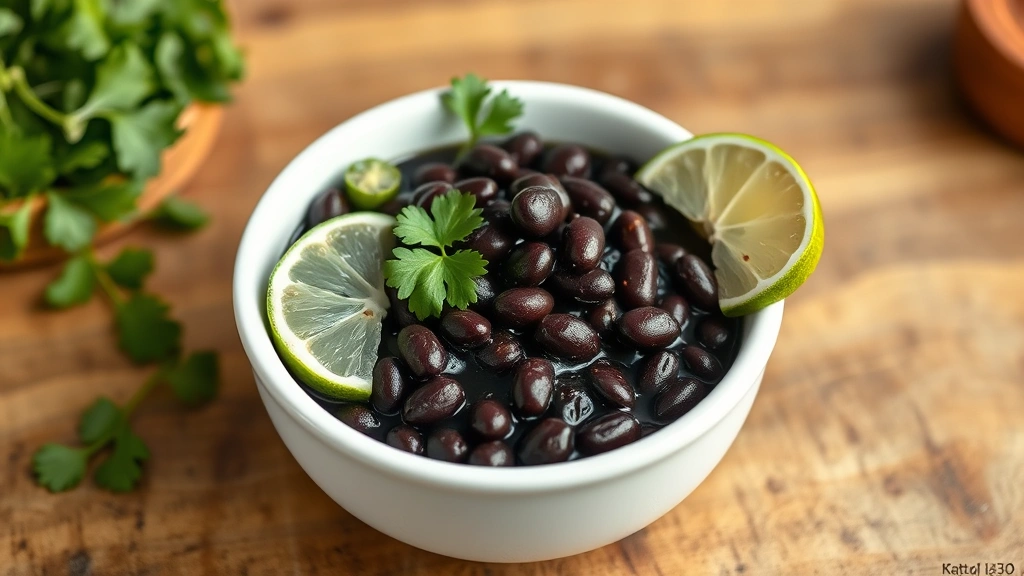
Learning how to cook dried black beans is one of those kitchen skills that’ll save you money, impress your friends, and give you total control over what goes into your food. Forget the canned stuff—dried black beans are cheaper, taste better, and honestly? They’re not much harder to prepare. I’m going to walk you through the entire process, from sorting to that perfect creamy finish, so you can make restaurant-quality black beans at home every single time.
Table of Contents
Sort and Rinse Your Beans
Before you do anything else, you need to sort through your dried black beans. Spread them out on a clean countertop or a shallow baking sheet and look for any pebbles, debris, or shriveled beans that didn’t make the cut. This takes maybe five minutes and saves you from biting into something crunchy that shouldn’t be there. I learned this the hard way at a dinner party—trust me on this one.
Once you’ve sorted them, rinse the beans thoroughly under cold running water. Use a fine-mesh strainer and let the water run until it comes out clear. This removes any dust and surface dirt from the dried beans. Don’t skip this step; it makes a noticeable difference in the final texture and taste.
Two Soaking Methods Explained
This is where people get confused, so let me break it down. You’ve got two legitimate ways to soak dried black beans: the overnight method and the quick-soak method. Both work great—it just depends on your timeline.
The Overnight Soak: Place your rinsed beans in a large pot and cover them with cold water by about three inches. Let them sit overnight (or for 8-12 hours) at room temperature. This is the gentlest method and produces the most tender beans with fewer split skins. The next morning, drain the soaking water and rinse the beans again before cooking.
The Quick-Soak Method: Put your rinsed beans in a pot, cover with water, bring to a boil for two minutes, then remove from heat. Cover the pot and let the beans sit for one hour. After that, drain and rinse. This method works when you’re short on time and produces nearly identical results to the overnight method.
Here’s the truth: soaking isn’t absolutely mandatory. You can cook dried black beans without soaking, but it’ll take longer (up to three hours instead of one to two), and the beans might split more easily. Soaking also reduces compounds that cause digestive discomfort, so I always recommend taking the extra step.
The Actual Cooking Process
After soaking and draining, place your beans in a large pot and cover with fresh water by about two inches. Bring the water to a boil over high heat. Once it’s boiling, reduce the heat to medium-low and let it simmer gently. This is important—a rolling boil can break apart the beans and make them mushy.
Skim off any foam that rises to the surface during the first few minutes of cooking. This is excess starch and impurities, and removing it gives you cleaner-tasting beans with better texture. Use a simple spoon and just skim it off into the sink.
Keep the beans at a gentle simmer throughout cooking. They should be barely bubbling, not aggressively boiling. Stir them occasionally, maybe every 20 minutes or so, just to make sure nothing’s sticking to the bottom of the pot.
Seasoning for Maximum Flavor
Here’s where most people mess up: they add salt at the beginning of cooking, which can toughen the bean skins and slow down the cooking process. Don’t do that. Wait until the beans are almost tender before adding any salt.
For flavor, I like to add aromatics to the cooking water. Throw in a halved onion, a few garlic cloves, a bay leaf, and maybe a dried chile if you want subtle heat. These infuse the beans with flavor from the inside out. You can remove these before serving, or leave them in if you like.
Once the beans are nearly done (about 15 minutes before they’re fully tender), add salt to taste. Start with about one teaspoon per pound of dried beans and adjust from there. At this point, you can also add cumin, smoked paprika, or whatever spices match your intended dish. If you’re making game day recipes, consider a bit of chili powder and garlic powder for that classic flavor.
Timing and Testing Doneness
Cooking time for soaked dried black beans is typically 1 to 2 hours, depending on the age of the beans and how hot your stove runs. Older beans take longer, so if you’ve had those beans sitting in your pantry for two years, budget extra time.
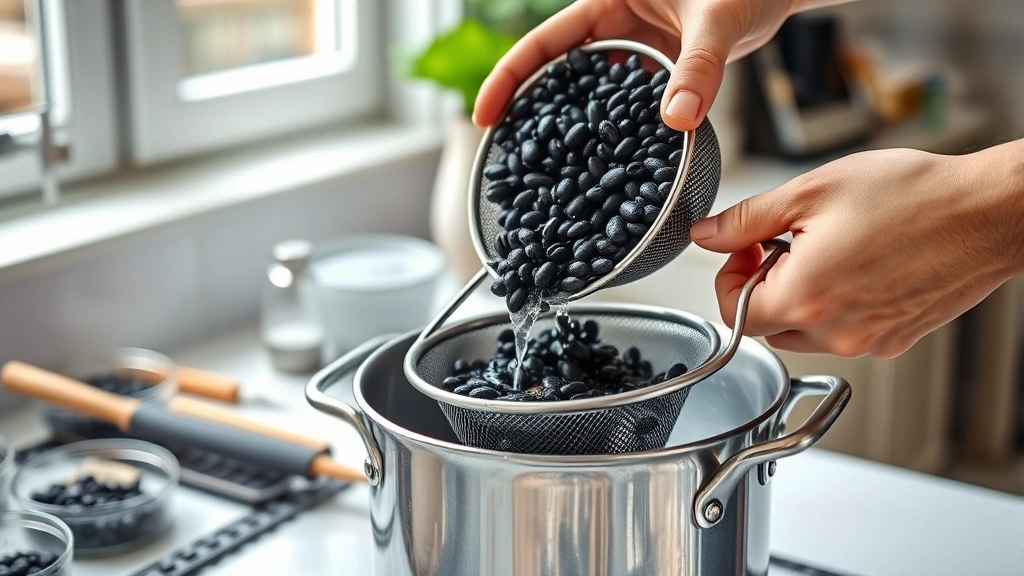
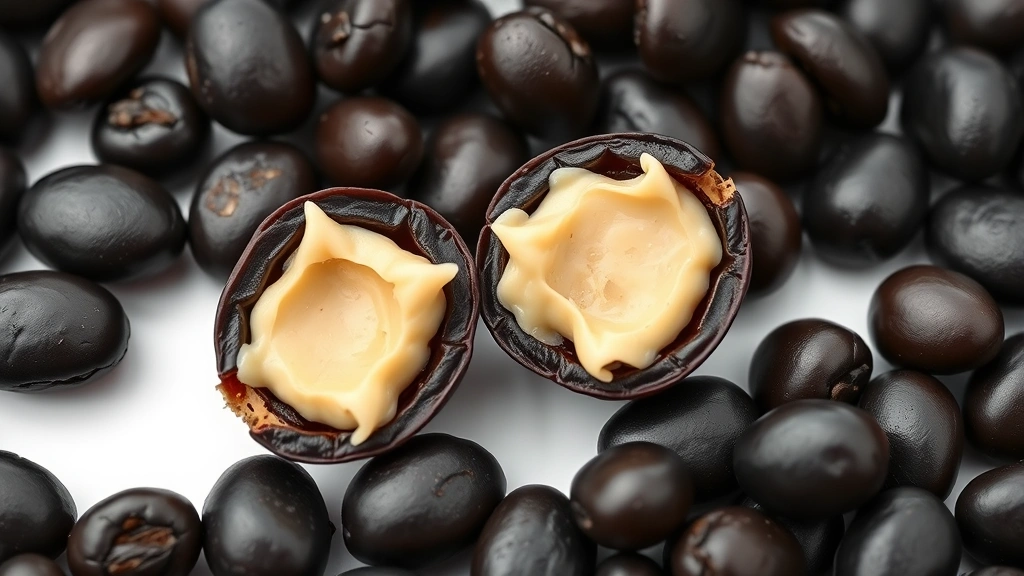
To test doneness, grab a bean with a spoon and blow on it to cool it down, then bite it. It should be creamy and tender all the way through, with no chalky center. If it’s still firm, give it another 15 minutes and test again. You want them soft enough to mash easily between your tongue and the roof of your mouth, but not so soft they’re falling apart.
The cooking liquid should be slightly thickened from the starch released by the beans. This is good—it means you’ve got a flavorful broth to use in your final dish. If you want thicker beans, simmer uncovered for the last 10-15 minutes to reduce the liquid.
Stovetop vs. Instant Pot
The traditional stovetop method is what I’ve been describing, and it’s reliable and foolproof. But if you’ve got an Instant Pot or pressure cooker, you can cut the cooking time dramatically.
For an Instant Pot: Soak your beans using either method, then drain and rinse. Add beans and fresh water (use a 1:3 ratio of beans to water) to the Instant Pot. Cook on high pressure for 20-25 minutes for soaked beans, or 35-40 minutes for unsoaked beans. Let the pressure release naturally for 10 minutes, then quick-release any remaining pressure. This produces perfectly cooked beans in about half the time.
The Instant Pot method is great when you’re in a hurry, but the stovetop method gives you more control and lets you adjust seasoning as you go. Both produce excellent results, so choose based on your schedule and what you’ve got available in your kitchen.
Storage and Freezing Tips
Cooked black beans keep in an airtight container in the refrigerator for up to five days. If you want to store them longer, freeze them. I like to freeze them in their cooking liquid in one-cup portions using ice cube trays or small freezer containers. This way, you’ve got ready-to-use portions that thaw quickly and maintain their texture.
Frozen cooked black beans last about three months. When you’re ready to use them, thaw them in the refrigerator overnight or heat them directly from frozen on the stovetop over medium heat, stirring occasionally until warmed through.
Pro tip: Make a big batch when you’ve got the time, then freeze portions. You’ll have black beans ready for tacos, salads, or side dishes whenever you need them. It’s the same concept as learning how to chop an onion properly—once you’ve got the technique down, you can prep in bulk.
Common Mistakes to Avoid
Using old beans: Dried beans gradually lose moisture and take longer to cook as they age. If your beans are more than a year old, they might never fully soften. Buy from stores with good turnover and use them within a year.
Adding salt too early: I can’t stress this enough. Salt at the beginning = tough, wrinkled beans. Add it in the last 15 minutes of cooking.
Boiling too aggressively: A rolling boil breaks down the beans and creates mushy, split beans. Keep it at a gentle simmer.
Skipping the soak: While not mandatory, soaking saves time and reduces digestive issues. It’s worth the extra step.
Not tasting as you go: Cooking times vary, so taste the beans regularly in the final 30 minutes. This prevents overcooking or undercooking.
Recipe Ideas Using Cooked Beans
Once you’ve mastered how to cook dried black beans, you’ve got endless possibilities. Use them in tacos, nachos, or burrito bowls. Toss them into soups and stews. Make a simple black bean salad with lime juice, cilantro, and diced red onion. Serve them as a side dish alongside healthy cornbread recipe for a classic Southern meal.
Black beans work great in rice dishes too. Mix cooked beans with hibachi fried rice recipe for a protein-packed dinner. Or keep it simple: season them with garlic, cumin, and a splash of lime juice, then serve as a side to grilled chicken or fish.
For more inspiration, check out Great Northern Beans Recipe for similar bean-cooking techniques that work across different varieties. You can also find more protein-based dishes in our how long does chicken take to boil guide if you’re planning a full meal.
Frequently Asked Questions
Do I have to soak black beans before cooking?
No, soaking is optional, but it’s highly recommended. Soaking reduces cooking time by about 50%, produces more tender beans with fewer split skins, and reduces compounds that cause digestive discomfort. If you forget to soak, just add 30-60 minutes to your cooking time and be patient.
Why are my black beans still hard after cooking?
This usually means one of three things: your beans were very old (over a year), you added salt too early (which toughens the skins), or you didn’t cook them long enough. Old beans can be nearly impossible to soften. For future batches, buy fresh beans and cook them for at least 1.5 hours after soaking.
Can I cook black beans without draining the soaking water?
You can, but I don’t recommend it. The soaking water contains compounds that cause bloating and gas. Draining and rinsing, then using fresh water for cooking, reduces these compounds and gives you better-tasting, easier-to-digest beans.
How much do dried black beans yield when cooked?
One pound of dried black beans yields about 6-7 cups of cooked beans. This is roughly equivalent to four to five 15-ounce cans of beans. It’s one reason cooking dried beans is so much cheaper than buying canned.
Can I add baking soda to speed up cooking?
Yes, adding a pinch of baking soda (about 1/4 teaspoon per pound of beans) can reduce cooking time and soften the beans faster. However, it can also affect the flavor and texture if you use too much. Use sparingly and taste as you go.
What’s the best way to reduce gas from black beans?
Soaking and draining the beans, then cooking in fresh water, removes most of the problematic compounds. You can also add a piece of kombu (seaweed) or a bay leaf during cooking, which some people find helps with digestion. Chewing thoroughly also helps.
Final Thoughts
Now you know exactly how to cook dried black beans perfectly every time. It’s a straightforward process that takes a bit of time but minimal actual work. Sort, soak, simmer, and season—that’s really it. Once you’ve done this a couple of times, you’ll be doing it on autopilot, and you’ll wonder why you ever bought canned beans again.
The best part? Homemade black beans taste noticeably better than canned, cost a fraction of the price, and let you control every single ingredient. That’s the kind of kitchen win that keeps me coming back to dried beans again and again. Give it a try this weekend and see the difference for yourself.


