
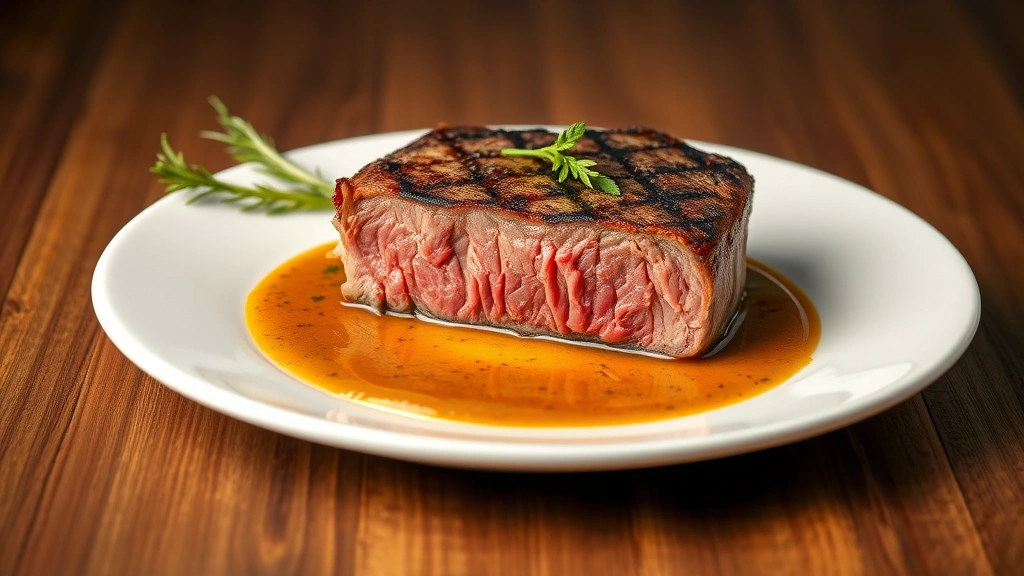
Learning how to cook chuck steak is one of the best kitchen skills you’ll ever master. This affordable cut of beef sits between the neck and rib, packed with flavor but notorious for toughness if you don’t know the tricks. The good news? With the right technique, you’ll transform chuck steak into something so tender and delicious your family will think you’ve been secretly attending culinary school.
Table of Contents
Understanding Chuck Steak
Chuck steak comes from the shoulder region of the cow, which means it gets a serious workout during the animal’s life. That constant movement creates muscle fibers that are tightly bound together, making the meat naturally tough. But here’s the secret: all that work also means the meat is loaded with connective tissue and fat, which are flavor powerhouses when you know how to break them down.
The cut typically measures about one to two inches thick and contains a bone running through the center, which adds even more flavor to your finished dish. You’ll find chuck steak labeled different ways depending on your butcher—sometimes it’s called chuck arm steak, chuck shoulder steak, or seven-bone steak. They’re all essentially the same thing: affordable, flavorful, and waiting for you to unlock their potential.
Prep Work Matters Most
Before you even think about heat, you need to prepare your chuck steak properly. Start by removing it from the refrigerator about 30 minutes before cooking. This isn’t just chef nonsense—it actually matters. Cold meat won’t cook evenly, and you’ll end up with a steak that’s brown on the outside but cold in the middle.
Pat the steak completely dry with paper towels. Moisture is the enemy of browning, and browning is what creates flavor through the Maillard reaction. If your steak is wet, it’ll steam instead of sear, and you’ll miss out on that delicious crust. Be aggressive with the paper towels.
Trim any excess fat, but leave about a quarter-inch of fat on the edges. This fat renders during cooking and keeps the meat moist. It’s also where a lot of the flavor lives, so don’t go crazy trimming everything away. Season generously with salt and pepper on both sides at least 15 minutes before cooking—this gives the salt time to penetrate the meat rather than just sitting on the surface.
Low & Slow Braising Method
This is the gold standard for cooking chuck steak because it transforms the tough connective tissue into gelatin, which makes the meat incredibly tender. Braising is basically controlled stewing, and it’s where chuck steak truly shines.
Heat a heavy Dutch oven or large pot over medium-high heat and add a splash of oil. Once it’s smoking hot, place your seasoned chuck steak in the pot and sear it for three to four minutes per side until you get a deep brown crust. Don’t move it around—let it sit and develop that color. Remove the steak and set it aside.
In the same pot, sauté diced onions, carrots, and celery for about five minutes. Add minced garlic and cook for another minute until fragrant. This aromatic base is going to build serious flavor. Pour in beef broth until it comes about halfway up the sides of the steak. You can also add red wine, tomato paste, or Worcestershire sauce depending on what flavor profile you’re after.
Return the steak to the pot, cover it, and move everything to a 325-degree oven. Let it braise for two to three hours. The meat is done when it’s fork-tender and easily pulls apart. The low, moist heat breaks down all those tough muscle fibers and transforms them into something magnificent. This method works beautifully in dishes like Classic Bolognese Recipe Italian when you shred the meat afterward.
Stovetop Pan-Searing Technique
If you’re short on time and don’t want to fire up the oven, stovetop pan-searing is your friend. It won’t give you the same fall-apart tenderness as braising, but it’ll still produce a delicious, reasonably tender steak if you do it right.
Use a cast-iron skillet or heavy stainless steel pan. Get it screaming hot over medium-high heat and add a high-smoke-point oil like avocado or vegetable oil. Once the oil shimmers, carefully lay your seasoned chuck steak into the pan. Don’t touch it. Seriously. Let it sear for four to five minutes without moving it around. You’re building that flavorful crust.
Flip the steak and sear the other side for another four to five minutes. At this point, reduce the heat to medium and add a pat of butter, some smashed garlic cloves, and fresh herbs like rosemary or thyme. Tilt the pan and baste the steak with the foaming butter for another two to three minutes. This is where you build incredible flavor.
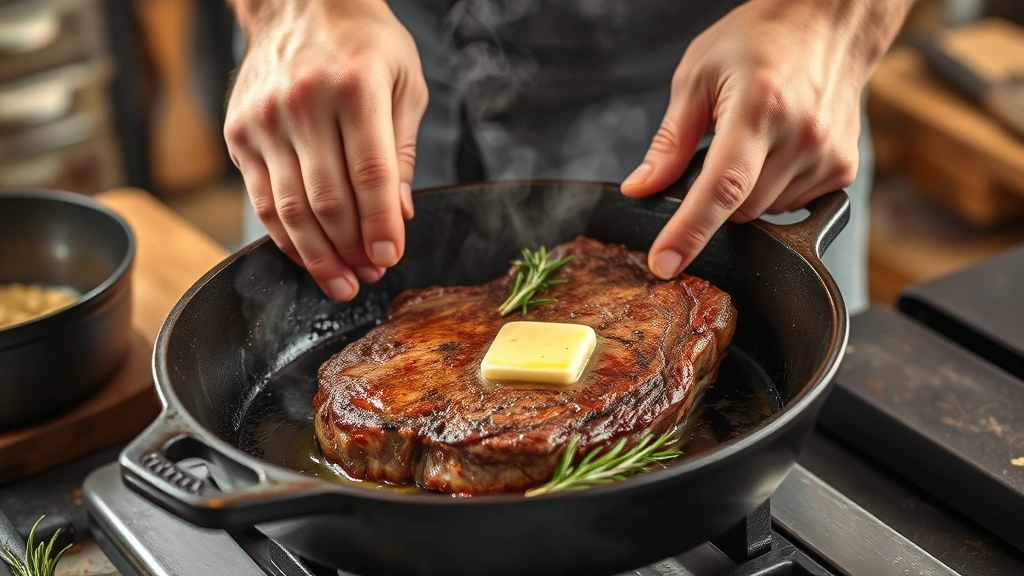
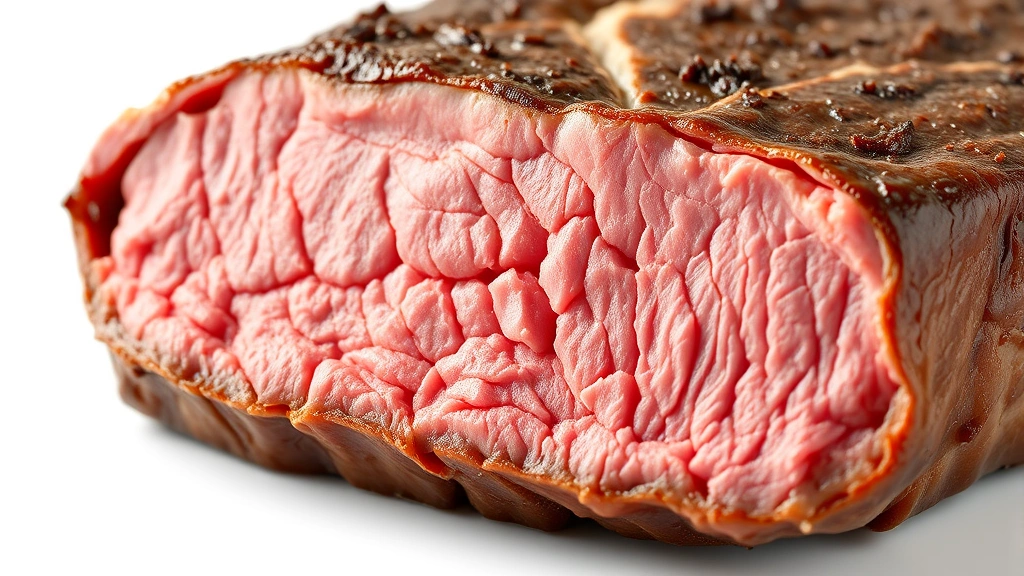
For a medium-rare finish, you’re aiming for an internal temperature of 130-135 degrees Fahrenheit. Use a meat thermometer—it’s the only way to know for sure. Overcooked chuck steak becomes even tougher, so don’t guess. Remove the steak when it’s about five degrees below your target temperature because it’ll continue cooking while it rests.
Oven Roasting Approach
Oven roasting sits somewhere between pan-searing and braising. You get the browning benefits of stovetop cooking with the even, gentle heat of the oven. It’s perfect when you want something faster than braising but more reliable than stovetop cooking.
Sear your chuck steak in an oven-safe skillet on the stovetop for three minutes per side to develop that brown crust. Transfer the skillet to a 375-degree oven and roast for 12 to 15 minutes for medium-rare, checking the internal temperature as you go. The oven’s dry heat will cook the meat evenly while the pan’s bottom keeps the flavorful crust intact.
This method works great if you’re planning to make something like Easy Gumbo Recipe where you might cube or shred the finished steak and add it to a larger dish. The roasting gives you enough tenderness without the long cook time of braising.
Seasoning & Flavor Building
Salt and pepper are your foundation, but chuck steak can handle bold flavors. Garlic powder, smoked paprika, onion powder, and cayenne pepper all work beautifully. Mix your seasonings together before applying them to the meat so they distribute evenly.
Don’t sleep on acid and umami. A splash of Worcestershire sauce, soy sauce, or balsamic vinegar adds depth that makes people say “what is that amazing flavor?” A sprinkle of MSG (yes, really) or parmesan cheese adds savory umami that makes the meat taste more meaty. Fresh herbs like rosemary, thyme, and oregano add complexity that takes your dish from good to restaurant-quality.
When you’re braising, the braising liquid becomes a sauce, so make it count. A combination of beef broth, red wine, tomato paste, and herbs creates something you’ll want to spoon over everything on your plate. If your braising liquid ends up too thin, remove the steak and simmer the liquid on the stovetop until it reduces and concentrates.
Resting & Slicing Tips
This step is non-negotiable. Once your chuck steak reaches the target temperature, remove it from heat and let it rest for at least five to ten minutes. During cooking, the heat pushes all the juices toward the center of the meat. Resting allows those juices to redistribute throughout the steak. If you cut into it immediately, all those juices run out onto your plate instead of staying in your meat.
Tent the steak loosely with foil to keep it warm while it rests. Don’t wrap it tightly or you’ll trap steam and soften that beautiful crust you worked so hard to create.
When you’re ready to slice, cut against the grain. Look at the direction the muscle fibers are running and cut perpendicular to that direction. This shortens the fibers, making the meat feel more tender when you chew it. A sharp knife makes this easier—a dull knife will shred and tear the meat instead of making clean cuts.
Common Mistakes to Avoid
Cooking it too hot too fast: Chuck steak needs low, gentle heat to break down its connective tissue. High heat just toughens it up further. If you’re braising, stick with 325 degrees. If you’re pan-searing, medium-high heat is hot enough.
Not seasoning early enough: Salt needs time to penetrate the meat, not just sit on the surface. Season at least 15 minutes before cooking, or even the night before if you have time.
Skipping the sear: Even when braising, that initial sear creates flavor through browning. Don’t skip it thinking the braising liquid will do all the work. It won’t.
Overcooking: Chuck steak gets tough when it’s overcooked. Medium-rare to medium is your sweet spot. Use a thermometer and trust it more than you trust your intuition.
Cutting too early: I know I mentioned this, but it’s worth repeating. Resting is not optional. It’s the difference between juicy steak and dry steak.
Frequently Asked Questions
What temperature should chuck steak be cooked to?
For the best results, cook chuck steak to medium-rare (130-135°F internal temperature) or medium (135-145°F). These temperatures keep the meat tender and juicy. Chuck steak gets progressively tougher as it cooks past medium, so avoid going higher unless you’re braising, where longer cooking times actually help tenderize the meat.
How long does it take to cook chuck steak?
It depends on your method. Pan-searing takes about 10-15 minutes total. Oven roasting takes 12-15 minutes after searing. Braising takes 2-3 hours in the oven. The braising method takes longer but produces the most tender results.
Can you grill chuck steak?
Yes, but it requires care. Use medium-high heat and sear the steak for 4-5 minutes per side, then move it to a cooler part of the grill to finish cooking gently. The key is not blasting it with high heat for too long. You can also braise it first to tenderize it, then finish it on the grill for extra flavor.
What’s the difference between chuck steak and chuck roast?
Chuck steak is a thinner cut (usually 1-2 inches) sliced from the chuck roast. Both come from the same part of the cow, but chuck steak cooks faster because it’s thinner. Chuck roast is a larger, thicker cut that’s better for long, slow braising.
Should you marinate chuck steak?
Marinating helps, especially if you’re using acidic ingredients like vinegar or citrus juice. These acids help break down the muscle fibers. However, marinating for more than 8-12 hours can actually make the surface mushy. If you marinate, do it for 4-8 hours maximum. Salting the steak ahead of time (dry brining) is actually more effective than marinating.
What side dishes pair well with chuck steak?
Chuck steak pairs beautifully with roasted vegetables, mashed potatoes, or crusty bread to soak up the braising liquid. How Long to Steam Green Beans makes an excellent light side. If you’re making a braised dish, consider serving it alongside Cornish Game Hen Recipe for a more elaborate meal.
Can you freeze cooked chuck steak?
Absolutely. Cooked chuck steak freezes beautifully, especially when it’s in a braising liquid. Store it in an airtight container for up to three months. Thaw it in the refrigerator overnight and reheat gently on the stovetop or in the oven at 325 degrees until warmed through.
Final Thoughts
Mastering how to cook chuck steak is about understanding the meat’s nature and working with it rather than against it. This cut wants low, gentle heat and time to transform. Whether you choose the hands-off braising method, the quick pan-sear approach, or the oven-roasting technique, you now have the knowledge to produce restaurant-quality results at home.
The beauty of chuck steak is that it’s forgiving, affordable, and genuinely delicious when treated right. Start with the braising method if you want guaranteed tenderness. Once you master that, experiment with the other techniques. Each method has its place in your cooking arsenal. Your family will appreciate the effort, and your wallet will thank you for choosing such an economical cut of meat that delivers serious flavor. Now get in that kitchen and cook something amazing.


