
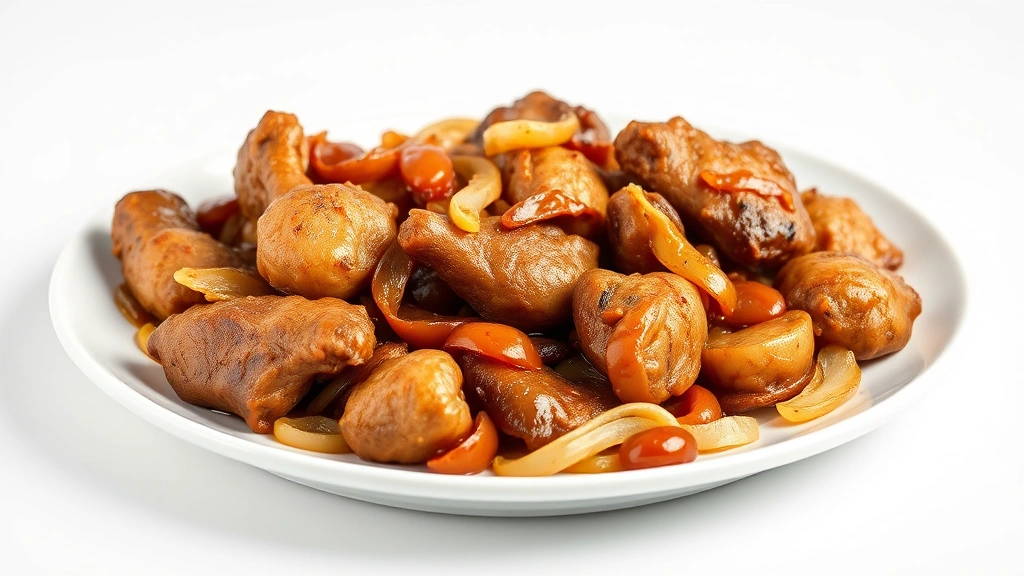
Learning how to cook chicken livers is one of those skills that separates home cooks from kitchen wizards—it’s easier than you think, and once you nail it, you’ll wonder why you waited so long. Chicken livers are packed with iron, affordable, and when prepared right, they’re absolutely delicious. No gimmicks, no fancy equipment needed. Just good technique and a little know-how.
Table of Contents
Prep Your Livers Right
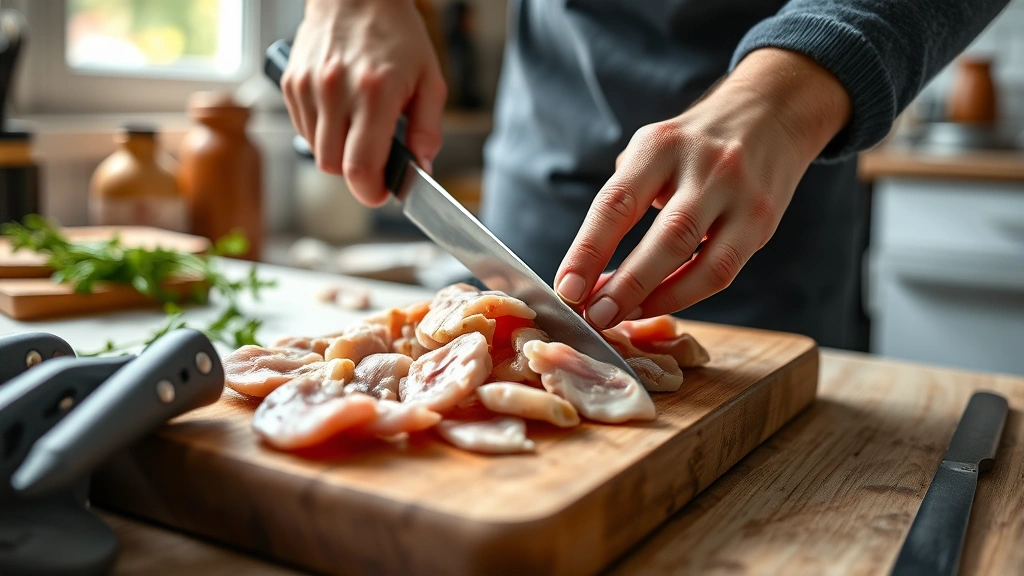
The foundation of tender, delicious chicken livers starts with proper prep. When you bring them home from the store or butcher, rinse them under cold water and pat them completely dry with paper towels. This is non-negotiable—moisture is the enemy of a good sear. If they’re wet, they’ll steam instead of brown, and you’ll miss out on that rich, caramelized exterior.
Next, trim any greenish bile sacs or connective tissue. You’ll spot these right away—they’re the discolored spots. A sharp paring knife makes quick work of this. Don’t stress about being perfect; just remove the obvious bits. Once trimmed, let them sit at room temperature for about 15 minutes before cooking. Cold livers cook unevenly, so this step matters more than you’d think.
Choose Your Cooking Method
There are three solid approaches to cooking chicken livers: pan-frying, sautéing with aromatics, and braising. Pan-frying gives you the quickest results and a nice crust. Sautéing lets you build flavor with onions and garlic. Braising creates a silky, tender texture perfect for those who prefer a gentler approach. Pick based on your mood and what you’re serving alongside. If you’re pairing them with cheesy mashed potatoes, braising might be your move. For something lighter, pan-frying works great.
Pan-Frying for Best Results
Heat a cast-iron or heavy stainless steel skillet over medium-high heat. You want it hot enough that a drop of water sizzles immediately. Add about 2 tablespoons of butter or oil—I prefer a mix of both. Once the butter foams, add your livers in a single layer. Don’t crowd the pan; work in batches if needed.
Let them sit undisturbed for 2-3 minutes. Resist the urge to flip constantly. You’re building that golden-brown crust that locks in flavor. Flip once and cook another 2-3 minutes on the second side. The whole process takes about 5-7 minutes total. You’re aiming for a firm exterior but a slightly pink, tender center. Overcooked livers turn grainy and unpleasant, so timing is everything.
Sautéing with Caramelized Onions
This is my go-to method because the onions add depth and sweetness that plays beautifully with the livers’ earthy flavor. Start by slicing 2-3 medium onions into thin half-moons. Heat your skillet with 1 tablespoon of butter over medium heat and add the onions. Cook them low and slow for 10-12 minutes, stirring occasionally, until they’re golden and caramelized.
Push the onions to the side, increase heat to medium-high, and add another tablespoon of butter to the empty space. Once it foams, add your prepared livers and cook them exactly as described above—2-3 minutes per side. The onions stay warm on the side and get tossed back in at the end. This method takes longer overall but the payoff is worth it. Serve this over rice or with homemade gravy for comfort food done right.
Braising for Tender Texture
Braising is the gentler route, perfect if you’re nervous about overcooking. Heat your skillet over medium-high heat, sear the livers for just 1-2 minutes per side to develop color, then remove them to a plate. In the same skillet, sauté diced onions, carrots, and celery for 3-4 minutes. Add 1 cup of beef or chicken broth, a splash of red wine if you have it, and return the livers to the pan.
Reduce heat to low, cover, and simmer for 8-10 minutes. The livers will be incredibly tender, almost melting on your tongue. This method is forgiving because the moist environment prevents overcooking. The braising liquid becomes a light sauce you can spoon over the livers and any sides you choose.
Seasoning Secrets That Work
Don’t overthink seasoning. Salt and pepper before cooking—this is your baseline. If you want to add layers, a pinch of garlic powder, dried thyme, or a tiny bit of cayenne pepper works wonders. Fresh herbs like parsley or chives added at the end brighten everything up. Some cooks love a splash of balsamic vinegar or Worcestershire sauce drizzled in during the last minute of cooking.
Here’s the thing: chicken livers have a strong, distinctive flavor that doesn’t need masking. Your seasoning should complement, not compete. Less is more. A squeeze of fresh lemon juice at the end cuts through the richness and adds a professional touch that elevates the whole dish.
How to Tell When They’re Done
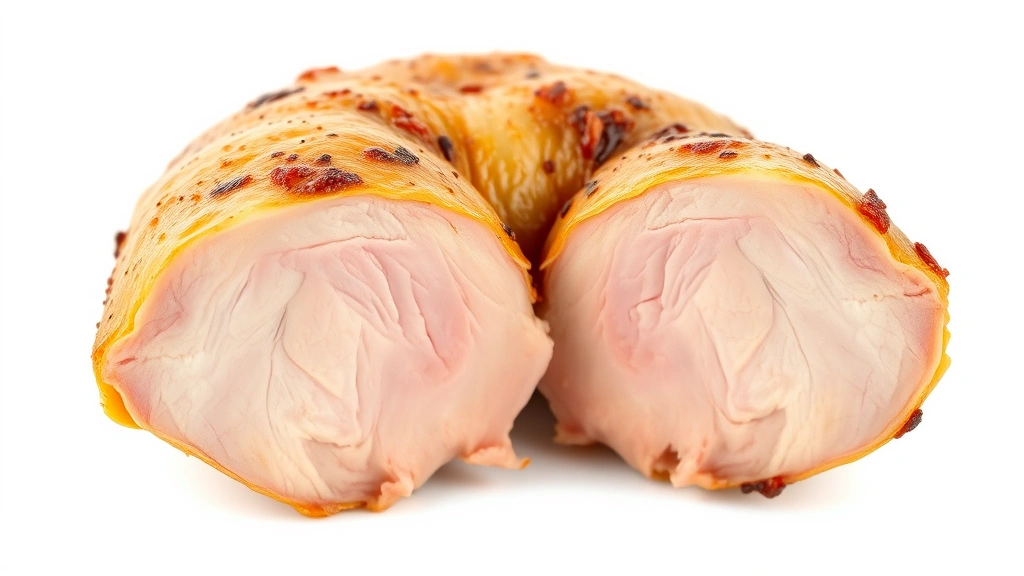
This is critical. Cut into the thickest piece with a knife. You’re looking for a firm exterior but a tiny bit of pink in the very center. If it’s gray all the way through, you’ve overcooked it. If it’s bright red and mushy, it needs more time. The sweet spot is that barely-pink center, which means the outside is fully cooked but the inside stays tender and juicy.
If you’re using a meat thermometer (and honestly, it’s a good safety tool), aim for 160°F internal temperature. But the visual check is faster and works just fine once you’ve done it a couple times.
Serving Ideas & Sides
Chicken livers pair beautifully with creamy sides and acidic accompaniments. Serve them with boiled asparagus and a squeeze of lemon for a light dinner. Pair with mashed potatoes and the pan sauce for something hearty. Rice pilaf soaks up the flavors perfectly. A fresh green salad with vinaigrette balances the richness.
In some cuisines, chicken livers are served on toast points with a touch of mustard. Others fold them into pasta with butter and sage. The versatility is surprising. Don’t be afraid to experiment. What matters is that you’re cooking them properly, which you now know how to do.
Storage & Reheating Tips
Cooked chicken livers keep in an airtight container in the refrigerator for 3-4 days. Reheat gently in a low oven (300°F) for 5-10 minutes, or in a skillet over low heat with a splash of broth to prevent them from drying out. Avoid the microwave if possible—it tends to toughen them further.
Raw chicken livers should be cooked within 1-2 days of purchase. If you need to store them longer, freeze them in a freezer bag for up to 3 months. Thaw overnight in the refrigerator before cooking.
Frequently Asked Questions
Why do my chicken livers taste bitter?
Bitterness usually means you didn’t remove the bile sacs properly during prep, or you overcooked them. Always trim those greenish spots carefully. And remember—barely pink centers are your friend. Overcooked livers develop an unpleasant, bitter taste.
Can I cook frozen chicken livers?
You can, but thawing first gives you better results. Frozen livers cook unevenly and are harder to judge for doneness. Thaw them overnight in the fridge, then proceed as normal.
What’s the difference between chicken livers and beef livers?
Chicken livers are milder, more delicate, and cook much faster. Beef livers are stronger-flavored and require longer cooking. If you’re new to organ meats, chicken livers are the gentler introduction.
How much chicken liver per person?
Plan on 4-6 ounces per serving as a main course. If you’re serving them as an appetizer or part of a larger meal, 2-3 ounces is plenty.
Is it safe to eat slightly pink chicken livers?
Yes, absolutely. Unlike poultry breast, which must reach 165°F, livers are safe at 160°F. That slight pink center is actually ideal—it means they’re cooked through but still tender.
What wine pairs with chicken livers?
A light red like Pinot Noir works beautifully. If you prefer white, try a dry Riesling or Sauvignon Blanc. The acidity cuts through the richness nicely.
Final Thoughts
Mastering how to cook chicken livers opens up a world of affordable, nutritious eating. The technique is straightforward: prep them clean, cook them hot and fast, and stop before they’re overdone. Whether you pan-fry, sauté with onions, or braise them, you’ve got this. Start with one batch, taste as you go, and adjust to your preference. Once you’ve nailed it, you’ll be making them regularly. They’re quick, they’re delicious, and they prove that some of the best cooking doesn’t require complicated methods—just solid fundamentals and a little confidence.


