
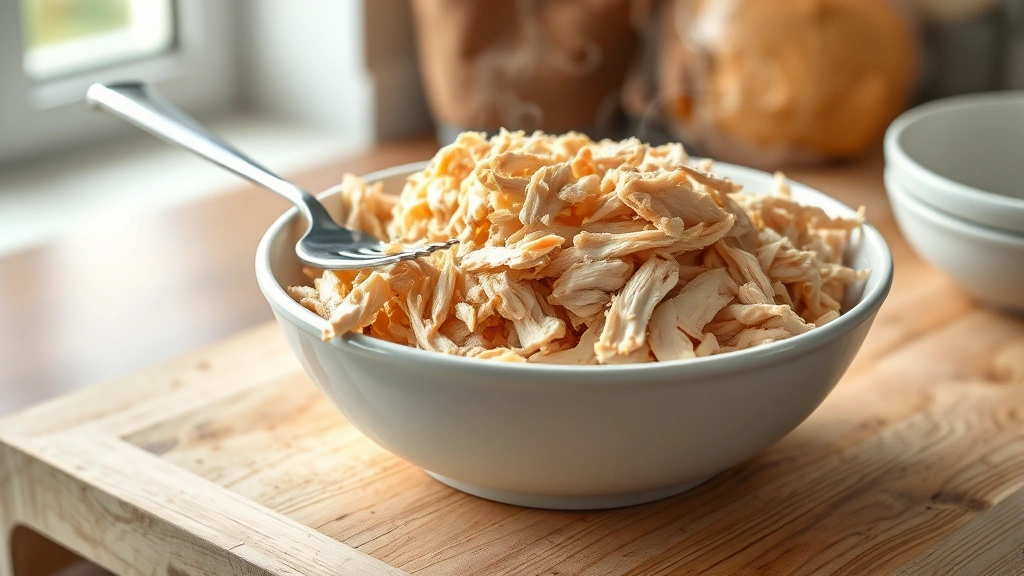
Learning how to cook chicken for shredding is one of those kitchen skills that pays dividends every single week. Whether you’re meal prepping for the week, building tacos, or throwing together a quick weeknight dinner, having perfectly cooked, tender shredded chicken on hand is like having a secret weapon in your kitchen arsenal. The good news? It’s dead simple once you know the tricks, and I’m going to walk you through every method that actually works.
Table of Contents
The Classic Boiling Method
Let’s start with the most straightforward approach: boiling. This is the method your grandma probably used, and honestly, it still holds up. Fill a large pot with water—enough to cover your chicken breasts by about an inch. Bring it to a rolling boil, then gently add your chicken. If you’re working with frozen chicken, you’ll want to unfreeze your chicken first for even cooking, though it’s not absolutely necessary.
Once the water returns to a boil, reduce the heat to medium and let it simmer. Boneless, skinless breasts typically take 12-15 minutes. Bone-in thighs or a whole chicken will need 20-30 minutes depending on size. The key is not letting it go crazy boiling—a gentle simmer keeps the meat tender and prevents it from drying out.
You’ll know it’s done when a meat thermometer reads 165°F in the thickest part, or when the meat is completely opaque throughout. Let the chicken cool for a few minutes before shredding—it’s easier to handle and safer for your hands.
Slow Cooker for Set-It-Forget-It
If you’ve got time and want the absolute most tender chicken possible, the slow cooker is your best friend. Throw your chicken breasts or thighs into the slow cooker with about a cup of chicken broth or water. You can add aromatics here—onion, garlic, bay leaves—whatever sounds good. Set it on low for 6-8 hours or high for 3-4 hours.
The slow cooker method is fantastic because the low, moist heat basically guarantees you won’t overcook anything. The chicken comes out so tender it practically falls apart when you touch it. This is also the perfect time to add flavor—toss in some spices, hot sauce, or broth-based seasonings right from the start. The flavors will infuse throughout the cooking process.
Once it’s done, the chicken will shred so easily you might not even need two forks. Just use a couple of forks or even your hands (once it’s cooled enough) and pull the meat apart. The cooking liquid becomes a bonus—use it as a base for sauces or freeze it for later.
Instant Pot Magic
For the impatient among us (and I count myself in that group), the Instant Pot is a revelation. Pour a cup of water or broth into the pot, add the trivet, then place your chicken on top. Seal the lid and cook on high pressure for 8 minutes for boneless breasts, or 15 minutes for bone-in thighs. Quick release the pressure when it’s done.
The Instant Pot method produces incredibly juicy, tender chicken in a fraction of the time. The steam pressure cooks the chicken evenly and quickly while keeping it moist. You can absolutely layer in flavor here too—add salsa, broth, spices, or even adobo sauce before cooking for pre-flavored shredded chicken that’s ready to use.
One pro tip: if you’re cooking multiple batches or want to do this meal-prep style, the Instant Pot is unbeatable. You can have perfectly cooked, shredded chicken ready in under 30 minutes from start to finish.
Oven Roasting Technique
Want chicken with a bit more texture and a slightly different flavor profile? Roasting is your answer. Preheat your oven to 375°F. Place chicken breasts or thighs on a baking sheet, season generously with salt, pepper, and whatever spices you like, then roast for 20-25 minutes until the internal temperature hits 165°F.
Roasted chicken has a slightly firmer texture than boiled or slow-cooked chicken, which some people actually prefer for shredding. The exterior gets a bit of color and develops deeper flavors. It’s also great if you want to do a big batch—you can fit a lot of chicken on sheet pans and have it all done at once.
The downside? It’s a bit less forgiving than slow cooking if you’re not paying attention. But set a timer, check it at 20 minutes, and you’ll be golden. Let it rest for a few minutes before shredding.
Shredding Like a Pro
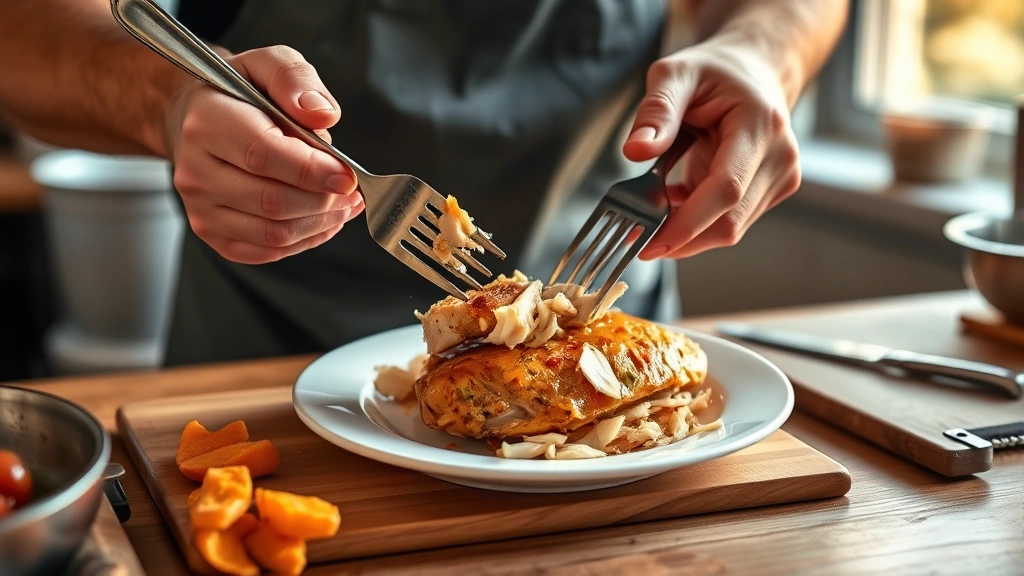
Here’s where technique matters. You want your chicken to be cool enough to handle but still warm—it shreds much more easily than cold chicken. Use two forks, pulling in opposite directions to tear the meat apart into roughly similar-sized pieces. Work systematically through the chicken so you get consistent shreds.
If you’re doing a large batch, a stand mixer with the paddle attachment works surprisingly well—just toss cooled chicken in and let it go on low speed for 30 seconds to a minute. You can also use a hand mixer, but watch it carefully so you don’t over-process into mush.
Some people swear by the KitchenAid shredder attachment or even a food processor, but honestly, two forks give you the most control and the best texture. Plus, no cleanup beyond rinsing your forks.
Storage and Make-Ahead
This is where the real magic happens. Shredded chicken keeps in an airtight container in the fridge for up to 4 days, which means you can cook on Sunday and use it all week. Store it in the cooking liquid if possible—it keeps the meat moister and adds flavor.
Freezing? Absolutely doable. Portion it into freezer bags or containers and it’ll keep for up to 3 months. Thaw it overnight in the fridge before using. You can also freeze it in the cooking liquid in ice cube trays, then pop out cubes as needed for soups, sauces, or quick meals.
The real time-saver is doing a big batch when you have an hour free. Cook 5-6 pounds of chicken at once, shred it all, portion it, and you’ve got enough for multiple meals. It’s one of the best meal-prep investments you can make.
Seasoning Ideas That Work
Plain shredded chicken is fine, but seasoned shredded chicken is where it gets interesting. You can cook it completely plain and add flavors later, or build flavor right into the cooking process. For Asian-inspired dishes, try cooking with ginger, soy sauce, and garlic. For Mexican applications, go with cumin, chili powder, and lime juice.
Italian? Basil, oregano, and a bit of tomato paste. Cajun? Paprika, cayenne, garlic powder, and onion powder. The beauty of shredded chicken is its versatility—cook it plain and season it later, or build a flavor profile right into the cooking liquid. Both approaches work equally well.
A simple approach that never fails: cook with just salt, pepper, and maybe a bay leaf, then adjust seasonings when you use it. This gives you maximum flexibility for different meals throughout the week.
Common Mistakes to Avoid
The number one mistake? Cooking it too long. Overcooked chicken becomes dry and stringy, not in a good way. Stick to the times I mentioned and use a thermometer. Dry chicken is salvageable if you shred it and mix it with sauce or liquid, but it’s better to get it right the first time.
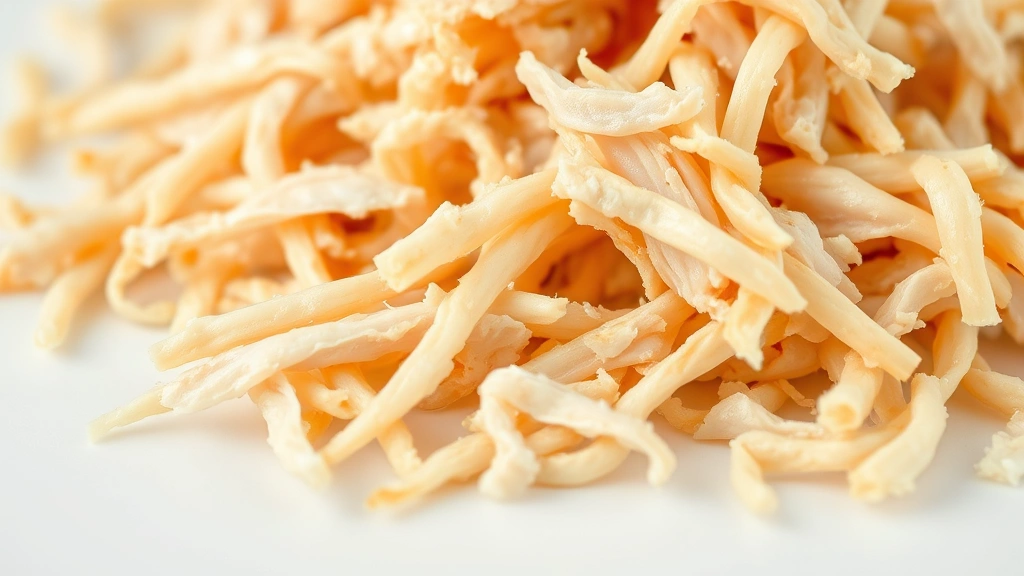
Second mistake: not seasoning enough. People often cook chicken completely plain and then wonder why it tastes boring. Even if you’re keeping it neutral for meal prep, add salt and pepper during cooking. It makes a huge difference.
Third: skipping the cooling step. Yes, you can shred hot chicken, but it’s harder on your hands and you get less control over the texture. Give it 5-10 minutes to cool slightly.
Finally, don’t skip the meat thermometer. It’s the difference between perfectly cooked and either undercooked (food safety issue) or overcooked (dry and disappointing). A $15 thermometer is the best insurance you can buy.
Frequently Asked Questions
Can I use frozen chicken without thawing?
Yes, you can, especially with boiling, slow cooking, or pressure cooking. Just add a few extra minutes to the cooking time. Roasting frozen chicken is trickier and less reliable, so thaw it first for that method.
What’s the best cut of chicken for shredding?
Boneless, skinless breasts are the most convenient and cook fastest. Bone-in thighs are more forgiving and stay juicier, but take longer. Whole chicken works too if you want the most flavor and have time.
How do I know when it’s done cooking?
Use a meat thermometer—165°F in the thickest part is the target. You can also cut into the thickest part and make sure there’s no pink, but the thermometer is more reliable.
Can I shred chicken in a food processor?
You can, but be careful—it’s easy to over-process and end up with chicken paste instead of shreds. If you go this route, use the pulse function and check frequently.
How long does shredded chicken last?
In the fridge: up to 4 days in an airtight container. In the freezer: up to 3 months. Thaw frozen chicken in the refrigerator before using.
Should I cook it with or without skin?
Skinless cooks faster and is leaner. Skin-on stays juicier and has more flavor. Remove the skin after cooking if you want the benefits of both—the skin protects the meat while cooking, then you can discard it.
What’s the fastest method?
The Instant Pot is fastest—8-15 minutes of cooking time depending on the cut. Boiling is a close second at 12-30 minutes. Both can have shredded chicken ready in under 30 minutes total.
Final Thoughts
Mastering how to cook chicken for shredding is genuinely one of the most useful kitchen skills you can develop. Pick your favorite method—whether it’s the speed of the Instant Pot, the simplicity of boiling, or the set-it-and-forget-it convenience of the slow cooker—and practice it until you can do it in your sleep. Once you’ve got a batch of perfectly cooked, tender shredded chicken in your fridge, you’ll find yourself using it in everything from tacos to salads to pasta dishes to soups. It’s the ultimate meal-prep hack, and it takes maybe 30 minutes of active time. Start with one method, master it, then branch out to the others. You’ve got this.


