
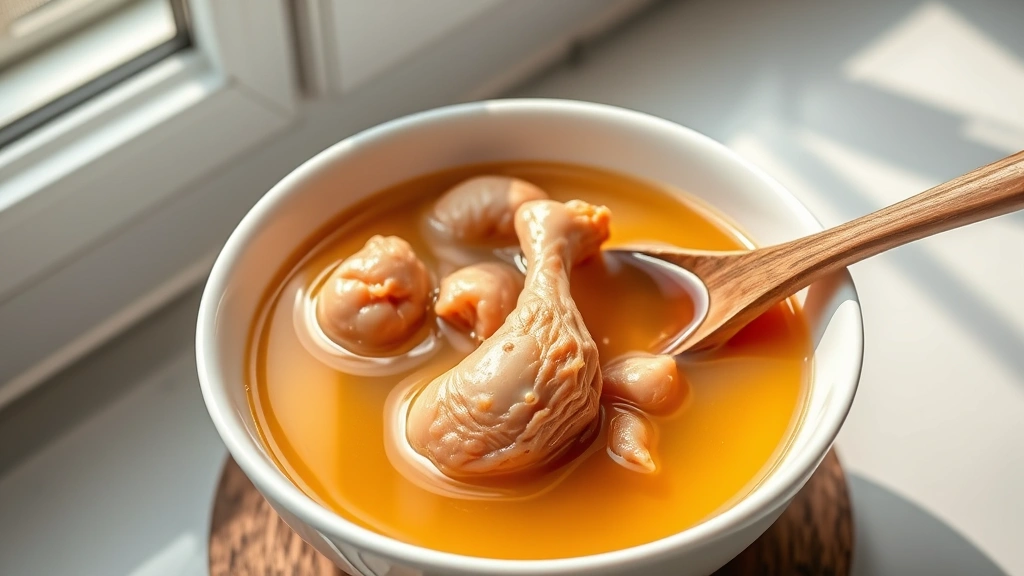
Learning how to cook chicken feet might seem intimidating at first, but once you understand the fundamentals, you’ll unlock a culinary treasure that’s been prized across Asian, Latin American, and Caribbean cuisines for centuries. Chicken feet deliver incredible collagen-rich flavor and create silky, deeply satisfying broths and dishes that store-bought alternatives simply can’t match.
Table of Contents
Why Cook Chicken Feet?
Chicken feet are packed with collagen, gelatin, and connective tissue that transform into liquid gold when cooked properly. This isn’t just about extracting maximum nutrition—it’s about creating rich, velvety textures that elevate everything from soups to sauces. The feet contain more collagen per ounce than chicken breasts or thighs, making them ideal for building deep, satisfying broths. In traditional Chinese cuisine, chicken feet are considered a delicacy, often braised with black beans or served in dim sum preparations. They’re also economical—usually among the cheapest chicken parts at your butcher.
Prep & Cleaning Essentials
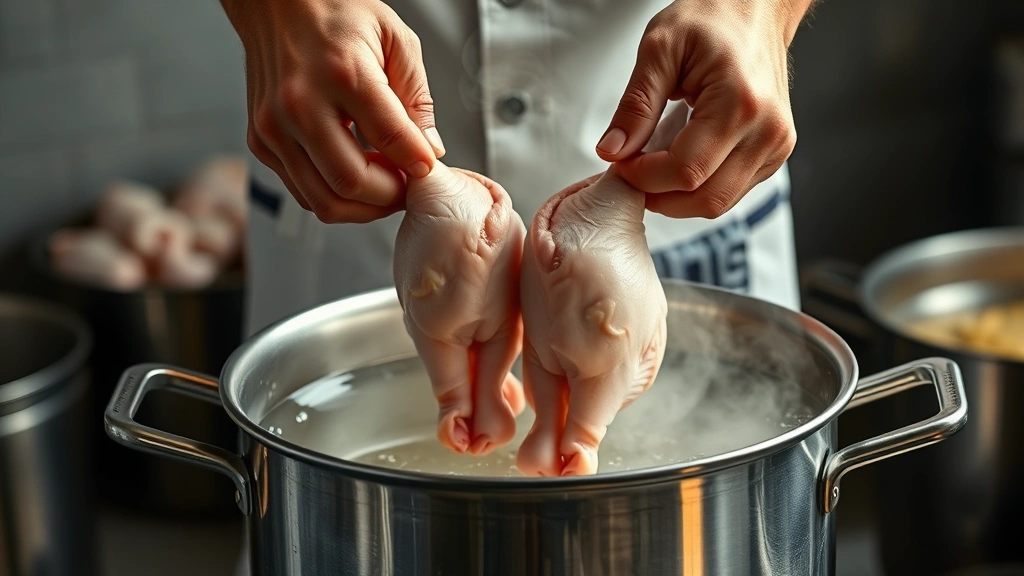
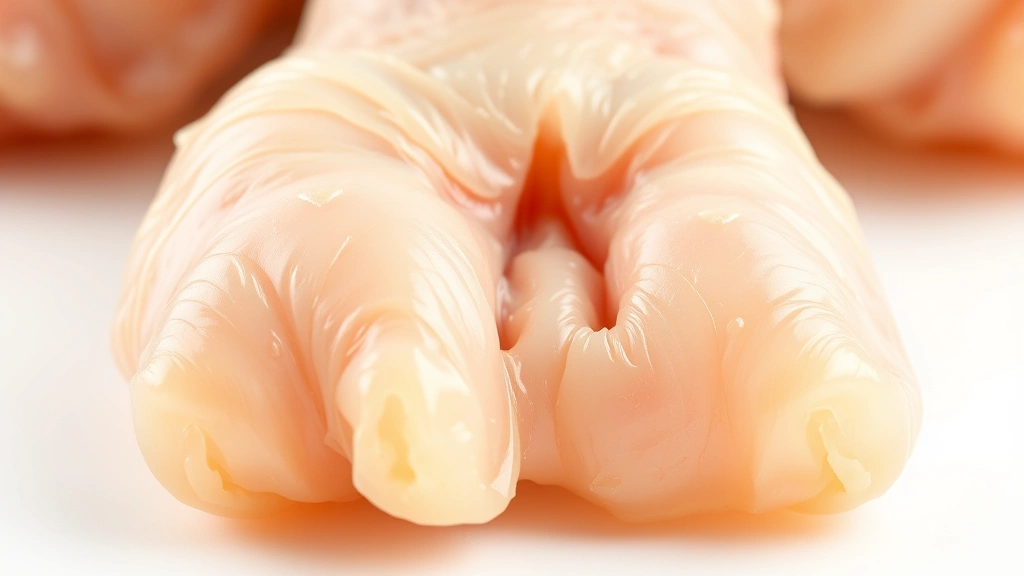
Before any cooking method, proper preparation is non-negotiable. Start by rinsing your chicken feet under cold running water, scrubbing away any visible debris or residue. Many feet come with the outer yellow skin still attached—you can leave it on for extra collagen extraction, or remove it by blanching briefly (about 30 seconds) in boiling water, then rubbing the skin away under cold water. Check each foot carefully for any remaining nails or claws; trim these with kitchen shears if present. Some cooks prefer to halve the feet lengthwise to expose more surface area and speed up cooking time. Pat everything dry with paper towels before proceeding to your chosen cooking method. This prep work takes just 10-15 minutes and makes an enormous difference in the final result.
Boiling Method Basics
The straightforward boiling approach works beautifully for creating chicken feet broth or preparing them as a standalone dish. Place cleaned feet in a large pot and cover with cold water by about 3 inches. Bring to a rolling boil over high heat, then immediately reduce to a gentle simmer. Skim off any gray-white foam that rises to the surface during the first 5 minutes—this is impurities and albumin that you want to remove for a cleaner broth. For tender, gelatinous results, simmer for 45 minutes to 1 hour. If you’re making broth specifically, extend the cooking time to 2-3 hours for maximum collagen extraction. Add aromatics like ginger slices, garlic cloves, dried shiitake mushrooms, or a piece of kombu seaweed about halfway through cooking to build flavor depth. The resulting liquid should be silky and slightly viscous when cooled—that’s the collagen doing its job. This method pairs perfectly with how long to cook brown rice for a complete meal.
Braising for Depth
Braising creates restaurant-quality results with concentrated, complex flavors. Heat 2 tablespoons of oil in a heavy Dutch oven or braising pan over medium-high heat. Working in batches if needed, sear the prepared chicken feet for 2-3 minutes per side until lightly browned—this develops flavor through the Maillard reaction. Remove the feet and set aside. In the same pot, sauté aromatics: sliced ginger, garlic, scallions, and perhaps a star anise or two. Add 2 cups of chicken stock or water, soy sauce, rice wine, and a touch of sugar. Return the feet to the pot, bring to a simmer, cover, and braise in a 325°F oven for 1.5 to 2 hours. The feet should be fork-tender and the braising liquid should reduce to a glossy, concentrated sauce. Serve directly from the pot or shred the meat from the bones for incorporating into other dishes. This technique echoes the depth you’d find in classic Bolognese recipe Italian preparations.
Pressure Cooker Shortcut
An Instant Pot or pressure cooker cuts cooking time dramatically while maintaining tender, gelatinous results. Add 1.5 cups of water or stock to the inner pot, place the trivet inside, and arrange cleaned feet on top (they can overlap). Set to high pressure for 20-25 minutes. Natural pressure release for 10 minutes, then quick release any remaining pressure. The feet will be incredibly tender and the cooking liquid will have a silky mouthfeel. You can use this liquid directly as broth or reduce it further for a more concentrated stock. This method is perfect when you’re short on time but don’t want to sacrifice quality. The speed makes it practical for weeknight cooking, similar to how how long to boil brats works as a quick protein solution.
Roasting for Crispy Results
For a completely different texture, try roasting. Preheat your oven to 425°F. Pat the prepared feet completely dry and toss with olive oil, salt, pepper, and your choice of seasonings—smoked paprika, garlic powder, or blackened seasoning recipe works exceptionally well. Spread on a baking sheet in a single layer and roast for 25-35 minutes, shaking the pan halfway through, until the skin crisps and browns. The meat inside stays tender while the exterior becomes crackling and flavorful. This method produces snackable results perfect for appetizers or casual eating. Serve with a squeeze of fresh lemon and a dipping sauce—hot sauce, garlic mayo, or a Vietnamese dipping fish sauce blend all work beautifully.
Broth & Stock Gold
Making chicken feet stock is where the real magic happens. Combine cleaned feet with aromatics: 1 onion (halved), 4-5 garlic cloves, 2-inch piece of ginger (sliced), 2 carrots (chunked), 2 celery stalks (chunked), and 1 bay leaf in a large stockpot. Cover with 4 quarts of cold water and bring to a boil. Skim impurities for the first 5 minutes, then reduce to a bare simmer. Cook uncovered for 4-6 hours—the longer the better. The resulting stock will gel dramatically when cooled due to the collagen content. Strain through cheesecloth, cool, and refrigerate. You can skim off any solidified fat from the top if desired. This stock becomes the foundation for soups, sauces, and gravies. Freeze in ice cube trays for convenient portions, or in quart containers for larger projects. The gelatin content means you’ll use less stock than with standard chicken stock while achieving richer results.
Seasoning & Flavor Combos
Chicken feet are flavor sponges that take on whatever you pair them with beautifully. Asian-inspired: soy sauce, ginger, garlic, star anise, and Sichuan peppercorns create authentic depth. Latin/Caribbean: cumin, oregano, lime juice, cilantro, and a touch of habanero bring brightness and heat. French: thyme, bay leaf, tarragon, and a splash of white wine build classic elegance. For simple roasted feet, just salt, pepper, and garlic powder let the natural collagen flavor shine. Don’t underseasoning—the gelatin-rich texture can feel bland without proper seasoning. Taste as you go and adjust aggressively. Fresh herbs added at the end brighten everything. Acidic elements like lemon juice or vinegar cut through richness and provide balance.
Storage & Make-Ahead Tips
Cooked chicken feet keep refrigerated for 3-4 days in an airtight container. The stock or braising liquid keeps them moist and flavorful. Freeze cooked feet (with their cooking liquid) for up to 3 months—thaw overnight in the refrigerator before reheating gently. Frozen stock keeps for 6 months and actually improves in flavor as it sits. Make stock in large batches when you have time; the effort is the same whether you’re cooking 1 pound or 5 pounds. Label everything clearly with the date. Gel-based stocks take up less freezer space than liquid, so reduce your stock fully before freezing for maximum efficiency. These make-ahead strategies mean you always have rich, homemade broth on hand for quick soups, how long to bake meatballs at 400, or any dish needing depth and body.
Cooking Time Reference Chart
Boiling (whole): 45 minutes to 1 hour for tender feet; 2-3 hours for maximum broth extraction. Braising: 1.5-2 hours at 325°F for fork-tender results. Pressure cooking: 20-25 minutes at high pressure. Roasting: 25-35 minutes at 425°F for crispy skin. Stock making: 4-6 hours simmering for gelatin-rich results. Times vary based on foot size, quantity, and desired tenderness. Start checking at the minimum time and extend as needed.
Frequently Asked Questions
Can you eat chicken feet raw?
No, chicken feet should always be cooked thoroughly to eliminate harmful bacteria. Raw poultry of any kind poses serious food safety risks. Always cook to an internal temperature where the meat is no longer pink and juices run clear.
Do chicken feet have a lot of meat?
Chicken feet contain relatively little meat compared to other chicken parts, but what’s there is tender and flavorful. The real value lies in the bones, skin, and connective tissue that create gelatin and collagen when cooked—perfect for broth-making.
Why do some recipes blanch chicken feet first?
Blanching for 30-60 seconds in boiling water helps remove the outer yellow skin and any remaining debris. This step is optional but produces cleaner-looking results, especially if you prefer a lighter-colored broth or presentation.
What’s the difference between chicken feet and chicken wings for broth?
Chicken feet contain significantly more collagen and gelatin than wings, producing silkier, more gelatinous broth. Wings have more meat but less structural collagen. Many cooks use both together for balanced flavor and texture.
Are frozen chicken feet as good as fresh?
Frozen chicken feet work just as well as fresh for cooking purposes. Thaw overnight in the refrigerator before using. The collagen content and cooking results are virtually identical.
How do you know when chicken feet are done?
The meat should be tender enough to pull away from the bone easily with a fork. The skin should be soft and gelatinous, not rubbery. When making broth, cook until the liquid is silky and gels when cooled.
Can you eat the bones from chicken feet?
The bones are small and somewhat soft after cooking, but they’re not meant to be eaten. Suck on them for flavor if desired, but spit them out rather than swallowing. The real nutrition and flavor come from the gelatin and collagen in the skin and connective tissue.
What does chicken feet taste like?
Cooked chicken feet have a mild, slightly savory chicken flavor with a tender, gelatinous texture. They’re relatively neutral, taking on the flavors of whatever seasonings and aromatics you cook them with—more about texture and mouthfeel than assertive taste.
Final Thoughts
Mastering how to cook chicken feet opens doors to richer broths, more satisfying dishes, and a deeper appreciation for nose-to-tail cooking. Whether you choose the simplicity of boiling, the depth of braising, the speed of pressure cooking, or the crispy appeal of roasting, you’re working with an ingredient that delivers exceptional results. Start with one method that appeals to you, taste as you cook, and adjust seasonings boldly. Once you’ve made your first batch of silky, gelatinous stock or tender braised feet, you’ll understand why this humble ingredient has been treasured across cultures for generations. Keep experimenting, save your scraps, and build a freezer full of liquid gold that elevates everything you cook.


