
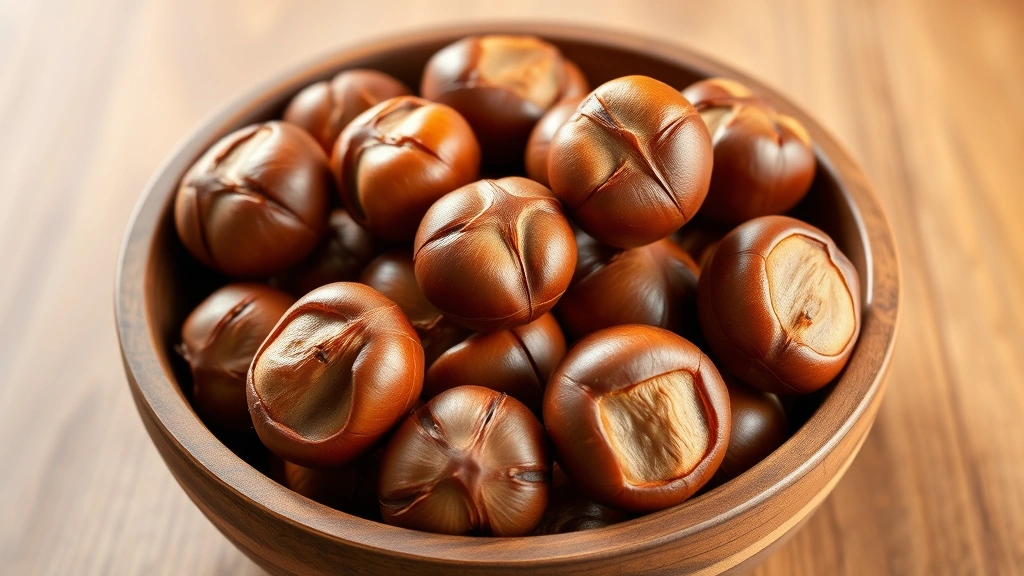
Learning how to cook chestnuts transforms these sweet, buttery nuts from a holiday novelty into a year-round kitchen staple. Whether you’re roasting them over an open flame, boiling them for soup, or baking them in the oven, chestnuts deserve a spot in your cooking repertoire. Unlike other nuts, chestnuts are lower in fat, higher in carbs, and have a completely different flavor profile that makes them worth mastering.
Table of Contents
Choosing Fresh Chestnuts
Start with quality nuts, and you’re halfway to success. When selecting chestnuts, look for firm ones without soft spots or visible mold. The shell should feel heavy for its size—that weight means the nut inside hasn’t dried out. Avoid any with cracks or holes, which indicate insect damage or mold inside. Fresh chestnuts are typically available September through February, with peak season hitting November and December.
Store raw chestnuts in the refrigerator if you’re not cooking them immediately. They’ll keep for about two weeks in a perforated bag, allowing air circulation. If you find yourself with more than you can use, you can freeze raw chestnuts for several months. Just place them in a freezer bag and they’ll be ready whenever inspiration strikes.
Roasting in the Oven
Oven roasting is the most reliable method for how to cook chestnuts consistently. Preheat your oven to 400°F (200°C). While it heats, prepare your chestnuts by scoring them. Using a sharp knife, cut an X into the flat side of each nut—this prevents them from exploding and makes peeling easier later. Make sure your X cuts through the shell but not too deep into the nut itself.
Spread scored chestnuts on a baking sheet in a single layer. You can add a light spray of water to help with steam generation, which aids the cooking process. Roast for 20-30 minutes, shaking the pan halfway through. You’ll know they’re done when the shell starts to peel back at the X cuts and the nuts smell sweet and nutty. The flesh inside should feel soft when pressed with a kitchen towel.
Remove from the oven and let them cool for about 5 minutes—just long enough to handle comfortably. Peel while still warm; the shell and inner skin come off much more easily when there’s residual heat. If any cool down too much, pop them back in the oven for a minute to warm up again.
Open Flame Roasting Method
This is the classic approach—roasting chestnuts over an open fire. You’ll need a special chestnut roasting pan with holes, or you can fashion one from aluminum foil. Score your chestnuts the same way as the oven method. Place them in your roasting pan and hold it about 6 inches above the flame, rotating it every minute or two to ensure even cooking.
The whole process takes about 15-20 minutes. Listen for a subtle popping sound—that’s steam escaping and a sign they’re nearly done. You want the shell to become slightly charred in places, which adds a smoky depth to the flavor. This method requires attention and patience, but the results are worth it for that authentic, holiday-season taste.
If you’re using a fireplace, position your pan on a trivet or grate to keep it at the right distance from the coals. For a campfire, use a long-handled roasting basket or improvise with a wire mesh screen attached to a stick.
Boiling Chestnuts Properly
Boiling works well when you want softer chestnuts for purees or soups. Fill a large pot with water and bring it to a rolling boil. Score your chestnuts and add them to the boiling water. They’ll need 15-30 minutes depending on size. You can test doneness by piercing one with a fork—the flesh should yield easily.
This method is gentler than roasting and produces a slightly different texture. Many cooks prefer boiling when making chestnut soup or when planning to use them in slow cooker recipes. The boiling water softens the inner skin, making it easier to remove completely. Drain the chestnuts and peel while warm, just as with roasting.
For extra flavor, add aromatics to your boiling water—a splash of apple cider vinegar, a bay leaf, or even a star anise can infuse subtle notes into your chestnuts. This is especially useful if you’re planning to use them in savory dishes.
Air Fryer Quick Method
If you own an air fryer, you’ve got the fastest path to perfectly cooked chestnuts. Score your nuts and place them in the basket in a single layer. Set the temperature to 380°F (193°C) and cook for 12-15 minutes, shaking the basket halfway through. The air fryer’s circulating heat cooks them evenly and quickly, and the smaller space means you’ll get better browning.
The advantage here is speed—you’re looking at under 20 minutes from start to finish. The disadvantage is capacity; air fryers typically handle smaller batches. This method works great if you’re cooking for two or three people or want a quick snack. The results are virtually identical to oven roasting, just faster.
Peeling Techniques
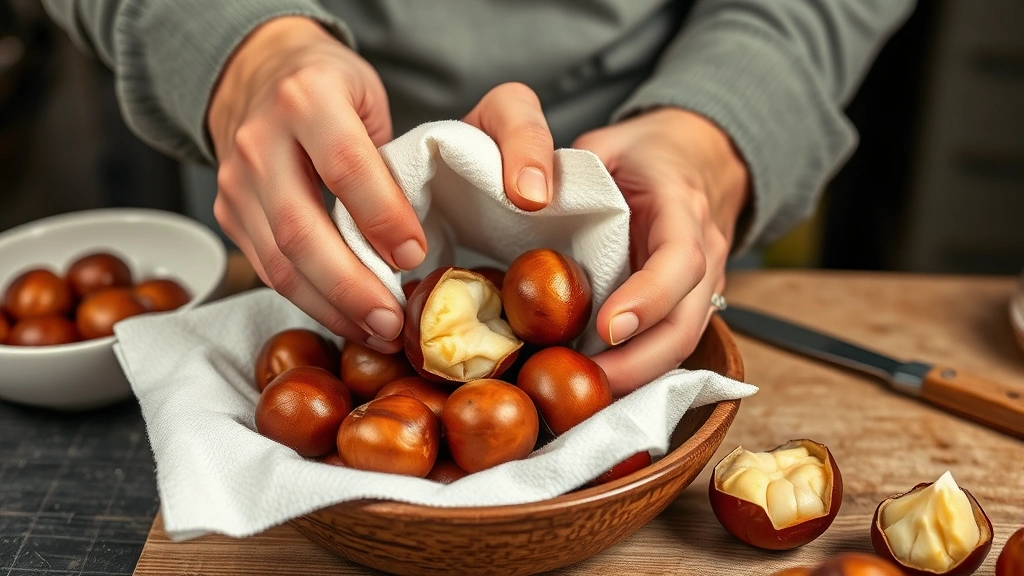
The X-shaped cut you made before cooking allows the shell to peel back naturally. Using a kitchen towel or paper towel to grip the shell (it’ll be hot), peel away the hard outer shell. You’ll notice a thin, papery inner skin underneath. This needs to come off too, as it’s bitter and unpleasant.
For stubborn inner skins, try this trick: place peeled chestnuts back on a warm baking sheet for a minute, then rub them with the towel. The heat softens the skin just enough to release it. Some people blanch peeled chestnuts briefly in hot water to loosen the inner skin further. Patience here pays off—you don’t want pieces of bitter skin in your finished dish.
If you’re processing a large batch, work in sections. Keep cooked chestnuts warm in a covered bowl so they stay pliable. Cold chestnuts become stubborn and crack rather than peel cleanly.
Flavor Variations & Seasonings
Plain roasted chestnuts are wonderful, but there’s room for creativity. Try tossing warm roasted chestnuts with melted butter and sea salt for a simple upgrade. For something more adventurous, create a custom seasoning blend and dust the nuts while they’re still warm.
Rosemary and garlic make an excellent pairing—toss warm chestnuts with these aromatics and a touch of olive oil. Cinnamon and nutmeg work beautifully for a sweeter application, perfect as a snack or dessert component. If you’re making Cajun-inspired dishes, a light dusting of Cajun spice on warm chestnuts creates an interesting fusion appetizer.
For soup applications, cook your chestnuts plain and let the broth provide the seasoning. This gives you flexibility and prevents overpowering the delicate chestnut flavor. Many traditional recipes call for a simple approach—just salt and perhaps a whisper of white pepper.
Storage and Shelf Life
Cooked chestnuts keep in the refrigerator for about a week in an airtight container. They’re best eaten within the first few days when the texture is most pleasant. For longer storage, freeze cooked and peeled chestnuts in freezer bags for up to three months. They thaw quickly and work well in cooked dishes, though the texture changes slightly.
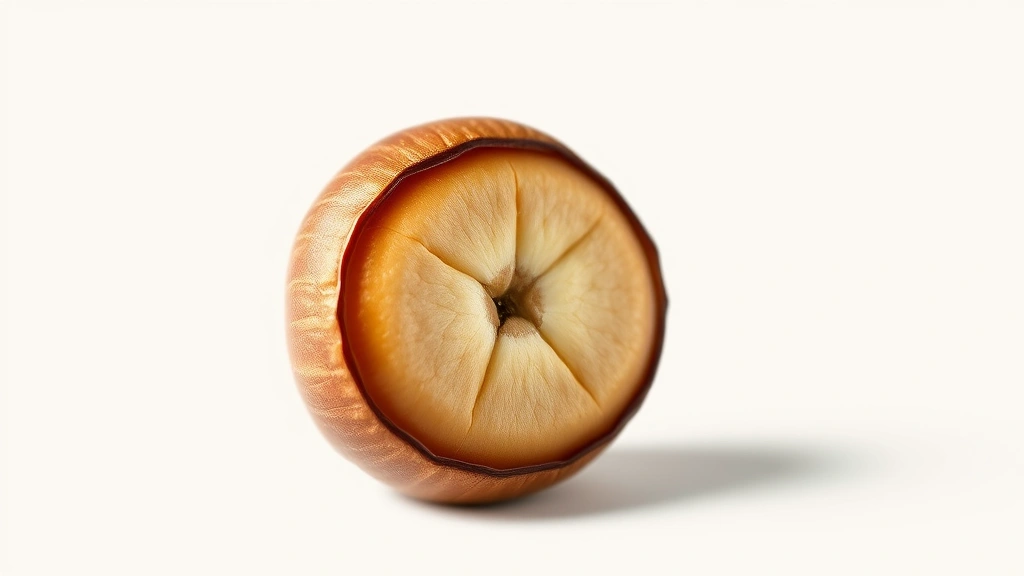
If you want to preserve nuts like you would other preserved foods, you can also dry roasted chestnuts further in a low oven (250°F) for several hours until they’re completely crispy. Store these in an airtight container and they’ll last several weeks. This method concentrates the flavor but changes the texture significantly.
Raw chestnuts in their shells keep longest. Store them in a cool, humid place—a root cellar is ideal, but the vegetable crisper in your fridge works fine too. Check occasionally for mold and remove any affected nuts to prevent spread.
Frequently Asked Questions
Can you eat chestnuts raw?
Technically yes, but they’re not pleasant raw. Raw chestnuts are starchy, bland, and have a slightly bitter inner skin. Cooking transforms them into something genuinely delicious. The heat develops their natural sweetness and softens the texture to something creamy and pleasant.
Why do my chestnuts split open when cooking?
This happens when you skip the scoring step or don’t score deeply enough. The moisture inside turns to steam, and without an escape route, pressure builds until the shell explodes. Always make that X cut before any cooking method. If you’re still having issues, score a bit deeper—you just need to cut through the shell, not into the nut meat significantly.
What’s the difference between chestnuts and other nuts?
Chestnuts are unique because they’re much lower in fat and higher in carbohydrates than almonds, walnuts, or pecans. This gives them a different nutritional profile and a starchy, slightly sweet flavor. They’re also the only nut traditionally roasted and eaten as a snack in Western culture.
How do I know when chestnuts are fully cooked?
The flesh inside should be soft and creamy, similar to a soft-boiled potato. When you pierce one with a fork, there should be no resistance. The shell will also start peeling back at your X cut. If in doubt, cook a bit longer—overcooked chestnuts just get softer; undercooked ones are starchy and unpleasant.
Can I use microwave or steam methods for chestnuts?
Microwaving isn’t recommended—the results are inconsistent and they often explode. Steaming works but takes longer than boiling and doesn’t produce better results. Stick with roasting, boiling, or air frying for best outcomes.
Are chestnuts safe for people with nut allergies?
Chestnuts are botanically different from tree nuts, and many people with tree nut allergies can eat them safely. However, allergies are individual, and cross-contamination can occur during processing. Always consult with a doctor before introducing chestnuts to someone with a nut allergy.
Final Thoughts
Mastering how to cook chestnuts opens up a whole category of cooking possibilities. Whether you’re making a traditional holiday side dish, creating a velvety soup, or simply enjoying them as a warm snack, the techniques here will serve you well. Start with the oven method if you’re new to cooking chestnuts—it’s forgiving and produces consistent results. Once you’re comfortable, experiment with open flame roasting for that authentic, smoky flavor, or try the air fryer when you’re in a hurry.
The key to success is always the same: score before cooking, keep them warm while peeling, and don’t rush the process. Your effort will be rewarded with nuts that taste nothing like the bland, raw version you started with. Keep a recipe book handy to jot down your favorite preparations, and you’ll find yourself reaching for chestnuts season after season.


