
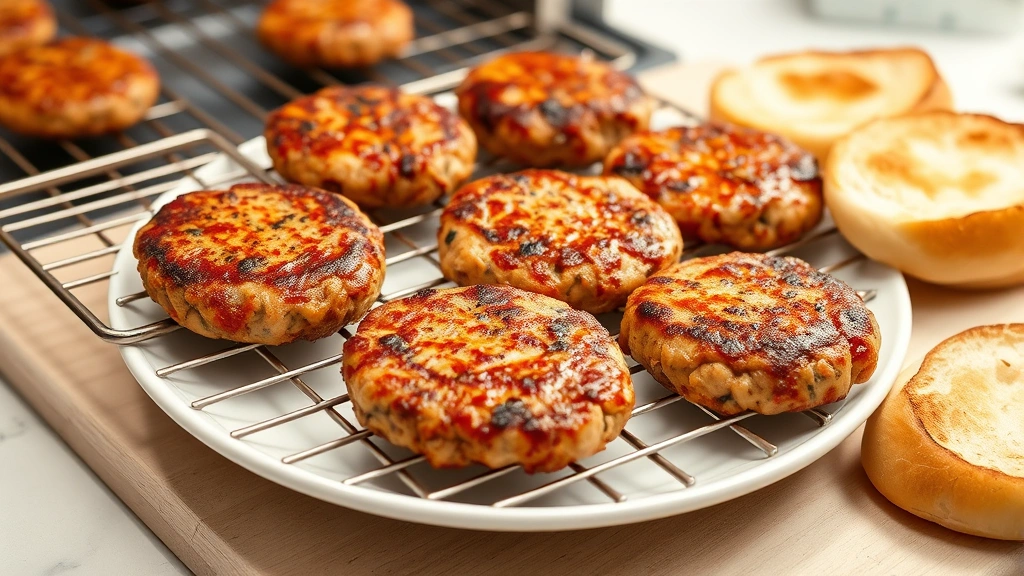
Learning how to cook burgers in the oven is a game-changer for anyone who wants juicy, evenly-cooked patties without firing up the grill or babysitting a skillet. Whether you’re feeding a crowd, dealing with bad weather, or just want a hands-off cooking method, oven-baked burgers deliver consistent results every single time. I’ve tested this method dozens of times, and the secret comes down to temperature control, proper preparation, and knowing exactly when to pull them out.
Table of Contents
Why Oven-Baked Burgers Work
The oven creates an even, consistent heat environment that cooks burgers uniformly from all sides. Unlike a grill with hot spots or a skillet that requires constant flipping, your oven maintains steady temperature throughout the cooking process. This means less moisture loss and more consistent doneness across all your patties. You’re also freeing up stovetop real estate and your hands—perfect when you’re cooking for 8 people instead of just 2.
The dry heat of the oven also helps develop a light crust on the outside while keeping the inside tender and juicy. It’s the same principle that makes how long to bake chicken wings work so well. Plus, cleanup is minimal since you’re using a baking sheet instead of multiple pans.
Choosing the Right Ground Beef
Not all ground beef is created equal. For oven burgers, you want an 80/20 blend (80% lean, 20% fat). This ratio gives you enough fat for flavor and juiciness without creating a greasy mess. If you go too lean (90/10), your burgers turn into hockey pucks. Too fatty (70/30), and you’ll have grease pooling on your baking sheet.
Buy your ground beef the day you plan to cook, or freeze it immediately if buying in advance. Look for bright red color and avoid packages with excess liquid. Ask your butcher to grind it fresh if possible—it makes a noticeable difference in texture and flavor. Freshly ground meat holds together better and cooks more evenly than pre-packaged options that have been sitting under fluorescent lights.
Prepping Your Burger Patties
This step separates mediocre burgers from exceptional ones. Start with cold ground beef straight from the fridge. Cold meat is easier to handle and forms better patties. Using your hands (or a burger press), gently form patties about 3/4-inch thick and roughly 3.5 inches in diameter. Don’t overwork the meat—excessive handling makes burgers dense and tough.
Here’s the pro move: make a small thumbprint indent in the center of each patty with your thumb. This prevents the burger from puffing up in the middle during cooking, ensuring even thickness and consistent doneness. Season each patty generously with salt and pepper just before cooking—seasoning too early draws out moisture and toughens the meat.
If you’re meal prepping, you can form patties up to 24 hours ahead. Stack them between parchment paper and refrigerate. Cold patties cook more evenly and hold their shape better than room-temperature ones.
Setting Up Your Oven
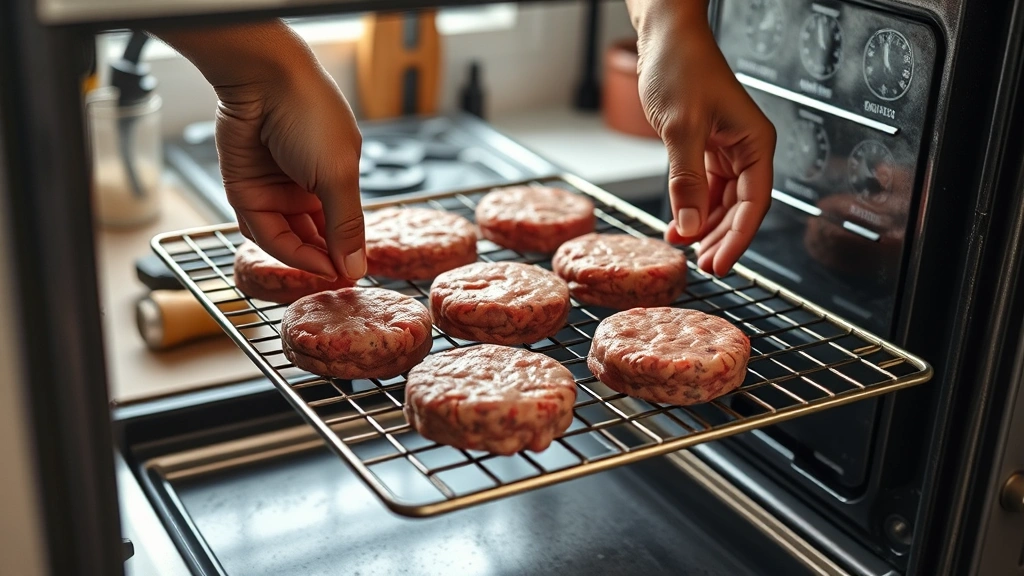
Preheat your oven to 400°F. This temperature is hot enough to cook burgers through in about 12-15 minutes while developing a light crust. Line a baking sheet with aluminum foil for easy cleanup, then place a wire rack on top. The rack elevates the patties, allowing heat to circulate underneath and preventing them from sitting in their own juices.
If you don’t have a wire rack, you can use a slotted baking sheet or even poke holes in the foil, but a rack truly gives you the best results. The elevated position mimics the sear you’d get from a grill grate, creating better browning and texture.
Let your oven preheat fully—about 10-15 minutes. Use an oven thermometer if you’re uncertain about accuracy. Many home ovens run hot or cold, and this small investment prevents cooking disasters.
The Cooking Process Explained
Place your seasoned patties directly on the preheated rack, spacing them about an inch apart. They’ll cook for 12-15 minutes depending on thickness and your oven’s actual temperature. For medium doneness (160°F internal temperature), aim for the 12-13 minute mark. Medium-rare (155°F) needs about 11-12 minutes.
Don’t flip the patties—this is the beauty of oven cooking. Just let them sit and cook undisturbed. The consistent heat from above and below does all the work. You can check on them around the 10-minute mark if you’re nervous, but resist the urge to flip or poke them.
While your burgers cook, you can toast your buns. Spread a thin layer of butter on the cut sides and place them on a separate oven rack for the last 2-3 minutes of cooking. They’ll emerge golden and crispy, ready for toppings. This timing coordination is similar to the planning required when how long to cook chuck roast in oven demands attention to multiple elements.
Checking Doneness Levels
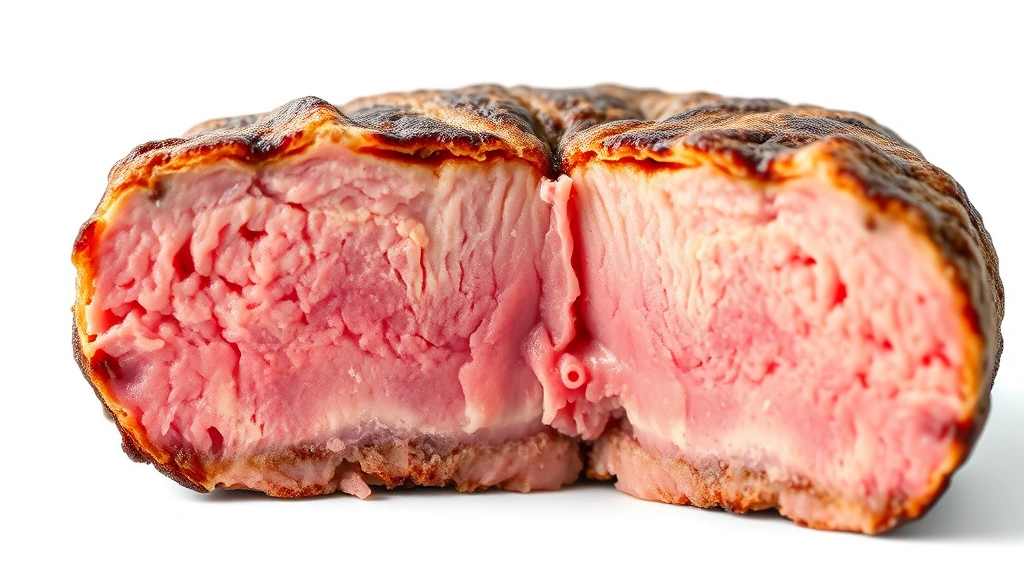
Use an instant-read meat thermometer inserted horizontally into the thickest part of a patty (without touching the rack). Don’t insert it from the top—go in from the side for an accurate reading. Safe internal temperatures are: 160°F for well-done, 155°F for medium, and 150°F for medium-rare. Ground beef should reach at least 160°F for food safety.
If you don’t have a thermometer, the touch method works in a pinch. Rare feels soft like the fleshy area between your thumb and index finger when relaxed. Medium feels firmer, like when you touch your thumb to your middle finger. Well-done feels quite firm.
Remember that carryover cooking continues for 2-3 minutes after removal from the oven. Pull your burgers out 2-3 degrees before your target temperature. A 158°F patty will reach 160°F while resting.
Finishing Touches & Toppings
Let your cooked burgers rest for 2-3 minutes on a clean plate before assembling. This allows juices to redistribute throughout the meat instead of running out onto your bun. Add cheese during the last minute of cooking if desired—place a slice on each patty and let it melt in the residual heat.
Build your burgers on those toasted buns with your favorite toppings. Classic combinations work best: lettuce, tomato, onion, pickles, and condiments. If you’re looking for inspiration beyond basic toppings, check out healthy dinner recipes for 2 for creative burger variations and accompaniments.
Fresh, quality toppings make a huge difference. Slice tomatoes thick, use crisp lettuce, and don’t skimp on the condiments. A good burger deserves good toppings.
Troubleshooting Common Issues
Burgers are dry: You likely overcooked them or used meat that was too lean. Stick to 80/20 blend and pull them at 155-160°F, not higher.
Burgers are unevenly cooked: Your oven may have hot spots. Rotate the baking sheet halfway through cooking. Also, ensure all patties are the same thickness.
Burgers are pale and lack browning: Your oven temperature might be running low. Use an oven thermometer and increase to 425°F if needed. You can also broil for the last 1-2 minutes for additional browning.
Patties fall apart: You’re either overworking the meat when forming patties or your meat is too lean. Handle gently and use 80/20 blend. Also, don’t skip the thumbprint indent.
Uneven cooking with size variation: Form all patties to the same thickness using a burger press or scale. Consistency is key. If you’re cooking for a crowd with different preferences, separate patties by desired doneness and cook them in batches if needed.
For more oven cooking mastery, check out our guide on how long to cook bone in turkey breast in oven to understand temperature principles across different proteins.
Frequently Asked Questions
Can I cook frozen burger patties in the oven?
Yes, but thaw them first for best results. Frozen patties take 18-20 minutes and cook unevenly. If you’re in a pinch, add 5-7 minutes to the standard cooking time, but thawing overnight in the fridge is worth the planning.
What’s the best way to make burger patties ahead of time?
Form patties, stack them between parchment paper, and refrigerate for up to 24 hours or freeze for up to 3 months. Thaw frozen patties in the fridge before cooking. Cold patties cook more evenly than room-temperature ones.
Should I use a baking sheet with holes or a regular one?
A wire rack elevated above the baking sheet is ideal, but a slotted baking sheet works. Avoid solid baking sheets where patties sit in grease. The elevation allows heat circulation and prevents soggy bottoms.
Can I cook burgers at a different temperature?
You can adjust between 375-425°F. Lower temperatures (375°F) take 16-18 minutes but cook more gently. Higher temperatures (425°F) take 10-12 minutes and create more browning. Stick to 400°F as your reliable baseline.
How do I add a grill-like crust to oven burgers?
Broil for the last 1-2 minutes on high. This creates charring and a crust similar to grilling. Watch carefully—it happens fast. You can also sear patties in a hot skillet for 30 seconds per side before baking for extra crust development.
Is oven cooking better than grilling?
Different methods, different benefits. Ovens offer consistency and convenience. Grills offer flavor and char. For a crowd, bad weather, or weeknight cooking, ovens win. For special occasions and flavor maximization, grills excel. Try both and decide based on your situation.
Final Thoughts on Oven Burgers
Mastering how to cook burgers in the oven gives you a reliable, repeatable method that produces consistently juicy, perfectly cooked patties every time. The key elements are simple: 400°F oven, 80/20 ground beef, proper seasoning, and a thermometer for doneness checking. No flipping, minimal supervision, and no excuses about uneven cooking.
Start with this method for your next burger night, and you’ll understand why so many home cooks have abandoned their grills for the predictable, hands-off convenience of oven cooking. Once you nail the basics, you can experiment with marinades, seasonings, and toppings. But the foundation—the actual cooking process—is rock solid and worth mastering.
For more cooking inspiration that pairs well with burgers, explore fajita marinade recipe ideas for your next cookout, or check out how long to cook burgers on grill if you want to compare grilling times and techniques.


