
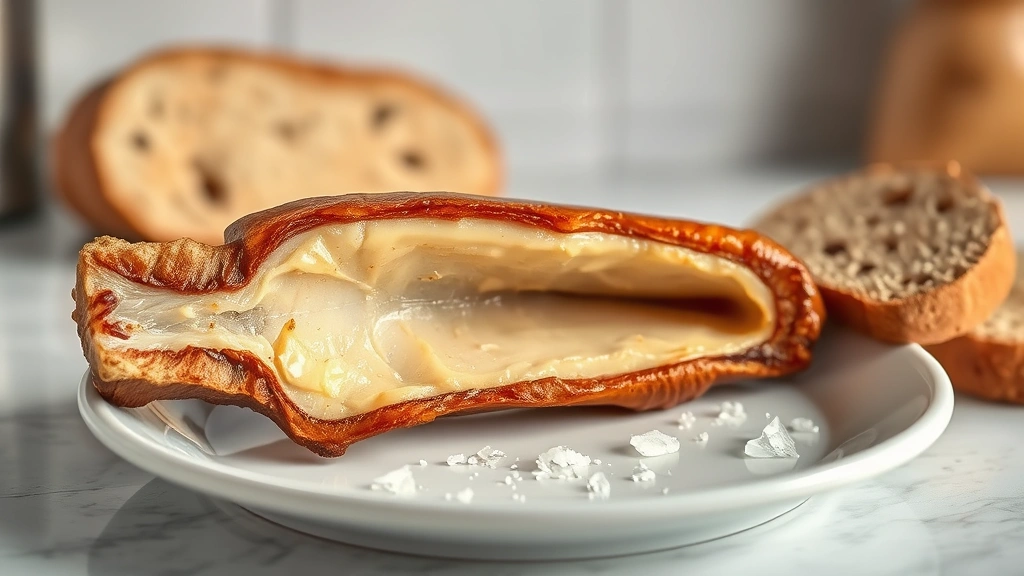
Learning how to cook bone marrow is one of those skills that sounds fancy but is honestly dead simple—and once you taste it, you’ll understand why chefs have been obsessed with it for centuries. This rich, buttery delicacy comes straight from the center of beef bones, and with just a few basic techniques, you can extract and prepare it like a pro in your own kitchen.
Table of Contents
Roasting Bone Marrow
Roasting is the gold standard for cooking bone marrow at home, and it’s the method I recommend starting with. The dry heat brings out the natural flavors and creates a beautiful caramelized exterior while keeping the interior creamy and tender. Here’s what you need to know: preheat your oven to 450°F, arrange your marrow bones cut-side up on a baking sheet lined with foil, and roast for 12-15 minutes. The marrow should be soft enough to scoop out easily but not liquefied. If you’re working with larger beef femurs, add another 3-5 minutes to the cooking time. The beauty of roasting is that it requires minimal effort—no babysitting, no complicated steps, just heat and time.
Boiling for Extraction
If you want to extract marrow for use in stocks, soups, or sauces, boiling is your method. This technique is similar to how long to boil chicken, but with bones instead. Place your bones in a large pot, cover with cold water, and bring to a boil. Once boiling, reduce heat and simmer for 20-30 minutes. The marrow will begin to separate from the bone and rise to the surface. You can skim it off with a spoon, or let it cool and harden on top of the broth for easier removal. This method yields liquid marrow fat that’s perfect for cooking or enriching broths. Many home cooks use this extracted marrow the same way they’d use how to boil chicken breasts—as a base for other dishes that need richness and depth.
Grilling Bone Marrow
For summer cooking or when you want that smoky, charred flavor, grilling bone marrow is outstanding. Heat your grill to high heat and place marrow bones cut-side down directly on the grates for 8-10 minutes. You’ll see the marrow start to bubble and the exterior develop char marks. Flip the bones and grill the other side for another 2-3 minutes. The direct heat creates a caramelized crust while the interior stays creamy. This approach mirrors techniques you’d use for how long to boil crab legs in terms of timing precision—you want to nail that sweet spot between raw and overdone. The grilled version pairs beautifully with crusty bread and sea salt.
Selecting the Right Bones
Not all bones are created equal. You want beef marrow bones, specifically femurs (leg bones) or knuckle bones from the butcher. Ask your butcher to split them lengthwise—this is crucial because it exposes the marrow and makes it accessible. Look for bones that are pale pink inside with creamy-white marrow. If the marrow looks gray or dark, it’s old and you should skip it. A good rule of thumb: buy from a butcher you trust rather than pre-packaged bones from the supermarket. Fresh bones should smell pleasant and beefy, never sour. Plan on 2-3 bones per person as a starter course. The size matters too—bones that are 3-4 inches long and 2 inches in diameter are ideal for home cooking.
Seasoning and Flavors
Bone marrow is rich enough that it doesn’t need much seasoning, but the right additions elevate it significantly. Fleur de sel (finishing salt) and cracked black pepper are the classic pairing—simple, elegant, and lets the marrow shine. If you want to get creative, try finishing with fresh herbs like parsley or thyme, a squeeze of lemon juice, or a touch of garlic. Some cooks add a pinch of smoked paprika for depth. The key is restraint—you’re enhancing, not masking. One trick I use is toasting the bones at 400°F for 5 minutes before the final cooking stage; this develops deeper flavors without overcooking the marrow itself. Think of seasoning bone marrow like you would boiling crab recipe preparations—the focus is on letting quality ingredients speak for themselves.
Serving Suggestions
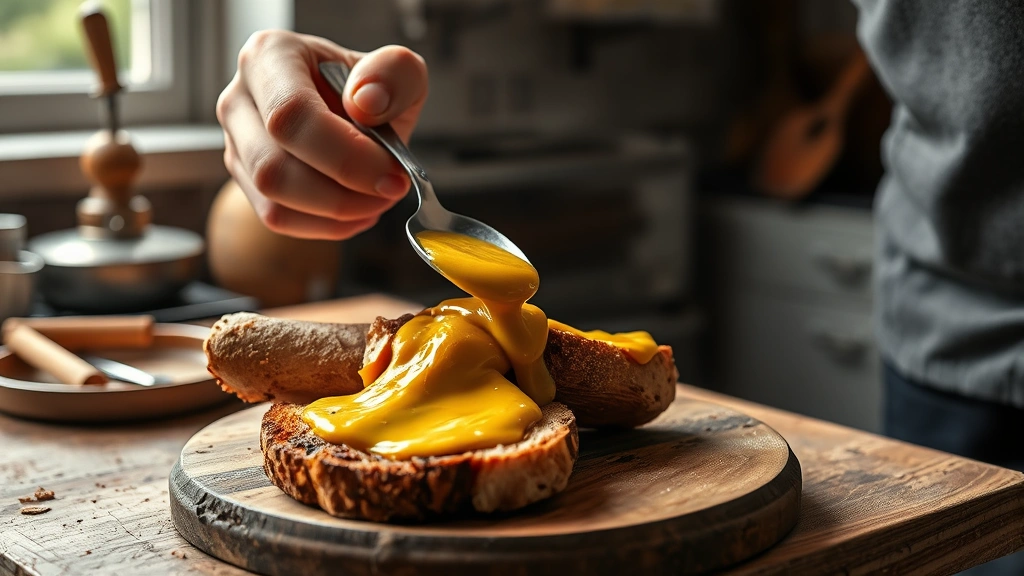
The most classic way to serve roasted bone marrow is on thick-cut toast or crusty bread. Spread the warm marrow on the bread like butter, add a pinch of salt, and eat it immediately while it’s still warm and creamy. Restaurants often serve it with a small spoon for scooping and crusty bread for spreading. You can also spoon marrow into soups for richness, crumble it over steaks, or use it as a finishing element on roasted vegetables. Some adventurous cooks make bone marrow flan or incorporate it into pie crusts. The versatility is surprising—once you understand the basics, you’ll find endless applications. Pair it with a nice red wine or a crisp white, depending on your preparation style.
Storage and Shelf Life
Raw marrow bones keep in the refrigerator for 3-4 days and freeze beautifully for up to 6 months. Cooked bone marrow should be eaten immediately for best texture and flavor, though you can store it in an airtight container for 2-3 days if needed—just reheat gently. If you’ve extracted marrow fat from boiling, it solidifies as it cools and keeps refrigerated for up to a week, or frozen for several months. This rendered fat is liquid gold for cooking—use it for roasting vegetables, making pastry, or enriching sauces. Never leave cooked marrow at room temperature for more than 2 hours. The rendered marrow fat can go rancid if stored improperly, so keep it sealed and cool.
Common Cooking Mistakes
The biggest mistake people make is overcooking the marrow. You want it soft and spreadable, not completely liquid or, worse, starting to brown and separate. Another common error is not asking the butcher to split the bones—trying to split them yourself at home is frustrating and dangerous. Don’t skip the salt; marrow is rich and needs seasoning to taste its best. Some home cooks try to cook marrow in water like how long to cook a pork loin in the oven, but that’s not ideal—dry heat methods work far better. Finally, don’t buy marrow bones from questionable sources. Quality matters here because you’re eating the innermost part of the bone, and you want to know your meat comes from a reputable place. Temperature control is your friend; use an oven thermometer to ensure accuracy.
Frequently Asked Questions
How long does bone marrow take to cook?
Roasting takes 12-15 minutes at 450°F for standard split bones. Boiling for extraction takes 20-30 minutes. Grilling takes 10-13 minutes total. Cooking time varies based on bone size and thickness, so check for the creamy, soft texture that indicates doneness rather than relying solely on time.
Is bone marrow safe to eat?
Yes, bone marrow is completely safe when sourced from reputable butchers and cooked properly. It’s nutrient-dense and has been eaten for thousands of years. Make sure bones are fresh and haven’t been frozen for extended periods. Always cook to proper temperatures to eliminate any pathogens.
Can you eat bone marrow raw?
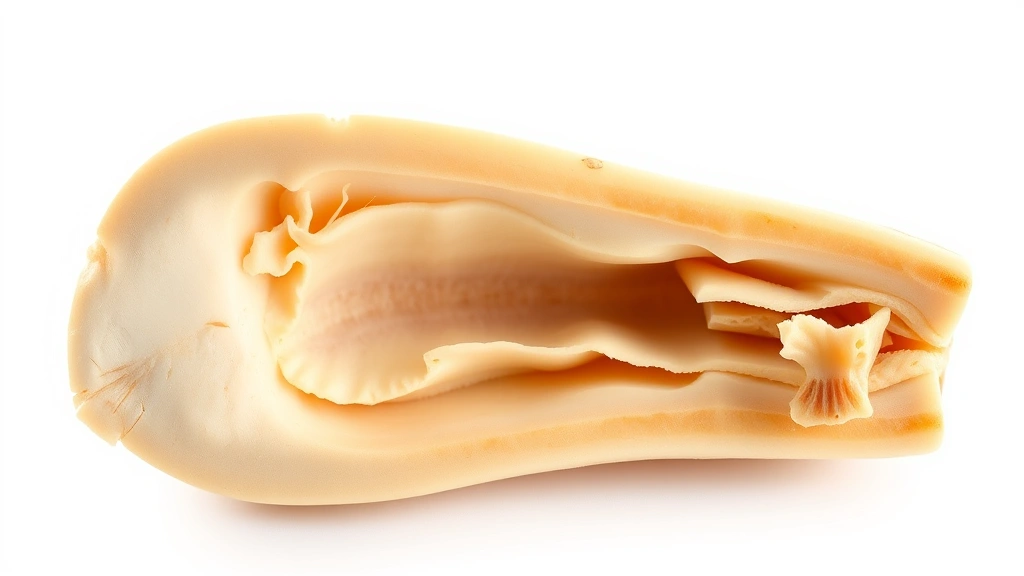
Raw bone marrow from high-quality, fresh sources can be eaten, but it’s not recommended for most home cooks. Cooking eliminates potential food safety risks. If you’re interested in raw marrow, source it from a trusted butcher who specializes in high-quality, grass-fed beef.
What does bone marrow taste like?
Bone marrow tastes rich, buttery, and deeply savory with a slight mineral note. It has a creamy texture and melts on your tongue. The flavor is subtle and elegant—not gamey or strong. Many people compare it to the richest butter you’ve ever tasted, with added umami depth.
What bones are best for marrow?
Beef femur bones (leg bones) are the gold standard, offering the most marrow and the best flavor. Knuckle bones and shank bones also work well. Ask your butcher for marrow bones specifically—they’ll know exactly what you need and can split them for you.
Can you cook bone marrow in a slow cooker?
Slow cooking isn’t ideal for bone marrow because the prolonged heat and moisture can break down the marrow’s structure and make it greasy rather than creamy. Stick with roasting, boiling, or grilling for best results. If you must use a slow cooker, keep it on high for just 30-45 minutes maximum.
Final Thoughts
Learning how to cook bone marrow opens up a whole new dimension in your cooking. It’s an accessible luxury that tastes restaurant-quality but costs just a few dollars. Start with roasting—it’s foolproof and delivers consistently excellent results. Once you nail that technique, experiment with grilling or boiling methods. The skills transfer easily, and you’ll develop an intuition for when the marrow is perfectly cooked. Bone marrow isn’t pretentious or complicated; it’s honest food that celebrates quality ingredients and simple technique. Your next dinner guests will be impressed, your taste buds will thank you, and you’ll wonder why you didn’t discover this sooner.


