
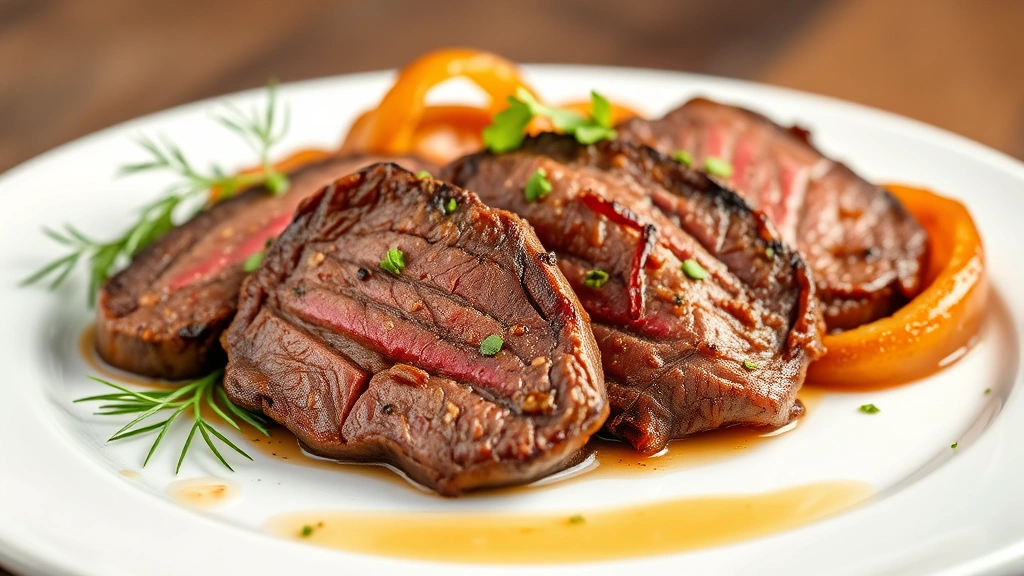
Learning how to cook beef liver is one of those kitchen skills that separates home cooks who play it safe from those who really know their way around a pan. Beef liver gets a bad rap, mostly because people overcook it into rubber or don’t know how to mask its strong flavor. But here’s the truth: when you treat it right, beef liver becomes tender, rich, and genuinely delicious. I’m going to walk you through exactly what I’ve learned from years of cooking this nutrient-packed organ meat.
Table of Contents
Selecting Quality Liver
Start at the source. The quality of beef liver you buy determines everything that comes after. Look for liver that’s a deep reddish-brown color—not pale, not grayish. That color tells you it’s fresh and properly stored. I always ask my butcher for calf liver if available, since it’s milder and more tender than mature beef liver. If you’re buying from the supermarket, check the date and smell it (yes, really). Fresh liver should smell slightly metallic and clean, not ammonia-like.
Thickness matters too. Aim for slices about 1/4 to 1/2 inch thick. Too thin and it dries out instantly. Too thick and you’ll struggle to cook it through without overcooking the outside. A good butcher will slice it to order, which beats pre-packaged every time.
Prep Work Matters
Once home, pat your liver dry with paper towels. Moisture is the enemy of a good sear. While it’s drying, grab a small cutting board and remove any visible membranes or tough connective tissue. Use a sharp knife and just peel them away—they’ll toughen up during cooking and ruin the texture. This takes two minutes but makes a real difference.
Don’t skip this step. I learned the hard way after serving liver with chewy bits my family wouldn’t touch.
Soaking Reduces Intensity
Here’s the secret weapon most home cooks don’t know about: soaking. If you find beef liver’s flavor too intense, soak the slices in milk for 30 minutes to 2 hours. The milk neutralizes the iron-heavy taste and tenderizes the meat slightly. I do this every time, even when I’m not worried about the flavor—it’s just good practice.
After soaking, drain it well and pat dry again. Don’t skip the drying step or your sear will suffer. The milk residue will steam instead of searing. If you’re short on time, even 15 minutes helps.
Seasoning Strategies
Season generously with salt and pepper right before cooking. I use kosher salt because it dissolves better than table salt. Don’t be shy—beef liver can handle bold seasoning. Some people add garlic powder or paprika, which I like, but keep it simple at first so you can taste what you’re working with.
If you want more complexity, consider a sauce. Adobo sauce recipe works beautifully with liver, adding depth without overwhelming it. Chinese brown sauce recipe is another solid choice that complements the rich, mineral notes of the meat perfectly.
Pan Searing Technique
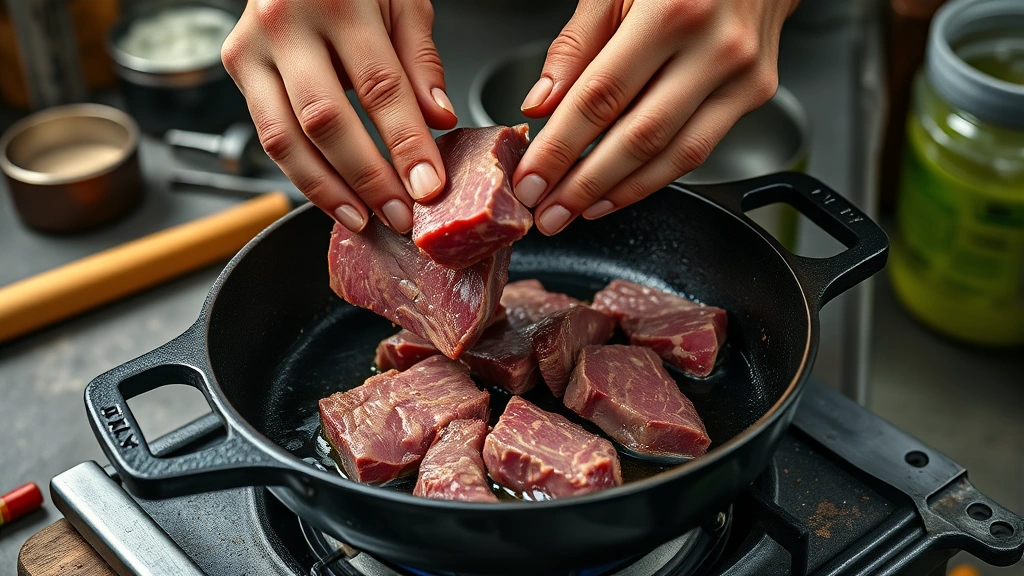
Use a cast iron or stainless steel skillet—not non-stick. You need that direct contact with heat to build a proper crust. Heat your pan over medium-high heat for 2-3 minutes. You want it hot, but not smoking. Add a neutral oil with a high smoke point (vegetable, canola, or avocado oil work great).
Once the oil shimmers, place your liver slices in the pan. Don’t crowd the pan—work in batches if needed. Leave them alone for 3-4 minutes. Resist the urge to flip or move them around. That’s when the magic happens: the Maillard reaction creates a flavorful crust.
Cooking Temperature Control
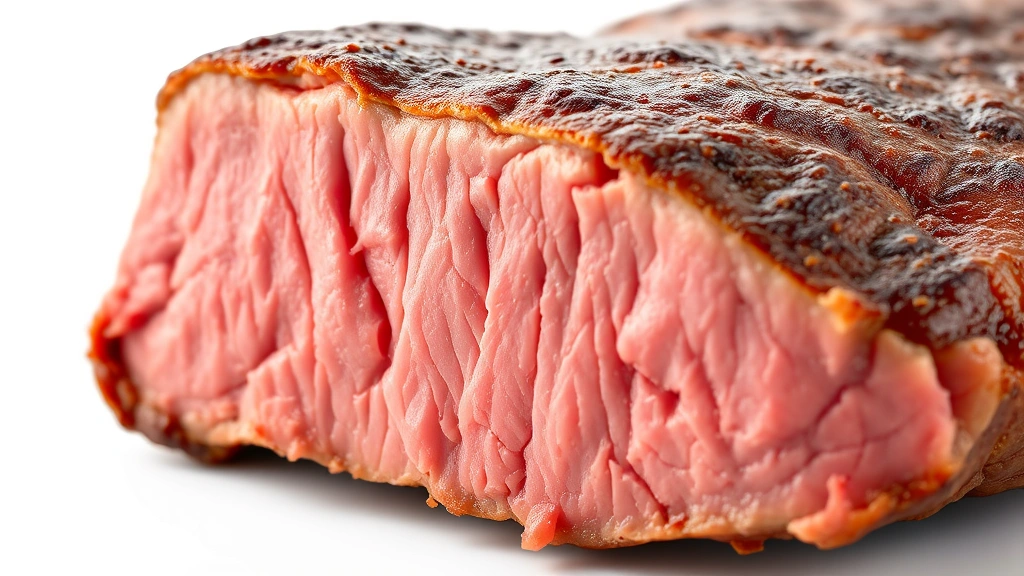
Flip once, and cook the other side for 2-3 minutes. This is critical: beef liver should be cooked to medium or medium-rare, with a slight blush of pink in the center. Use an instant-read thermometer if you’re unsure—aim for 160°F internal temperature. Overcooked liver becomes grainy and tough. Undercooked is fine if you trust your source, but I stick to medium for safety.
The entire cook time is about 6-8 minutes total. It happens fast. Set a timer if you’re new to this.
Sauce Pairings
A sauce elevates beef liver from good to restaurant-quality. While the liver rests, make a quick pan sauce by deglazing with beef broth and a splash of vinegar. Or go with the sauces I mentioned earlier. Easy gumbo recipe actually works as a complete meal with liver as the protein—it’s unconventional but delicious.
Fresh herbs help too. Cilantro how to chop guides show how to add brightness right before serving. Cilantro, parsley, or chives all cut through the richness nicely.
Common Mistakes
The biggest mistake? Cooking it too long. People think organ meat needs extra time. It doesn’t. You’ll end up with something tough and unpleasant. Second mistake: not seasoning enough. Beef liver is mild compared to what people expect, so it needs bold seasoning to shine.
Third: skipping the soak if you’re sensitive to strong flavors. That milk soak genuinely helps, and there’s no shame in using it. Fourth: cooking from cold. Always bring liver to room temperature for 15 minutes before cooking—it ensures even cooking throughout.
Resting and Serving
After cooking, transfer your liver to a warm plate and let it rest for 5 minutes. This keeps the juices from running out when you cut into it. Serve immediately with your sauce of choice and some sides. Caramelized onions are traditional and perfect. Mashed potatoes or rice work great too. Air fried tofu recipe makes an interesting vegetable-based side if you want something lighter.
Frequently Asked Questions
How do I know when beef liver is done?
Beef liver is done when it reaches 160°F internally or when it has a slight pink blush in the center. Use an instant-read thermometer for accuracy. The meat should be firm but not hard or rubbery.
Can I cook beef liver ahead of time?
Yes, but it’s best served fresh. You can cook it up to 4 hours ahead and reheat gently in a low oven (250°F) with a sauce to prevent drying. Store in an airtight container in the fridge for up to 3 days.
What’s the difference between calf liver and beef liver?
Calf liver comes from younger animals and is milder, more tender, and slightly sweeter. Beef liver is stronger in flavor and slightly tougher. Both cook the same way, but calf liver is more forgiving and better for beginners.
Why is my beef liver tough?
Overcooking is the main culprit. Liver dries out fast once it passes medium. Other reasons include not removing membranes, not soaking it, or using poor-quality liver. Always use a thermometer to avoid guessing.
Is beef liver safe to eat?
Yes, when cooked to 160°F internal temperature. Beef liver is actually incredibly nutritious—packed with iron, B vitamins, and protein. Buy from reputable sources and cook properly for safety.
What sides pair well with beef liver?
Caramelized onions are traditional. Mashed potatoes, rice, roasted vegetables, and fresh greens all work well. The richness of liver pairs beautifully with acidic sides like pickled vegetables or a bright salad.
Final Thought: How to cook beef liver isn’t as intimidating as it sounds once you understand the basics. The key is respecting the meat—don’t overcook it, season boldly, and use a good sauce. Start with calf liver if you’re nervous, soak it in milk, and use a thermometer. You’ll end up with something tender, flavorful, and genuinely impressive. Your family might surprise you and ask for seconds.


