
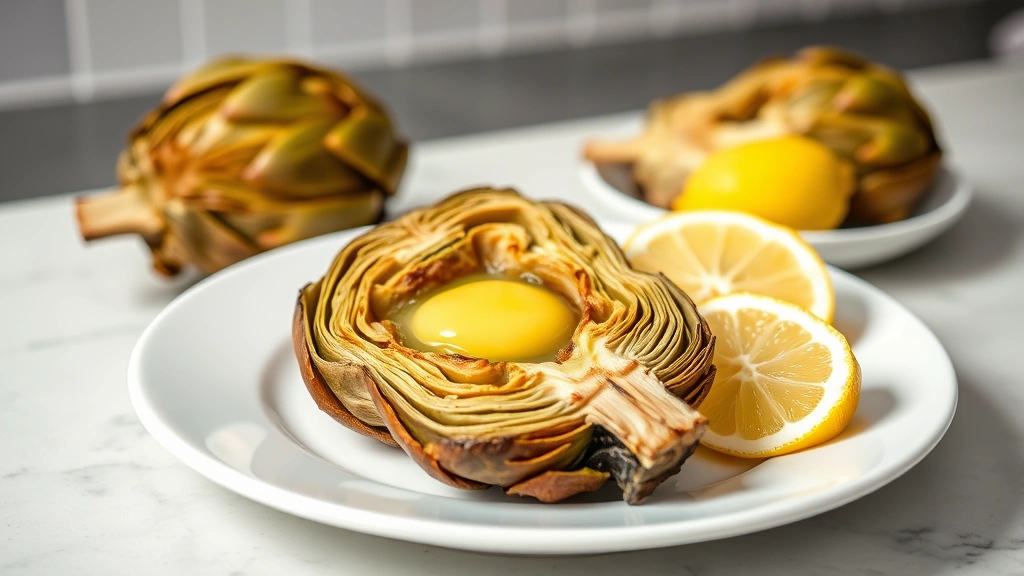
Learning how to cook artichokes is easier than you think, and once you master the basics, you’ll have a versatile vegetable that works for appetizers, sides, or main course components. Whether you prefer steaming, boiling, or roasting, artichokes transform into tender, delicious bites with the right technique and timing.
Table of Contents
Prep Your Artichokes Right
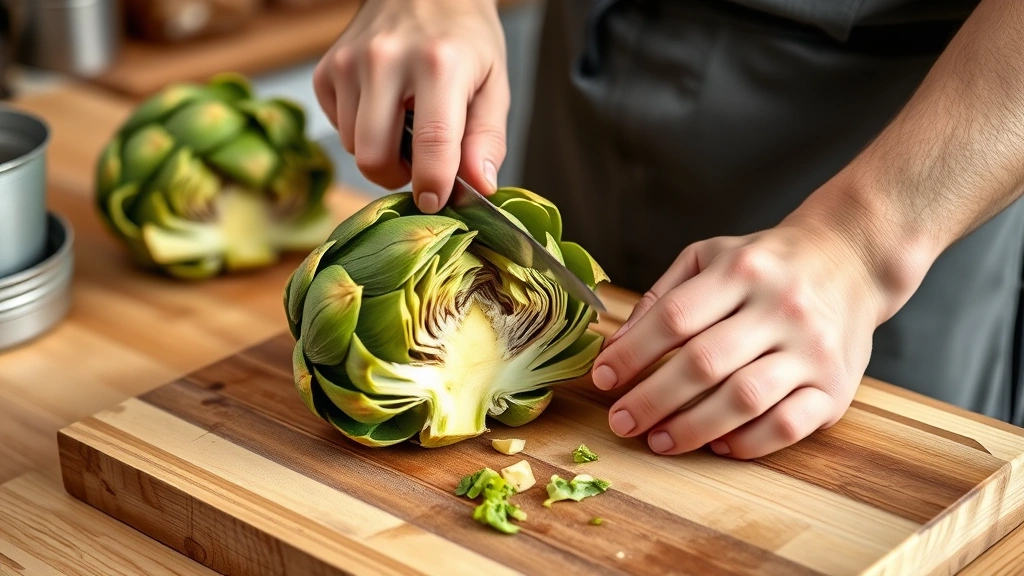
Before you start cooking, proper preparation makes all the difference. Grab a sharp knife and cut off the top quarter-inch of the artichoke to remove the pointy leaf tips. This isn’t just for safety—it helps steam and heat penetrate more evenly during cooking. Next, trim the stem, leaving about an inch attached to the base. Some folks peel the outer layer of the stem with a vegetable peeler since that part’s edible and tender underneath the fibrous exterior.
Rinse your artichokes under cold running water, spreading the leaves slightly with your fingers to get water between them. Pat them dry with a clean towel. If you’re working with large artichokes, consider cutting them in half lengthwise—this speeds up cooking time significantly and exposes more surface area for seasonings. For smaller artichokes, you can leave them whole.
Steaming: The Classic Approach
Steaming is my go-to method because it preserves the delicate flavor while keeping the leaves tender. Fill a large pot with about 2 inches of water and place a steamer basket inside. Bring the water to a rolling boil before adding your artichokes, stem-side down, in a single layer. Cover with a tight-fitting lid.
For whole medium artichokes, steam for 25-30 minutes. Larger ones might need 35-40 minutes, while halved artichokes cook in about 15-20 minutes. You’ll know they’re done when a leaf pulls off easily and the heart is tender when pierced with a fork. The cooking process here is similar to how you’d approach how long to boil crawfish—timing depends heavily on size and whether you’ve cut them up.
Pro tip: Add lemon juice, garlic cloves, or bay leaves to the steaming water for extra flavor. This infuses the artichokes as they cook and makes them taste restaurant-quality.
Boiling for Simplicity
Boiling is the quickest method if you’re in a hurry, though some cooks argue it can make artichokes slightly waterlogged if you’re not careful. Fill your pot with enough salted water to cover the artichokes completely—use about 1 tablespoon of salt per gallon of water. Bring to a vigorous boil, then add your artichokes.
Whole medium artichokes need about 20-25 minutes of boiling time. Halved ones cook faster, around 12-15 minutes. Keep the water at a gentle rolling boil rather than a crazy, aggressive bubble—this prevents the outer leaves from getting damaged while the insides stay undercooked. Check doneness the same way: pull a leaf and test the heart with a fork.
The boiling method works well when you’re preparing multiple vegetables at once, similar to how you’d handle how long it takes to boil chicken breast in a shared pot. Just make sure your artichokes aren’t crowded, or they’ll cook unevenly.
Roasting for Crispy Texture
If you want caramelized edges and a completely different flavor profile, roasting is your answer. Preheat your oven to 400°F. Cut artichokes in half lengthwise and scoop out the fuzzy choke center with a spoon—this part isn’t pleasant to eat, so don’t skip it. Place halves cut-side down on a baking sheet lined with parchment paper.
Drizzle generously with olive oil, then season with salt, pepper, garlic powder, and your favorite herbs. Fresh rosemary and thyme work beautifully here. Roast for 25-35 minutes until the cut sides are golden brown and the leaves are crispy at the edges. The artichoke heart should be fork-tender, and the outer leaves will have a nutty, caramelized flavor that’s completely different from steamed versions.
This method pairs perfectly with air fried cauliflower recipe ideas if you want to build a vegetable-forward meal. You can also toss roasted artichoke halves with basil oil recipe right after they come out of the oven for extra richness.
Testing for Perfect Doneness
The leaf-pull test is your best friend here. Grab an outer leaf near the base and tug gently. If it comes away from the artichoke with minimal resistance, you’re in good shape. The tender part at the base of that leaf should slide between your teeth easily when you eat it—that’s the reward for all this work.
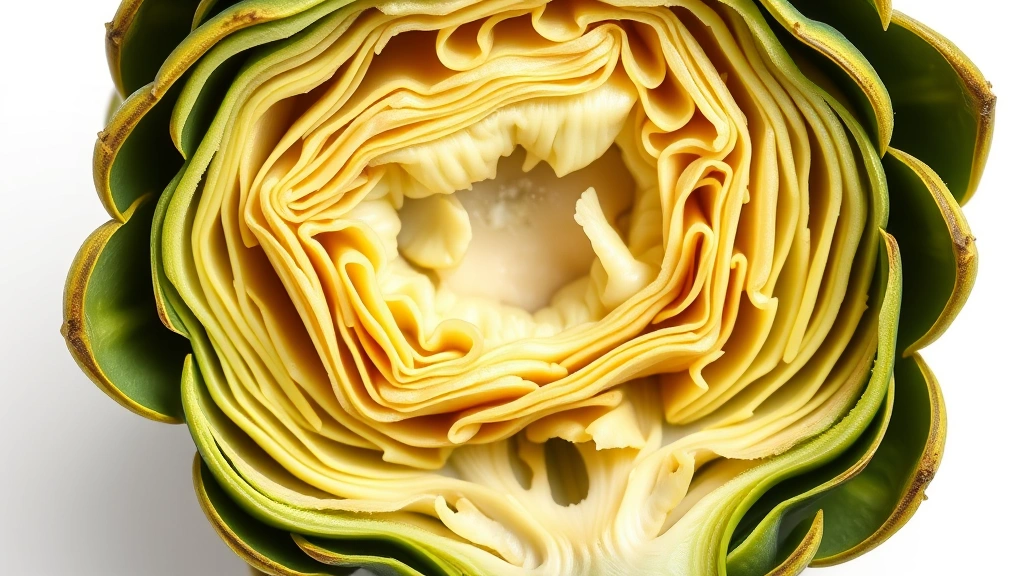
For the heart itself, pierce it with a sharp knife or fork. There should be zero resistance; it should feel like cutting butter. If you hit any fibrous resistance, give it another 5 minutes of cooking. The fuzzy choke center (that’s the actual choke part) should scrape away easily with a spoon once the artichoke is fully cooked.
Undercooked artichokes are tough and disappointing. Overcooked ones fall apart and lose their structure, so aim for that sweet spot where everything is tender but still holds together.
Dips and Serving Ideas
The magic of artichokes happens when you pair them with the right dips. Melted butter with fresh lemon juice is the classic—simple, elegant, and lets the artichoke flavor shine. Garlic butter takes it up a notch. Hollandaise sauce is fancy but totally worth making if you’re feeling ambitious.
For something lighter, try a yogurt-based dip with fresh herbs, lemon zest, and garlic. Mayo mixed with roasted red peppers and a touch of smoked paprika gives you a Spanish-inspired option. Aioli with roasted garlic is restaurant-quality and easier than you’d think to make at home.
Serve artichokes as an appetizer at dinner parties—they’re impressive but require zero knife skills from your guests, just peeling and dipping. They work as a side dish alongside grilled fish or chicken, or chop up the cooked hearts and toss them into salads, pasta, or grain bowls. Roasted artichoke hearts are incredible on pizza or stirred into creamy pasta sauces.
Storage and Leftovers
Cooked artichokes keep in the refrigerator for 3-5 days in an airtight container. Store them whole or separated into leaves—whatever makes sense for how you’ll use them. You can reheat them gently in the oven at 350°F for about 10 minutes, or eat them cold straight from the fridge.
Raw artichokes last about a week in your crisper drawer if you keep them in a plastic bag. Don’t wash them until you’re ready to cook. If you’ve got leftover cooked artichoke hearts, chop them up and freeze them in ice cube trays with a little olive oil—perfect for adding to winter soups, stews, or grain dishes.
Leftover roasted artichoke halves make killer additions to fingerling potatoes recipes or grain bowls. Toss them with pasta, fresh herbs, and a good vinaigrette for a cold salad that keeps for a couple days.
Common Cooking Mistakes
The biggest mistake is not trimming enough off the top. Those pointy leaf tips aren’t just uncomfortable—they indicate the tougher outer leaves. Cut more aggressively than feels natural. Another common error is cooking artichokes at too high a temperature in the oven or with too vigorous boiling, which dries out the outer leaves before the center cooks through.
Don’t skip the doneness test and assume timing is universal. A massive artichoke from the farmer’s market cooks differently than a smaller grocery store version. Always check with the leaf-pull and fork-pierce method. And please, remove that fuzzy choke center before serving whole roasted artichokes—it’s genuinely unpleasant to encounter unexpectedly.
Some folks try to cook artichokes without any prep, which results in tough, unevenly cooked vegetables. The trimming step isn’t optional—it’s essential. Also, don’t overcrowd your pot or steamer. Artichokes need space for heat and steam to circulate evenly.
Frequently Asked Questions
Can you eat the entire artichoke?
Not the entire thing, but most of it. The leaves (the part you peel off and eat) are edible. The heart is the prized tender center. The fuzzy choke part in the very middle needs to be removed and discarded—it’s unpleasant texture-wise. The stem is completely edible once you peel away the fibrous outer layer. Skip the pointy leaf tips at the top.
How do you know if an artichoke is fresh?
Look for tight, compact leaves with no browning or drying at the edges. The color should be vibrant green (or purple if it’s a purple variety). Squeeze it gently—it should feel heavy and firm, not lightweight or squishy. Fresh artichokes squeak slightly when you squeeze them. Avoid any with dried-out leaf tips or soft spots.
What’s the difference between steaming and boiling?
Steaming keeps artichokes slightly firmer and preserves more flavor because they’re not sitting in water. Boiling is faster but can make them absorb excess water if you’re not careful. Steaming is generally preferred for flavor, but boiling works fine if you’re short on time. Roasting gives you a completely different texture and taste profile.
Can you cook artichokes in an Instant Pot?
Absolutely. Use the high-pressure setting with 1 cup of water. Whole medium artichokes take about 15 minutes under pressure, then quick release. Halved artichokes cook in about 8-10 minutes. It’s faster than any stovetop method, though you miss out on the caramelization you get from roasting.
Why are my artichokes tough?
Undercooking is the main culprit. Artichokes need adequate time to become tender. If you’re using old artichokes or very large ones, they need more cooking time. Also, make sure you’re trimming the top properly—leaving too much of those tough outer leaves means more tough vegetable to deal with.


