
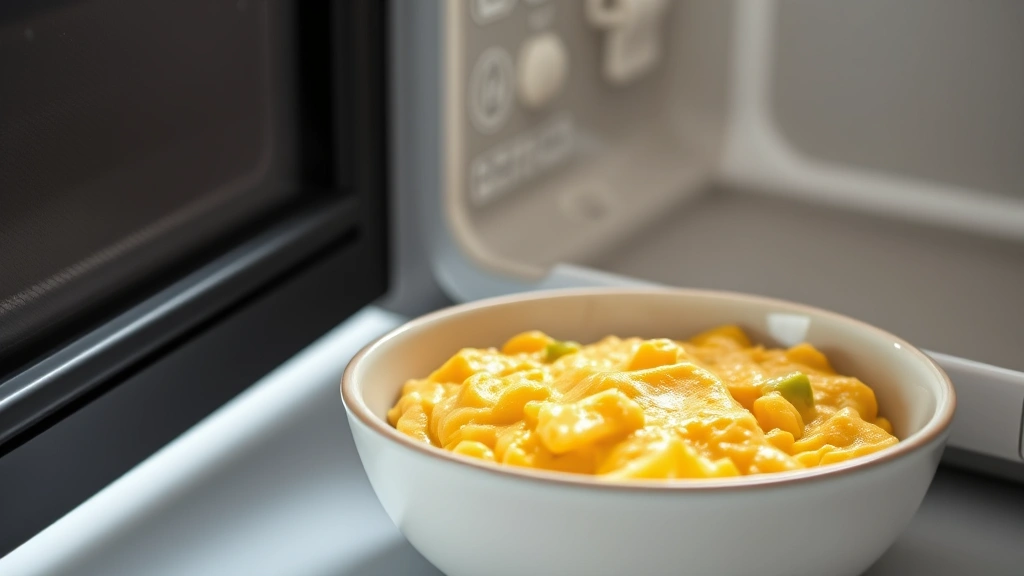
Learning how to cook an egg in the microwave is one of those game-changing kitchen hacks that’ll save you serious time on busy mornings. Forget standing over a hot stove—you can have a perfectly cooked egg ready in about two minutes flat. Whether you’re scrambled-egg hungry, want a soft poach, or need a hard-boiled egg fast, the microwave’s got your back. I’ve tested this method countless times, and it works like a charm once you nail the timing and technique.
Table of Contents
Why Microwave Eggs?
Look, I get it—there’s something about cooking eggs the traditional way that feels more “real.” But when you’re running late or don’t want to heat up your whole kitchen, microwaving eggs is genuinely the move. You save energy, clean-up is minimal, and you get consistent results. Plus, if you’re meal prepping or need breakfast in a pinch, this beats waiting for a skillet to heat up. The microwave method works particularly well when you’re also preparing other quick meals like learning how to clean an air fryer after batch cooking.
Scrambled Eggs Method
Scrambled eggs are the easiest starting point for microwave cooking. Crack two eggs into a microwave-safe bowl or mug—ceramic or glass works best. Add a splash of milk (about a tablespoon), a pinch of salt, and pepper. Whisk it together until the yolks and whites are fully combined. This is crucial: stir it really well so you get that creamy texture you’re after.
Place the bowl in the microwave and set it for 60 seconds at full power. Here’s the trick—stop and stir after 30 seconds. This prevents the edges from cooking too fast while the center stays runny. After that second 30 seconds, pull it out and give it one final stir. The carryover heat will continue cooking it slightly, so don’t overdo the microwave time or you’ll end up with rubbery eggs. Total time: about two minutes including prep.
Poached Eggs Technique
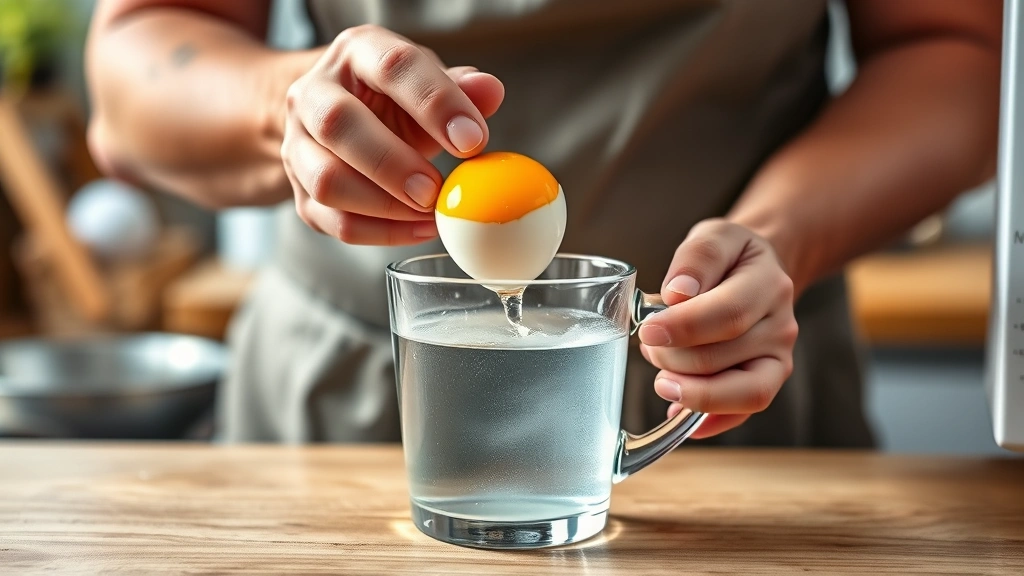
Poached eggs in the microwave sound fancy, but they’re surprisingly simple. Fill a microwave-safe bowl or mug with water—about three-quarters full. Add a tiny pinch of salt and a drop of white vinegar (optional but helps with structure). Heat the water for about 60-90 seconds until it’s steaming but not boiling.
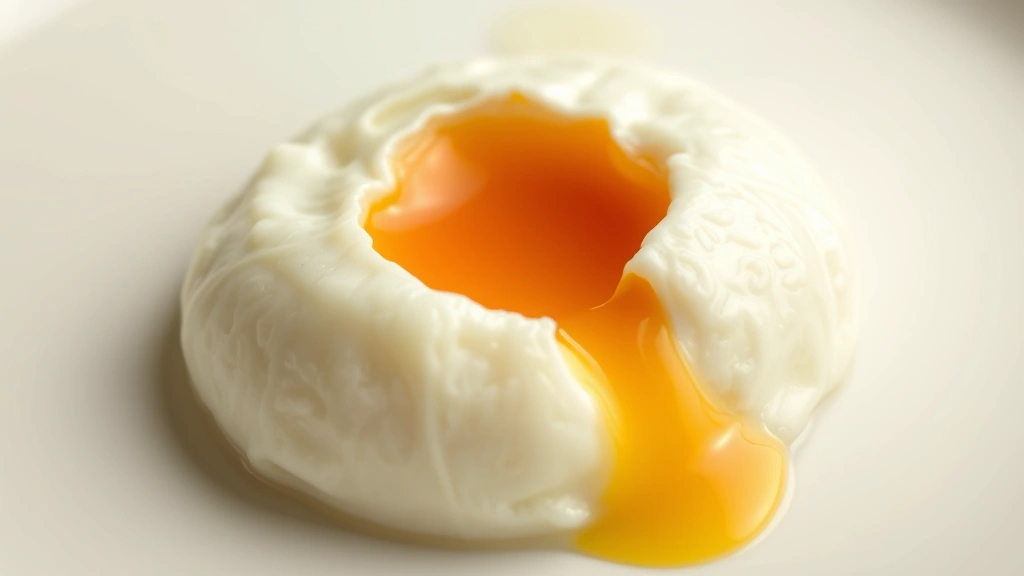
Carefully crack your egg directly into the hot water. Use a fork to gently prick the yolk once—this prevents it from exploding. Microwave for another 45-60 seconds, depending on how runny you want the yolk. The white should be set but the yolk still jiggles slightly when you shake the bowl. Use a slotted spoon to fish it out, and you’ve got yourself a restaurant-quality poached egg. This technique pairs well with understanding other quick cooking methods like how to boil peanuts for meal variety.
Hard-Boiled Eggs Fast
Hard-boiled eggs in the microwave are controversial—some swear by it, others say it’s a disaster. Here’s what actually works: place eggs in a microwave-safe bowl and cover them with water by about an inch. Microwave on high for about 10-12 minutes, depending on how many eggs you’re cooking. The water will boil vigorously, which is normal.
Once the time’s up, let the eggs sit in that hot water for about five minutes. This finishing period is essential—it ensures the yolks are fully cooked without that gray-green ring forming. Transfer them to an ice bath immediately to stop the cooking process. Let them cool for at least five minutes before peeling. The microwave method for hard-boiled eggs saves time compared to stovetop boiling, though the results are slightly less consistent.
Timing Secrets
Timing is everything when you’re cooking eggs in the microwave. Microwaves vary in power, so you might need to adjust based on your specific unit. Start with the times I’ve given, but be ready to add or subtract 10-15 seconds as you learn your machine’s personality. Write down what works for you—seriously, jot it down—so you can replicate it next time.
The size of your egg matters too. Large eggs need slightly longer than medium eggs. If you’re cooking multiple eggs at once, add about 15-20 seconds per additional egg. Always stir halfway through for scrambled eggs and keep a close eye on poached eggs since they can go from perfect to ruined in seconds.
Safety First
Microwaved eggs can get hot—and I mean hot. The bowl or mug will be scorching, so always use an oven mitt or kitchen towel when removing it. Don’t touch the eggs immediately; let them sit for 10-15 seconds so the exterior cools slightly. This also helps them finish cooking evenly.
Never microwave an egg in its shell—this should be obvious, but I’ve seen it happen. The pressure builds up inside and the shell can explode, making a mess and potentially causing burns. Always crack the egg first. Also, use microwave-safe containers only. Some ceramics and glazes can leach chemicals when heated, so stick with clearly labeled microwave-safe dishes.
Common Mistakes
The biggest mistake people make is not stirring scrambled eggs halfway through. You’ll end up with a rubbery exterior and a liquid center—not appetizing. Another common error is using too high a power level. Some microwaves benefit from 70-80% power instead of full power, which gives more even cooking.
Don’t skip the resting period for hard-boiled eggs. That five minutes in hot water after microwaving is non-negotiable if you want properly cooked yolks. And please, don’t overcrowd your bowl. Cooking three or four eggs at once in a small container leads to uneven cooking. Use a larger bowl and give them space.
Power Level Guide
Most microwaves have adjustable power levels, and using them strategically improves your results. For scrambled eggs, 100% power (high) works great with the stirring technique I mentioned. For poached eggs, some people prefer 80% power for gentler, more even cooking—experiment to find your preference. Hard-boiled eggs do fine at 100% power since they’re in water and less likely to overcook.
If your scrambled eggs keep coming out tough, try dropping to 70% power and adding 10-15 seconds to the cooking time. This slower approach gives the proteins more time to set gently. Keep notes on what works best for your specific microwave model—they’re all a bit different, and what works for your neighbor might not work for you.
Frequently Asked Questions
Can you really cook an egg in the microwave in two minutes?
Yes, scrambled eggs can be done in about two minutes total, including prep. Poached eggs take slightly longer (about three minutes), and hard-boiled eggs take 10-12 minutes. The two-minute claim is accurate for the quickest method.
Why did my microwave egg explode?
Eggs explode when steam builds up pressure inside. This happens most with whole eggs in shells or when yolks are pricked incorrectly. Always crack eggs before microwaving, and if you’re cooking poached eggs, prick the yolk gently with a fork to release steam gradually.
Is it safe to microwave eggs?
Absolutely safe, as long as you follow basic precautions. Use microwave-safe containers, never microwave eggs in their shells, and be careful removing hot bowls. The eggs themselves cook safely at microwave temperatures.
What’s the best container for microwaving eggs?
Ceramic or glass bowls and mugs work best. Avoid plastic unless it’s specifically labeled microwave-safe. Mugs are great for single-egg scrambles, while bowls work better for poaching since you need more water.
Can you cook eggs in the microwave without a bowl?
Not really. You need some kind of microwave-safe container to hold the egg and any liquid. A mug, bowl, ramekin, or small dish all work fine.
How do you prevent rubbery microwave eggs?
Stir scrambled eggs halfway through, don’t overcook them, and let them rest for a few seconds after removing from the microwave. The carryover heat continues cooking them slightly, so pull them out when they’re still slightly underdone.
Do microwave eggs taste different than stovetop eggs?
Slightly, yes. Microwave scrambled eggs can be creamier but sometimes lack the slight browning that makes stovetop eggs special. Poached eggs taste nearly identical. Hard-boiled eggs are indistinguishable once cooled and peeled.
Can you add cheese or vegetables to microwave eggs?
Absolutely. Add shredded cheese, diced peppers, or cooked bacon bits to scrambled eggs before microwaving. Just keep in mind that add-ins might change the cooking time slightly, so watch carefully the first time.
Final Thoughts
Mastering how to cook an egg in the microwave is genuinely useful knowledge. It’s not replacing your stovetop cooking skills—it’s adding a quick, reliable option to your kitchen toolkit. For busy mornings, meal prep sessions, or when you just need breakfast fast, this method delivers. Start with scrambled eggs to build confidence, then branch out to poaching and hard-boiling once you understand how your specific microwave behaves.
The key is consistency: use the same bowl, note your timing, and adjust based on results. After a couple of tries, you’ll have this down to a science. And when you’re also managing other kitchen tasks like how to cook a New York strip steak for dinner, having a fast breakfast method saves real time during the day. Keep experimenting, stay safe with hot containers, and enjoy those perfectly cooked microwave eggs.


