
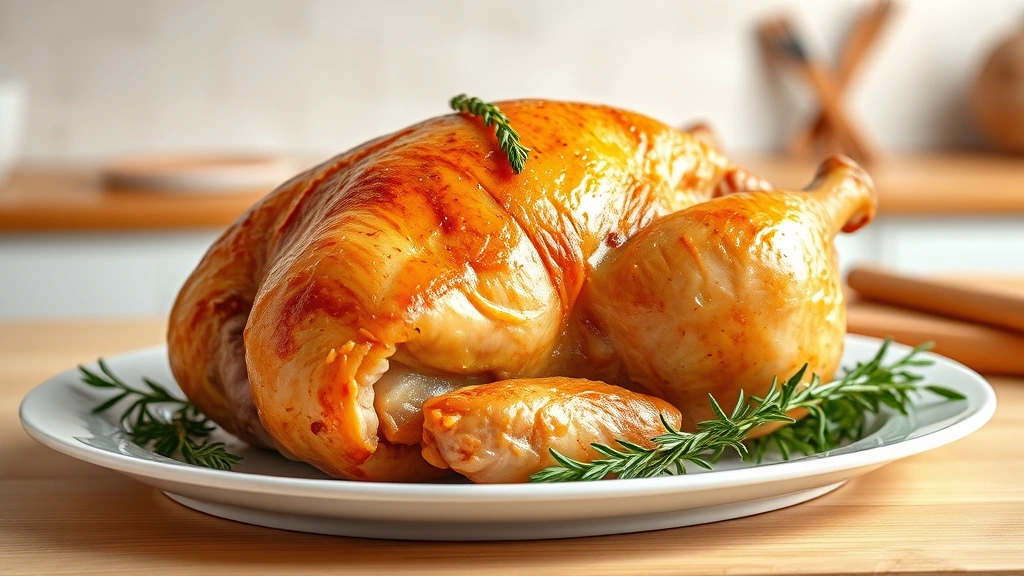
Learning how to cook a turkey breast is one of those kitchen skills that’ll save you time, money, and hassle compared to roasting a whole bird. Whether you’re cooking for two or prepping for a smaller gathering, a turkey breast delivers all the flavor and tenderness without the fuss. I’m going to walk you through everything from selecting the right cut to pulling a perfectly golden, juicy breast from your oven.
Table of Contents
Choosing Your Turkey Breast
Start with the right cut. You’ve got two main options: a bone-in, skin-on breast (my preference) or a boneless, skinless one. The bone-in version stays juicier because the bone conducts heat evenly and the skin protects the meat underneath. A typical bone-in breast runs 4-8 pounds, which feeds about 6-12 people depending on appetite.
Hit up your butcher counter or grocery store a day or two before you plan to cook. Fresh is always better than frozen, but frozen works fine—just give yourself extra thawing time in the fridge (roughly 24 hours for every 4-5 pounds). Don’t thaw at room temperature; you’re asking for bacterial trouble that way.
Prep Work Matters Most
This is where most home cooks drop the ball. Remove your turkey breast from the fridge 30-45 minutes before cooking. Room temperature meat cooks more evenly, and you won’t end up with a raw center and burnt skin.
Pat it completely dry with paper towels. Moisture is the enemy of browning. If you skip this step, you’ll steam the skin instead of roasting it. Use a kitchen towel or paper towels and get aggressive with it—every drop counts.
Check for any remaining pin feathers or stubble. Your fingers work fine for this; just pluck them out. It’s a small detail that makes a big difference in the final presentation.
Smart Seasoning Techniques
Season generously the night before if you have time. A simple mix of salt, pepper, garlic powder, and dried thyme works beautifully. The salt has time to penetrate the meat, which improves flavor throughout, not just on the surface.
Get under that skin. Gently separate the skin from the meat using your fingers (don’t tear it), and rub seasoning directly on the flesh. Add a pat of softened butter under there too—it’ll baste the meat as it melts. This technique is borrowed from restaurant kitchens and makes a noticeable difference.
Don’t skip the cavity seasoning either. Stuff it with fresh herbs, lemon halves, or onion quarters. These aromatics infuse the meat with subtle flavor as the breast roasts.
The Roasting Method
Preheat your oven to 325°F. This lower temperature (compared to whole birds) gives you better control and prevents the outside from burning before the inside cooks. Place a rack in your roasting pan and set the breast skin-side up.
Pour about a cup of broth or water into the pan—not touching the meat, just sitting on the bottom. This creates steam that keeps the environment moist and prevents the drippings from burning. As the breast cooks, these drippings become liquid gold for gravy.
Tent the breast loosely with aluminum foil for the first hour. This prevents the skin from browning too fast. Remove the foil for the final 30-45 minutes to let that skin get golden and crispy.
Baste every 30 minutes with pan drippings using a turkey baster or spoon. This is the secret to juicy meat. The melted butter and meat juices keep everything moist and add flavor with every pass.
Temperature & Timing Guide
Here’s the timing breakdown: plan on 20-25 minutes per pound for a bone-in breast at 325°F. A 6-pound breast typically takes 2 to 2.5 hours total.
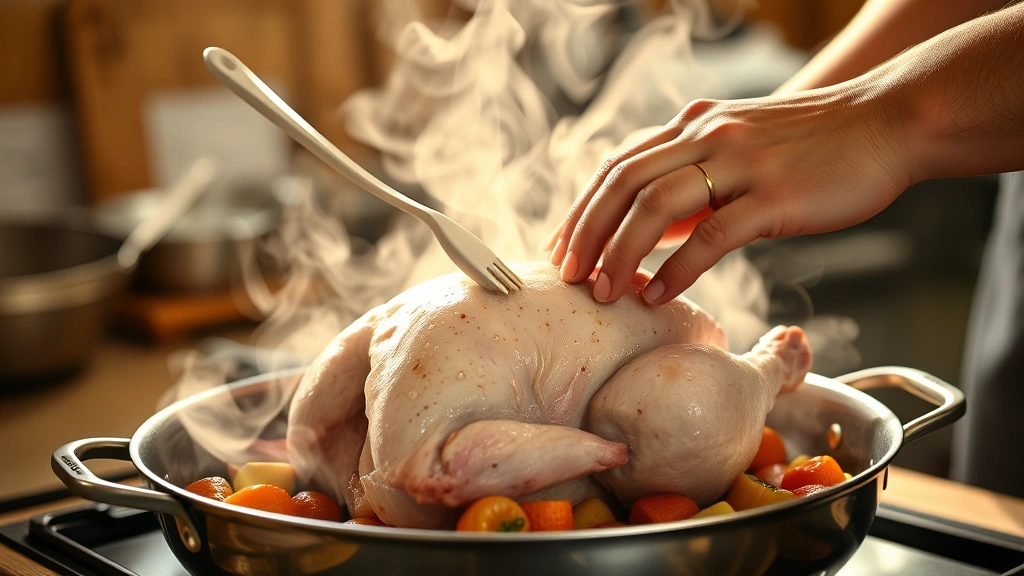
The ONLY way to know when it’s done is with a meat thermometer. Insert it into the thickest part of the breast (not touching bone) and cook until it reads 165°F. This is the safe internal temperature set by the USDA.
Don’t trust color alone. Turkey can look done on the outside and still be undercooked inside. A digital instant-read thermometer costs about $15 and is the best kitchen investment you’ll make. Check temperature in multiple spots to be sure.
If you’re cooking a boneless breast, it’ll cook faster—about 15-20 minutes per pound. These are thinner and more uniform, so they finish quicker. Still use the thermometer; don’t guess.
Resting & Slicing Right
Remove the breast from the oven when it hits 165°F and let it rest for 10-15 minutes. This is non-negotiable. The muscle fibers relax, and the juices redistribute throughout the meat instead of running out onto your cutting board.
Tent it loosely with foil to keep it warm. The temperature might climb a few degrees during resting—that’s normal and actually helps with carryover cooking.
Slice against the grain using a sharp carving knife or electric knife. The grain runs lengthwise on a turkey breast, so you’re slicing perpendicular to those muscle fibers. This breaks them up and makes every bite tender.
Start at the thicker end and work toward the thinner end. Aim for slices about ¼-inch thick. Thinner slices look more elegant on the plate and feel more tender when you eat them.
Making Gravy From Pan Drippings
Don’t waste those pan drippings. Pour them into a fat separator or let them sit for a minute so the fat rises to the top. Skim off about 3 tablespoons of fat and whisk it together with 3 tablespoons of flour to make a roux.
Heat this roux in a saucepan over medium heat for 1-2 minutes, stirring constantly. Slowly whisk in 2 cups of turkey or chicken broth, plus all those defatted pan drippings. Season with salt, pepper, and a pinch of dried thyme.
Simmer for 5-10 minutes until it thickens to gravy consistency. Taste and adjust seasoning. This gravy is infinitely better than anything from a packet because it’s built on the actual flavors you created while roasting.
Common Mistakes & Fixes
Dry meat? You either didn’t baste enough, cooked too hot, or overcooked it past 165°F. Next time, baste every 20 minutes and use a lower oven temperature. If it’s already dry, slice it thin and pour hot gravy over it—salvage what you can.
Skin isn’t crispy? The foil stayed on too long, or your oven temperature was too low. For the final 45 minutes, make sure that foil is completely off and your oven is running at 325°F or slightly higher.
Uneven cooking? Your oven might have hot spots. Rotate the pan halfway through cooking if one side is browning faster than the other. Also make sure the breast is laid out flat and even on the rack.
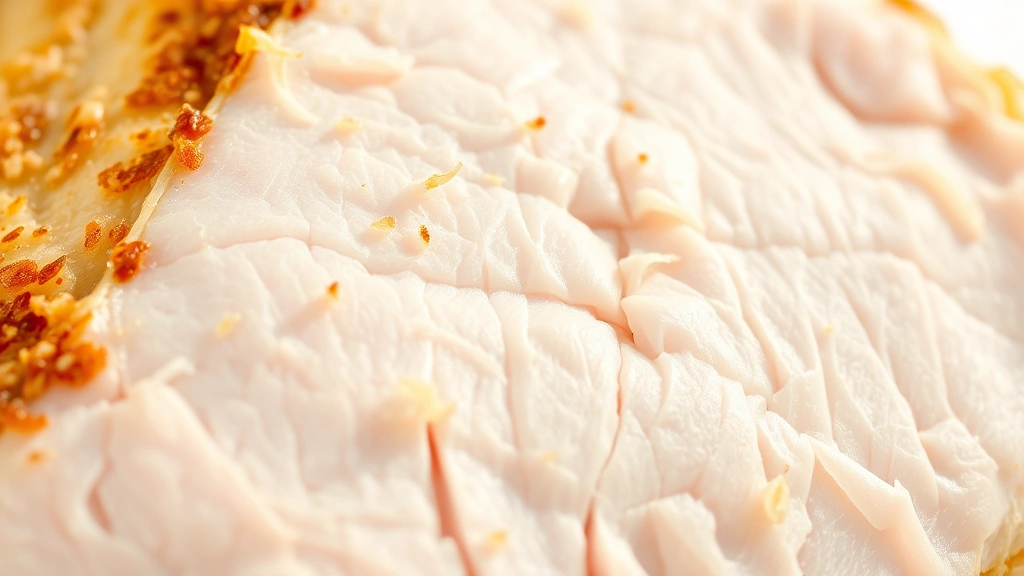
Undercooked center? Always use a meat thermometer and check multiple spots. If you catch it before serving, pop it back in the oven at 350°F for 10-15 minutes and check again. It won’t hurt the already-cooked outer portions.
Storage & Leftover Ideas
Slice any leftover turkey and store it in an airtight container in the fridge for up to 4 days. Keep the skin separate if you want to maintain its crispness—the skin gets soft in the fridge.
For longer storage, wrap slices tightly in plastic wrap and freeze for up to 3 months. Thaw in the fridge overnight before using. Frozen turkey works great for sandwiches, soups, and casseroles.
Transform leftovers into lasagna by layering shredded turkey with noodles and sauce, or use it in a rice bowl with veggies. Turkey also makes excellent soup stock—simmer that bone with aromatics for a few hours.
Frequently Asked Questions
Can I cook a turkey breast at 400°F instead of 325°F?
You can, but I don’t recommend it for beginners. Higher heat browns the skin faster but risks drying out the meat before the center cooks through. If you do use 400°F, reduce cooking time to 12-15 minutes per pound and keep it tented with foil for most of the cooking time. Still use a meat thermometer—it’s your safety net. For more details on cooking at high temperatures, check out our guide on cooking chicken at 400.
Should I brine the turkey breast?
Brining helps, but it’s optional. If you do brine, soak the breast in a saltwater solution (½ cup salt per gallon of water) for 8-12 hours. Pat it completely dry afterward before seasoning and roasting. Brining adds moisture and flavor, especially helpful if you’re worried about dryness.
What’s the difference between a turkey breast and a chicken breast?
Turkey breast is larger, tougher, and takes longer to cook. It also has more flavor due to the bird’s diet and age. Cooking methods are similar, but timing differs significantly. For comparison, see our chicken cooking guide.
Can I smoke a turkey breast instead of roasting?
Absolutely. Smoke at 225-250°F until the internal temperature reaches 165°F, which typically takes 3-4 hours for a 6-pound breast. The process is similar to smoking brisket—low and slow is the name of the game.
Is boneless turkey breast easier to cook?
Easier? Maybe slightly—it cooks faster and is more uniform. But bone-in tastes better and stays juicier. If you’re short on time, boneless works fine. Just reduce cooking time to 15-20 minutes per pound.
How do I know if my meat thermometer is accurate?
Test it in ice water (should read 32°F) and boiling water (should read 212°F). If it’s off, you’ll know to adjust your readings or replace it. Accuracy matters when food safety is on the line.
Can I prep the turkey breast the night before?
Yes. Season it, stuff the cavity, cover loosely with plastic wrap, and refrigerate. Remove it 30-45 minutes before roasting to bring it close to room temperature. This actually improves the seasoning because salt has time to penetrate the meat.


