
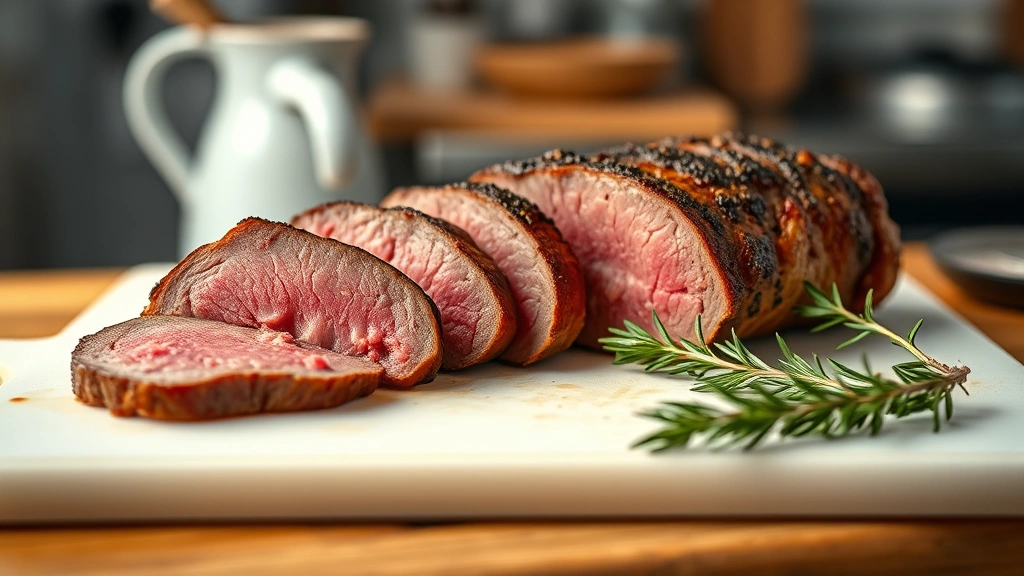
Learning how to cook a sirloin tip roast transforms this lean, budget-friendly cut into a show-stopping centerpiece that rivals pricier beef. The trick isn’t complicated—it’s about respecting the meat’s nature and using straightforward techniques that any home cook can master. I’ve roasted dozens of these bad boys, and I’m going to walk you through exactly what works.
Table of Contents
Choosing Your Roast
Start at the butcher counter. A sirloin tip roast is a lean cut from the hindquarters—it’s not marbled like a ribeye, so you’re working with a different animal. Look for a roast that’s at least 3 to 4 pounds; anything smaller tends to dry out. The meat should be bright red with a fine grain. Ask your butcher to trim the exterior fat cap to about a quarter-inch thick. This matters because too much fat prevents seasoning from penetrating, but too little leaves the meat exposed and vulnerable to drying.
Prep Work Matters
Remove your roast from the refrigerator 1 to 2 hours before cooking. Cold meat doesn’t cook evenly—the outside burns while the inside stays rare. Pat it completely dry with paper towels; moisture is the enemy of browning. Place the roast on a cutting board and inspect it for any remaining silverskin (that thin, papery connective tissue). Trim it off with a sharp knife—it won’t break down during cooking and creates a chewy texture. This prep step takes five minutes and makes a real difference.
Seasoning Strategy
Don’t overthink this. Kosher salt and freshly ground black pepper are your foundation. Apply them generously all over the roast about 40 minutes before cooking—the salt will begin breaking down muscle fibers and help retain moisture. If you want depth, add garlic powder, onion powder, and dried thyme. Fresh herbs like rosemary and thyme tied together with kitchen twine and placed on top of the roast during cooking add incredible flavor without overwhelming the meat. Unlike chicken thighs or ground turkey, beef roasts benefit from bold seasoning because the meat is substantial enough to hold its own.
Roasting Method
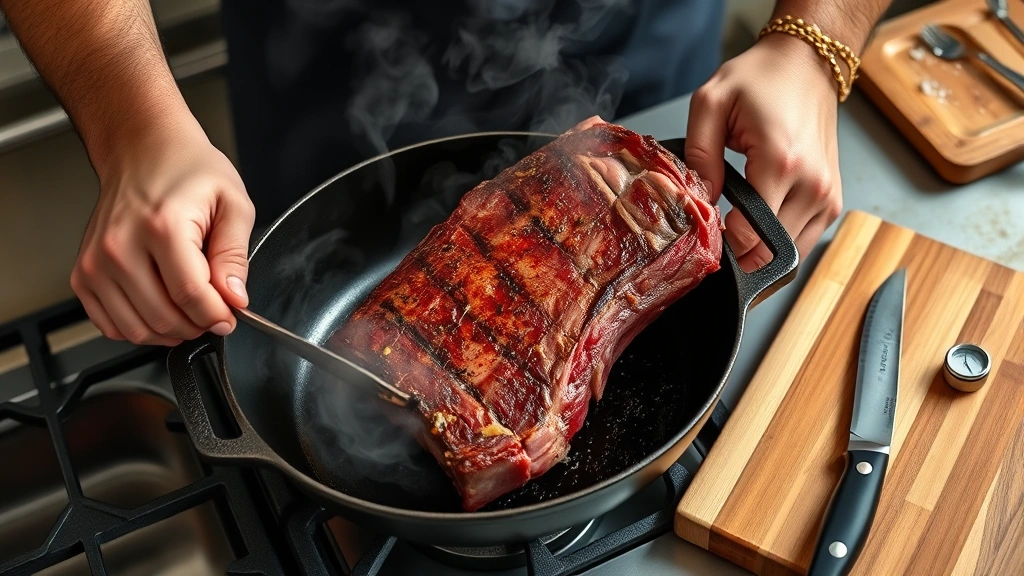
Preheat your oven to 325°F. This low-and-slow approach is crucial for a lean cut. Heat a heavy-bottomed roasting pan or cast iron skillet on the stovetop over medium-high heat. When it’s smoking hot, sear the roast on all sides—about 2 to 3 minutes per side. You’re building a brown crust that locks in juices and develops flavor. Don’t move it around; let it sit and sear. Once it’s bronzed all over, place the pan in the oven. If you’re using a skillet, transfer the roast to a roasting pan with sides so drippings don’t splatter everywhere.
Temperature Tracking
This is where most people go wrong. Invest in a reliable meat thermometer—the instant-read kind saves you guessing games. Insert it into the thickest part of the roast, making sure the tip isn’t touching bone or fat. For a sirloin tip roast, target 130°F for medium-rare, which is where this lean cut shines. It’ll take roughly 20 to 25 minutes per pound at 325°F, but ovens vary wildly. Start checking at the 2-hour mark for a 4-pound roast. Don’t rely on time alone; the thermometer is your guide. If you want medium (which I don’t recommend for this cut because it dries faster), go to 135°F maximum.
Resting Is Critical
Remove the roast when it hits 130°F and place it on a cutting board. Tent it loosely with foil and let it rest for 15 to 20 minutes. This isn’t downtime—it’s when the meat reabsorbs its juices. If you slice immediately, those juices run onto the board instead of staying in the meat. During resting, the temperature will climb a few degrees (called carryover cooking), which is why you pull it at 130°F instead of waiting for 135°F. The pan drippings are liquid gold; don’t waste them. Pour them into a saucepan and skim off excess fat, then reduce over medium heat for a simple au jus.
Carving and Serving
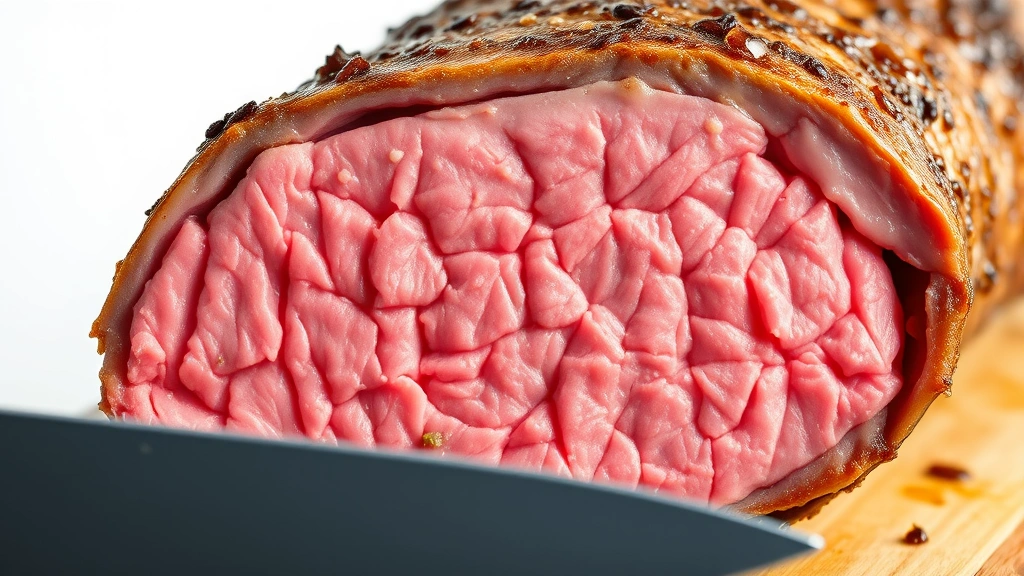
After resting, place the roast on a cutting board with a groove to catch juices. Use a sharp carving knife or long chef’s knife and slice against the grain. The grain runs lengthwise, so look at the meat fibers and slice perpendicular to them. Aim for quarter-inch slices—thick enough to stay tender, thin enough to be manageable. Arrange slices on a platter, pour the au jus over them, and serve immediately. Sirloin tip roast pairs beautifully with roasted root vegetables, mashed potatoes, or a fresh salad. If you’re planning a larger meal, this roast works alongside how long to cook pork tenderloin if you’re feeding a crowd with multiple proteins.
Common Mistakes
Skipping the sear step is the biggest blunder. That brown crust isn’t just for looks—it’s flavor and moisture retention. Second mistake: cooking at too high a temperature. Roasting at 375°F or higher dries out this lean cut faster than you’d think. Third: slicing before resting. I’ve seen people do this and watch the juices pool on the plate instead of in the meat. Fourth: not checking temperature. Guessing based on time alone leads to either rare or overdone roast. Finally, using a dull knife for carving shreds the meat instead of creating clean slices. Keep your carving knife sharp—run it through a steel before you start.
Frequently Asked Questions
Can I cook sirloin tip roast in a slow cooker?
Yes, but it’s not ideal. Slow cookers are great for tougher, fattier cuts that benefit from long, moist heat. Sirloin tip roast is already lean, and slow cooking can make it mushy and bland. If you must use a slow cooker, sear the roast first, then cook on low for 4 to 5 hours with just a cup of broth. It won’t have the same crust or depth of flavor as oven roasting.
What’s the difference between sirloin tip and bottom round?
Both are lean cuts from the hindquarters, but sirloin tip is slightly more tender and flavorful. Bottom round is tougher and better suited for pot roast or stewing. For a simple roast where you want to showcase the meat, sirloin tip is the better choice.
How do I know when it’s done without a thermometer?
The touch method works if you’ve practiced it. Medium-rare feels like the fleshy area between your thumb and forefinger when your hand is relaxed. It’s not foolproof though, especially with an irregular-shaped roast. Get a thermometer—they’re cheap and eliminate guessing.
Can I cook this on the grill?
Absolutely. Sear the roast over high heat on both sides, then move it to indirect heat (one side of the grill off, the roast on the other side). Keep grill temperature around 325°F and cook until it hits 130°F internally. It’ll take slightly longer than oven roasting, but the smoke adds incredible flavor. This method rivals oven roasting if you’re comfortable managing grill temperature.
How much should I buy per person?
Plan for about 6 ounces per person for a main course. A 4-pound roast serves 6 to 8 people comfortably with a little left over for sandwiches.
Can I make this ahead?
You can roast it earlier in the day and serve it cold or reheated. Slice it after it’s completely cooled, store it in an airtight container, and refrigerate for up to 3 days. To reheat, wrap slices in foil and warm in a 300°F oven for 10 to 15 minutes. Don’t microwave—it dries the meat further. If you’re doing a cookout with multiple proteins like how long to BBQ chicken thighs, you can time the roast to finish slightly early and keep it warm while you finish the other items.
Final Thoughts
Cooking a sirloin tip roast isn’t magic—it’s technique and patience. Start with a good cut, season it properly, sear it hard, roast it low and slow, and rest it before slicing. These fundamentals work every single time. The roast comes out juicy, flavorful, and tender enough to impress anyone at your table. Once you nail this method, you’ll find yourself making it regularly. It’s economical, straightforward, and delivers results that feel fancy without the fuss. If you’re building a whole meal, pair it with sides that complement beef without competing—roasted vegetables, creamed spinach, or a simple grain. And if you’re experimenting with other proteins, explore how long to cook ground turkey for weeknight dinners or ground deer meat recipes if you hunt. But for a showstopper roast that brings people together, sirloin tip is your answer. Get in the kitchen and make it happen.


