
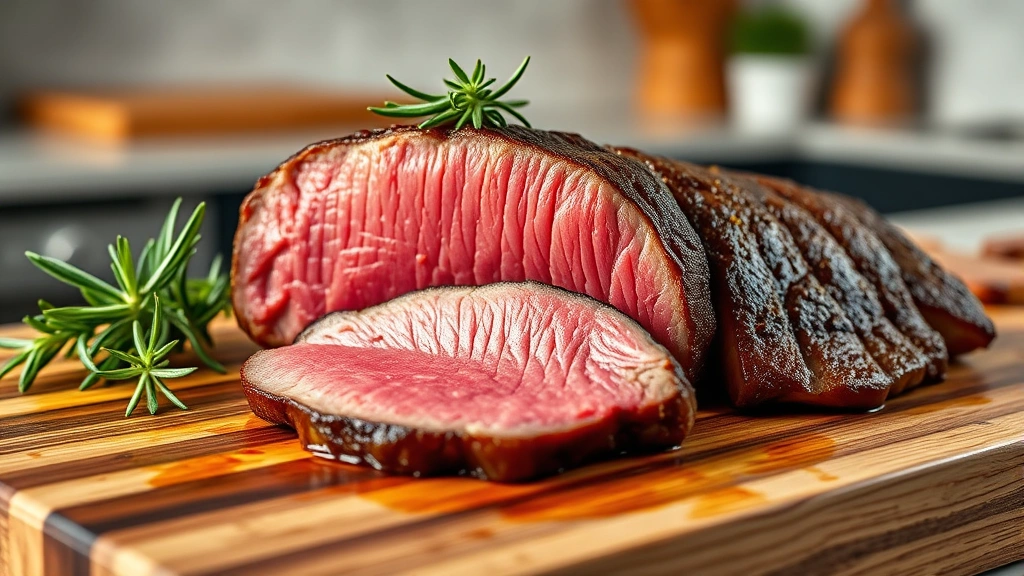
Learning how to cook a london broil is one of those skills that separates decent home cooks from the ones who actually impress people at dinner. This cut of beef gets a bad rap—folks think it’s tough and flavorless—but that’s only true if you don’t know what you’re doing. I’m going to walk you through exactly how to select, prep, and cook a london broil so it comes out tender, juicy, and absolutely delicious every single time.
Table of Contents
Understanding the Cut
A london broil isn’t actually a specific cut—it’s a cooking method applied to several different beef cuts, most commonly the top round or flank steak. These are lean, muscular cuts from the leg or side of the cow. The muscle fibers are tight and dense, which is why people complain about toughness. But here’s the thing: this cut is incredibly flavorful and responds beautifully to proper technique.
The key to success is understanding that london broil needs two things: a marinade to break down those muscle fibers and proper slicing against the grain to shorten what fibers remain. Do both of those right, and you’ll have restaurant-quality results at home.
Selecting Quality Meat
Walk into your butcher shop or grocery store meat counter with a plan. You want a piece that’s at least 1.5 to 2 inches thick—anything thinner and you risk overcooking it before the outside gets a good crust. Look for bright red color and good marbling (those white fat lines running through). Yeah, london broil is lean, but you want what little fat is there distributed throughout the meat.
Ask your butcher to trim the surface fat but leave a thin layer. That fat cap will help keep the meat moist during cooking. A good piece should weigh between 1.5 and 3 pounds—perfect for feeding four to six people with leftovers.
Marinating for Tenderness
This is where the magic happens. A proper marinade does three critical things: it breaks down muscle fibers through acid, it adds flavor, and it keeps the meat moist during cooking. You’ve got options here depending on your flavor preferences.
A classic approach uses an acidic base (vinegar, citrus, or wine) combined with oil, garlic, and herbs. I typically go with something like one part vinegar or lemon juice, three parts olive oil, plus minced garlic, rosemary, thyme, and black pepper. The acid is doing the heavy lifting—it’s literally breaking down the protein structure. That’s why you don’t want to marinate longer than 12-24 hours; too long and the meat gets mushy.
For an Asian-inspired version, try soy sauce, ginger, garlic, and sesame oil. If you’re feeling adventurous, try a cajun seasoning recipe mixed into your marinade base for a spicier kick. Whatever direction you go, make sure the marinade covers the entire surface of the meat. I use a large zip-top bag—it’s easier to flip and ensures even coverage.
Prep Work Matters
Take the london broil out of the fridge about 30-40 minutes before you plan to cook it. Cold meat doesn’t cook evenly—the outside burns before the inside reaches temperature. While it’s coming to room temperature, pat it completely dry with paper towels. Moisture is the enemy of a good crust, and you want that Maillard reaction happening on the surface.
Season generously with salt and pepper right before cooking—not before. Salt draws out moisture, so you want it going on at the last minute. If you’re using a seasoning rub, apply it now. This is also the time to get your cooking surface ready, whether that’s a grill, cast iron skillet, or blackstone griddle.
Cooking Methods Explained
You’ve got three solid options for cooking london broil, and each produces slightly different results.
Grilling is the traditional method. Get your grill screaming hot—we’re talking 450°F or higher. You want those grates clean and oiled. Sear the meat hard for 4-5 minutes per side for a medium-rare finish. The high heat creates a beautiful crust while the inside stays tender.
Broiling (which is where the name comes from) works great if you don’t have outdoor grill access. Position your oven rack about 4-6 inches from the heating element, set it to broil, and cook for 5-7 minutes per side depending on thickness. Watch it carefully—broilers can be aggressive.
Pan-searing is my go-to method when weather doesn’t cooperate. Heat a cast iron skillet until it’s smoking hot, then sear the meat 4-5 minutes per side. You can finish it in a 400°F oven if needed to reach your target temperature without burning the crust. This method gives you the most control and the best crust development.
Temperature & Timing
Here’s where a meat thermometer becomes your best friend. London broil is lean, which means it dries out quickly if overcooked. Aim for 130-135°F internal temperature for medium-rare, which is where this cut really shines. If you prefer medium, go to 135-140°F, but don’t go higher—you’re just asking for a tough, dry result.
Timing depends on thickness and your cooking method. A 1.5-inch steak on a hot grill takes about 8-10 minutes total. In a hot skillet, maybe 9-11 minutes. In the oven under the broiler, 10-14 minutes. The only accurate way to know is using a thermometer. Insert it horizontally into the thickest part of the meat, away from any bones or fat pockets.
Resting & Slicing
This step separates amateurs from people who know what they’re doing. Remove the london broil from heat when it’s about 5°F below your target temperature—carryover cooking will get it the rest of the way. Let it rest on a cutting board for 8-10 minutes. This allows the muscle fibers to relax and reabsorb the juices. If you cut into it immediately, all those juices run out onto the board instead of staying in your meat.
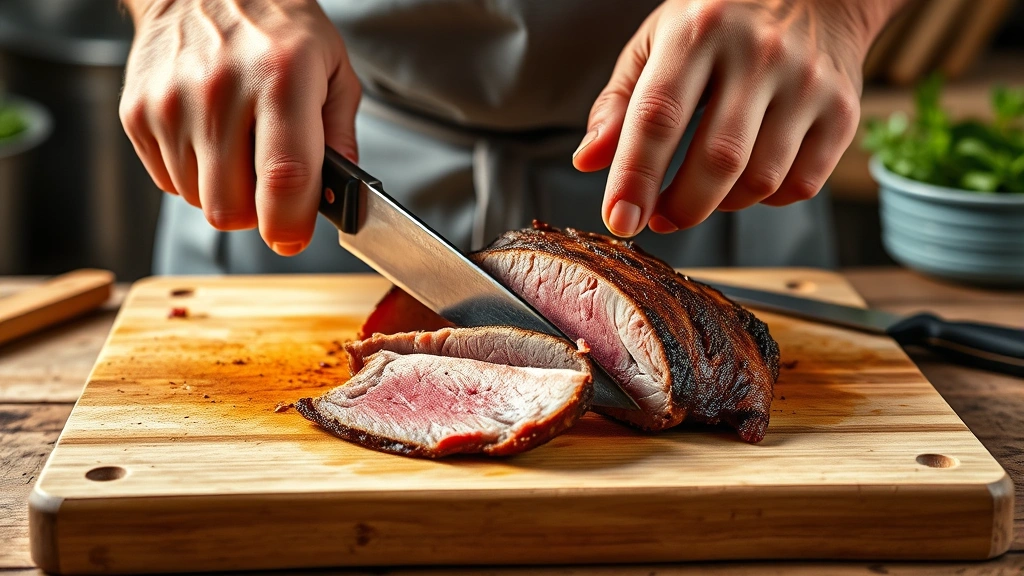
When slicing, this is absolutely critical: slice against the grain. Look at the direction the muscle fibers run and cut perpendicular to them. This shortens the fibers, making each bite more tender. Slice at about a 45-degree angle for thicker, more impressive-looking pieces. Aim for about 1/4-inch thickness for the best texture.
Seasoning & Flavor
Beyond the marinade, you can take london broil in lots of flavor directions. A simple finishing salt like fleur de sel right after cooking adds sophistication. Fresh cracked black pepper is non-negotiable. If you want something bolder, try finishing with a compound butter—that’s butter mixed with herbs, garlic, and maybe a little lemon zest. Let it melt over the hot meat.
For serving, consider pairing it with complementary sauces. A chimichurri works beautifully. So does avocado mayo recipe for a creamy element. Even a simple pan sauce made from the drippings and a splash of red wine elevates the whole dish.
Avoiding Common Mistakes
The biggest mistake people make is not marinating long enough. You need at least 6 hours, but 12-24 hours is ideal. Skipping this step almost guarantees a tough result.
Second mistake: not getting your cooking surface hot enough. London broil needs high heat to develop a crust. If your grill or pan isn’t screaming hot, you’ll end up steaming the meat instead of searing it.
Third: slicing with the grain instead of against it. This completely negates all your marinating work. Take 30 seconds to look at the meat and figure out which direction those fibers run.
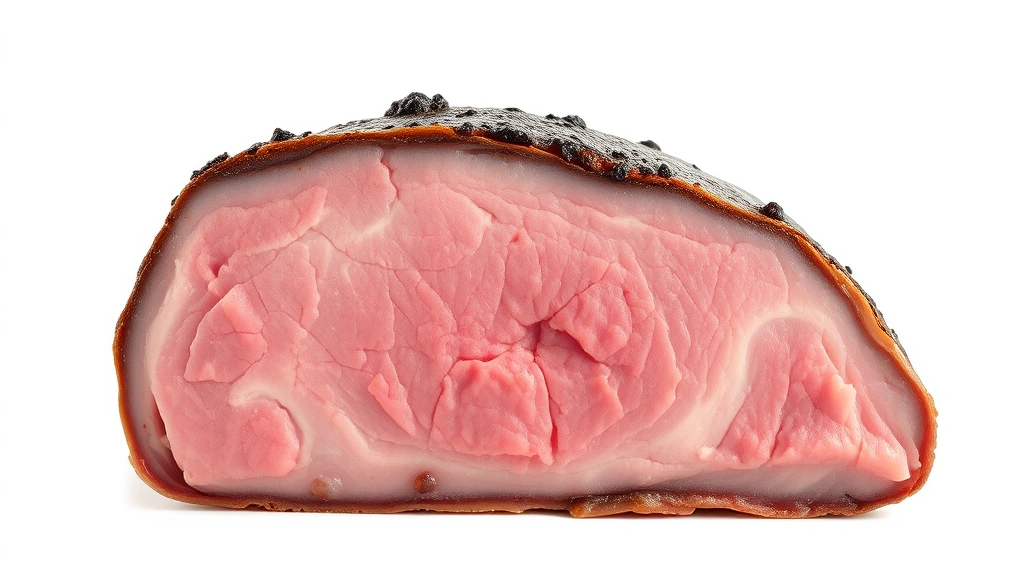
Fourth: overcooking. This is lean meat. Medium-rare is the sweet spot. Push it to medium-well and you’ve made a mistake you can’t fix.
Finally, don’t skip the rest period. I know you’re hungry, but those 8-10 minutes make a massive difference in juiciness.
Frequently Asked Questions
Can I cook london broil in the oven without broiling?
Absolutely. Sear it hard in a hot cast iron skillet on the stovetop for 4-5 minutes per side, then transfer the whole skillet to a 400°F oven for 5-10 minutes until you hit your target temperature. This reverse-sear method actually gives you better results than broiling alone.
What’s the difference between london broil and flank steak?
London broil is a cooking method that can be applied to several cuts. Flank steak is a specific cut. You can cook flank steak using the london broil method, but not all london broil cuts are flank steak. Top round is the most common cut used for london broil.
How long does marinating take?
Minimum six hours, but 12-24 hours is ideal. You can marinate up to 24 hours without the meat getting mushy if you’re using a traditional acid-based marinade. After 24 hours, the acid starts breaking down the meat too much.
Can I freeze marinated london broil?
Yes, and this is a great meal-prep strategy. Marinate your meat, then freeze it in the marinade. Thaw it overnight in the fridge before cooking. The marinating actually continues during thawing, so you get even better results.
What temperature is london broil done?
For medium-rare (the recommended doneness), cook to 130-135°F internal temperature. Medium is 135-140°F. Anything higher and you’re risking a tough, dry result with this lean cut.
How thick should london broil be?
At least 1.5 inches, ideally 2 inches. Thinner cuts cook too quickly and unevenly. Thicker cuts give you a better window for achieving a good crust and a tender, juicy interior.
Can I marinate london broil in buttermilk?
Yes, actually. Buttermilk’s lactic acid is gentler than vinegar but still effective at tenderizing. It’s a great option if you want a milder flavor profile or are sensitive to strong vinegar tastes.
Learning how to cook a london broil really comes down to respecting the cut, giving it proper time in a good marinade, and not overthinking the actual cooking part. High heat, proper temperature, and a sharp knife for slicing against the grain—that’s your formula for success. You’re going to nail this.


