
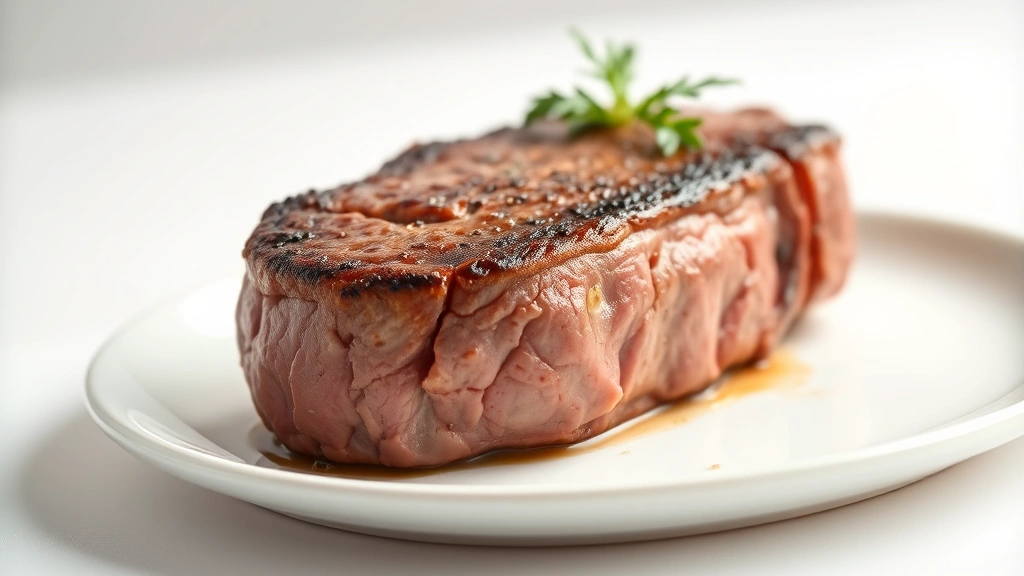
Learning how to cook a filet mignon is one of those kitchen skills that sounds intimidating but actually comes down to a few core principles: quality meat, proper seasoning, heat management, and knowing when to stop. I’ve cooked hundreds of these steaks, and I’m going to walk you through exactly what separates a mediocre filet from one that tastes like it came straight from a high-end steakhouse.
Table of Contents
Selecting Quality Filet Mignon
The foundation of a great filet mignon starts at the butcher counter. Filet mignon comes from the tenderloin, which is the most tender cut on the cow—but tenderness alone doesn’t make a great steak. You need marbling, which is the intramuscular fat that renders during cooking and adds flavor and juiciness.
Look for steaks that are at least 1.5 inches thick. Anything thinner than that is difficult to cook properly because the exterior will overcook before the center reaches the right temperature. I typically recommend 2-inch steaks for home cooking because they give you a wider window for success.
Choose Prime or Choice grade beef if possible. Prime beef has superior marbling and will deliver better results than Select. If your butcher offers dry-aged filet, that’s even better—the aging process concentrates flavor and creates a more tender product. Expect to pay more, but it’s worth it for a special meal.
Preparing Your Steak for Success
This step is non-negotiable: remove your filet from the refrigerator 40-60 minutes before cooking. Room temperature meat cooks more evenly because the heat penetrates to the center faster without the exterior overcooking. Cold steak straight from the fridge will have a cold center by the time the outside develops a proper crust.
Pat the steaks completely dry with paper towels. Moisture is the enemy of a good crust because it creates steam, which prevents browning. Don’t skip this step—I’ve seen too many home cooks wonder why their steak looks steamed instead of seared.
If you’re planning to use a marinade or want to explore complementary flavors, check out our fajita marinade recipe for inspiration on flavor profiles that work well with beef. However, for a classic filet mignon, simple is better.
Seasoning Like a Pro
Here’s where most home cooks make their first mistake: they season too close to cooking time. If you salt your steak just before it hits the pan, the salt pulls moisture to the surface, which ruins your crust. Instead, salt your filet 40 minutes ahead or just 2 minutes before cooking—this is the science of osmosis working in your favor.
Use kosher salt and freshly ground black pepper. That’s it. Don’t use pre-ground pepper from a tin that’s been sitting in your cabinet for two years. The volatile oils that give pepper its bite dissipate quickly, so grind it fresh right before cooking.
If you want to add garlic or herbs, wait until the last minute or add them to your butter basting mixture later. Fresh rosemary or thyme added to the pan during the final minutes of cooking will perfume the meat without burning.
Searing the Perfect Crust
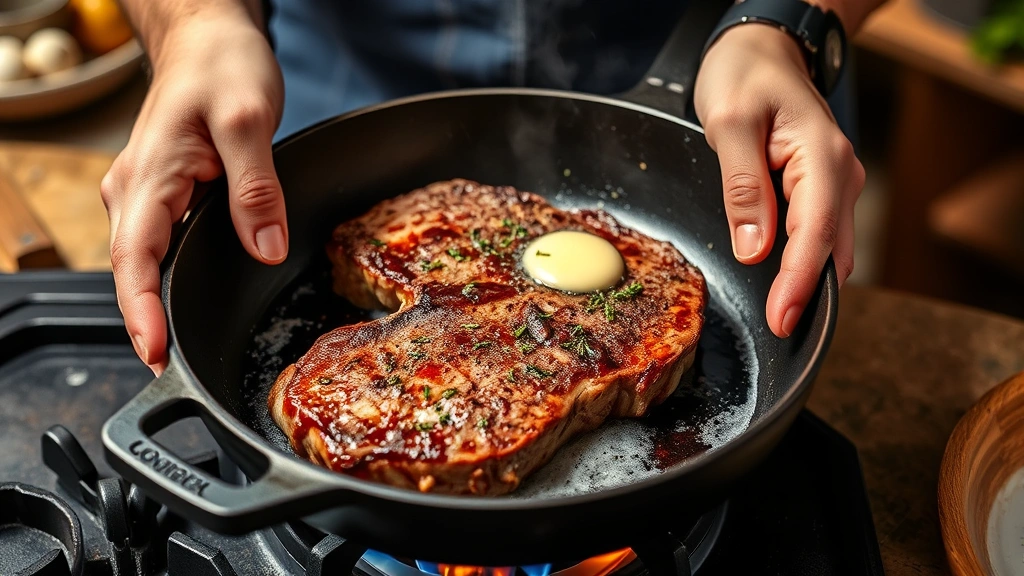
Get your pan screaming hot. This is not the time to be timid. Use a cast iron skillet or heavy stainless steel pan—not non-stick, which can’t handle the heat you need. Preheat the pan for at least 2-3 minutes over medium-high to high heat until a drop of water immediately evaporates and dances across the surface.
Add a high smoke-point oil like avocado oil or refined vegetable oil. Don’t use butter yet—it will burn at these temperatures. You need just enough oil to coat the pan lightly.
Place the filet in the pan and don’t touch it. Seriously, leave it alone for 3-4 minutes. This is when the Maillard reaction happens—the chemical process that creates that beautiful brown crust and all the complex flavors that make steak taste like steak. Moving it around prevents this from happening.
After 3-4 minutes, flip once and sear the other side for another 2-3 minutes. For a 2-inch steak, you’re looking at about 6-7 minutes of searing total to develop a proper crust while keeping the center rare to medium-rare.
Finishing in the Oven
After searing both sides, transfer the pan to a preheated 400°F oven. This is the reverse-sear method, and it’s the most reliable way to cook a filet to your desired doneness without overcooking the exterior.
The oven’s ambient heat cooks the steak gently and evenly from all sides, bringing the center up to temperature while the crust stays perfect. This is why restaurant kitchens use this method—it works.
Cooking time depends on thickness and desired doneness. A 2-inch filet will need 8-12 minutes in the oven to reach medium-rare (130-135°F internal temperature). Use an instant-read thermometer—this is not the time to guess. Insert it horizontally into the thickest part of the steak, being careful not to touch bone if there is any.
Resting: The Critical Step
Remove the steak from the oven when it’s 5°F below your target temperature. It will continue cooking as it rests, and carryover cooking will bring it to the perfect final temperature.
Let the steak rest for 5-10 minutes on a warm plate, loosely tented with foil. This allows the muscle fibers to relax and the juices to redistribute throughout the meat. Cut into it immediately, and all those juices run out onto the plate instead of staying in your steak. Wait, and you get a juicy, tender filet.
During the resting period, this is when you add a pat of compound butter (butter mixed with herbs, garlic, or other seasonings) on top. As it melts, it adds richness and flavor in the final moments.
Temperature Guide for Doneness
Filet mignon is a lean cut, so it’s best served no higher than medium. Here are the target internal temperatures:
- Rare: 125°F—cool red center, warm exterior
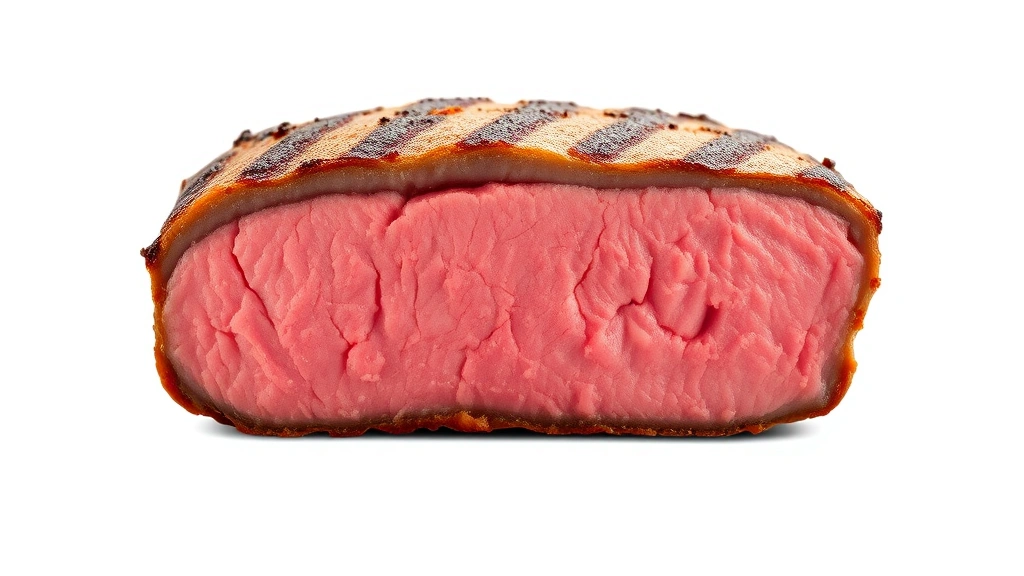
- Medium-Rare: 130-135°F—warm red center, this is the sweet spot for filet
- Medium: 140°F—slightly pink center, still tender
- Medium-Well: 150°F—barely pink, getting tough
Most restaurants serve filet mignon at medium-rare, and for good reason. The slight warmth in the center maximizes tenderness while still delivering flavor. Pull the steak 5°F before your target because it will continue cooking during rest.
Pan-Searing vs. Grill Cooking
You can cook filet mignon on a grill, but pan-searing gives you better control and a more consistent crust. On a grill, you’re fighting hot spots and flare-ups. A hot pan gives you even, predictable heat.
If you prefer grilling, use the two-zone method: sear over direct high heat for 3-4 minutes per side, then move to indirect heat (away from the flames) to finish cooking through. Use a meat thermometer to avoid guessing.
The pan-to-oven method we’ve discussed is more forgiving and delivers restaurant-quality results more consistently. That’s why I recommend it for home cooks.
Butter Basting for Extra Flavor
In the final 2-3 minutes of pan searing, add a knob of butter to the pan along with crushed garlic cloves and fresh thyme. Tilt the pan and continuously spoon the foaming butter over the top of the steak.
This technique, called arroser in French cooking, accomplishes several things: it adds rich flavor, it helps cook the top of the steak, and it creates a beautiful presentation. The garlic and herbs infuse the butter, which then coats the meat.
Be careful not to let the butter burn—it should be foaming and golden, not brown and acrid. If it starts to darken too much, remove it from heat immediately.
Frequently Asked Questions
Can I cook filet mignon on a stovetop without an oven?
Yes, but it’s trickier. Sear both sides for 3-4 minutes each over medium-high heat, then reduce heat to medium and continue cooking, occasionally turning, until it reaches your target temperature. This method requires more attention and is more prone to overcooking the exterior. The oven method is more reliable.
What’s the difference between filet mignon and tenderloin?
Filet mignon is a specific cut from the tenderloin—the most tender part. The entire tenderloin can be roasted whole, but filet mignon refers to individual steaks cut from this section. They’re the same muscle, just different applications.
Should I marinate filet mignon?
Filet mignon is tender enough that it doesn’t need marinating. A simple salt and pepper seasoning is best. However, if you want to experiment with flavors, a short 30-minute marinade with acidic components (like lemon or vinegar) can add brightness. Avoid long marinades, which can make the meat mushy.
How do I know when my filet is done without a thermometer?
Use the touch method: touch the fleshy area between your thumb and forefinger. When relaxed, it feels like rare meat. Touch your thumb to your index finger and it feels medium-rare. However, an instant-read thermometer is far more reliable and costs about $15. Don’t guess on an expensive steak.
Can I cook filet mignon ahead of time?
Cook it fresh, not ahead. However, you can prepare it by bringing it to room temperature and seasoning it up to 40 minutes before cooking. Once cooked, you can rest it and serve it warm, but reheating is not recommended because it will overcook the interior.
What sides pair well with filet mignon?
Filet mignon pairs beautifully with creamed spinach, roasted asparagus, mashed potatoes, or a simple salad. For something different, try making buffalo cauliflower as a lighter side. A béarnaise or red wine reduction sauce elevates it further, or simply finish with fleur de sel and cracked pepper.
How thick should my filet mignon be?
Aim for 1.5 to 2 inches thick. Thinner steaks (under 1 inch) cook too quickly and are difficult to get a good crust on without overcooking the center. Thicker steaks (over 2.5 inches) require longer oven time and are harder to cook evenly at home without specialized equipment.
Is it worth buying Prime grade beef?
For filet mignon, yes. The difference between Choice and Prime is noticeable in marbling and flavor. Since filet is already lean compared to other cuts, the extra marbling in Prime makes a real difference. If you’re spending $20-30 per steak, spending a few dollars more for Prime is worth it.
Final Thoughts
Cooking a perfect filet mignon at home is absolutely achievable. The key is understanding that you’re working with a premium product that deserves respect: quality meat, simple seasoning, proper temperature control, and patience during resting.
The reverse-sear method (sear on stovetop, finish in oven) is your secret weapon. It removes the guesswork and delivers consistent, restaurant-quality results. Start with a high-quality cut from a good butcher, bring it to room temperature, sear it hard, finish it gently in the oven, and let it rest.
Once you master this technique, you’ll realize that cooking filet mignon at home isn’t just possible—it’s actually easier and more reliable than many other cooking methods. You’ve got this.
For more inspiration on premium cooking techniques, explore our branzino recipe for fish preparation or check out how long it takes to smoke a pork butt if you’re interested in other protein-cooking methods. And if you want to add finishing touches, our chilli oil recipe can add an unexpected flavor dimension to your steak plate.


