
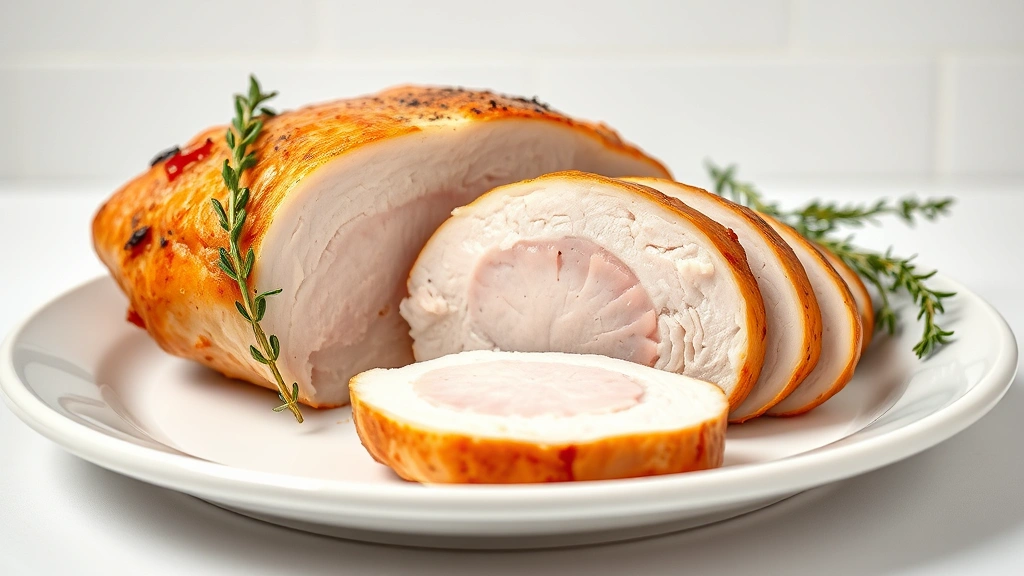
Learning how to cook a boneless turkey breast is one of the best kitchen skills you can master—it’s faster than roasting a whole bird, more forgiving than you’d think, and delivers restaurant-quality results without the fuss. Whether you’re cooking for two or feeding a crowd, a boneless turkey breast is your secret weapon for tender, juicy poultry that tastes like you spent all day in the kitchen.
Table of Contents
Prep Your Turkey Breast
Before you do anything else, pull that boneless turkey breast out of the fridge 30 minutes before cooking. Cold meat cooks unevenly, and you’ll end up with a dry exterior and an undercooked center. Pat it completely dry with paper towels—moisture is the enemy of a good crust.
Check the thickness. If your breast is thicker than 2 inches on one side, you’ve got two options: butterfly it (slice horizontally to create an even thickness) or pound it gently with a meat mallet. Even thickness means even cooking, which means no more guessing games about doneness.
Trim any excess fat or silver skin from the surface. A little fat adds flavor, but thick patches will render unevenly and create hot spots. Use a sharp knife and take your time here—it’s worth the extra minute.
Seasoning Strategies
This is where most home cooks go wrong. They season right before cooking and wonder why the salt hasn’t penetrated the meat. Salt the turkey breast 12-24 hours ahead if possible. This gives the salt time to dissolve and distribute throughout the meat, seasoning it from the inside out. If you’re short on time, even 40 minutes helps.
Keep your seasoning simple. Turkey breast is mild and delicate—it doesn’t need heavy spice rubs. A combination of kosher salt, freshly ground black pepper, garlic powder, and dried thyme is all you need. If you want more complexity, add a pinch of smoked paprika or fresh rosemary.
Don’t forget about butter. Rubbing softened butter under the skin (if there is any) and over the surface creates a barrier that keeps moisture in and helps develop a golden exterior. Herb butter—mixed with fresh thyme, sage, or tarragon—takes this to the next level without extra effort.
Choose Your Cooking Method
You’ve got options here, and the best method depends on your situation. Oven roasting is the most reliable for larger breasts and gives you the best crust. Stovetop searing followed by oven finishing is faster and uses less energy. Slow cooking works if you’ve got time and want maximum tenderness. Grilling is perfect for summer and adds smoky flavor.
Each method has its fans, and honestly, you can’t go wrong with any of them. Pick the one that fits your kitchen setup and time constraints. The principles remain the same: start with proper prep, monitor internal temperature, and rest before slicing.
Oven Roasting Technique
Preheat your oven to 375°F. This temperature is the sweet spot—hot enough to develop a golden exterior but not so hot that the outside burns before the inside cooks through.
Place your seasoned turkey breast skin-side up (if it has skin) on a roasting pan lined with foil. If there’s no skin, that’s fine—you’re just roasting the meat itself. Arrange it so air can circulate on all sides. Add a cup of chicken broth or water to the pan bottom. This creates steam that keeps the meat moist and gives you pan drippings for gravy.
Roast for about 20 minutes per pound for a breast that weighs 2-3 pounds. A 2.5-pound breast will take roughly 50 minutes. Start checking the internal temperature at the 40-minute mark with an instant-read thermometer. Insert it into the thickest part without touching bone or the pan.
The target temperature is 165°F. At this point, the meat is safe to eat and still juicy. If you cook it to 170°F or higher, you’re entering dry territory. Turkey breast dries out fast once you pass 165°F, so nail this temperature and don’t overshoot.
Stovetop Searing Method
This method is faster and gives you a restaurant-quality crust. Heat a large oven-safe skillet over medium-high heat. Add 2 tablespoons of oil (vegetable or olive oil works) and let it get hot until it shimmers.
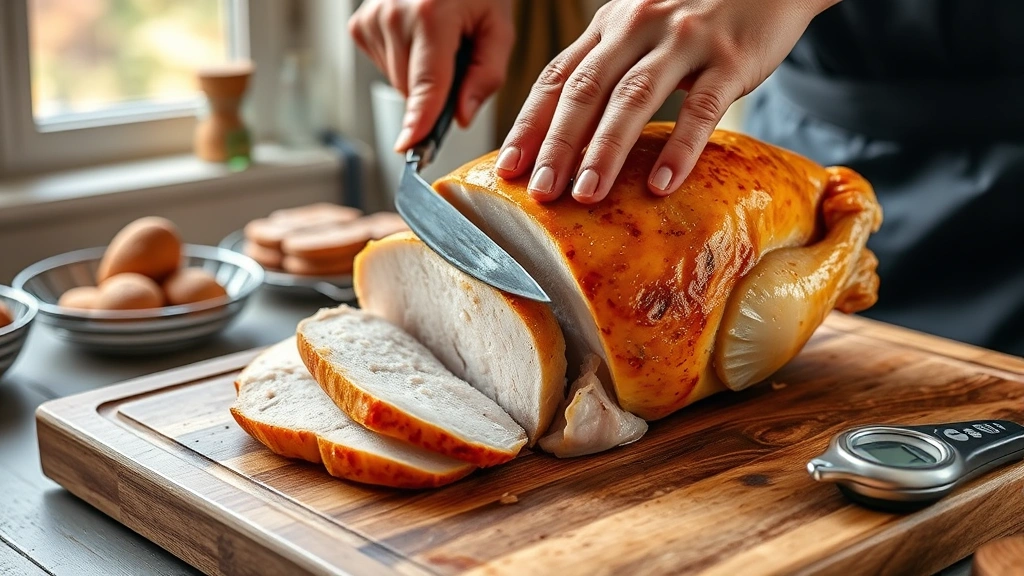
Sear the turkey breast for 3-4 minutes on the first side without moving it. You want a deep golden-brown crust, so resist the urge to fidget with it. Flip it and sear the other side for another 3-4 minutes. This entire searing process takes about 8 minutes and is the difference between a gray, boring turkey breast and one that looks like it came from a restaurant kitchen.
Once seared, transfer the skillet to a 375°F oven. Finish cooking for 15-25 minutes depending on thickness, checking temperature at 15 minutes. The beauty of this method is that you’ve already built flavor on the stovetop, so the oven time is just finishing the job.
Temperature Matters Most
This cannot be overstated: invest in a good instant-read thermometer. A $15-20 digital thermometer will change your cooking life. Guessing by touch or appearance leads to overcooked, dry turkey breast. Measuring the actual temperature removes all guesswork.
Insert the thermometer into the thickest part of the breast, aiming for the center without hitting bone. Wait 3-5 seconds for the reading to stabilize. If you’re cooking a thicker breast, check multiple spots—the thickest part cooks slowest.
The USDA safe temperature for poultry is 165°F. At this temperature, all harmful bacteria are eliminated. Some people prefer 170°F for a more well-done texture, but I recommend stopping at 165°F. The residual heat will carry over another 2-3 degrees while the meat rests, and you’ll have a juicier final product.
Resting and Slicing
This step separates good turkey breast from great turkey breast. When you pull the meat from heat, the muscle fibers are contracted and all the juices are pushed toward the center. If you slice immediately, all those juices run out onto the cutting board instead of staying in your meat.
Let the turkey breast rest for at least 10 minutes under a loose tent of foil. This allows the muscle fibers to relax and reabsorb the juices. For a larger breast (3+ pounds), rest it for 15 minutes. The meat will stay warm—don’t worry about it cooling down too much.
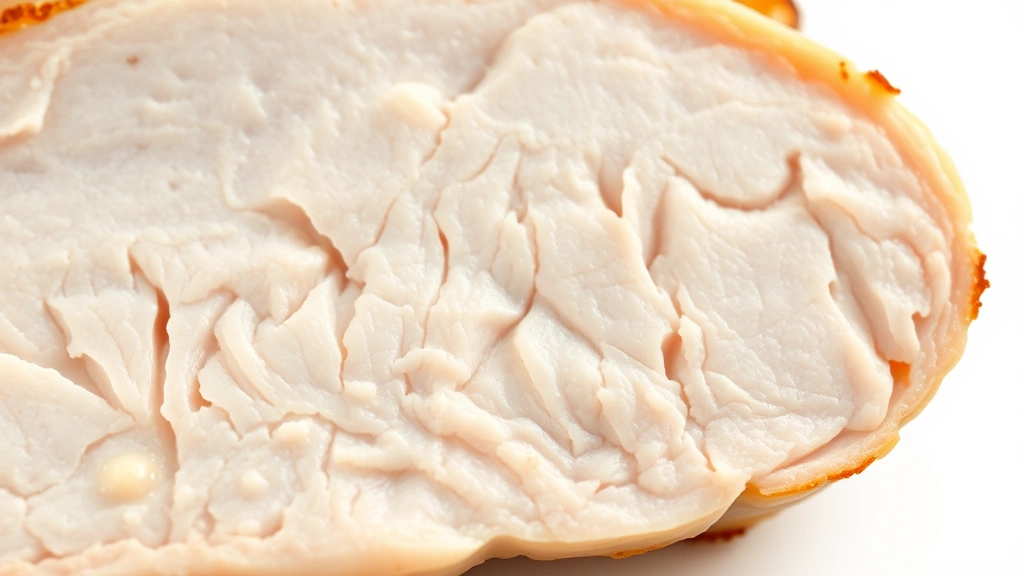
When you’re ready to slice, use a sharp carving knife and cut against the grain. If you cut with the grain, you’re biting through long muscle fibers, which feels tough. Cutting against the grain shortens those fibers, making each bite more tender. Slice to your preferred thickness—about ¼ inch is standard.
Common Problems Solved
Your turkey breast turned out dry? You either cooked it too long or at too high a temperature. Next time, pull it at 165°F and don’t skip the resting period. Brining the breast for 8-12 hours before cooking also helps—dissolve ¼ cup salt in 4 cups water, submerge the breast, and refrigerate.
The outside is done but the inside is still undercooked? Your oven temperature was too high. Lower it to 350°F next time and give it more time. Or use the stovetop searing method to build color quickly, then finish in a 325°F oven.
The meat is tough and stringy? You may have sliced with the grain instead of against it. Look at the muscle fiber direction and cut perpendicular to it. Also check that you let it rest—skipping this step guarantees tough, dry meat.
It’s pale and boring-looking? Sear it first on the stovetop like we discussed in the stovetop method. A golden-brown crust makes all the difference in appearance and flavor.
Perfect Side Dishes
A beautiful turkey breast deserves equally good sides. If you’re looking for something quick and healthy, how to steam broccoli in microwave takes 5 minutes and pairs perfectly with turkey.
For heartier options, consider mashed potatoes with the pan drippings, roasted root vegetables, or a simple green salad with lemon vinaigrette. If you want to cook other proteins alongside, check out how long to cook chicken legs in oven for timing reference, or how long to bake tilapia if you’re mixing proteins.
Grain dishes work beautifully too—wild rice pilaf, quinoa salad, or simple bread stuffing all complement turkey breast without competing for attention. The key is balancing the richness of the turkey with something fresh or light.
Storage and Leftovers
Slice any leftover turkey breast and store it in an airtight container in the fridge for up to 4 days. It stays juicier if you don’t slice it until you’re ready to eat it, so consider storing it whole and slicing as needed.
Turkey breast makes incredible sandwiches, salads, and grain bowls. Shred the leftover meat and mix it into soups or use it as a protein base for homemade dishes. You can also freeze sliced turkey breast for up to 3 months—layer it between parchment paper so pieces don’t stick together.
Pro tip: save those pan drippings. Strain them, refrigerate overnight, and skim off the fat. What remains is pure turkey flavor that makes incredible gravy or a base for soup. Don’t throw away liquid gold.
Frequently Asked Questions
How long does it take to cook a boneless turkey breast?
Plan on about 20 minutes per pound at 375°F. A 2.5-pound breast takes roughly 50 minutes. Always rely on internal temperature (165°F) rather than time, as oven temperatures vary and breast thickness affects cooking speed.
Can I cook a frozen turkey breast?
Yes, but thaw it first for best results. Frozen turkey takes 50% longer to cook and won’t brown as evenly. Thaw in the refrigerator (allow 24 hours for a 2.5-pound breast) or use the cold water method (30 minutes per pound, changing water every 30 minutes).
Should I cover the turkey breast while cooking?
You can tent it loosely with foil if the top is browning too quickly, but don’t cover it completely. Foil traps steam and prevents browning. Remove any foil for the last 10 minutes to ensure a golden finish.
What’s the difference between a turkey breast and a turkey cutlet?
A turkey breast is the whole breast muscle, usually 2-4 pounds. A cutlet is a thin slice, usually ¼ inch thick. Cutlets cook much faster (10-15 minutes) and are better for pan-frying. Follow the same basic principles but adjust cooking time accordingly.
Can I use a slow cooker for turkey breast?
Absolutely. Place the seasoned breast in a slow cooker with ½ cup broth and cook on low for 4-5 hours. You won’t get a golden crust this way, so sear it first on the stovetop if appearance matters. The final product will be very tender but less visually impressive.
Why is my turkey breast always tough?
The three main culprits are overcooking (cook to 165°F, not higher), not resting (rest at least 10 minutes), and cutting with the grain instead of against it. Address all three and you’ll have tender turkey every time.
Can I cook turkey breast with the skin on?
Yes, and it helps keep the meat moist. Follow the same techniques but add 5-10 minutes to cooking time. The skin also gives you a more traditional appearance and adds flavor.


