
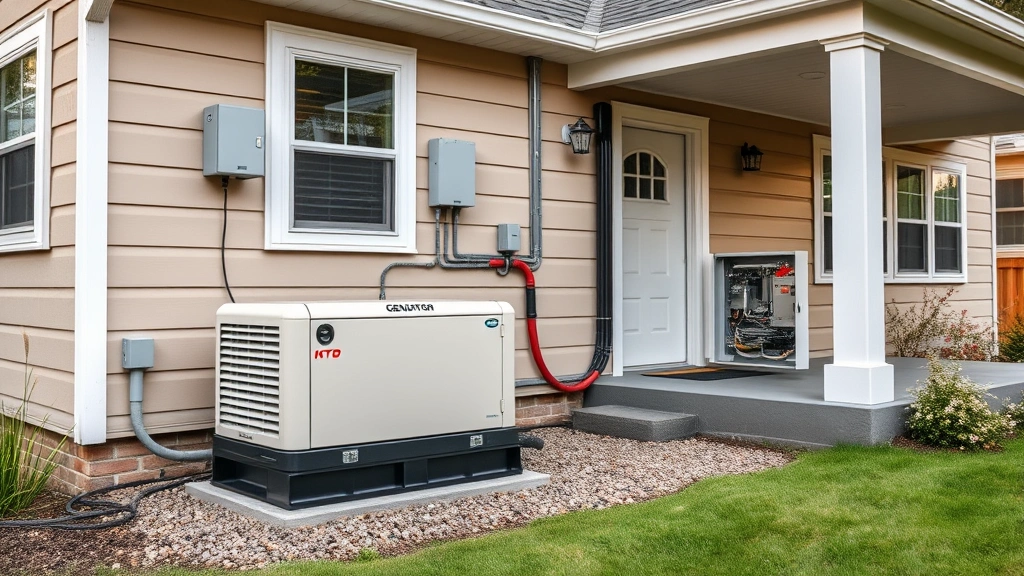
Learning how to connect generator to house safely is one of the smartest investments you can make for home backup power. Whether you’re facing storm season or just want peace of mind during outages, a properly installed generator connection keeps your family comfortable and your essentials running. But here’s the thing—this isn’t a job to wing it on. Get it wrong, and you’re risking electrocution, equipment damage, or even feeding dangerous power back into the grid. Let me walk you through the right way to do this.
Table of Contents
Understand Your Connection Options
Before you buy a single cable, you need to know your options. There are three main ways to connect a generator to your house, and each has different safety implications and costs.
Portable cord method: This is the cheapest but most limited option. You run heavy-duty extension cords from your generator directly to appliances. It works fine for running a fridge and a few lights during a short outage, but it’s a hassle and you’re managing multiple cords. Plus, you’re not protecting against backfeed—that’s when power flows backward into the grid and can kill utility workers.
Manual transfer switch: This is the middle ground and what most homeowners should consider. A transfer switch sits between your generator and your main electrical panel. It lets you manually select which circuits get generator power, and it prevents backfeed automatically. You’re looking at $500-$2,000 for the switch and installation, depending on your panel type.
Automatic transfer switch: This is the premium option. The moment your power cuts out, it automatically switches to generator power. You won’t even notice the outage. These run $2,000-$5,000+ installed, but if you want true seamless backup, this is it. If you’re considering this route, you might want to explore how to become an electrician if you’re interested in the trade—these installations are professional-grade work.
Size Your Generator Properly
This step trips up a lot of people. You can’t just grab whatever generator is on sale. You need to calculate your actual power needs, and it’s more nuanced than just adding up wattages.
First, list everything you want to run during an outage. Your fridge, furnace, water heater, a few lights, maybe a sump pump. Look up the wattage for each—you’ll find it on the nameplate of the appliance or in the manual. Here’s the critical part: some appliances have a starting wattage that’s much higher than their running wattage. Your air conditioner might run at 3,500 watts but need 5,000 watts to start up.
Add up your running watts, then add about 30% for the starting surge. That’s your minimum generator size. If you’re running a whole-house setup, you’re probably looking at 7,500-20,000 watts depending on your climate and what you want to power. Don’t cheap out here—an undersized generator will shut down under load, and you’ll be in the dark anyway.
Install a Transfer Switch
The transfer switch is your safety hero. It’s the device that prevents backfeed and lets you safely switch between utility power and generator power without electrocuting yourself or damaging equipment.
Installation location matters. You want it between your generator and your main electrical panel, usually mounted on the wall outside where your generator will sit. Most codes require it within 6 feet of your panel. The switch physically disconnects you from the grid when you switch to generator mode, and it prevents you from running both simultaneously—which would be catastrophic.
For a manual transfer switch, you’re basically wiring it into your panel with heavy-gauge wire and connecting the generator inlet box to the switch. This is where you really should know your electrical code or call a licensed electrician. One mistake here and you’ve got a serious hazard. If you’re not confident, this is the time to bring in a pro. Your local building department can recommend licensed electricians in your area.
Run the Cable Safely
The cable connecting your generator to the transfer switch or inlet box needs to be the right gauge and installed properly. This isn’t where you skimp on materials.
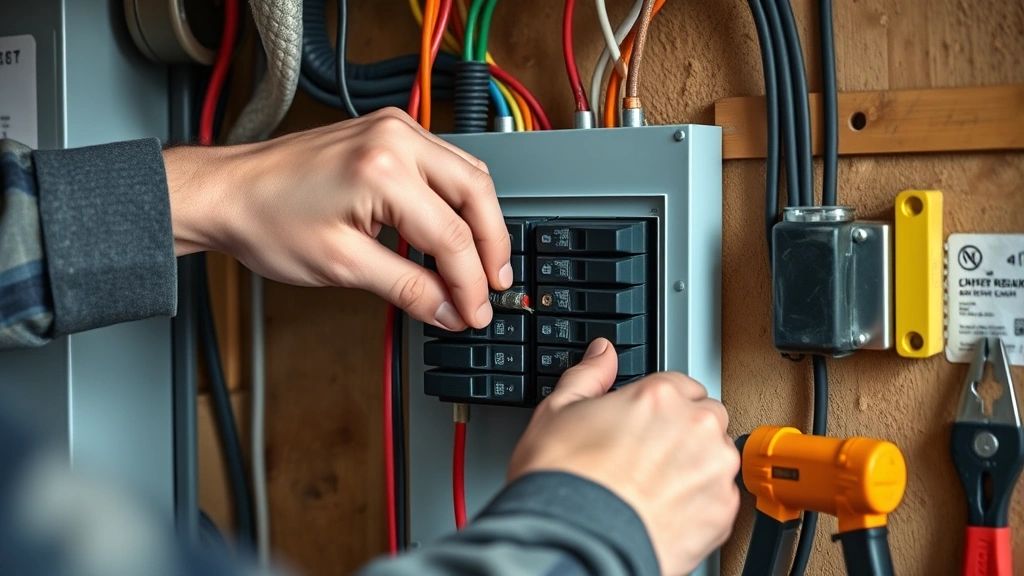
Use 4-gauge copper wire for most residential setups running 30-50 amp service. If you’re running 100+ amps, you might need larger. Run the cable in conduit—either PVC or metal—to protect it from damage, UV, and weather. Bury it at least 18 inches deep if it’s going underground, or run it along the side of your house in visible conduit.
The path matters too. Keep it away from foot traffic areas, don’t run it through walls without proper protection, and make sure it’s secured every few feet so it doesn’t sag or get damaged. If water could pool where your generator sits, elevate the generator or install a concrete pad with proper drainage.
Connect to Your Electrical Panel
This is where things get technical, and honestly, this is where most homeowners should stop and call a professional. Your electrical panel is live—even when the main breaker is off, there’s still power on the main lugs. One slip and you’re seriously hurt or worse.
If you’re going forward, you need to install a breaker in your panel that connects to the transfer switch. The breaker size depends on your wire gauge and the amperage you’re pulling. A 50-amp generator typically needs a 50-amp breaker and 6-gauge wire. The breaker protects the circuit from overload.
The wire connects from the breaker to the transfer switch, and the transfer switch connects to your generator inlet box. Everything needs to be properly bonded and grounded. Your panel’s neutral and ground buses need to be properly configured for generator use—this is where code gets specific to your location.
Test Everything Before Use
Before you actually need that generator during a real outage, you need to know it works. Testing catches problems when you have time to fix them, not when you’re in the dark.
Start with a visual inspection. Check all connections for corrosion or loose terminals. Make sure the transfer switch moves smoothly and clicks into position. Verify that the inlet box cover fits properly and that all conduit is secure.
Now do a load test. Start your generator and let it run for a few minutes unloaded. Then switch the transfer switch to generator mode (with the main breaker off) and turn on a few circuits. Start with lights, then add a larger load like a window AC unit. Watch for voltage fluctuations or the generator bogging down. If everything runs smoothly, you’re good. If the generator struggles or shuts down, you’re undersized or there’s a problem with the connection.
Run a monthly test during good weather. It takes 15 minutes and keeps everything working when you need it.
Maintenance and Safety Tips
A generator sitting idle for months won’t start when you need it. Maintenance is critical, and it’s simple if you stay on top of it.
Change the oil every 50-100 hours of operation. Check the fuel regularly—old fuel gums up the carburetor. Use a fuel stabilizer if you’re storing it for more than a month. Replace the air filter annually or when it looks dirty. Keep the generator in a dry location, preferably under a cover but with good ventilation—never run it indoors or in an enclosed space. Carbon monoxide will kill you in minutes.
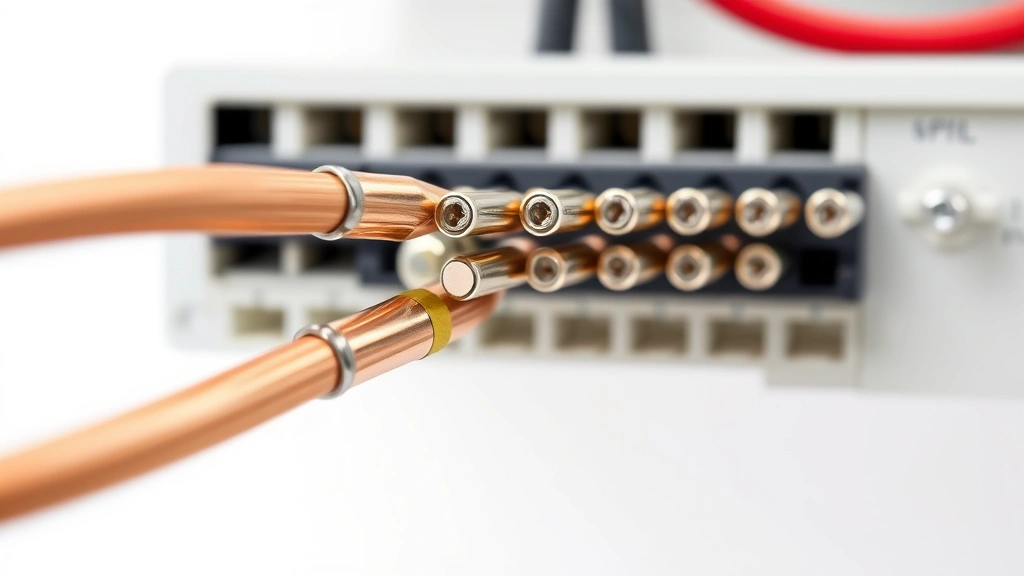
For the electrical side, inspect the cable for damage regularly. Look for cracks in the insulation, corrosion on connections, or signs of rodent damage. Make sure the transfer switch isn’t stuck or corroded. Test it monthly to keep it moving freely.
Keep your generator away from your house’s air intakes and windows. Exhaust fumes should be directed away from where people are. In winter, the generator might struggle to start in cold—keep it in a heated shed if possible, or use a block heater.
When to Call a Professional Electrician
Let’s be honest: most homeowners should hire a licensed electrician for this job. It’s not laziness—it’s smart. Electrical work that goes wrong can burn your house down or kill someone.
Definitely call a pro if you’re not comfortable working with your electrical panel, if your panel is old or unusual, if you’re unsure about local codes, or if you’re installing an automatic transfer switch. Most electricians can complete the installation in a day or two, and you’ll get a permit and inspection, which protects you legally and ensures it’s done right.
Your local building department can provide a list of licensed electricians. Check references and get multiple quotes. A good electrician will pull permits and explain everything they’re doing. If someone says “we don’t need a permit,” find someone else.
Frequently Asked Questions
Can I connect a generator directly to my house without a transfer switch?
Technically, yes, but you absolutely shouldn’t. Without a transfer switch, you risk backfeed—sending power back into the grid and potentially killing a utility worker. You also risk damaging your appliances or the generator if both are trying to supply power. A transfer switch is a safety requirement, not optional.
How much does it cost to install a generator connection?
A manual transfer switch installation typically runs $1,500-$3,000 including labor and materials. An automatic transfer switch costs $3,000-$6,000+. Portable cord setup is cheapest at $200-$500 but offers minimal protection. Get multiple quotes from licensed electricians in your area.
Do I need a permit for generator installation?
Yes, in most jurisdictions. A permit ensures the work meets code and gets inspected. It also protects you legally if something goes wrong. If a fire happens and there’s no permit, your insurance might not cover it. Always pull a permit.
What size generator do I need?
Add up the wattage of everything you want to run, add 30% for starting surge, and that’s your minimum. Most homes need 7,500-20,000 watts. A 10,000-watt generator is a solid middle ground for running essentials like a fridge, furnace, and some lights.
Can I run my generator in the rain?
Not directly in rain. You need a shelter—a canopy or shed—that protects it from water while allowing proper ventilation. Never cover it completely or run it in an enclosed space. Carbon monoxide is a silent killer.
How often should I test my generator?
Run it for 15 minutes monthly under load. Change the oil every 50-100 hours of operation. If you’re not using it, run it at least quarterly to keep the fuel fresh and the engine healthy.
The Bottom Line
Connecting a generator to your house is doable, but it demands respect for electrical safety. The transfer switch is non-negotiable—it’s what keeps you, your family, and utility workers safe. Size your generator to your actual needs, use proper cable and conduit, and if you’re not confident working with electrical panels, hire a licensed electrician. The cost is worth the peace of mind and the guarantee that it’s done right. A properly installed generator connection gives you real backup power when you need it most, and that’s priceless.


